Professional Lawn Insect Control Services in South Florida
Lawn-damaging insects are a year-round concern throughout South Florida due to our warm climate, frequent rainfall, and sandy soil conditions. Pests such as chinch bugs, fire ants, mole crickets, sod webworms, and grubs can quickly destroy turf, weaken root systems, and create unsafe conditions for families and pets if left untreated.
Professional Pestguard provides expert lawn insect control services across South Florida, including Broward County and Palm Beach County. We proudly serve communities such as Fort Lauderdale, Pembroke Pines, Weston, Coral Springs, Plantation, Boca Raton, Delray Beach, and surrounding areas. Our treatments are specifically designed for the unique environmental conditions of South Florida, delivering targeted control while protecting long-term lawn health.
Lawn-damaging insects are a year-round concern throughout South Florida due to our warm climate, frequent rainfall, and sandy soil conditions. Pests such as chinch bugs, fire ants, mole crickets, sod webworms, and grubs can quickly destroy turf, weaken root systems, and create unsafe conditions for families and pets if left untreated.
Professional Pestguard provides targetted lawn insect control services across South Florida, including Broward County. We proudly serve communities such as Fort Lauderdale, Pembroke Pines, Weston, Coral Springs, Plantation, Davie, Miramar, and surrounding areas. Our treatments are specifically designed for the unique environmental conditions of South Florida, delivering targeted control while protecting long-term lawn health.
Licensed & Insured
Lawn Insect Control Specialists
40+ Years
Solving Lawn Insect Problems
UNDERSTANDING THE PROBLEM
Why Lawn Insect Problems Are So Common in South Florida
South Florida’s warm temperatures, high humidity, frequent rainfall, and sandy soil create ideal conditions for turf-damaging insects to thrive year-round. Fire ants build aggressive mounds, chinch bugs damage grass blades, mole crickets tunnel beneath the surface, and grubs feed on root systems. Fleas, ticks, armyworms, and sod webworms can also infest lawns, causing visible damage and ongoing outdoor pest activity.
Across Broward and Palm Beach Counties, irrigation systems, shaded areas, and thick St. Augustine grass create additional moisture and shelter, allowing insect populations to multiply quickly. Because our region rarely experiences long cold periods, lawn pests remain active in every season.
Most lawn insects live below the surface, which makes over-the-counter treatments temporary and inconsistent. Professional lawn insect control targets active infestations at the root level, treats nesting areas, and helps prevent recurring damage to protect long-term lawn health throughout South Florida.
South Florida’s warm temperatures, high humidity, frequent rainfall, and sandy soil create ideal conditions for turf-damaging insects to thrive year-round. Fire ants build aggressive mounds, chinch bugs damage grass blades, mole crickets tunnel beneath the surface, and grubs feed on root systems. Fleas, ticks, armyworms, and sod webworms can also infest lawns, causing visible damage and ongoing outdoor pest activity.
Across Broward County, irrigation systems, shaded areas, and thick St. Augustine grass create additional moisture and shelter, allowing insect populations to multiply quickly. Because our region rarely experiences long cold periods, lawn pests remain active in every season.
Most lawn insects live below the surface, which makes over-the-counter treatments temporary and inconsistent. Professional lawn insect control targets active infestations at the root level, treats nesting areas, and helps prevent recurring damage to protect long-term lawn health throughout South Florida.
COMMON LAWN INSECTS
Types of Lawn Insects We Treat Across South Florida
South Florida lawns are susceptible to a wide variety of insects that damage grass, soil, and root systems. Each pest behaves differently and requires a targeted treatment approach. While we treat all common turf-damaging insects, the pests listed below are the most frequent causes of lawn damage across Broward and Palm Beach Counties.
These insects are commonly found in residential lawns and HOA communities throughout Fort Lauderdale, Pembroke Pines, Weston, Coral Springs, Plantation, Boca Raton, Delray Beach, and surrounding South Florida neighborhoods.
South Florida lawns are susceptible to a wide variety of insects that damage grass, soil, and root systems. Each pest behaves differently and requires a targeted treatment approach. While we treat all common turf-damaging insects, the pests listed below are the most frequent causes of lawn damage across Broward County.
These insects are commonly found in residential lawns and HOA communities throughout Fort Lauderdale, Pembroke Pines, Weston, Coral Springs, Plantation, Davie, Miramar, and surrounding Broward neighborhoods.
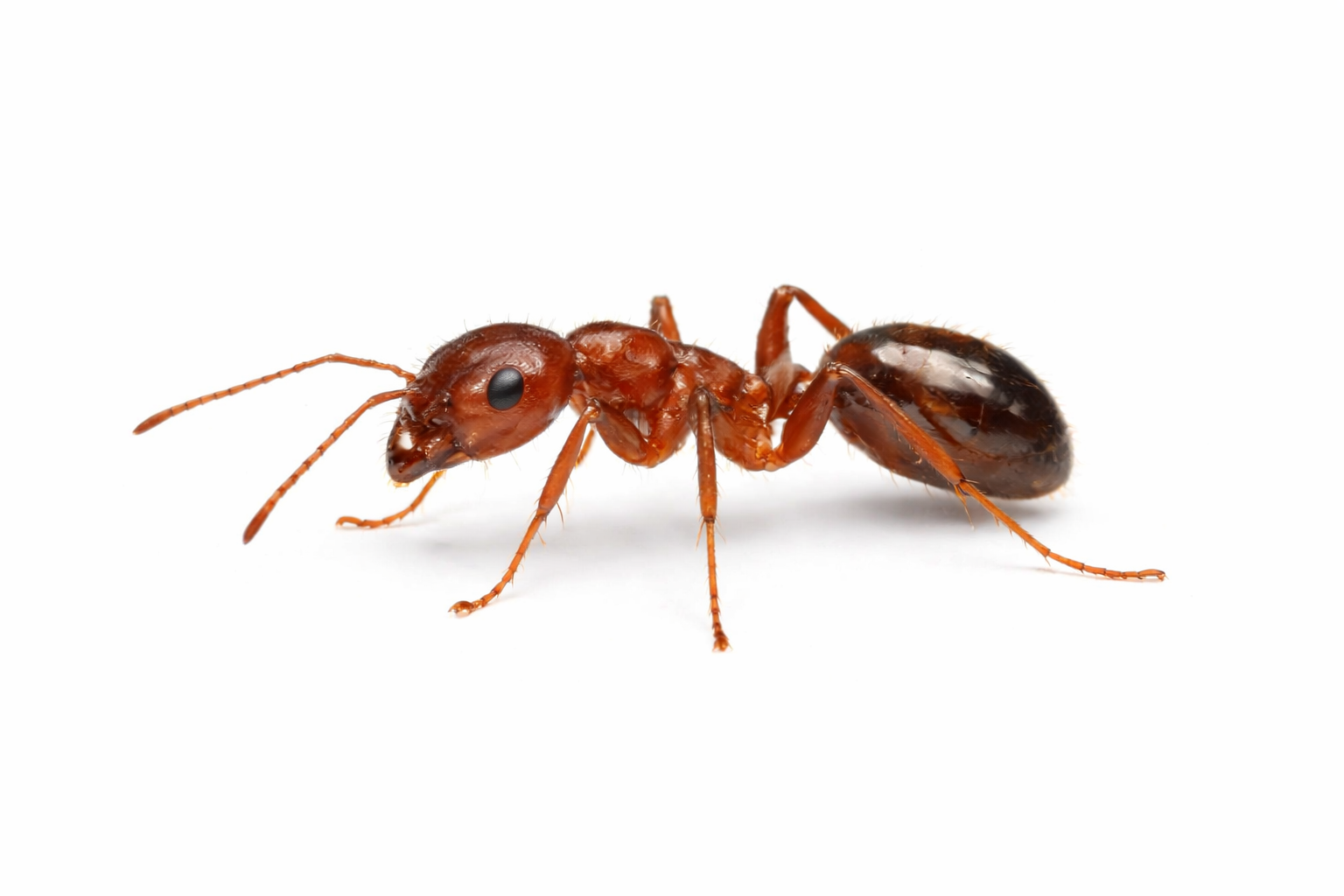
Fire Ants
Highly aggressive lawn pests commonly found throughout South Florida. Fire ants build visible mounds and deliver painful stings that pose a serious risk to children and pets. Colonies can spread rapidly and often reinfest lawns without targeted professional treatment.
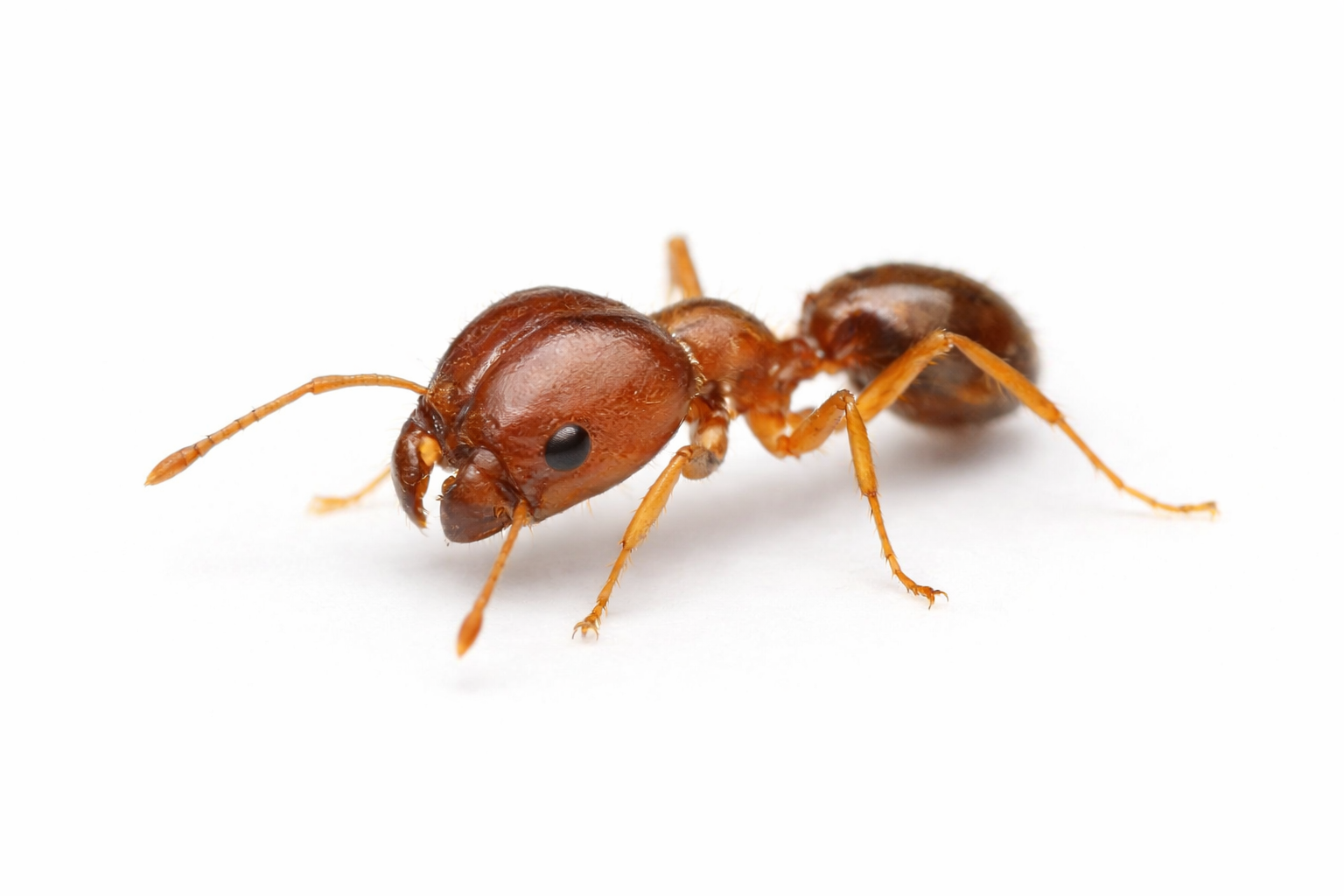
Big-Headed Ants
Often confused with fire ants, big-headed ants commonly nest in lawns, under pavers, and near foundations. Their tunneling creates loose soil and destabilizes turf and hardscapes. Without proper control, colonies can spread extensively across outdoor areas.
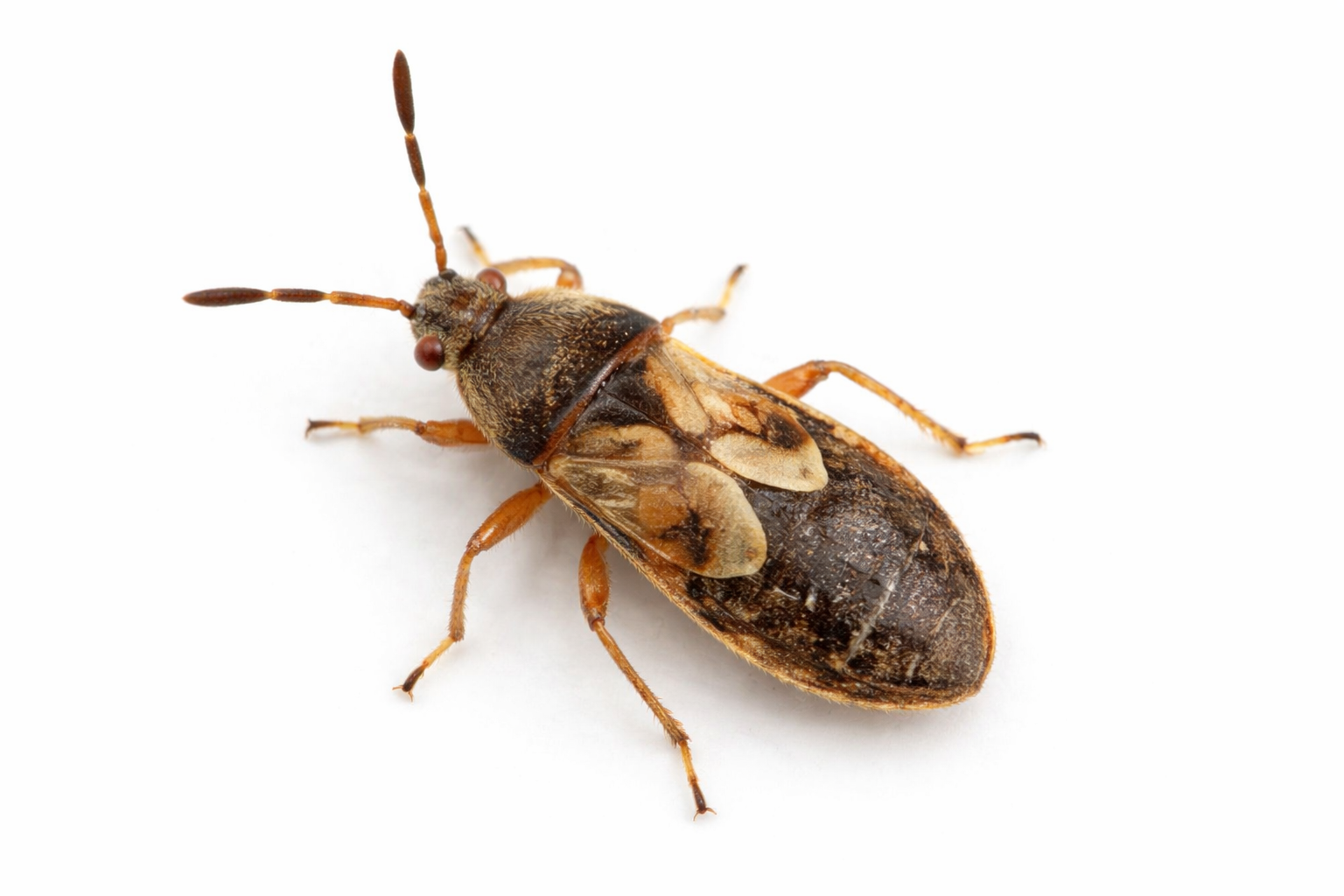
Chinch Bugs
One of the most destructive lawn insects in Florida, chinch bugs primarily attack St. Augustine grass. They feed on grass blades, causing yellowing and dead patches that are often mistaken for drought or disease. Infestations spread quickly in hot, dry conditions.
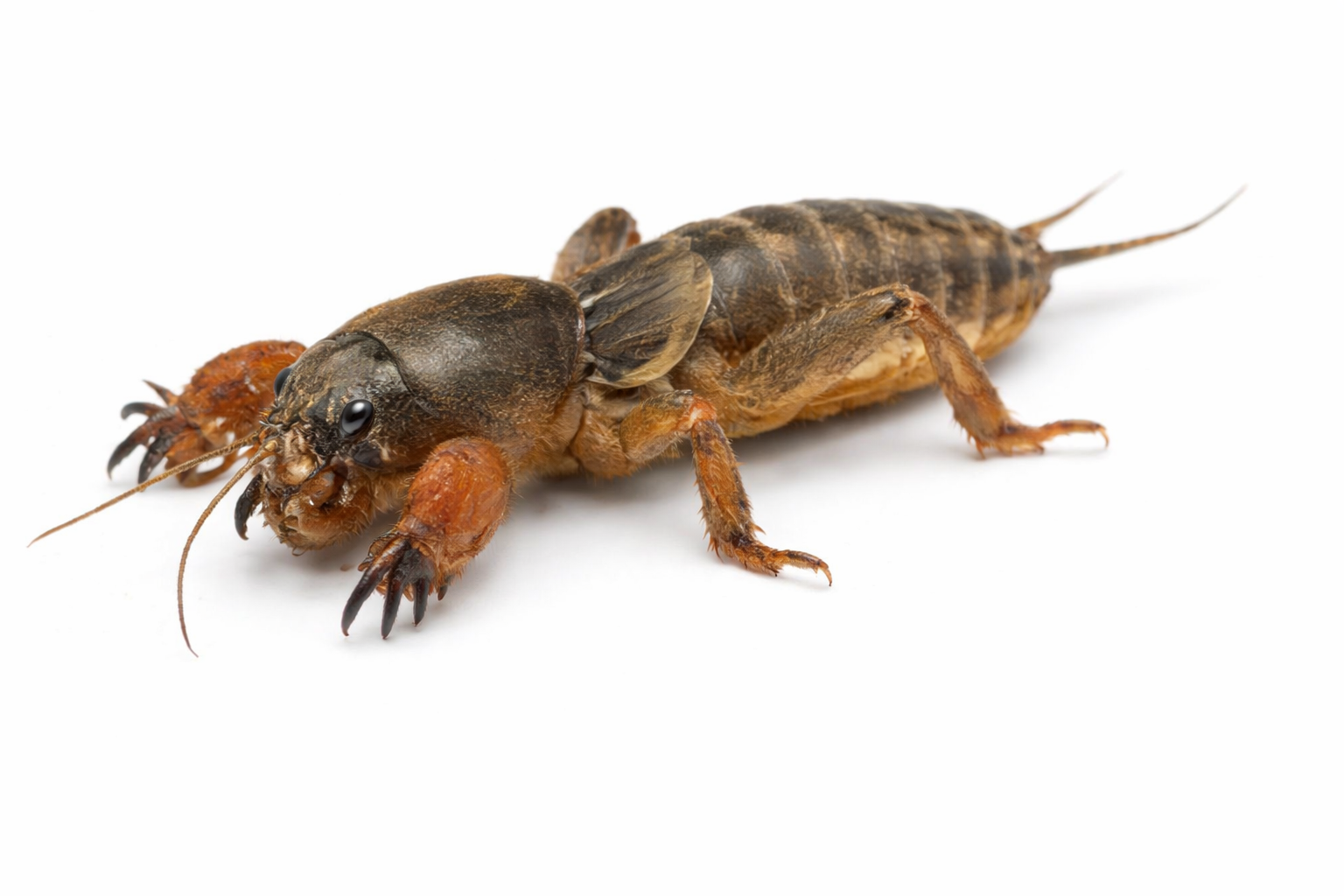
Mole Crickets
Mole crickets tunnel beneath the lawn surface, damaging grass roots and disrupting soil structure. Their activity creates spongy, uneven turf and thinning grass. These pests are especially common in sandy South Florida soil and can cause extensive lawn damage if untreated.
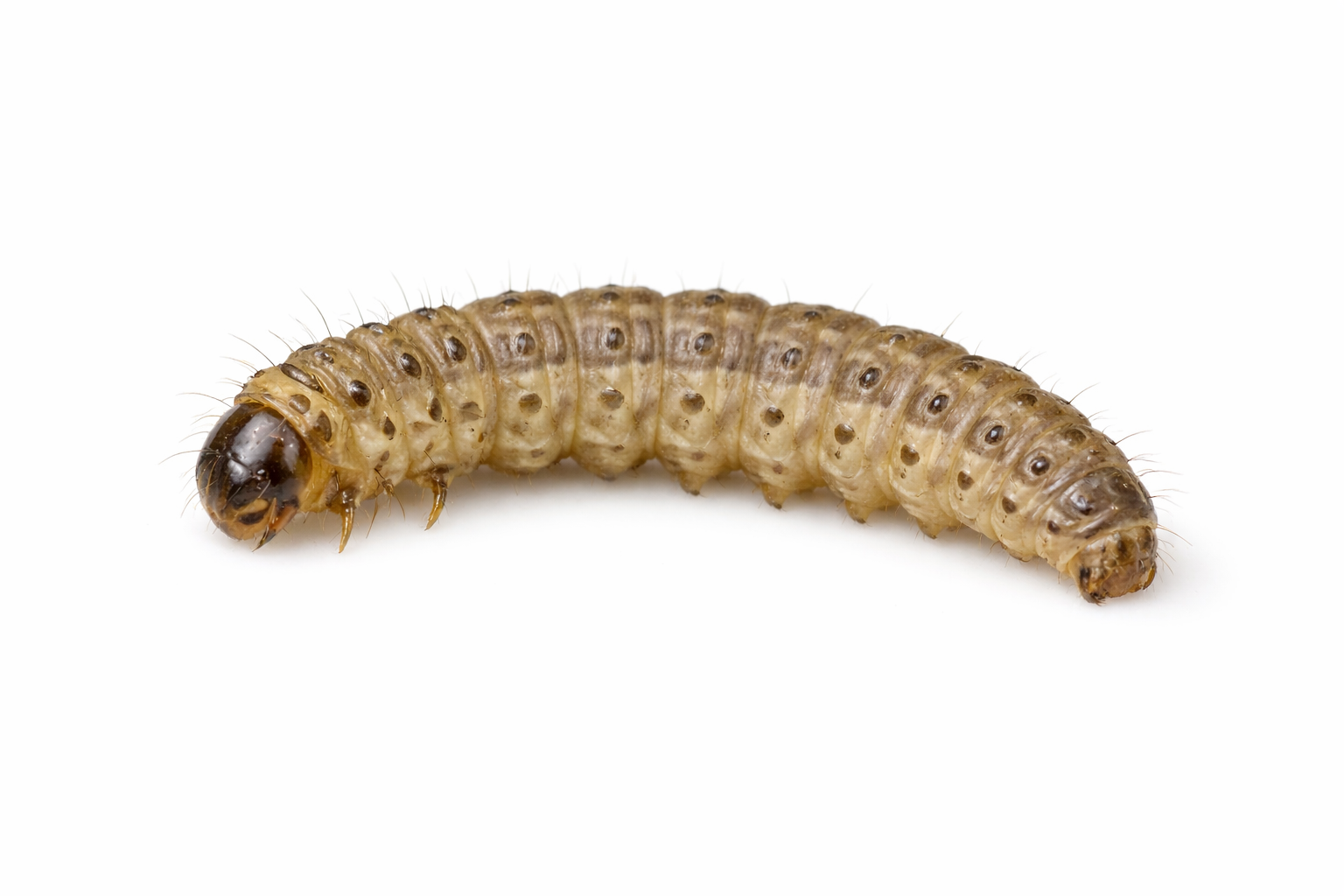
Sod Webworms
Sod webworms are caterpillars that feed on grass blades, primarily at night. Infestations cause brown patches that expand rapidly across lawns. Because their damage closely resembles lawn fungus, proper identification is essential for effective treatment.
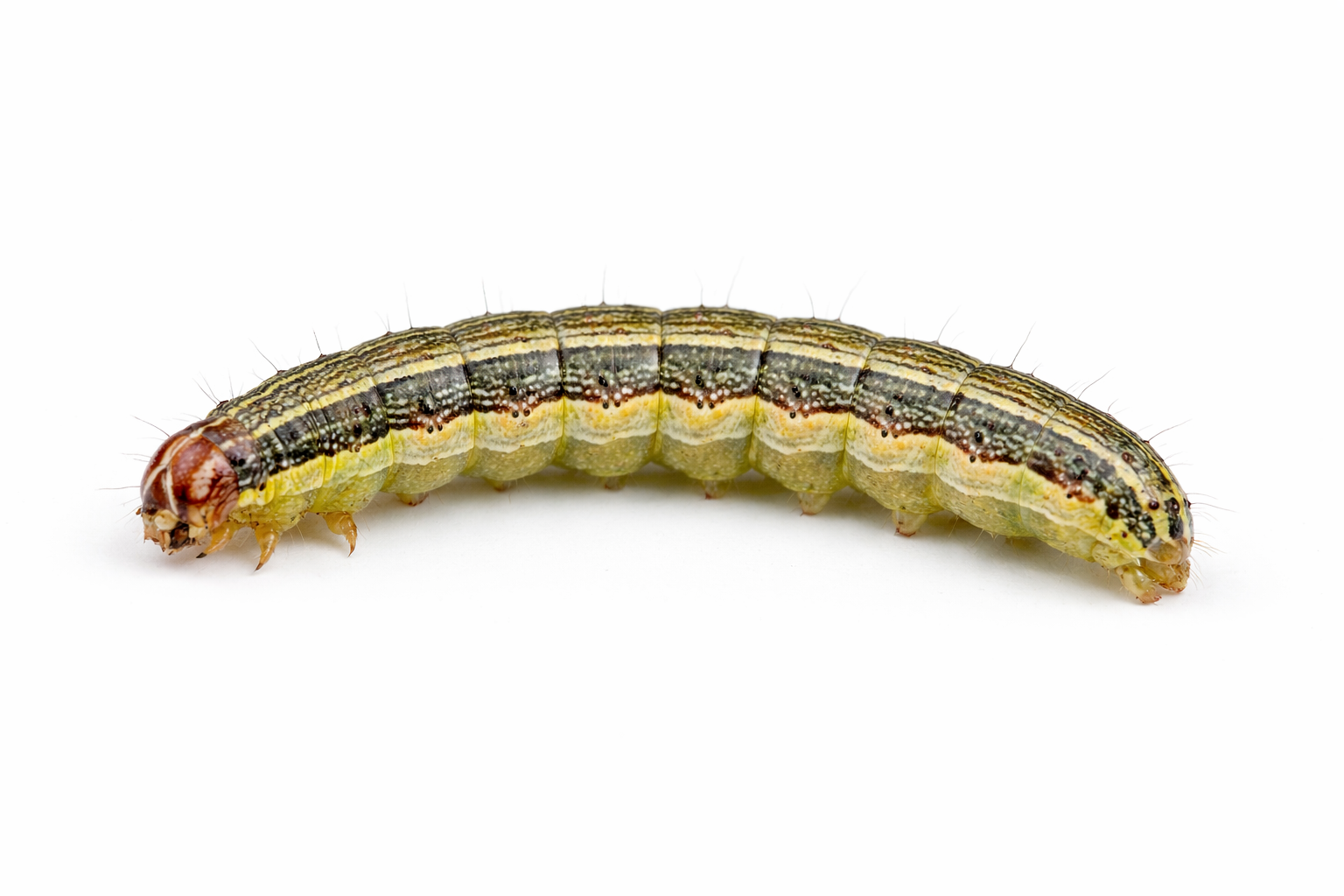
Armyworms
Armyworms are highly destructive pests capable of stripping lawns in a matter of days. They often appear after heavy rainfall and feed aggressively on grass blades. Armyworm outbreaks are extremely common during South Florida’s warm summer months.
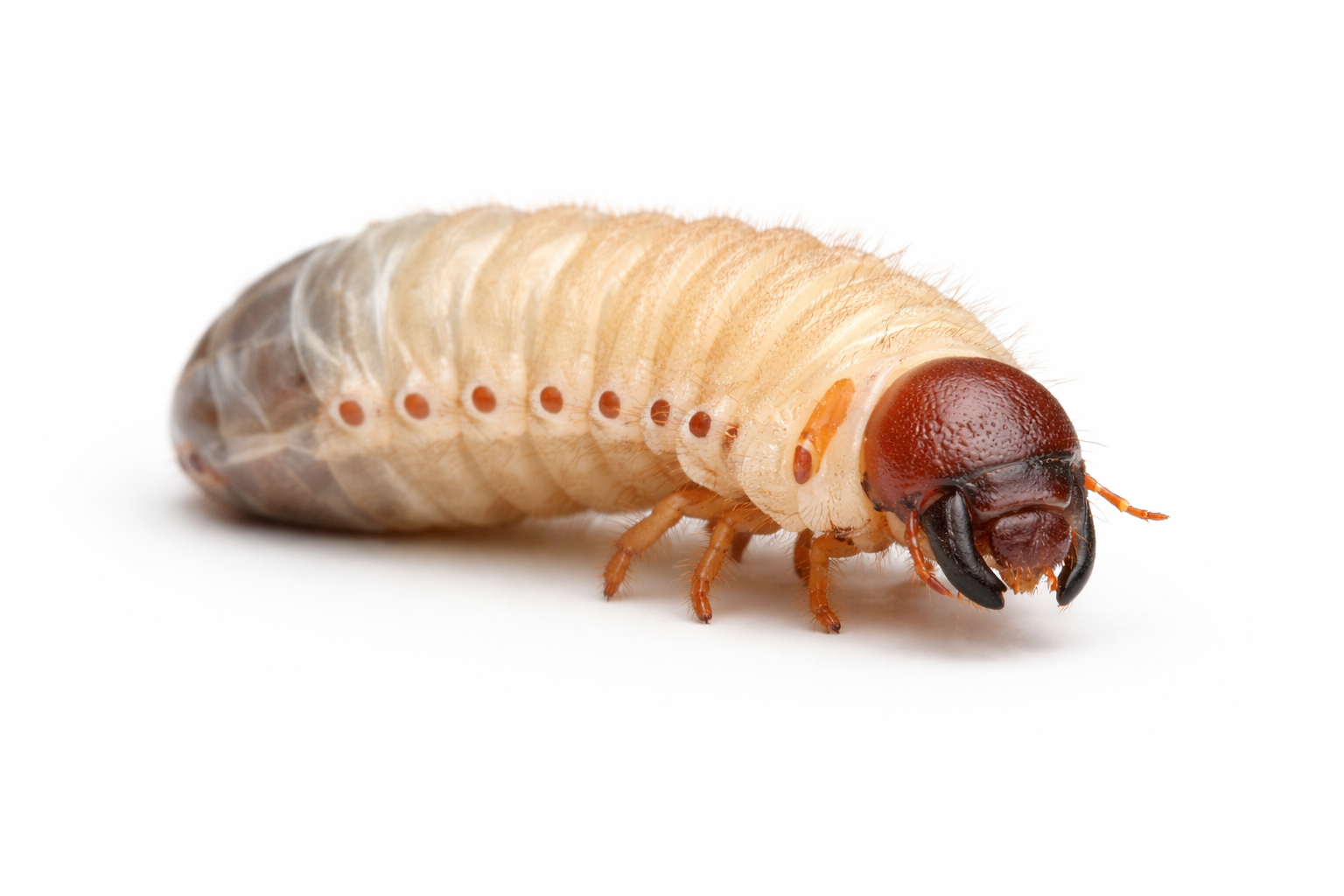
Grubs
(Beetle Larvae)
Grubs live beneath the surface and feed on grass roots, weakening lawns from below. Damaged turf may lift easily like carpet and attract wildlife such as birds, raccoons, and armadillos. Grub infestations often go unnoticed until significant damage occurs.
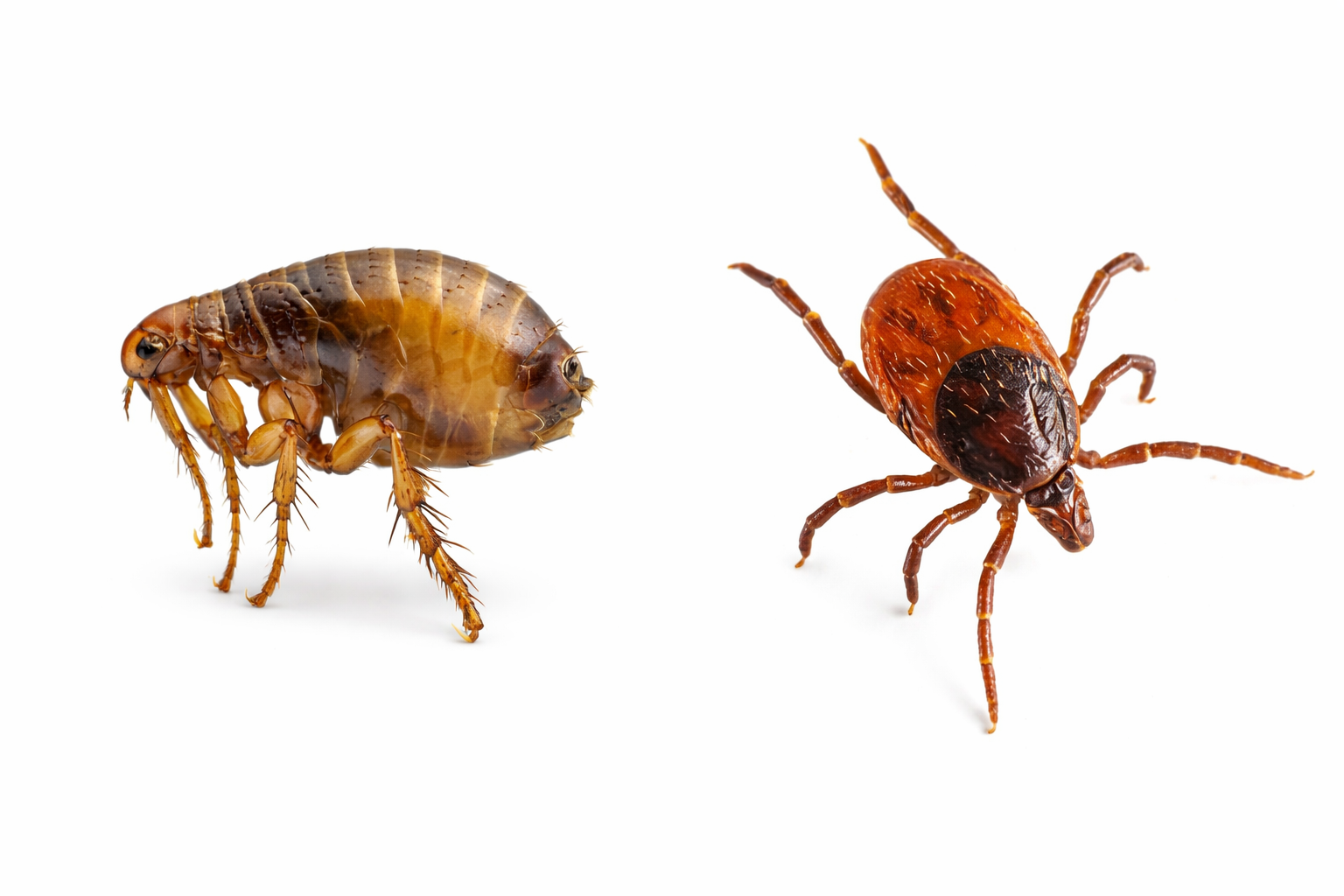
Fleas & Ticks
(Lawn-Based)
Fleas and ticks commonly live and breed in grass and shaded lawn areas. Pets can carry them indoors, creating indoor infestations. These pests pose health risks to both animals and people, making professional lawn treatment especially important for families.
Proper identification is critical, as each lawn insect requires a targeted treatment strategy to effectively eliminate infestations and protect long-term lawn health.
OUR SERVICES
What Our Professional Lawn Insect Control Services Include
Our treatments are designed specifically for turf conditions common throughout South Florida, including sandy soils, high humidity, and year-round insect pressure. Each treatment plan is customized based on the lawn insect species present, the severity of the infestation, and the overall condition of your grass to deliver precise, effective results across Broward and Palm Beach Counties.
Our treatments are designed specifically for turf conditions common throughout South Florida, including sandy soils, high humidity, and year-round insect pressure. Each treatment plan is customized based on the lawn insect species present, the severity of the infestation, and the overall condition of your grass to deliver precise, effective results across Broward County.
Our lawn insect control services include:
Full lawn and property inspection to identify insect activity and damage
Identification of lawn insect species and nesting areas
Targeted treatments based on grass type and pest behavior
Granular or liquid applications as appropriate for the infestation
Treatment of active mounds, soil, and turf root zones
Perimeter protection to reduce reinfestation from surrounding areas
Ongoing maintenance options available for seasonal lawn protection
Our goal is not temporary relief, but long-term lawn insect prevention through strategic treatment, professional monitoring, and consistent follow-up throughout South Florida.
BEFORE YOUR SERVICE
How to Prepare for Lawn Insect Control Treatment
Preparing your lawn for insect control treatment helps ensure the most effective results and allows our technicians to treat affected areas efficiently. A few simple steps before your appointment can improve treatment accuracy, enhance product performance, and help prevent reinfestation. Most lawn treatments require minimal preparation, and our team will guide you through the process if you have any questions before service.
Mow the lawn if recommended
Mow your lawn one to two days before treatment unless instructed otherwise. This helps treatments reach the soil and grass base more effectively and ensures better coverage of affected areas.
Clear lawn clutter and obstacles
Remove toys, pet bowls, outdoor furniture, and debris from the lawn. Clearing the area allows technicians to treat mounds, soil, and turf evenly without obstruction.
Keep pets and people off the lawn
Keep pets and family members indoors during treatment and until the lawn is fully dry. This ensures safety and allows products to settle properly.
Avoid watering before treatment
Do not water your lawn before treatment unless specifically directed. Excess moisture can reduce treatment effectiveness and dilute products before they have time to work.
Delay mowing and watering after treatment
Avoid mowing or watering the lawn for the period recommended by your technician. This allows treatments to absorb into the soil and continue working as intended.
DURING & AFTER SERVICE
What to Expect After Lawn Insect Control Treatment
After lawn insect control treatment, it’s normal to notice continued insect activity for a short period as pests come into contact with treated soil and turf. Some insects may remain visible while treatments take effect below the surface. Most property owners begin seeing noticeable improvement within several days, with lawn health continuing to improve over the following weeks.
Initial Activity May Continue
You may still see insects or surface activity shortly after treatment as pests are disturbed and exposed to treated areas. This is normal and typically decreases within 3–7 days as products begin working.
Noticeable Reduction Within Days
Lawn insect activity usually declines within 5–10 days, depending on the pest type and environmental conditions. Fire ant mounds may collapse, and surface feeding damage often slows during this period.
Root-Level Control Over Time
Subsurface pests such as grubs and mole crickets are eliminated gradually as treatments penetrate the soil. Full control and root recovery typically occur within 2–4 weeks as grass regains strength.
Long-Term Prevention & Protection
Ongoing maintenance and seasonal treatments help prevent reinfestation and protect lawns year-round. In South Florida, consistent service is the most effective way to manage recurring lawn insects.
Our team is always available to answer questions and provide guidance after your lawn insect control treatment to ensure lasting results.
COMMON QUESTIONS ANSWERED
Lawn Insect Control Questions South Florida Property Owners Ask Most
Lawn insect problems are extremely common across South Florida due to our warm climate and year-round growing conditions. Homeowners throughout Broward and Palm Beach Counties often have questions about treatment safety, effectiveness, timelines, and prevention. Below are answers to the most frequently asked lawn insect control questions to help you make a confident, informed decision.
Lawn insect problems are extremely common across South Florida due to our warm climate and year-round growing conditions. Homeowners throughout Broward County, including Fort Lauderdale, Pembroke Pines, Weston, and surrounding communities, often have questions about treatment safety, effectiveness, timelines, and prevention. Below are answers to the most frequently asked lawn insect control questions to help you make a confident, informed decision.
How do I know if I need professional lawn insect control?
If you notice brown or thinning patches, spongy turf, visible mounds, increased pest activity, or grass that pulls up easily from the soil, your lawn may have an insect infestation. Many lawn insects cause damage below the surface before symptoms become obvious. A professional inspection can confirm the pest type and determine the proper treatment approach.
What lawn insects are most common in South Florida?
The most common lawn insects in South Florida include fire ants, chinch bugs, mole crickets, sod webworms, armyworms, grubs, big-headed ants, fleas, and ticks. Each pest behaves differently and requires a targeted treatment strategy to ensure effective control.
How long does lawn insect control take to work?
Results vary depending on the insect type and severity of the infestation. Surface pests such as fire ants may show noticeable reduction within 5–10 days, while subsurface pests like grubs and mole crickets may require 2–4 weeks for full control as treatments penetrate the soil. Lawn recovery may continue gradually as grass regains strength.
Is lawn insect control safe for my family and pets?
Yes. Professional lawn insect treatments are applied according to label guidelines and industry standards. We recommend keeping people and pets off the lawn during application and until the treated areas are completely dry.
Why might I still see insects after treatment?
It is normal to see some continued insect activity for a short period after treatment. As products begin working, insects may come into contact with treated soil or become more visible before populations decline. This activity typically decreases within several days.
Will lawn insect control prevent insects from coming back?
Professional treatment significantly reduces active infestations and helps prevent reinfestation. However, due to South Florida’s climate, lawn insects can reappear over time. Ongoing seasonal maintenance is often recommended for consistent, long-term protection.
Do I need to water my lawn before or after treatment?
In most cases, you should avoid watering before treatment unless instructed otherwise. After treatment, watering recommendations depend on the product used and the pest being treated.
How often should lawn insect control be scheduled in South Florida?
Because lawn insects remain active year-round in South Florida, many homeowners benefit from seasonal or recurring treatments. The recommended frequency depends on pest pressure, lawn condition, and environmental factors.
Can I use store-bought lawn insect products instead of professional treatment?
Over-the-counter products may provide temporary surface relief but often fail to reach subsurface pests or eliminate colonies completely. Misidentification of the insect can also lead to ineffective treatment. Professional lawn insect control ensures accurate identification and targeted application.
How much does professional lawn insect control cost?
Costs vary based on lawn size, insect type, severity of infestation, and whether ongoing service is selected. A professional evaluation allows us to provide a customized estimate tailored to your property’s specific needs.
Still have questions about lawn insect control? Our knowledgeable team is happy to guide you through your options and provide recommendations based on your lawn’s condition. Contact us today to schedule a professional evaluation and protect your South Florida lawn.
WHY PROPERTY OWNERS TRUST US
Why Property Owners Trust Our Professional Lawn Insect Control Services
Property owners across South Florida trust Professional Pestguard for reliable, professional lawn insect control services backed by decades of experience and proven results. Our lawn treatments are designed to eliminate damaging insects at the source while protecting turf health and providing long-term lawn protection for your home and property.
Over 40 years of pest control experience
Trusted
service
helping South Florida property owners with proven lawn insect control strategies.
Licensed and insured technicians
All services are performed by trained professionals who follow industry best practices and safety standards.
Targeted lawn insect treatment methods
We identify the pest species and apply precise solutions designed to eliminate infestations at the soil and root level.
Satisfaction-focused approach
We stand behind our work and focus on long-term lawn health, not temporary surface fixes.
We don’t just treat the lawn insects you see — we address the source and help protect your turf from returning infestations.