COMMERCIAL PEST CONTROL SERVICES
Professional Commercial Rodent Control Services in South Florida
Strategic rodent control solutions for offices, warehouses, healthcare facilities, retail centers, HOAs, and industrial properties across South Florida.
Rodent activity in commercial environments can compromise sanitation standards, damage infrastructure, and disrupt daily operations. Rats and mice contaminate storage areas, chew through wiring and insulation, and create serious liability risks if not addressed quickly.
Our commercial rodent control programs are designed to eliminate active infestations, identify structural vulnerabilities, and implement long-term monitoring systems that prevent recurring activity. We work closely with property managers and facility teams to deliver discreet, compliant, and operationally efficient solutions.
Proudly serving Miami-Dade, Broward, and Palm Beach Counties.
Rodent activity in commercial environments can compromise sanitation standards, damage infrastructure, and disrupt daily operations. Rats and mice contaminate storage areas, chew through wiring and insulation, and create serious liability risks if not addressed quickly.
Our commercial rodent control programs are designed to eliminate active infestations, identify structural vulnerabilities, and implement long-term monitoring systems that prevent recurring activity. We work closely with property managers and facility teams to deliver discreet, compliant, and operationally efficient solutions.
Proudly serving Broward and Miami-Dade Counties.
Licensed & Insured
Professional Commercial Rodent Control
40+ Years
Protecting South Florida Commercial Properties
UNDERSTANDING THE PROBLEM
Why Rodent Problems Are So Common in South Florida Commercial Properties
South Florida’s warm climate, dense development, and year-round food and waste sources create ideal conditions for rodent activity in commercial environments. Unlike colder regions, rats and mice remain active throughout the year, frequently targeting offices, warehouses, retail centers, healthcare facilities, and industrial buildings.
Rodents are drawn to loading docks, storage areas, utility penetrations, rooflines, dumpsters, and structural gaps that provide easy access to shelter and nesting areas. Once inside, they can contaminate inventory, damage wiring and insulation, compromise sanitation standards, and disrupt daily operations. In multi-tenant properties, rodent activity can quickly spread between units if not addressed properly.
Temporary traps may catch individual rodents, but they rarely resolve underlying entry points or population pressure. Without structured monitoring, exclusion strategies, and professional-grade control programs, rodent activity often continues or returns. In South Florida’s high-pressure environment, proactive commercial rodent control is essential to protect property, compliance standards, and business reputation.
COMMON RODENT INFESTATIONS
Types of Rodents We Treat in South Florida Commercial Properties
South Florida’s warm climate, dense urban development, and constant food and waste streams create ongoing rodent pressure for commercial facilities. Different rodent species behave differently within warehouses, offices, storage areas, and multi-tenant buildings, requiring targeted control strategies. Our commercial rodent programs address the most common rats and mice affecting businesses throughout South Florida.
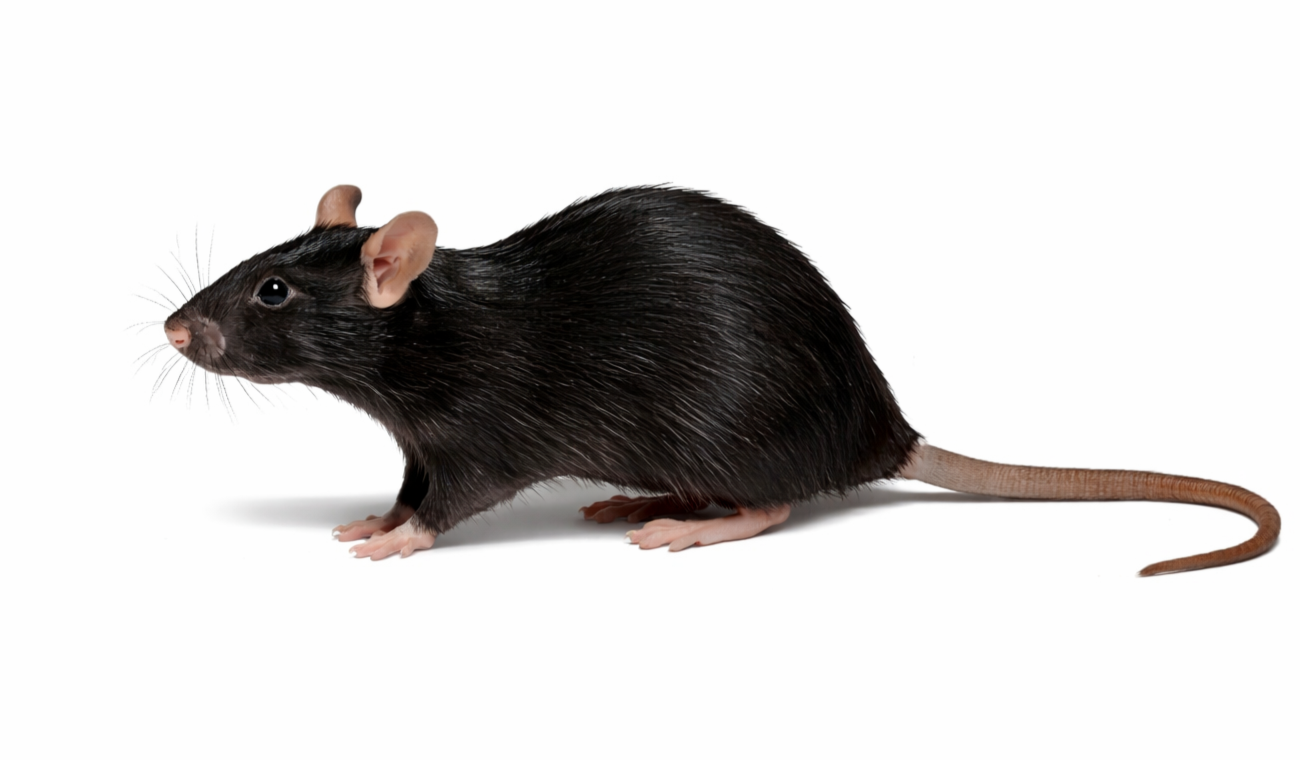
Roof Rats
(Black Rats)
Roof rats are highly adaptable and commonly found in South Florida commercial properties. In commercial settings, they often nest in ceiling voids, rooflines, storage racks, and upper utility areas. They are strong climbers and can travel along beams, pipes, and wiring. Signs of activity may include gnawing damage to packaging, droppings near storage zones, and noise within overhead structures.
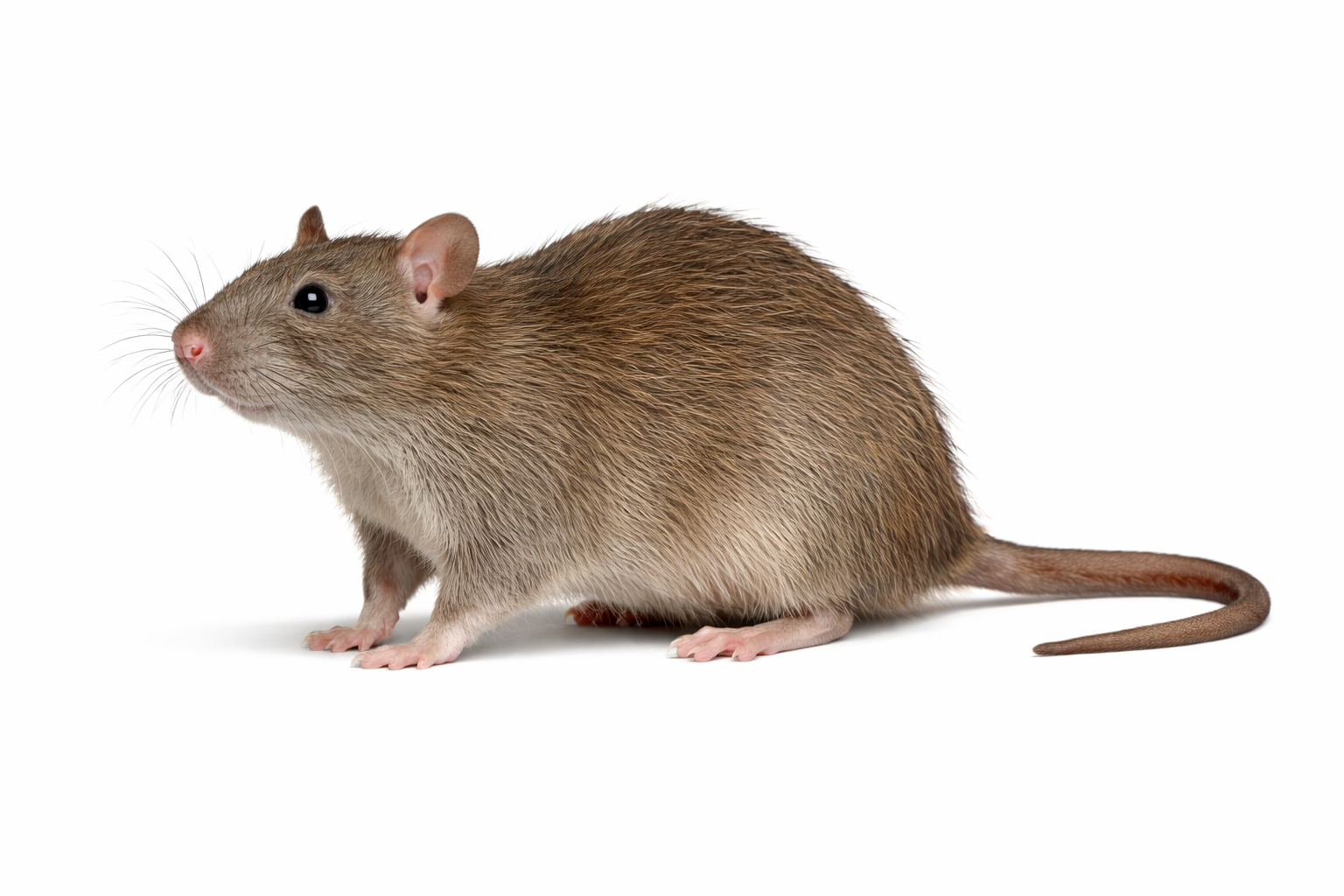
Norway Rats
(Brown Rats)
Larger and heavier than roof rats, Norway rats typically remain at ground level and are frequently found in warehouses, loading docks, mechanical rooms, and around foundations. They are strong burrowers and may create activity near dumpster areas, slab edges, and utility penetrations. Left unmanaged, they can damage infrastructure, contaminate stored goods, and create sanitation concerns.
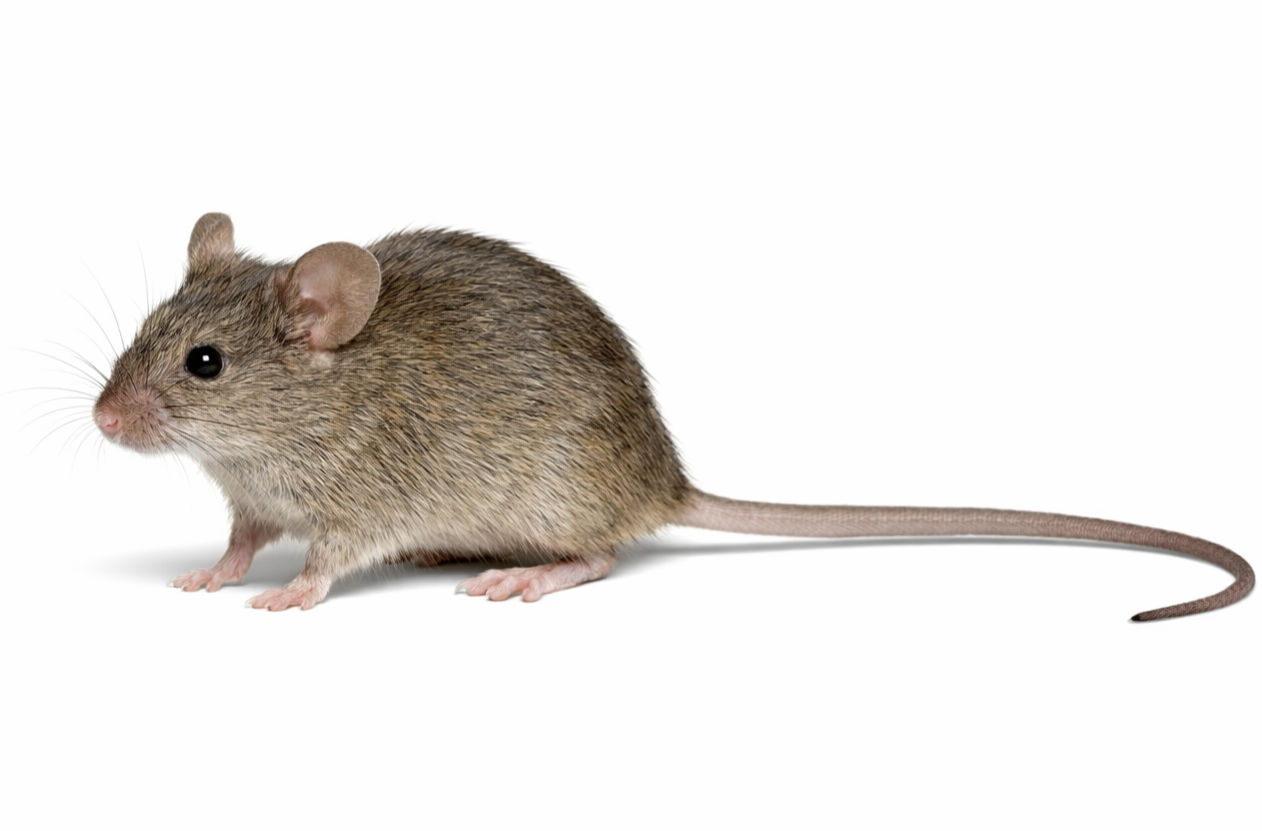
House Mice
Small but highly invasive, house mice are common in offices, retail spaces, and multi-unit commercial properties. They can access facilities through extremely small openings and often nest inside walls, equipment rooms, and storage areas. Because they reproduce quickly, early detection and ongoing monitoring are critical to preventing widespread activity.
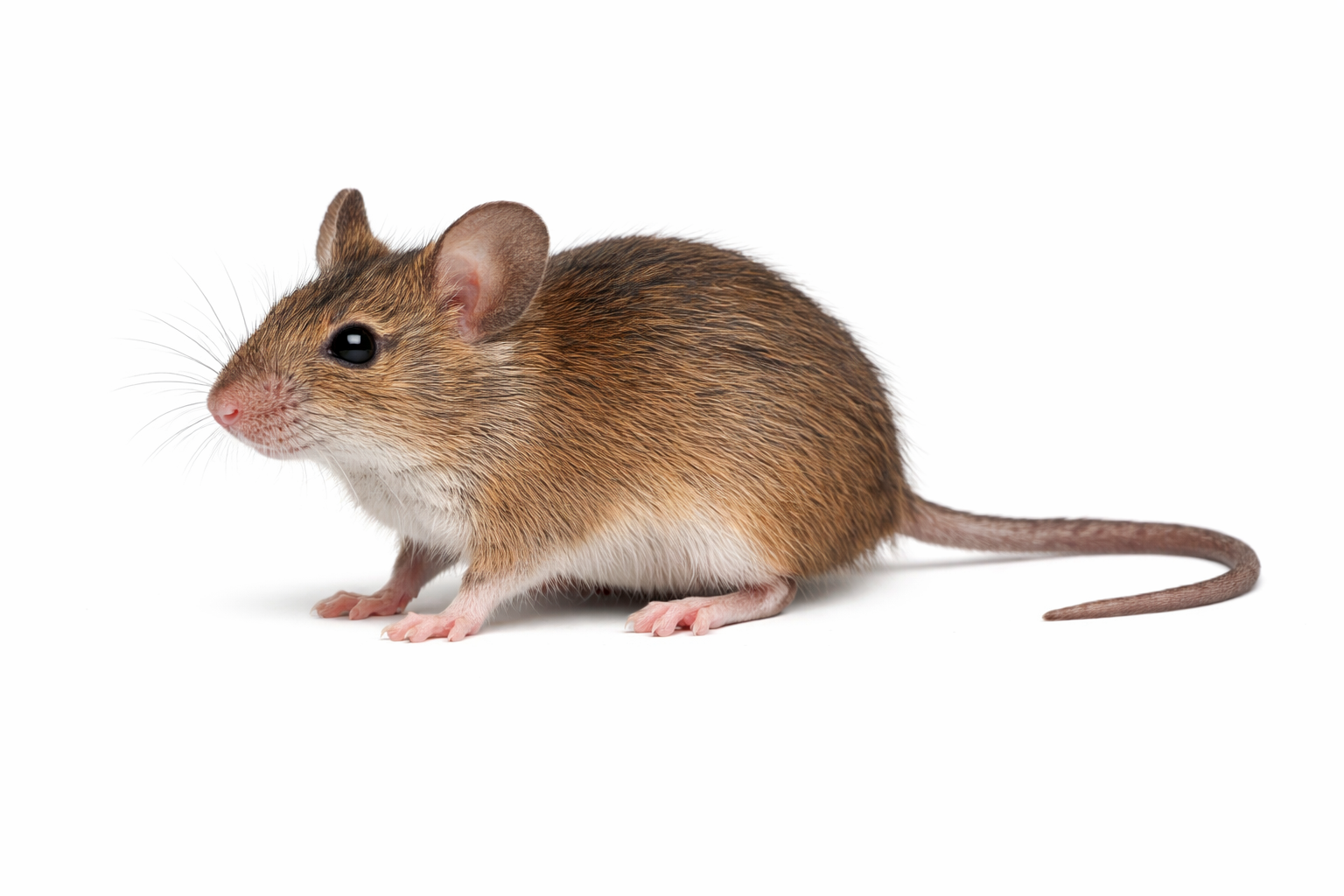
Field Mice
More common around exterior perimeters and landscaped commercial grounds, field mice may enter facilities during heavy rainfall, construction, or seasonal shifts. They are often found near storage yards, loading zones, and utility access points. Their presence can indicate increasing exterior rodent pressure that requires proactive population management.
Because rodent behavior varies by species and facility type, effective commercial rodent control begins with accurate identification and a structured treatment strategy designed to reduce active populations and limit ongoing activity across your property.
OUR SERVICES
What Our Professional Commercial Rodent Control Services Include
Our commercial rodent control programs are built to reduce active populations quickly while maintaining long-term control across your facility. Each plan is customized based on rodent type, activity level, and building layout to deliver precise, effective results.
Our commercial rodent services include:
Detailed facility inspection to identify activity and risk areas
Identification of rodent species and nesting zones
Strategic placement of commercial-grade control devices
Targeted interior treatments for storage, utility, and operational areas
Exterior perimeter control to reduce rodent pressure
Ongoing monitoring and service scheduling
Long-term population management plans
Our goal is rapid population reduction followed by structured monitoring to minimize recurring activity and protect your property, inventory, and operations.
BEFORE YOUR SERVICE
How to Prepare for Commercial Rodent Control Service
Preparing your facility before rodent control service helps our technicians work efficiently and position monitoring and control devices in the most effective locations. A few simple steps prior to your appointment can improve treatment accuracy, reduce operational disruption, and support faster population control. Most commercial properties require minimal preparation, and our team will coordinate with management to ensure a smooth service visit.
Clear Access to High-Risk Areas
Provide access to utility rooms, storage spaces, loading docks, trash enclosures, crawl spaces, and mechanical areas. Removing obstacles allows for proper inspection, device placement, and monitoring setup.
Reduce Accessible Food Sources
Store food products, raw materials, and waste in sealed containers where possible. Clean spills and remove debris from storage, break rooms, and receiving areas to reduce attractants.
Organize Storage & Inventory Areas
Avoid stacking boxes directly against walls when possible. Creating small inspection gaps improves visibility and allows technicians to identify rodent travel paths and nesting activity.
Communicate Access & Scheduling
Inform on-site staff of service times and provide access to restricted areas. Coordinating entry ensures full facility coverage without interrupting operations.
Secure Sensitive Equipment or Inventory
If your facility contains sensitive materials, electronics, or equipment, notify our team in advance. This allows us to adjust placement and service strategy accordingly.
Do Not Disturb Monitoring Devices
After service, do not move or tamper with traps or monitoring stations placed by our technicians. Devices are strategically positioned for effective monitoring and accurate follow-up assessments.
DURING & AFTER SERVICE
What to Expect After Commercial Rodent Control Service
After professional commercial rodent control service, some activity may still be observed initially as control measures begin working. In larger facilities, population reduction happens in phases. With proper monitoring and strategic placement, activity steadily declines over time rather than disappearing overnight.
Continued Activity During Initial Phase
In commercial properties, it is normal to detect rodent movement in the first days or weeks following treatment. As rodents encounter control methods, activity gradually decreases. Early activity does not indicate service failure.
Structured Population Reduction
Commercial rodent control focuses on strategic population reduction and ongoing monitoring. Noticeable improvement typically begins within days, with continued decline as devices and control measures remain active.
Monitoring & Device Performance
Traps, monitoring stations, and control placements remain active after service. These tools allow us to measure rodent pressure, identify hot spots, and adjust placement to improve results across your facility.
Ongoing Management & Follow-Up
Long-term rodent management is critical for commercial properties. Scheduled follow-up visits help maintain control, prevent rebound populations, and ensure activity stays at manageable levels.
Our team is always available to answer questions and provide guidance after your rodent control service to help ensure expectations are clear and progress continues as planned.
COMMON QUESTIONS ANSWERED
Rodent Control Questions South Florida Businesses Ask Most
Rodent activity is a serious concern for commercial properties across South Florida due to our warm climate, dense development, and constant food and waste sources. Rats and mice can impact sanitation standards, damage inventory, disrupt operations, and create liability risks if not addressed quickly. Property managers and facility teams often have questions about timelines, compliance, monitoring, and long-term prevention. Below are answers to the most common commercial rodent control questions to help you make informed decisions.
How do I know if my commercial property needs professional rodent control?
Common warning signs include droppings, gnaw marks, grease trails along walls, scratching noises in ceilings, damaged packaging, and rodent sightings during business hours. Even a single sighting often indicates a larger underlying issue. Early intervention is critical to prevent rapid population growth and operational disruption.
What types of rodents are most common in South Florida commercial buildings?
The most common commercial rodent issues in South Florida involve roof rats, Norway rats, and house mice. Roof rats frequently access upper levels and ceilings, while Norway rats typically nest at ground level near foundations, loading areas, or storage rooms. House mice are small and can enter through very tight openings, often nesting in walls or equipment areas.
How quickly will rodent control reduce activity in my facility?
Initial control measures begin working immediately, but noticeable reduction typically occurs over several days to a few weeks depending on infestation size. Rodent control focuses on population reduction and monitoring rather than instant elimination. Ongoing follow-up ensures long-term control.
Is commercial rodent control safe for employees and tenants?
Yes. Professional rodent control programs are designed with safety in mind. Products and placements are selected based on your facility type and occupancy. Technicians follow strict application protocols to ensure treatments are performed discreetly and responsibly.
Will treatment disrupt business operations?
Commercial rodent control is structured to minimize disruption. Services can often be scheduled outside peak hours, and control measures are strategically placed to avoid interfering with workflow, staff movement, or customer access.
Why might rodent activity continue temporarily after service?
It is normal to observe continued activity at first. Rodents are creatures of habit and may continue traveling established routes before control measures take full effect. Early activity does not indicate treatment failure. Monitoring devices allow technicians to track and adjust as needed.
Can rodent control help protect inventory and equipment?
Yes. Rodents can damage packaging, wiring, insulation, and stored materials. Professional rodent management reduces contamination risk, protects inventory, and helps prevent costly equipment damage caused by gnawing and nesting.
How often should commercial rodent control services be scheduled?
Most commercial properties benefit from ongoing service programs. Frequency depends on property type, size, surrounding environment, and risk level. Regular monitoring and maintenance significantly reduce the likelihood of recurring infestations.
Can monitoring programs prevent recurring infestations?
Ongoing monitoring is one of the most effective ways to reduce recurring rodent pressure. Regular inspections identify activity early, allowing for quick corrective action before populations expand.
How is pricing determined for commercial rodent control?
Pricing depends on property size, structure complexity, infestation level, and service frequency. A professional inspection allows for an accurate assessment and customized program recommendation.
Still have questions about commercial rodent control? Our team at Professional Pestguard works with property managers, facility directors, and business owners across South Florida to develop strategic, long-term rodent management programs. Contact us today to request a commercial assessment.
Why South Florida Businesses Trust Us
Why South Florida Businesses Trust Our Professional Rodent Control Services
Choosing the right commercial rodent control provider is about more than removing visible activity. It’s about partnering with a team that understands commercial environments, operational demands, and the importance of long-term prevention. Our experience, structured process, and commitment to consistency set us apart for South Florida businesses.
Our team brings decades of experience providing commercial rodent control services for offices, warehouses, multifamily properties, healthcare facilities, industrial sites, and professional buildings throughout South Florida. We take a strategic approach focused on accurate rodent identification, locating nesting and travel routes, targeting high-risk areas, and implementing control measures that protect your property without disrupting daily operations.
Every service is tailored to the specific needs of your facility, accounting for building layout, activity patterns, and environmental risk factors. The result is reliable rodent management that supports safety standards, regulatory compliance, and long-term population control year-round..