COMMERCIAL PEST CONTROL SERVICES
Professional Commercial Spider Control Services in South Florida
Strategic commercial spider control solutions for offices, warehouses, healthcare facilities, retail centers, HOAs, and industrial properties across South Florida.
Spider activity in commercial environments can affect sanitation standards, customer perception, and overall property presentation. Web buildup around entryways, ceilings, signage, storage areas, and exterior lighting can quickly become a recurring issue if not addressed properly.
Our commercial spider control programs are designed to eliminate active spider populations, reduce web formation, and implement long-term prevention strategies. We work closely with property managers and facility teams to deliver discreet, compliant, and operationally efficient solutions.
Proudly serving Miami-Dade, Broward, and Palm Beach Counties.
Spider activity in commercial environments can affect sanitation standards, customer perception, and overall property presentation. Web buildup around entryways, ceilings, signage, storage areas, and exterior lighting can quickly become a recurring issue if not addressed properly.
Our commercial spider control programs are designed to eliminate active spider populations, reduce web formation, and implement long-term prevention strategies. We work closely with property managers and facility teams to deliver discreet, compliant, and operationally efficient solutions.
Proudly serving Broward and Miami-Dade Counties.
Licensed & Insured
Professional Commercial Spider Control
40+ Years
Protecting South Florida Commercial Properties
UNDERSTANDING THE PROBLEM
Why Spider Problems Are So Common in South Florida Commercial Properties
South Florida’s warm climate, high humidity, and year-round insect activity create ideal conditions for spider populations in commercial environments. Unlike colder regions, spiders remain active throughout the year, frequently establishing webs around entryways, loading docks, lighting fixtures, storage areas, and exterior perimeters of offices, warehouses, retail centers, healthcare facilities, and industrial buildings.
Spiders are often drawn to commercial properties because of consistent lighting, landscaping, structural gaps, and the presence of other insects that serve as a food source. Web buildup near entrances, signage, ceilings, and product displays can negatively impact customer perception and overall property presentation. In multi-tenant facilities, spider activity can quickly spread across shared exterior and structural areas if not addressed.
Temporary cleaning or basic surface treatments may remove visible webs, but they rarely resolve recurring activity. Without structured monitoring and professional-grade control programs, spider populations often return. In South Florida’s high-pressure environment, proactive commercial spider control is essential to maintain a clean appearance, protect your brand image, and support long-term property management standards.
COMMON SPIDER INFESTATIONS
Types of Spiders We Treat in South Florida Commercial Properties
South Florida’s warm climate and constant insect activity create ongoing spider pressure for commercial facilities year-round. In warehouses, offices, healthcare facilities, retail centers, industrial buildings, and multi-tenant properties, spiders are often attracted to lighting, landscaping, structural gaps, and interior storage areas. Our commercial spider control programs target the most common species affecting businesses throughout South Florida with structured, long-term management strategies.
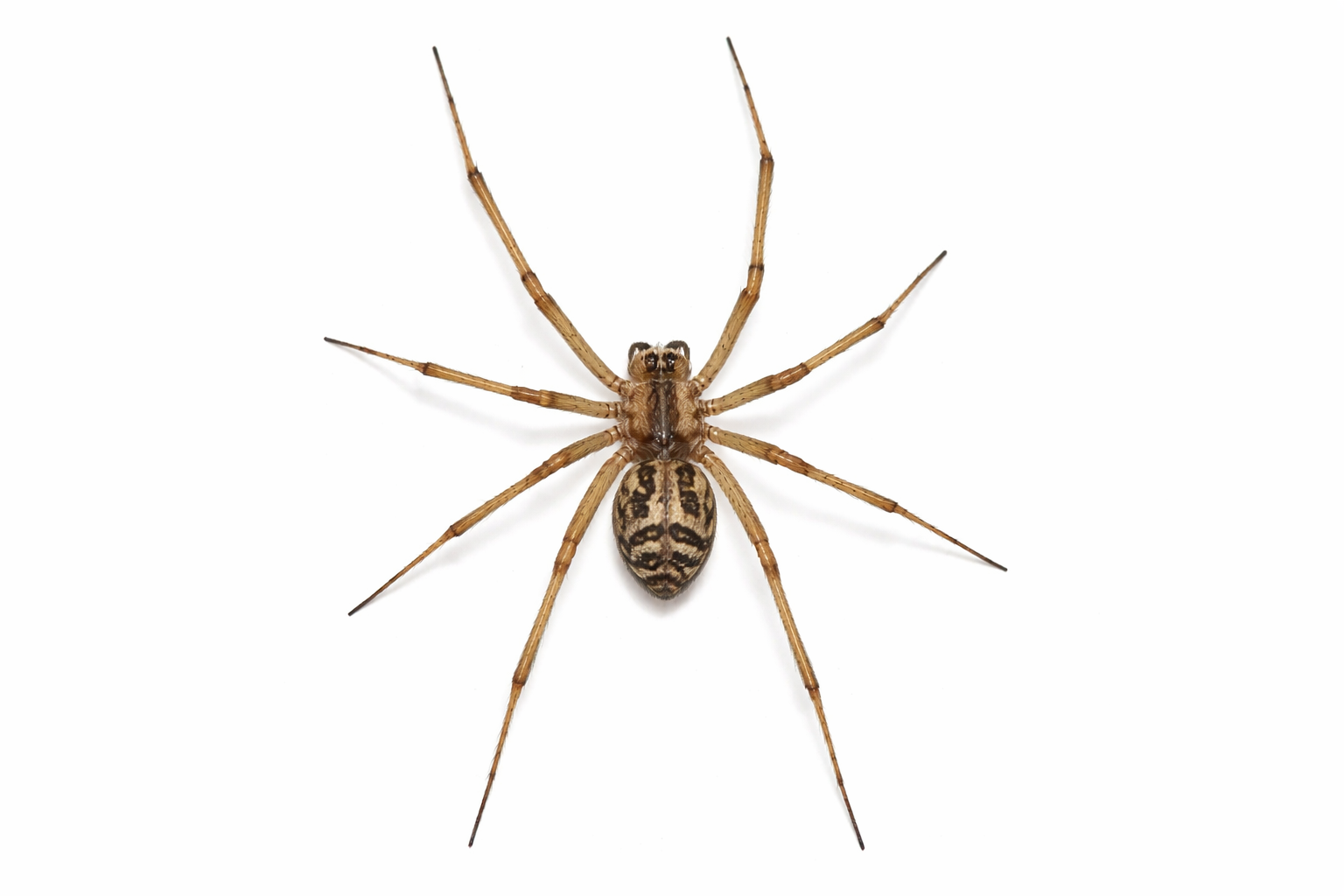
American House Spider
Common in commercial buildings, American house spiders build webs in ceiling corners, storage rooms, stairwells, loading docks, and utility spaces. While generally not aggressive, excessive web buildup can impact cleanliness standards and professional appearance. Ongoing monitoring and treatment help reduce recurring web activity in operational areas.
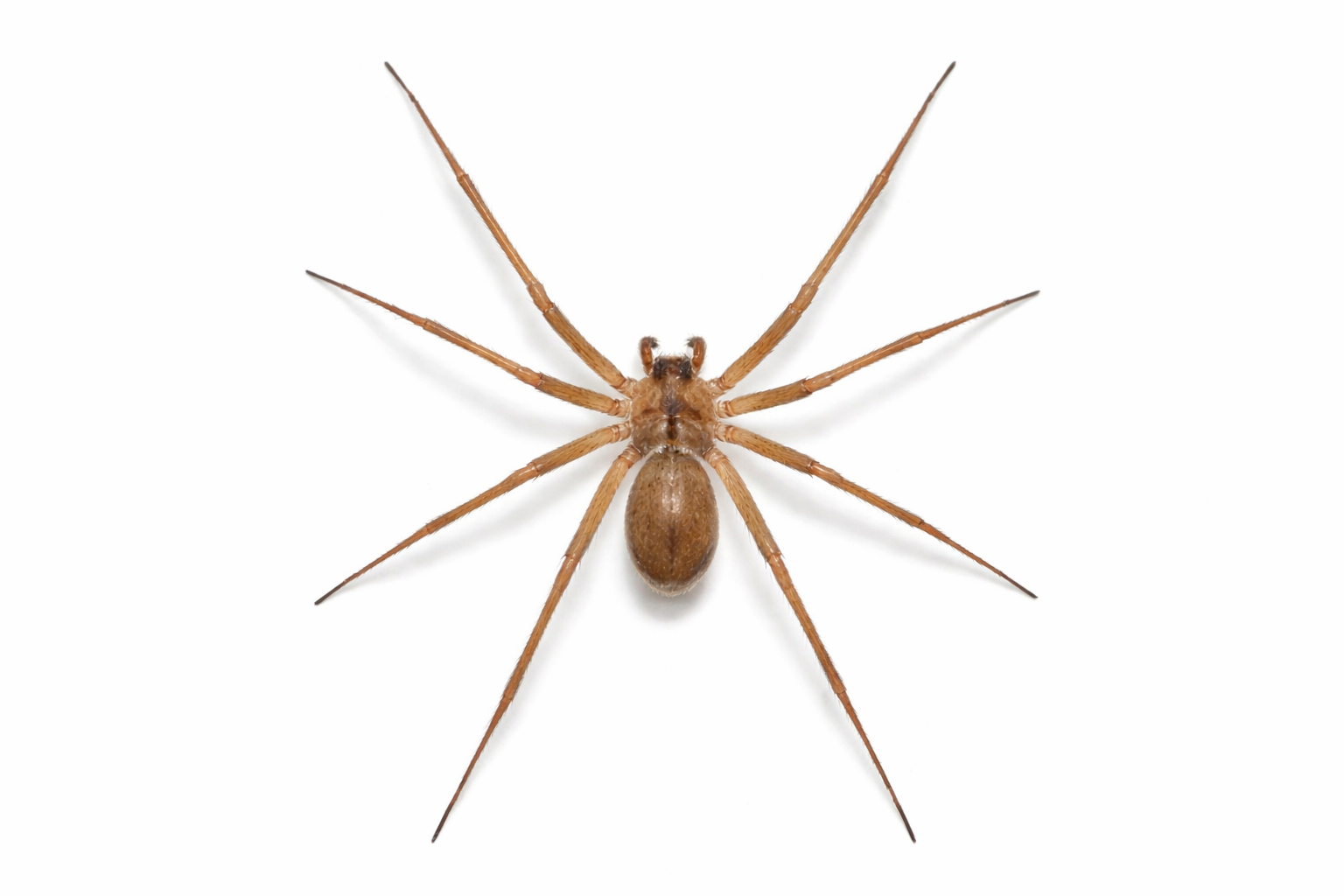
Brown Recluse Spiders
Although less common in South Florida, brown recluse spiders may be found in storage facilities, warehouses, mechanical rooms, and low-traffic areas. Because their bites can pose medical concerns, early identification and targeted control are critical in commercial environments to reduce risk and liability.
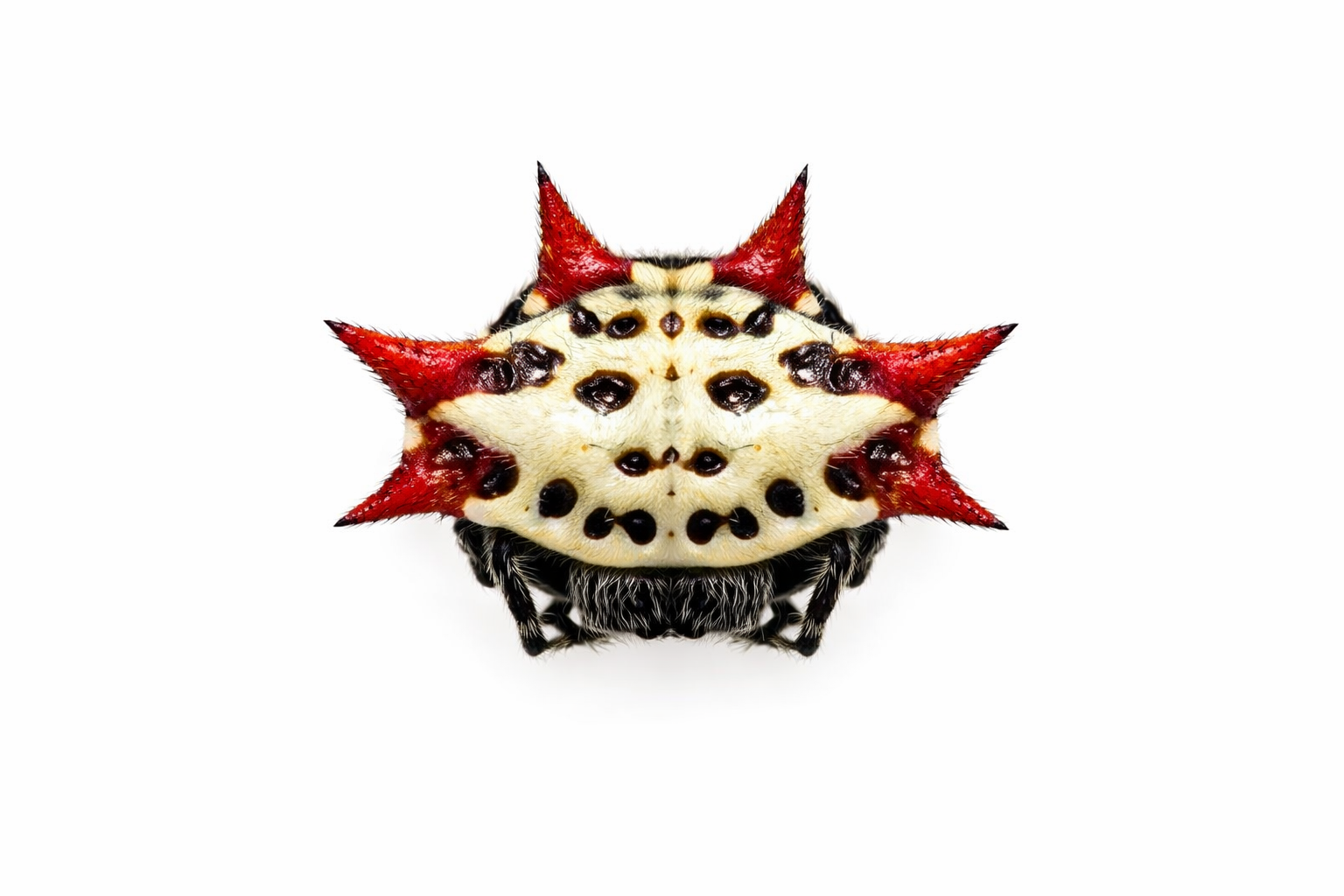
Crab Spiders
Often found around exterior landscaping and entryways, crab spiders do not build traditional webs but ambush insects near signage, lighting fixtures, and ornamental plants. In commercial properties, they can contribute to visible spider presence near entrances and customer-facing areas.
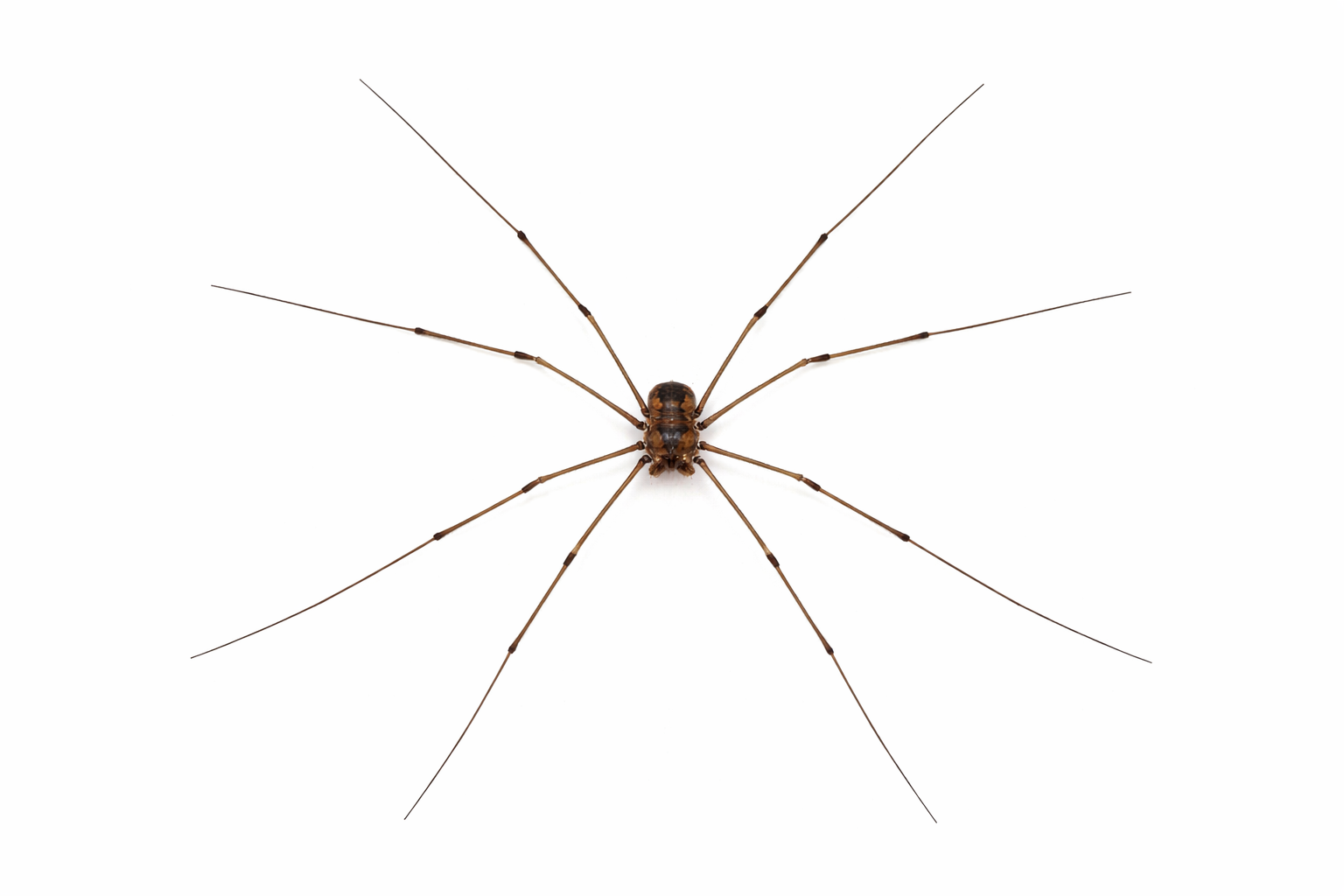
Daddy Longlegs
Frequently found in basements, storage areas, parking garages, and mechanical rooms, cellar spiders build loose, irregular webs in undisturbed spaces. While harmless, excessive web accumulation in commercial properties can affect cleanliness perception and require structured removal and monitoring.
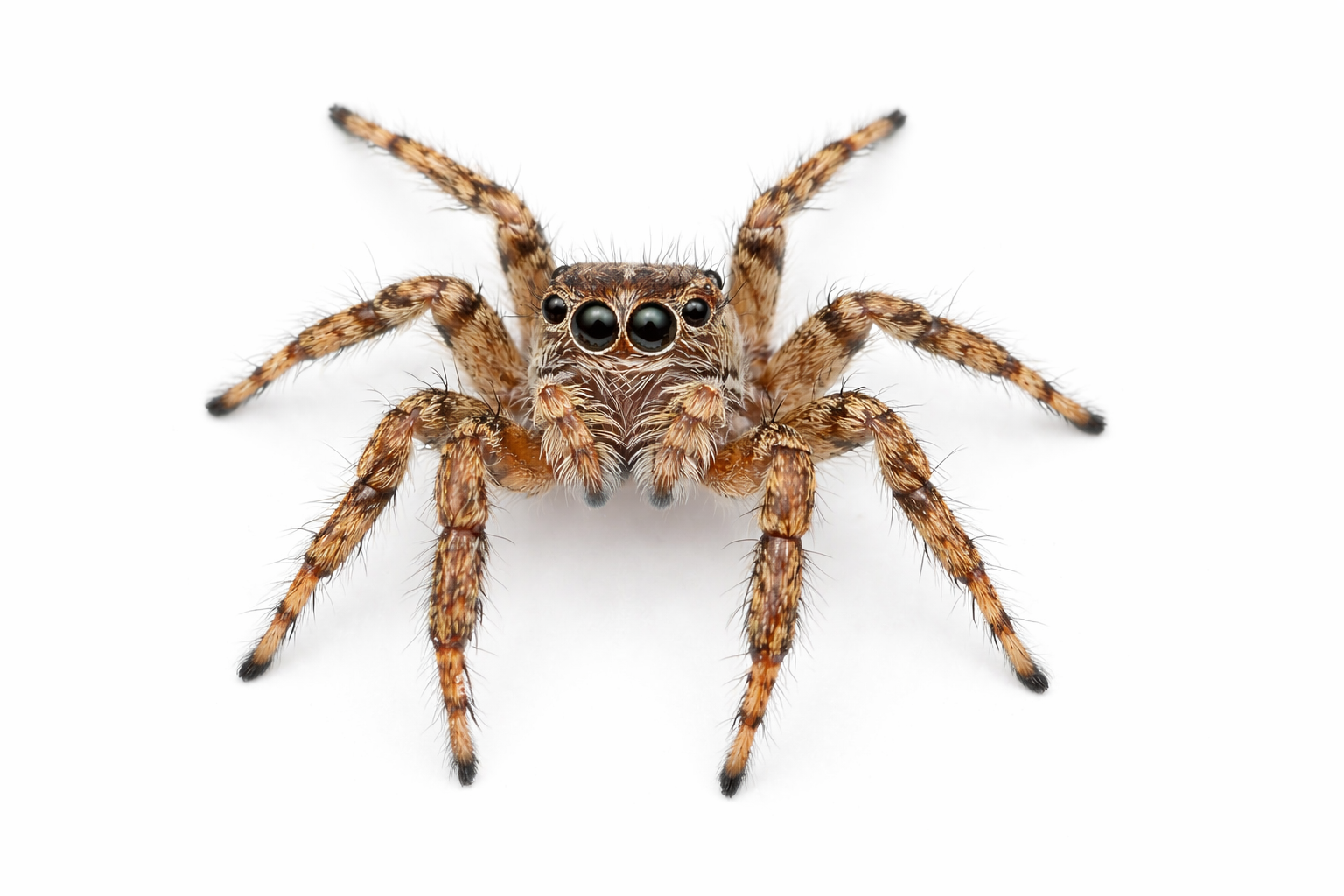
Jumping Spiders
Jumping spiders are active hunters often seen near windows, loading areas, offices, and exterior walls. Their quick movement can cause concern among staff and visitors. Professional treatment focuses on reducing insect food sources and entry points to limit ongoing activity.
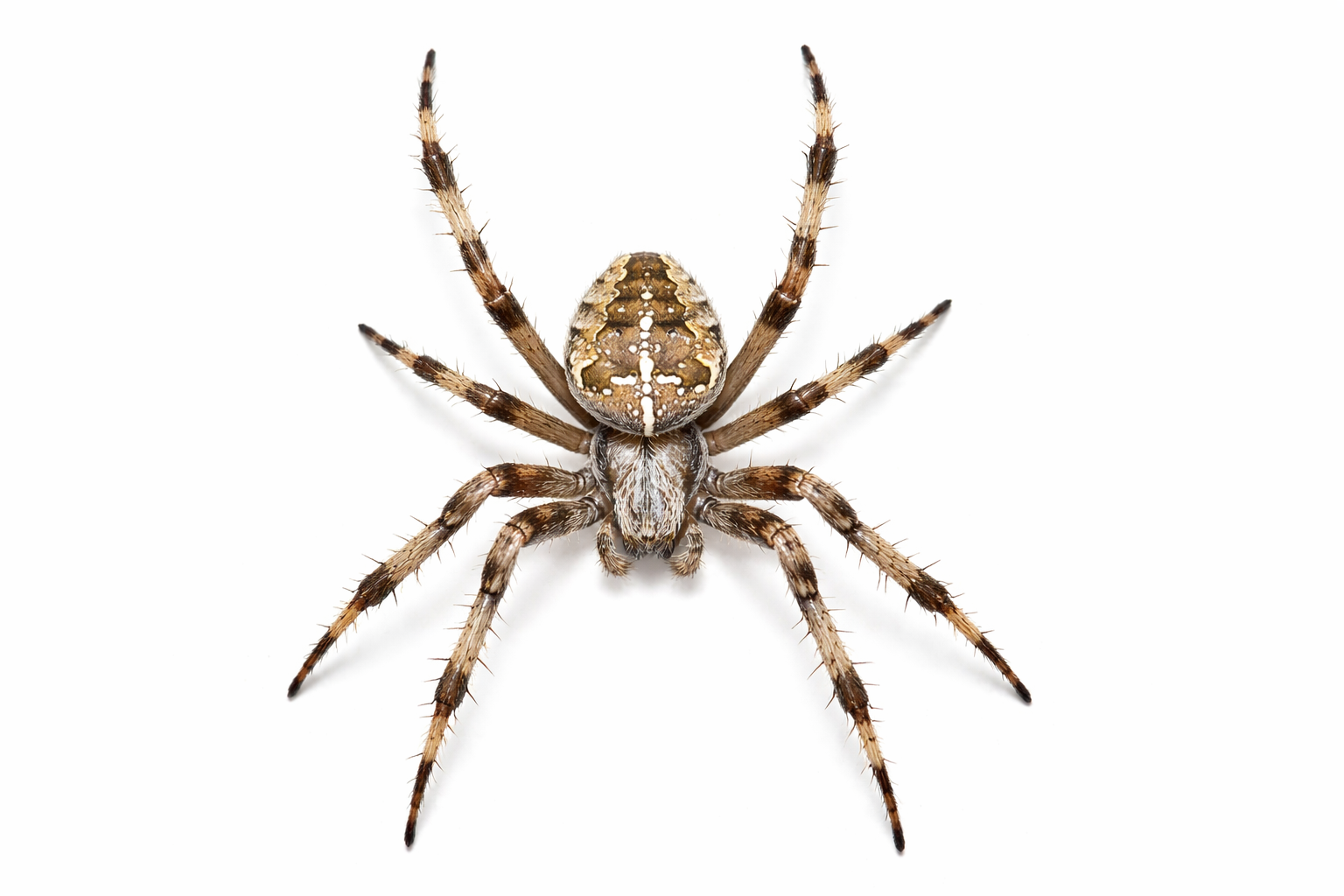
Orb-Weaver Spiders
Common around exterior lighting, landscaped perimeters, and building facades, orb-weavers create large, visible webs that can quickly accumulate around entrances and walkways. While not aggressive, their webs can negatively impact property presentation and customer experience if not routinely managed.
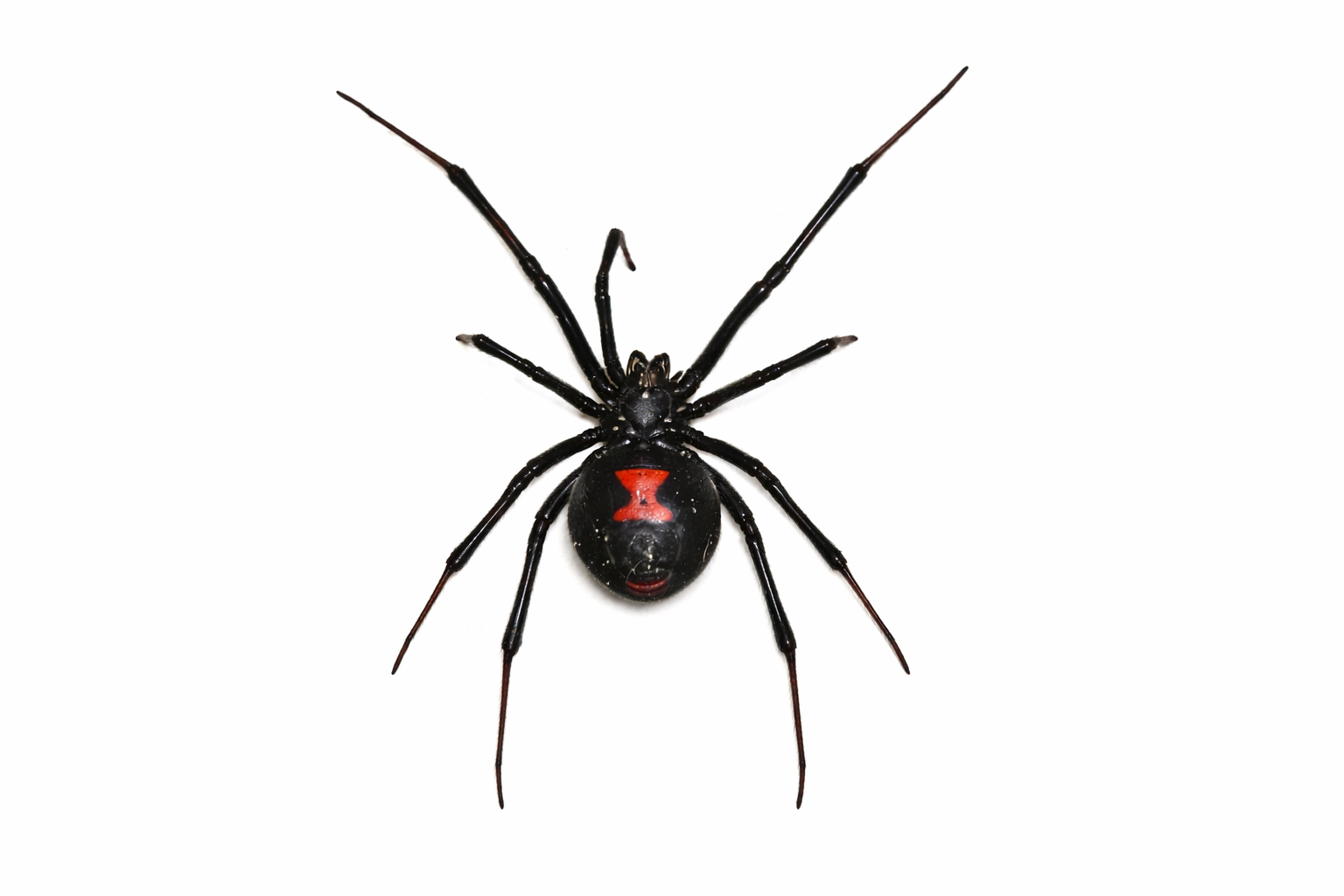
Widow Spiders
(Black & Brown Widows)
Widow spiders prefer secluded areas such as storage rooms, equipment sheds, utility closets, and exterior structural voids. Because their venom can pose health risks, immediate identification and targeted commercial control are essential to maintain workplace safety standards.
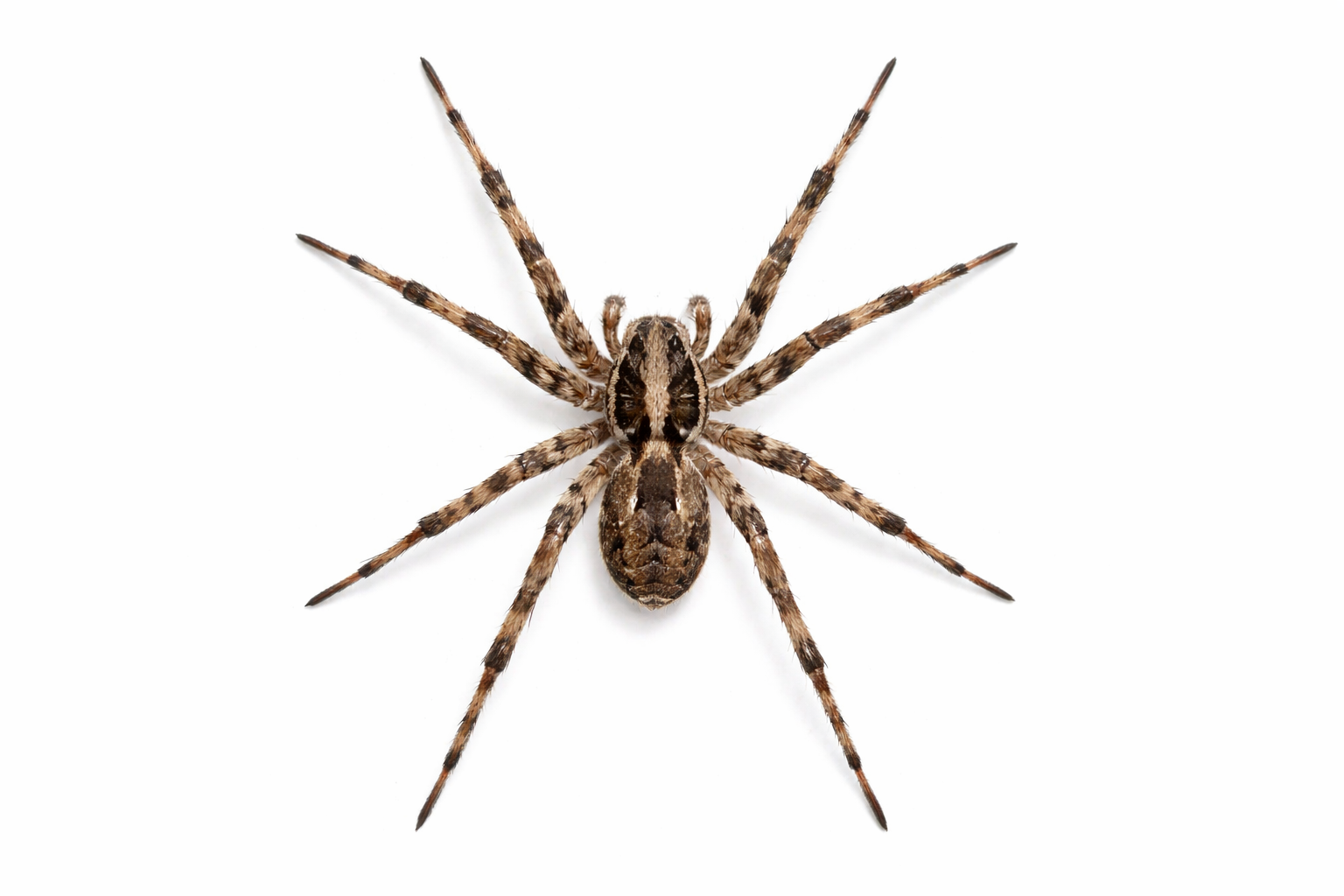
Wolf Spiders
Wolf spiders are ground-dwelling hunters commonly found in warehouses, garages, loading docks, and exterior perimeter areas. They do not build webs but may enter facilities through structural gaps. Their presence often indicates underlying insect activity that requires proactive management.
Because spider activity varies by species and facility type, effective commercial spider control begins with accurate identification and a structured treatment strategy. Our programs focus on reducing active spider populations, eliminating conducive conditions, and implementing ongoing monitoring to maintain a clean, professional environment across your property.
OUR SERVICES
What Our Professional Commercial Spider Control Services Include
Our commercial spider control programs are designed to reduce visible spider activity quickly while maintaining long-term control across your facility. Each plan is customized based on spider species, web patterns, structural conditions, lighting, and building layout to deliver precise, effective results.
Our commercial spider control services include:
Detailed facility inspection to identify web zones and conducive conditions
Identification of spider species and nesting locations
Strategic placement of commercial-grade treatment materials
Targeted interior treatments for storage, utility, and operational areas
Exterior perimeter treatments around entry points and lighting
Ongoing monitoring and scheduled service to prevent recurrence
Our goal is rapid reduction of active spider presence followed by structured monitoring to minimize recurring activity and protect your property’s cleanliness, safety standards, and professional image.
BEFORE YOUR SERVICE
How to Prepare for Commercial Spider Control Service
Preparing your facility before spider control service helps our technicians identify web activity, nesting zones, and entry points more efficiently. A few simple steps prior to your appointment can improve treatment accuracy, reduce disruption, and support longer-lasting results. Most commercial properties require minimal preparation, and our team will coordinate with management to ensure a smooth service visit.
Clear Access to Corners, Ceilings & Storage Areas
Provide access to upper corners, ceiling lines, storage racks, mechanical rooms, and exterior entry points. Removing obstacles allows for proper web removal, inspection, and targeted treatment placement.
Reduce Insect Attractants & Lighting Issues
Spiders feed on insects. Reducing excess exterior lighting, sealing gaps around doors and windows, and maintaining sanitation can lower the insect activity that attracts spiders in the first place.
Organize Storage & Remove Visible Webbing
Avoid stacking boxes tightly against walls when possible. Creating small inspection gaps improves visibility and allows technicians to identify spider harborages and web concentration zones.
Communicate Access & Scheduling
Inform on-site staff of service times and provide access to restricted areas such as utility closets, stairwells, and storage areas. Coordinating entry ensures full facility coverage without disrupting operations.
Secure Sensitive Equipment or Inventory
If your facility contains sensitive electronics, production equipment, or high-value inventory, notify our team in advance. This allows us to adjust application methods and service strategy accordingly.
Avoid Disturbing Treated Areas
After service, avoid removing webs in treated zones immediately or altering treated surfaces without consulting our team. Allowing materials to remain undisturbed improves long-term effectiveness and follow-up monitoring accuracy.
DURING & AFTER SERVICE
What to Expect After Commercial Spider Control Service
After professional commercial spider control service, some web activity may still be visible initially as treatments begin working. In larger facilities, reduction happens in phases. With proper monitoring, web removal, and strategic treatment placement, spider activity steadily declines over time rather than disappearing overnight.
Continued Web Activity During Initial Phase
In commercial properties, it is normal to see some spider webs or movement in the first days following treatment. As spiders contact treated areas and insect populations decline, activity gradually decreases. Early web presence does not indicate service failure.
Structured Population Reduction
Commercial spider control focuses on reducing both spider presence and the insect populations that support them. Noticeable improvement typically begins within days, with continued decline as residual treatments remain active and harborages are addressed.
Monitoring & Targeted Adjustments
Monitoring allows us to evaluate high-activity zones such as ceiling lines, storage racks, exterior entry points, and lighting areas. Adjustments are made as needed to improve long-term effectiveness across your facility.
Ongoing Management & Follow-Up
Long-term spider management is critical for commercial properties in South Florida. Scheduled follow-up visits help maintain control, prevent reinfestation, and ensure web activity remains minimal and manageable year-round.
Our team remains available to answer questions and provide guidance after your spider control service to ensure expectations are clear and protection continues as planned.
COMMON QUESTIONS ANSWERED
Commercial Spider Control Questions South Florida Businesses Ask Most
Spider activity is common in South Florida commercial properties due to our warm climate, high humidity, exterior lighting, and year-round insect populations. In offices, warehouses, healthcare facilities, retail centers, and industrial buildings, spiders can affect appearance standards, tenant satisfaction, and brand reputation. Below are answers to the most frequently searched commercial spider control questions to help property managers and facility teams make informed decisions.
How do I know if my commercial property needs professional spider control?
If you are seeing webs in corners, ceilings, stairwells, entryways, loading docks, or exterior lighting areas on a recurring basis, professional spider control is recommended. Frequent web removal, visible spider movement, or tenant complaints are strong indicators that a structured treatment program is needed rather than spot cleaning.
What types of spiders are common in South Florida commercial buildings?
The most common commercial spider species in South Florida include American house spiders, wolf spiders, jumping spiders, orb-weavers, and widow spiders. Some species are primarily nuisance pests, while others pose safety concerns in storage areas, utility rooms, and exterior perimeter zones.
Why are spiders common around commercial buildings in South Florida?
Spiders are drawn to commercial properties because of lighting, landscaping, exterior walls, and the presence of other insects. Warehouses, retail centers, office buildings, and medical facilities often provide ideal harborage areas such as utility penetrations, rooflines, loading docks, and undisturbed storage areas.
How quickly does commercial spider control work?
Initial reductions in web activity are often noticeable within days. However, spider control is a process that focuses on reducing active populations and eliminating conducive conditions. Ongoing monitoring and exterior perimeter treatments help prevent recurring web buildup over time.
Is commercial spider control safe for employees and tenants?
Yes. Our commercial spider control programs use targeted application methods and professional-grade materials applied according to industry safety standards. Treatments are designed to minimize disruption while maintaining compliance with facility requirements.
Will spider control disrupt business operations?
In most cases, commercial spider control can be performed with minimal disruption. Our technicians coordinate scheduling with facility management and focus on targeted interior and exterior areas to avoid interrupting daily operations.
Why do webs return even after cleaning?
Cleaning webs removes visible signs but does not address harborages or attractant conditions. Without targeted treatment and exterior control, spiders will rebuild webs in the same areas. A structured program focuses on both removal and prevention.
Can spider control help improve facility appearance and compliance?
Yes. Regular spider management helps maintain a clean, professional appearance around entryways, signage, loading docks, and exterior lighting. For regulated industries, reducing visible pest activity supports sanitation standards and inspection readiness.
How often should commercial spider control services be scheduled?
Service frequency depends on facility type, exterior lighting, landscaping, and surrounding pest pressure. Many commercial properties benefit from monthly or bi-monthly service to maintain consistent control and prevent recurring web buildup.
How is pricing determined for commercial spider control?
Pricing is based on facility size, layout, number of buildings, interior and exterior treatment zones, and required service frequency. We provide customized commercial assessments to ensure your program is aligned with your operational needs.
Still have questions about commercial spider control? Our team at Professional Pestguard partners with property managers, facility directors, and business owners throughout South Florida to deliver strategic, long-term spider management programs. Contact us today to schedule a commercial spider control assessment.
Why South Florida Businesses Trust Us
Why South Florida Businesses Trust Our Professional Commercial Spider Control Services
Choosing the right commercial spider control company is about more than removing visible webs. It’s about partnering with a licensed commercial spider exterminator that understands facility compliance, tenant expectations, and long-term pest prevention. Our structured spider management programs are designed specifically for offices, warehouses, retail centers, healthcare facilities, industrial buildings, and multi-tenant commercial properties across South Florida.
Our team brings decades of experience delivering commercial spider extermination and prevention services for high-traffic business environments. We take a strategic approach focused on identifying spider harborage areas, treating exterior perimeters, reducing insect food sources, and eliminating recurring web buildup around entryways, loading docks, rooflines, and utility penetrations. Whether addressing nuisance webbing or higher-risk species such as black widows, our treatments are targeted and compliant.
Every commercial spider control program is customized to your facility’s layout, lighting conditions, landscaping, and operational demands. The result is reliable spider control that improves building appearance, supports sanitation standards, reduces liability concerns, and prevents recurring infestations year-round throughout South Florida.