Professional Lawn Disease Control Services in Weston, FL
Lawn diseases are a common problem for property owners in Weston due to South Florida’s warm temperatures, high humidity, and extended growing season. Fungal infections such as brown patch, dollar spot, leaf spot, and rust can spread quickly, weakening turf, discoloring grass, and damaging root systems if left untreated.
Professional Pestguard provides targeted lawn disease control in Weston designed to diagnose active infections, stop disease spread, and restore turf health. Our treatments are customized for the environmental conditions common throughout South Florida properties.
Licensed & Insured
South Florida Lawn Disease Specialists
40+ Years
South Florida Lawn Disease Specialists
UNDERSTANDING THE PROBLEM
Why Lawn Diseases Are So Common in Weston, FL
Weston lawns grow year-round in South Florida’s humid climate, creating ideal conditions for fungal diseases to develop and spread. Frequent rainfall, irrigation systems, and dense turf can trap moisture near the soil surface, increasing the risk of infection.
Common grass types such as St. Augustine are especially vulnerable when excess moisture, poor drainage, or nutrient imbalances occur. Without early detection and treatment, lawn diseases can spread rapidly and cause thinning, patchy, or discolored turf.
Professional lawn disease control identifies the specific fungal issue present and applies targeted treatments designed to stop progression and support healthy recovery.
COMMON LAWN DISEASES
Types of Lawn Diseases We Treat in Weston
The following lawn diseases are commonly found in residential and managed properties throughout Weston. Each fungal condition behaves differently and requires a specific treatment approach to ensure effective control and long-term turf recovery.
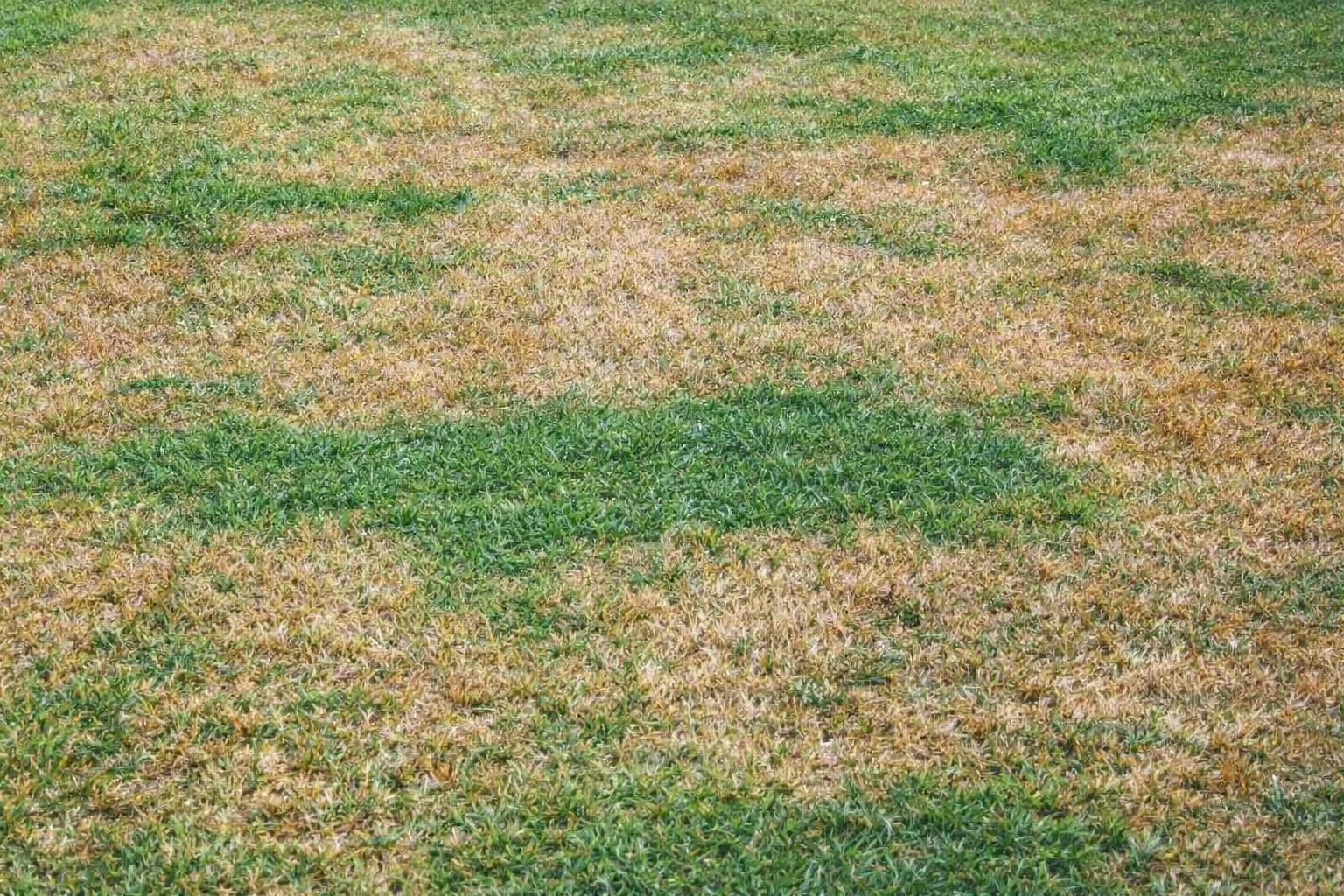
Brown Patch
Brown patch is a common fungal disease that appears as circular brown or yellow areas in St. Augustine and other warm-season grasses. It thrives during cooler, damp conditions and can expand quickly if untreated. Early intervention helps prevent thinning turf and long-term lawn damage.
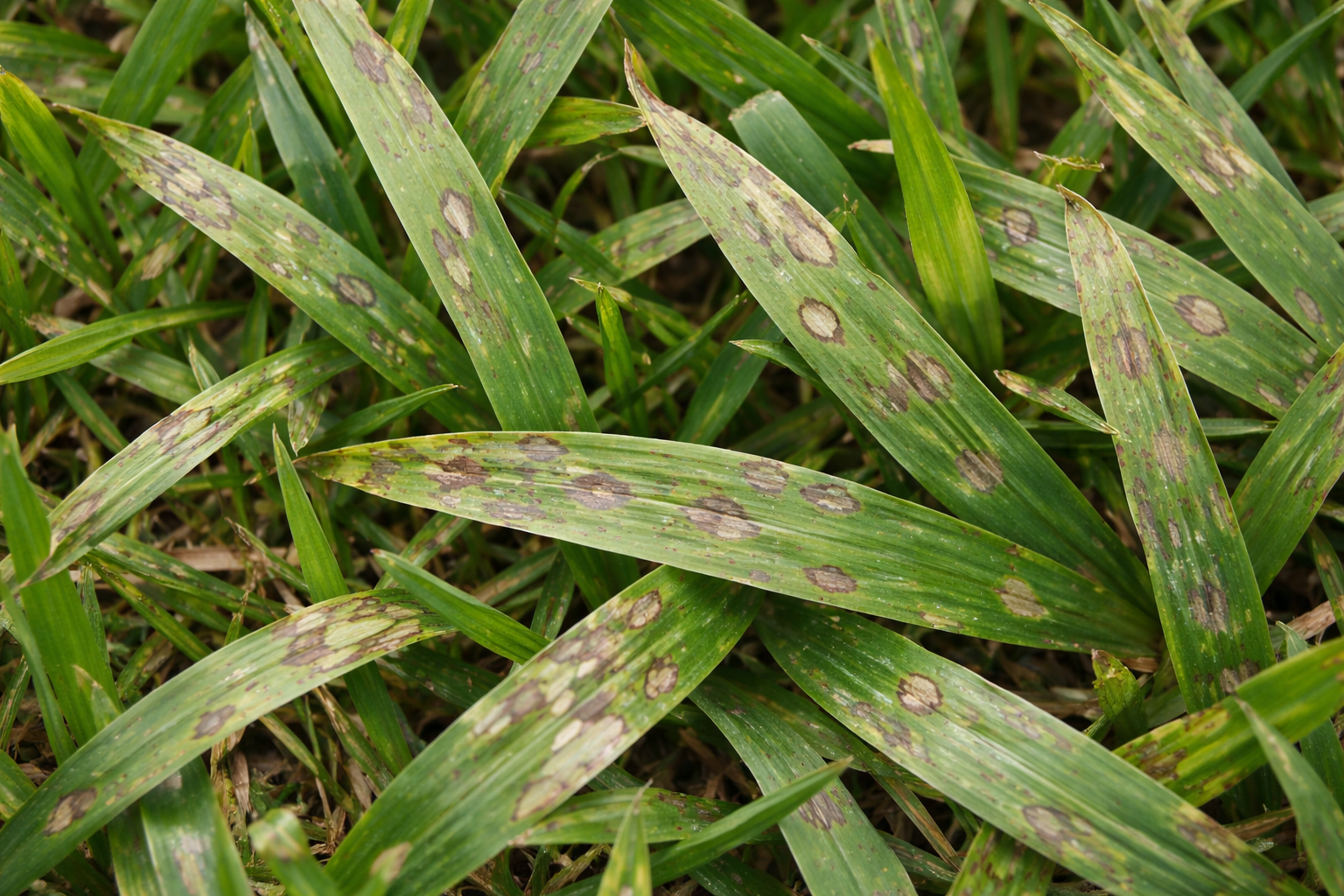
Gray Leaf Spot
Gray leaf spot develops during hot, rainy months and appears as small gray or brown lesions on grass blades. It spreads rapidly in humid conditions and can weaken turf density. Targeted fungicide applications help stop active infections and reduce further spread.
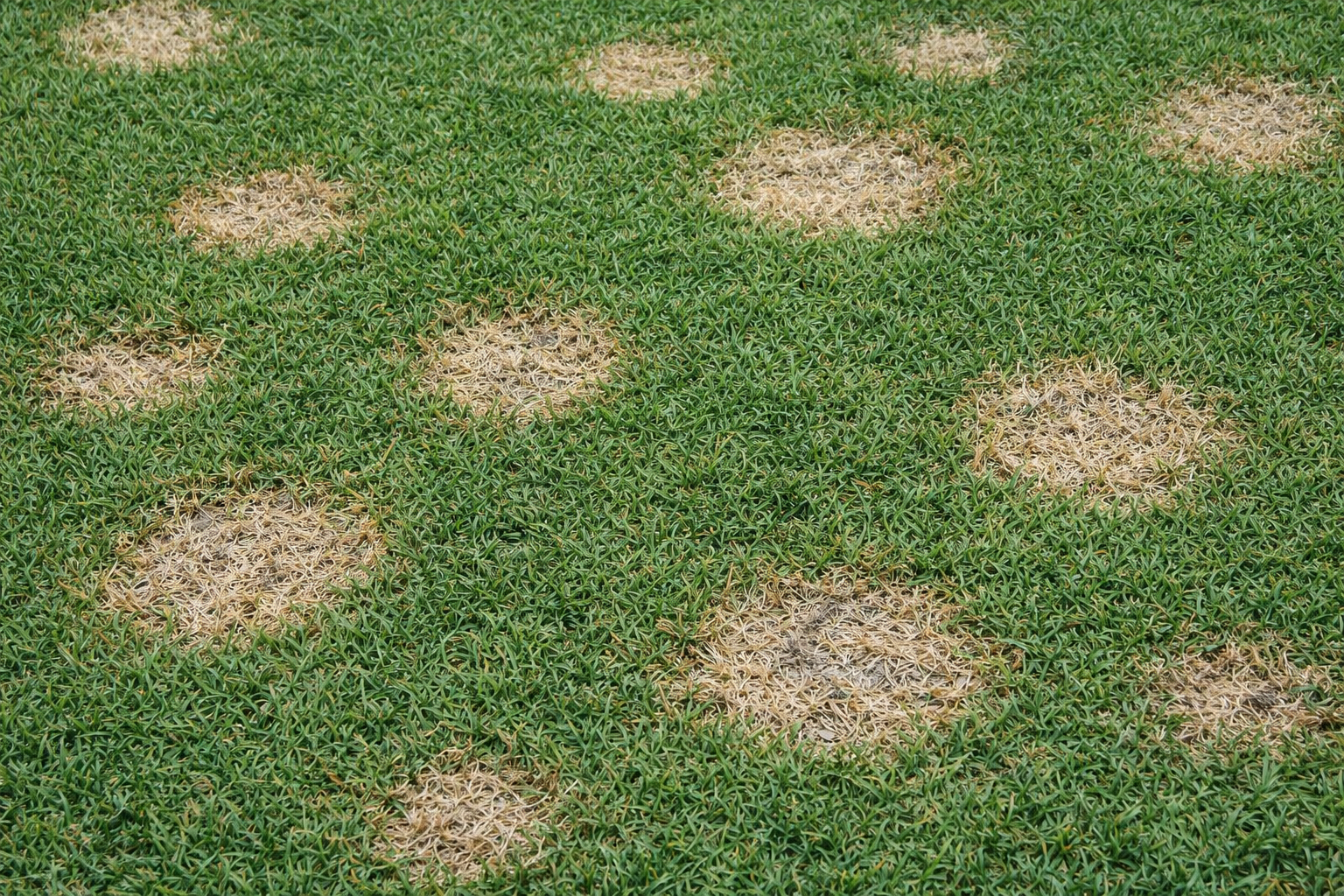
Dollar Spot
Dollar spot forms small, silver-dollar sized patches of discolored turf, often in Bermuda and Zoysia lawns. It commonly develops when grass is stressed or lacking nutrients. Proper treatment restores uniform color and helps prevent recurring outbreaks.

Rust Disease
Rust disease causes grass blades to develop a yellow or orange powdery coating, giving lawns a thin and faded appearance. It often appears when turf is stressed by weather or soil conditions. Professional treatments improve lawn strength and overall recovery.
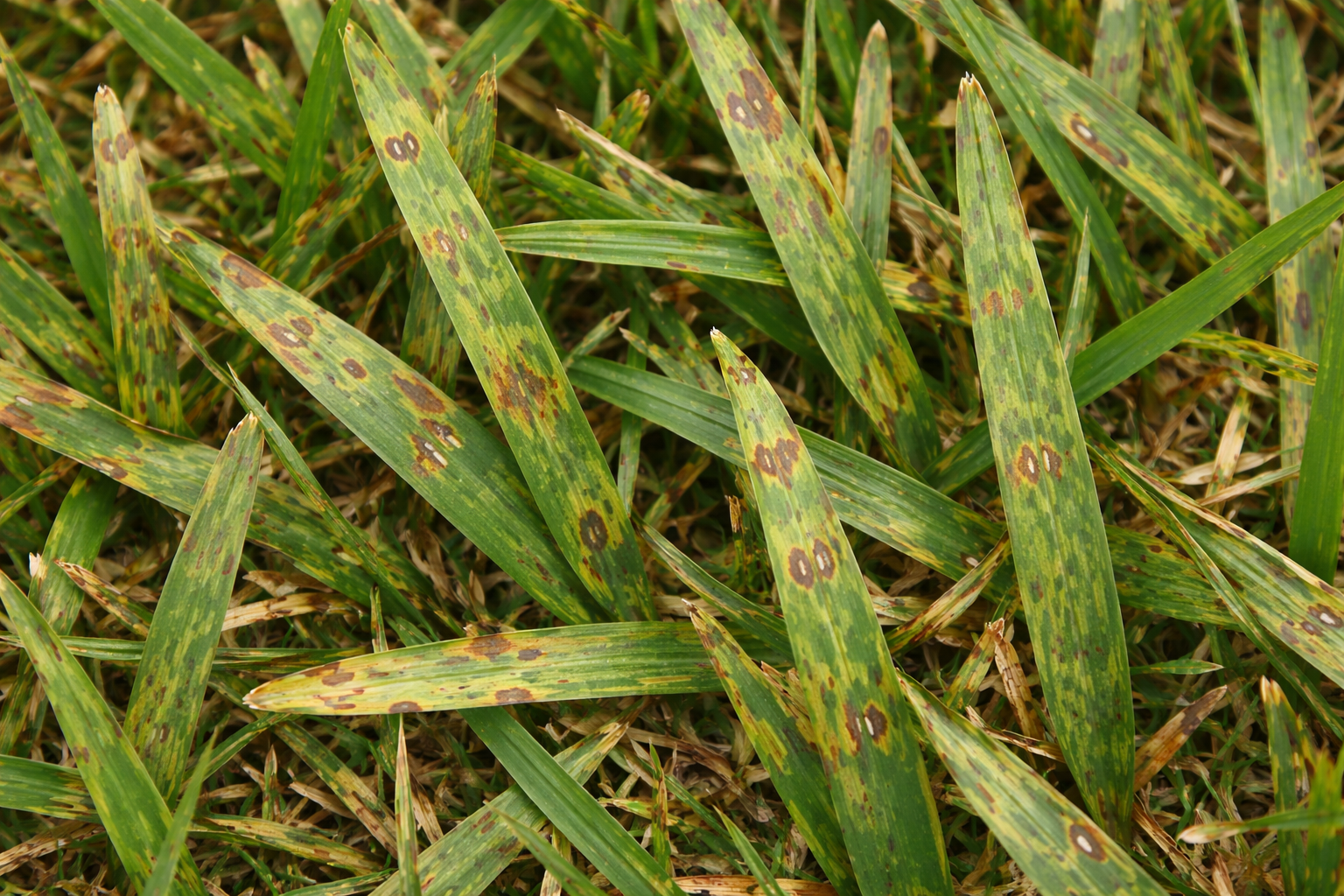
Leaf Spot
Leaf spot appears as small brown or purple spots on grass blades and can lead to thinning turf over time. It spreads in moist, humid environments and weakens overall lawn health. Consistent monitoring and treatment help protect long-term turf vitality.
Effective lawn disease control begins with accurate diagnosis and timely treatment. Each fungal issue behaves differently and requires targeted solutions based on grass type, environmental conditions, and severity. Our professional disease control programs are designed to eliminate active infections, strengthen turf health, and help South Florida lawns stay dense, green, and resilient year-round.
OUR SERVICES
What Our Professional Disease Control Service Includes
Our lawn disease treatments are designed for turf conditions common in Weston and throughout South Florida, where heat and humidity create ongoing fungal pressure. Each service begins with a detailed lawn evaluation to identify the specific disease present and determine the most effective treatment strategy.
Our disease control service includes:
Comprehensive lawn inspection focused on fungal symptoms and turf stress
Accurate identification of brown patch, gray leaf spot, dollar spot, rust, and leaf spot
Targeted fungicide applications based on disease type and severity
Preventative treatments to reduce future outbreaks during high-risk seasons
Evaluation of irrigation and moisture conditions contributing to disease
Turf-strengthening recommendations to improve resilience and recovery
Ongoing monitoring programs for year-round St. Augustine protection
Our goal is not just temporary suppression, but long-term disease prevention through proper diagnosis, strategic treatment timing, and professional follow-up. With consistent care and preventative monitoring, your lawn stays dense, green, and better protected against South Florida’s humid conditions year-round.
BEFORE YOUR SERVICE
How to Prepare for St. Augustine Disease Control Treatment in
Weston
Before your lawn disease treatment in Weston, please follow these preparation steps to ensure optimal results. A few simple steps before your appointment allow fungicide applications to properly adhere, absorb, and target active infections while strengthening turf against further spread. Our team will provide specific guidance if additional instructions apply to your property.
Mow 1–2 days before service
Mow your St. Augustine lawn one to two days before your scheduled treatment unless instructed otherwise. This allows fungicide applications to reach infected blades more effectively. Avoid mowing immediately before or after service.
Do not mow immediately after treatment
Wait at least 4–5 days after treatment before mowing your lawn. This allows fungicides to fully absorb into the turf and begin suppressing fungal activity for optimal results.
Avoid watering before service
Do not irrigate your lawn the day of treatment unless specifically instructed. Fungicide applications require dry leaf surfaces for proper adhesion and absorption.
Allow irrigation only if directed after treatment
Depending on the disease type and product used, light watering may be recommended after treatment to activate soil-level protection. Your technician will provide specific irrigation timing instructions.
Keep pets and family off treated areas until dry
Keep pets and family members off the lawn during application and until treated areas have fully dried. Once dry, the lawn is safe for normal activity.
Understand that discoloration may continue temporarily
Diseased areas may not immediately turn green after treatment. Some affected blades may continue to discolor before recovery begins. Visible improvement typically occurs within 7–14 days depending on disease severity.
DURING & AFTER SERVICE
What to Expect After Lawn Disease Control Treatment
After lawn disease treatment in Weston, you can expect the spread of infection to slow as targeted treatments begin working at the root and soil level. Fungicide applications work by stopping the spread of active fungal infections and protecting healthy turf from further damage. While the disease progression is halted quickly, visible recovery takes time as the lawn repairs itself naturally. Environmental conditions, severity of infection, and irrigation practices all influence how quickly results appear. Patience and proper follow-through are essential for long-term turf recovery.
Disease Spread Stops First
Fungicide treatments begin working shortly after application to stop active fungal growth. While the infection is suppressed quickly, damaged grass blades will not instantly turn green. The treatment prevents further spread so recovery can begin.
Visible Improvement Within 7–21 Days
Most lawns begin showing noticeable improvement within 7 to 21 days depending on the severity of the outbreak and weather conditions. Severely affected areas may take longer to fill in as new healthy growth develops.
Damaged Areas May Need Time to Recover
Grass blades already weakened by disease may continue to discolor before new growth replaces them. In some cases, thinning areas may require additional time, seasonal growth cycles, or follow-up applications to fully restore density.
Ongoing Monitoring Is Important
South Florida’s humidity and rainfall create conditions where fungal diseases can return. Preventative treatments and routine monitoring reduce the risk of recurring outbreaks and help maintain long-term lawn health.
Our team is always available to answer questions and provide guidance after your lawn disease control treatment to ensure steady recovery and lasting protection.
COMMON QUESTIONS ANSWERED
Lawn Disease Control Questions Weston Property Owners Ask Most
Lawn diseases are common in South Florida due to high humidity, frequent rainfall, and warm temperatures year-round. Fungal infections can spread quickly and cause discoloration, thinning turf, and patchy areas if not treated properly. Property owners often have questions about how disease control works, how long recovery takes, and whether outbreaks can return. Below are answers to the most frequently asked lawn disease control questions to help you make an informed decision.
How do I know if my lawn has a disease and not another issue?
Lawn diseases often appear as irregular brown patches, yellowing areas, or circular patterns that continue spreading over time. Unlike drought stress or nutrient deficiencies, fungal infections typically worsen even when watering and fertilization are adjusted. A professional inspection ensures proper diagnosis before treatment begins.
What lawn diseases are most common in South Florida?
The most common fungal issues in South Florida include brown patch, gray leaf spot, dollar spot, rust disease, and leaf spot. These thrive in warm, humid conditions and during periods of frequent rainfall. Early treatment helps prevent widespread turf damage.
How does professional lawn disease control work?
Disease control works in stages:
- Inspection and identification of the active fungal infection.
- Application of a targeted fungicide designed to stop fungal growth.
- The fungicide suppresses the active spread of the disease.
- The lawn begins its natural recovery process as healthy blades grow in.
The treatment stops the progression of the disease, but damaged grass does not instantly turn green. Recovery depends on severity and environmental conditions.
How long does lawn disease control take to show results?
The spread of the fungus is typically halted shortly after treatment. Visible improvement may begin within 7–21 days as new growth develops. Severely affected areas may take longer to regain density, especially during cooler or cloudy periods.
Can heavy rain reactivate lawn disease?
Excessive rainfall and prolonged moisture can create conditions where fungal spores become active again. While treatment stops the current outbreak, ongoing humidity and rain may require follow-up applications or preventative maintenance to keep the lawn protected.
Is lawn disease treatment safe for my family and pets?
When applied by trained professionals and allowed to dry properly, lawn disease treatments are safe for normal activity. We recommend keeping pets and family members off treated areas until the application has completely dried.
Will my lawn fully recover after treatment?
In many cases, yes. However, severely damaged areas may need time to fill in naturally during active growing seasons. Proper mowing, irrigation, and follow-up care help support full recovery.
How often should disease control be scheduled in South Florida?
Because of South Florida’s climate, preventative treatments and seasonal monitoring are often recommended during high-risk periods, especially in humid and rainy months.
Can I use store-bought fungicides instead of professional treatment?
Over-the-counter products may provide temporary suppression, but incorrect diagnosis, timing, or application can reduce effectiveness. Professional treatments are formulated and applied to target specific fungal issues while protecting overall turf health.
How much does professional lawn disease control cost?
Costs vary based on lawn size, severity of infection, and whether preventative monitoring is needed. A professional evaluation allows us to recommend the most effective and cost-efficient solution for your property.
Still Have Questions About Lawn Disease Control? Our knowledgeable team is happy to guide you through the treatment process and explain what to expect based on your lawn’s condition. Contact us today to schedule a professional evaluation and protect your South Florida lawn from recurring fungal outbreaks.
WHY PROPERTY OWNERS TRUST US
Why Property Owners Trust Our Professional Lawn Disease Control Services
Weston property owners trust Professional Pestguard for accurate disease diagnosis and targeted fungal treatment programs designed for South Florida turf. We focus on stopping active fungal outbreaks while strengthening turf health to reduce the risk of recurring infections.
Over 40 years of lawn care experience
Serving Weston
with proven turf management strategies built for high humidity and seasonal disease pressure.
Licensed and insured technicians
Trained professionals who accurately diagnose fungal issues and apply treatments safely and effectively.
Targeted fungicide treatment methods
We identify the specific disease affecting your lawn and apply precise treatments designed to halt active spread and protect healthy turf.
Prevention-focused monitoring programs
Seasonal evaluations and preventative applications help reduce the risk of future outbreaks during high-risk weather conditions.
We don’t just treat visible symptoms — we address the environmental factors that allow lawn diseases to develop and spread, helping protect your South Florida property from recurring fungal damage.