
Protect Your Home
Trusted Rodent Control in Plantation, FL
Plantation homeowners frequently deal with rodent activity due to mature trees, dense landscaping, humid weather, and year-round South Florida temperatures. Roof rats and mice commonly enter homes through rooflines, attic vents, garages, and utility openings while searching for food and shelter indoors.
Professional Pestguard provides rodent control services in Plantation, FL designed to help eliminate rodents and reduce ongoing infestation pressure.
Trusted Rodent Control in Plantation, FL
Protect Your Home
Plantation homeowners frequently deal with rodent activity due to mature trees, dense landscaping, humid weather, and year-round South Florida temperatures. Roof rats and mice commonly enter homes through rooflines, attic vents, garages, and utility openings while searching for food and shelter indoors.
Professional Pestguard provides rodent control services in Plantation, FL designed to help eliminate rodents and reduce ongoing infestation pressure.
40+ Years
Solving Rodent Problems in South Florida
LOCAL RODENT ACTIVITY
Why Rodent Problems Are Common in Plantation Homes
Plantation’s mature trees, lush landscaping, and humid South Florida climate make the area especially attractive to rodents. Roof rats are commonly found traveling along tree branches and rooflines before entering attics and wall voids.
Homes near parks, canals, and heavily landscaped neighborhoods may experience elevated rodent activity throughout the year. Even small gaps around the exterior of a property can provide rodents with easy access indoors.
Professional Pestguard helps Plantation homeowners address rodent activity with inspections, trapping, monitoring, and prevention-focused rodent control solutions designed specifically for South Florida homes.
COMMON WARNING SIGNS
Warning Signs of Rodent Activity in Plantation Homes
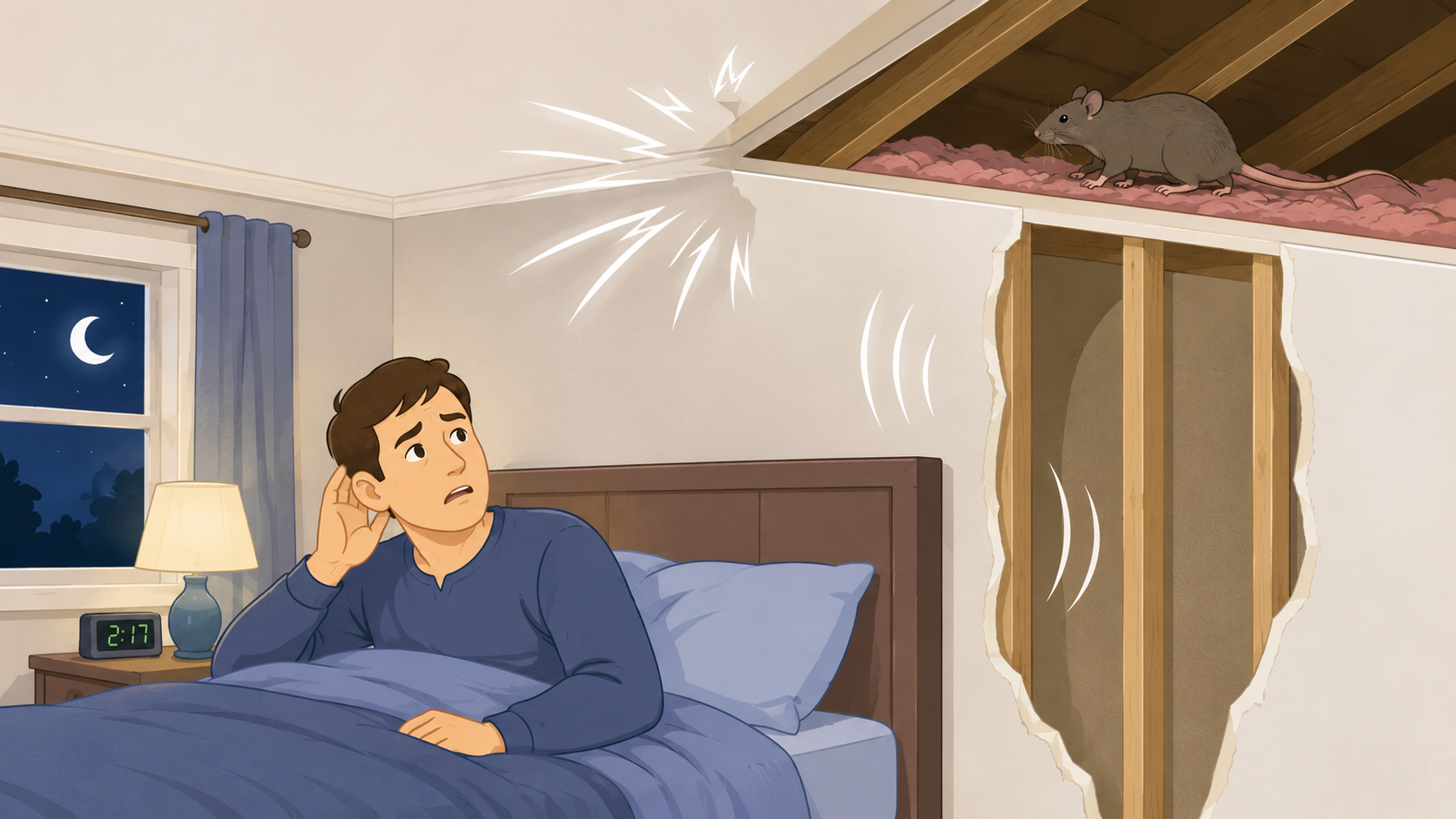
Scratching Noises
Hearing movement inside walls or ceilings at night may indicate rodent nesting activity in attics or wall voids.
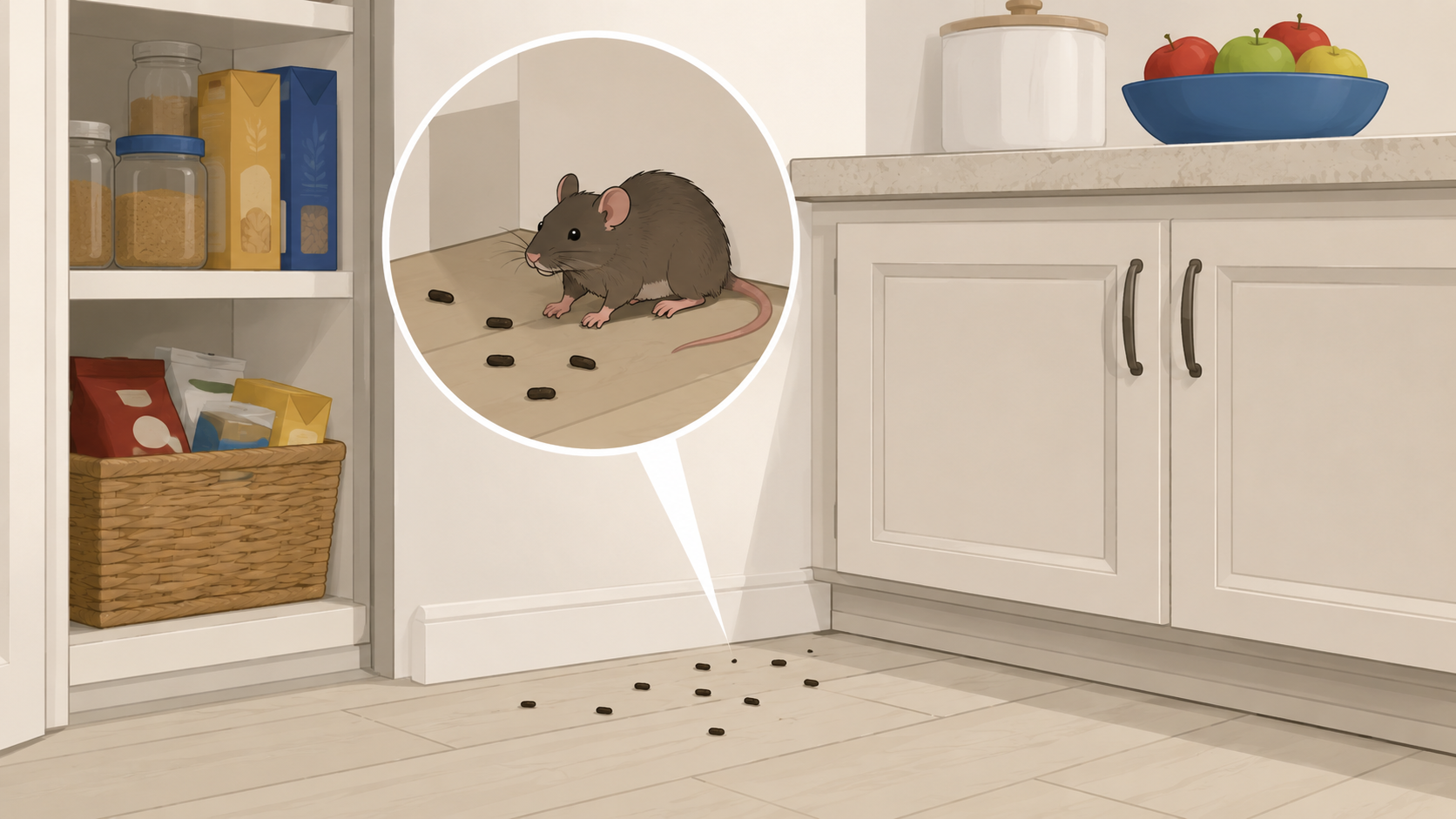
Rodent Droppings
Small dark droppings near kitchens, garages, or pantries are one of the most common signs of rodent activity.
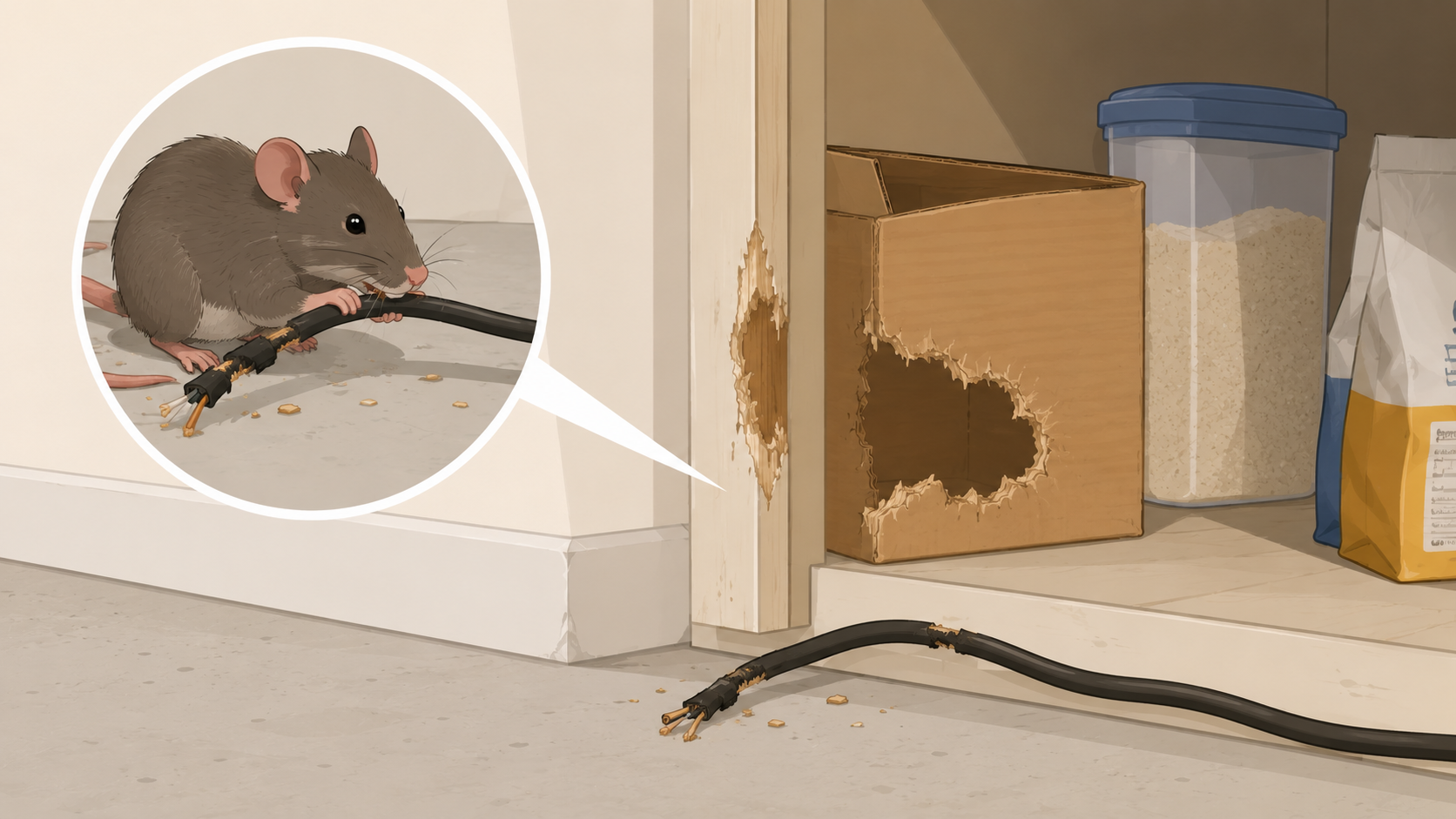
Gnaw Marks
Rats and mice constantly chew on wires, wood, cardboard, and food packaging to keep their teeth trimmed.
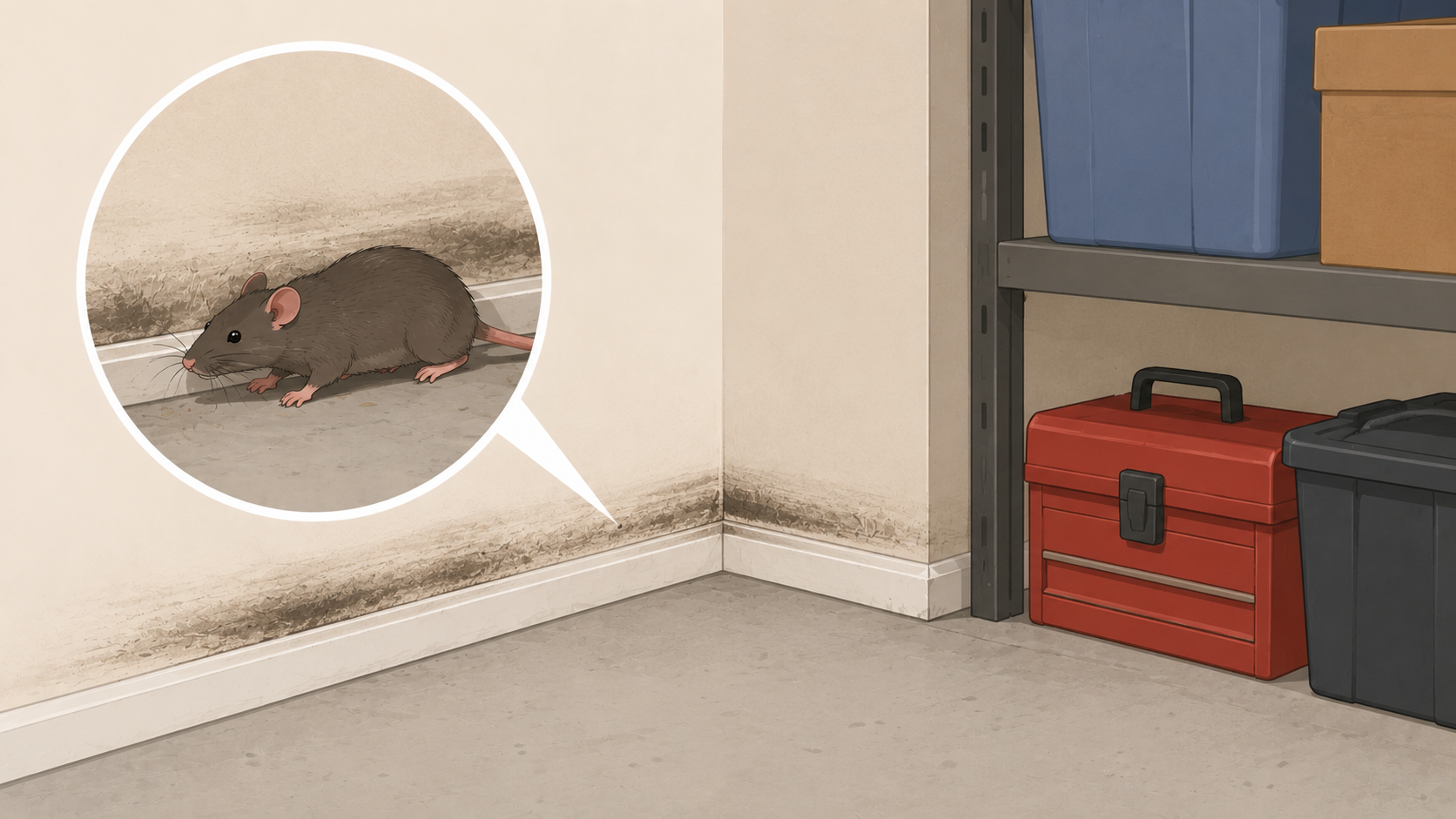
Grease Marks
Rodents often leave dark smudge marks along walls and travel paths due to oils in their fur.
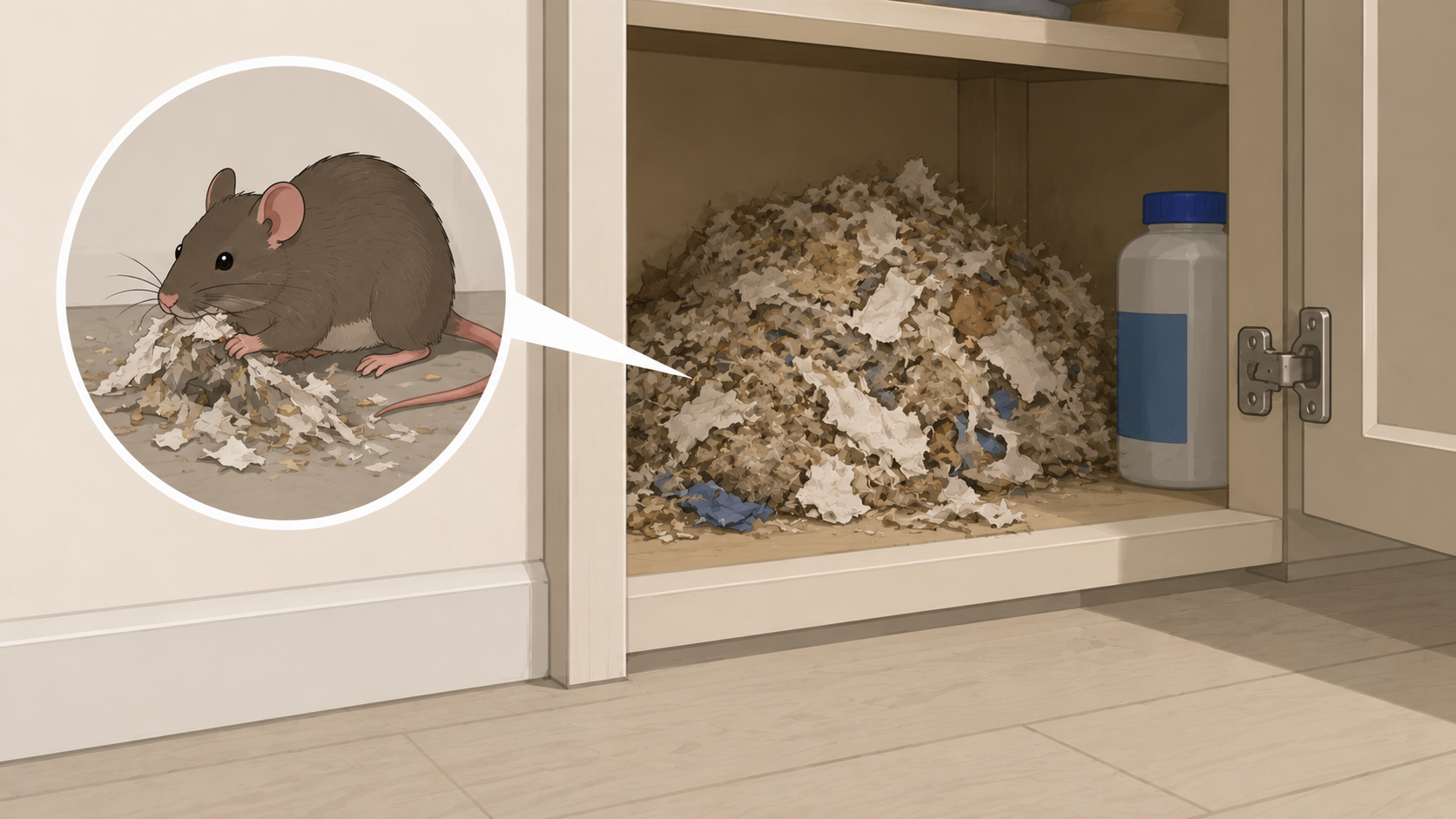
Nesting Materials
Shredded paper, insulation, fabric, and debris may indicate active nesting areas inside the home.
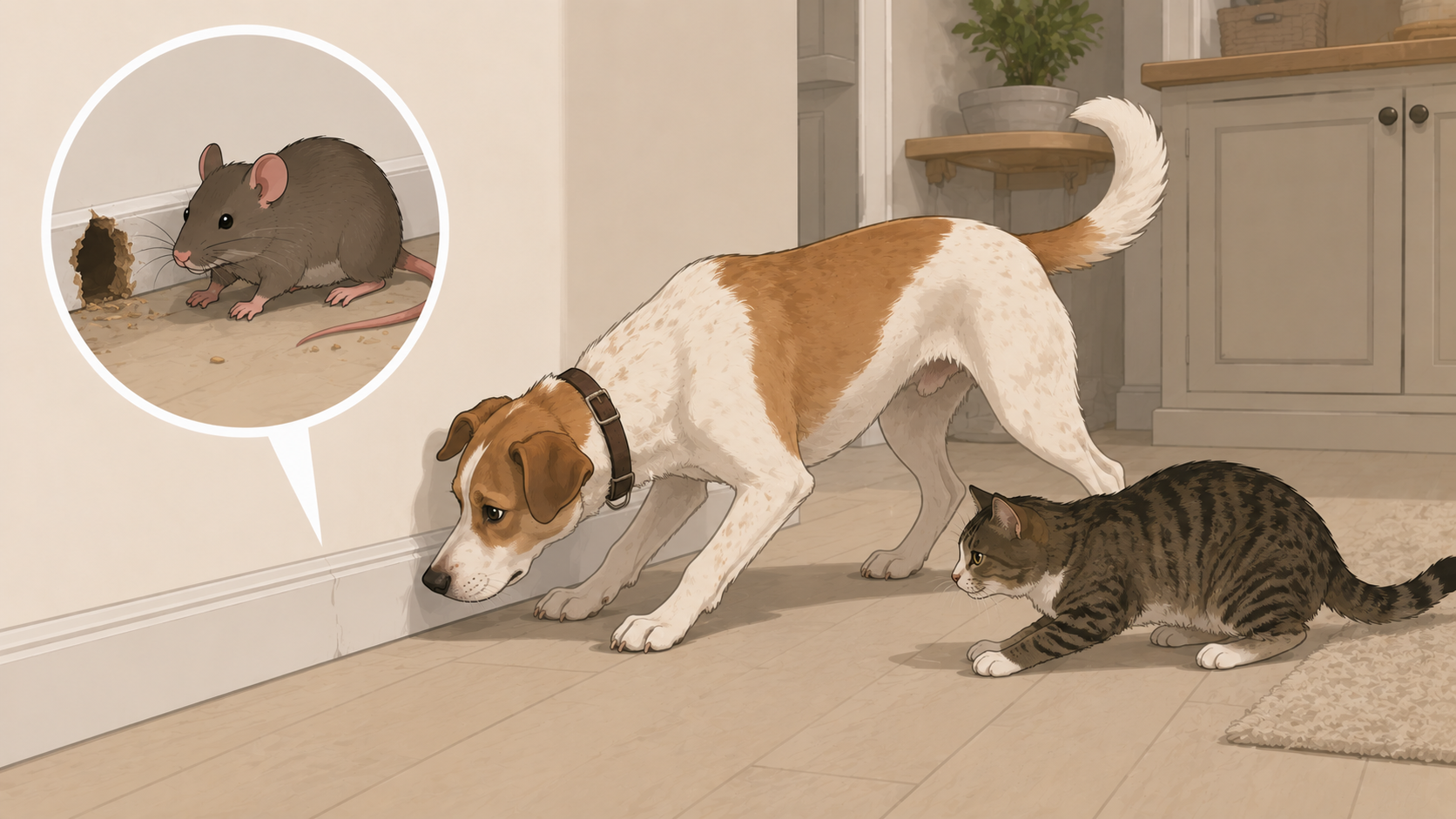
Strange Pet Behavior
Dogs and cats often detect rodent activity before homeowners notice visible signs.
COMMON RODENT INFESTATIONS
Common Rat and Mouse Problems in Plantation Homes
Plantation’s mature landscaping, tree-lined neighborhoods, and humid climate create ideal conditions for rodents to remain active throughout the year. Roof rats are especially common in areas with attic access, dense vegetation, and nearby food sources. Professional Pestguard provides rodent control services designed to target the most common rats and mice affecting Plantation homes.
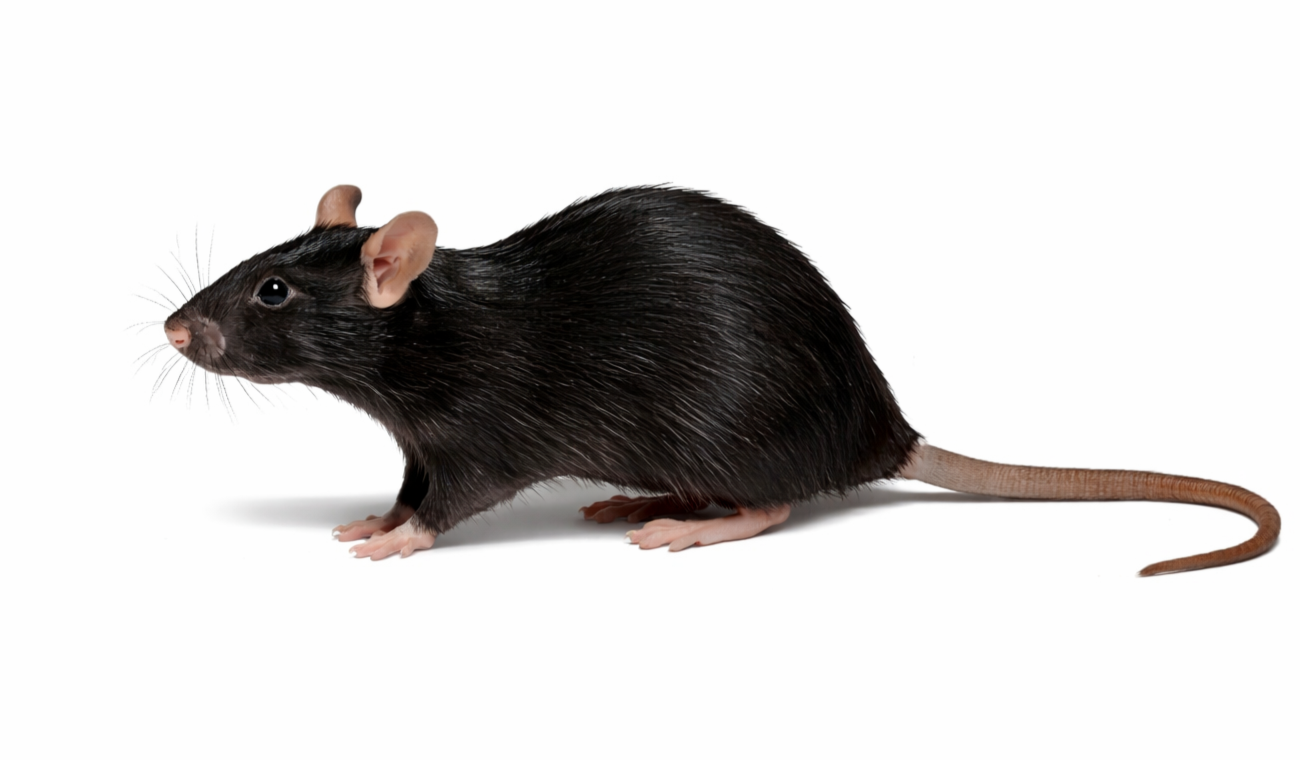
Roof Rats
(Black Rats)
The most common residential rodent in South Florida, roof rats are excellent climbers and typically nest in attics, rooflines, and trees. They often enter homes through roofs, soffits, and utility lines. Signs include scratching noises above ceilings, droppings in attics, and gnaw damage near roof edges.
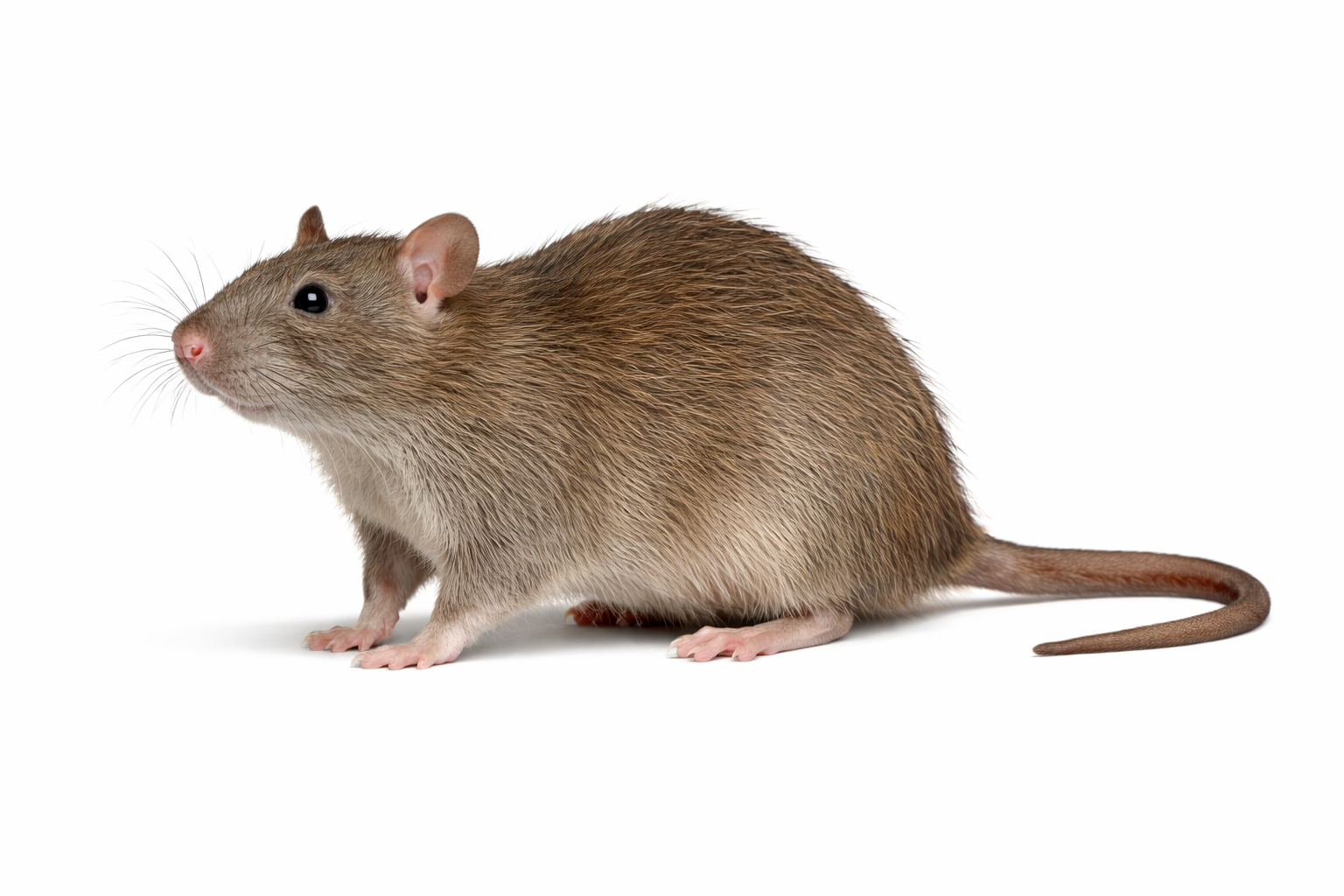
Norway Rats
(Brown Rats)
Larger and heavier than roof rats, Norway rats usually nest at ground level, under slabs, in garages, crawl spaces, and around foundations. They are strong burrowers and often enter homes through lower wall gaps, drains, or garage doors. These rodents can cause significant structural and sanitation concerns if left untreated.
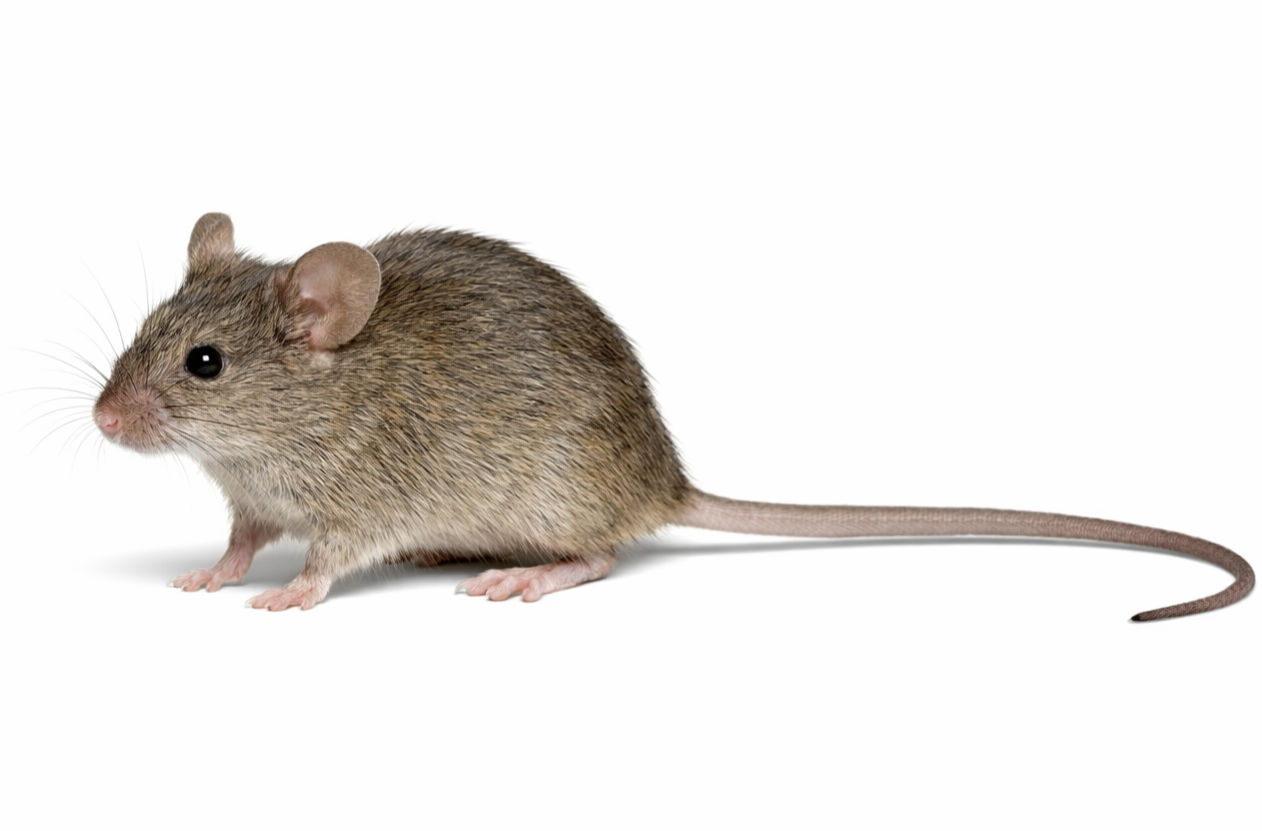
House Mice
Small but highly invasive, house mice can squeeze through openings as small as a dime. They commonly nest inside walls, cabinets, pantries, and appliances. Early signs include droppings, gnaw marks, and scratching noises inside walls. Mice reproduce quickly, making early control essential.
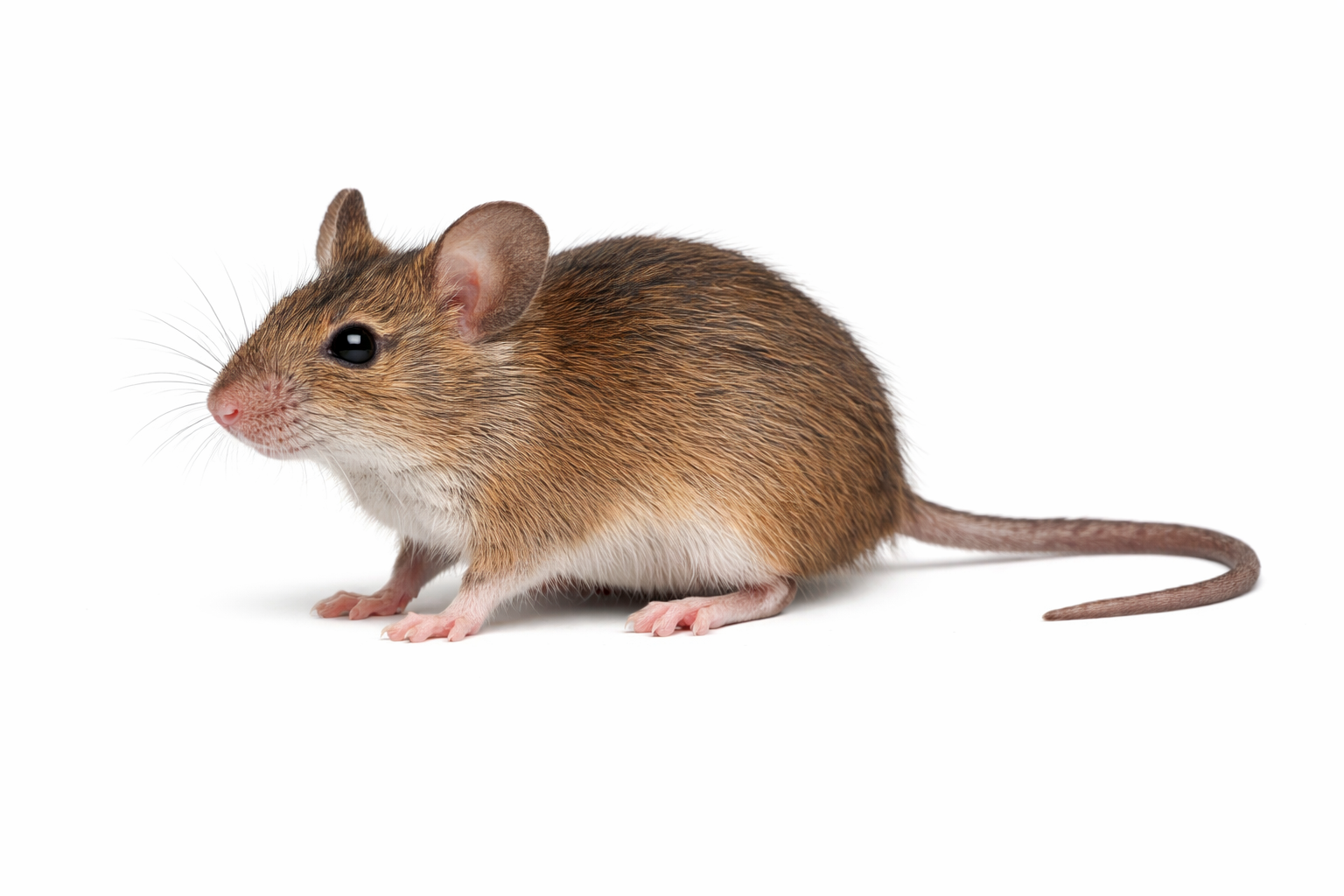
Field Mice
Often entering homes from nearby landscaping or overgrown areas, field mice typically invade garages, sheds, and ground-level spaces. While more common outdoors, they can move indoors during heavy rain, heat, or food shortages. Their presence often indicates exterior rodent pressure around the property.
Because rodents can nest in different areas depending on the species, effective rodent control in Plantation requires customized solutions designed around the specific infestation and property conditions.
OUR SERVICES
Our rodent control services in Plantation are designed to target active infestations while helping reduce long-term rodent activity around the property. Treatment plans are built around the type of rodent present, nesting locations, and the structure of the home to provide targeted solutions.
Our rodent control services include:
Comprehensive home inspection to identify rodent activity
Identification of rodent type and nesting or travel areas
Strategic placement of traps and control methods as needed
Interior treatments for garages, attics, utility areas, and living spaces
Exterior perimeter treatments to help reduce rodent pressure
Use of professional-grade products and monitoring techniques
Ongoing maintenance and rodent management options available
Our goal is immediate population reduction followed by continued rodent control, helping minimize ongoing activity and reduce the likelihood of recurring infestations through professional treatment and follow-up.
BEFORE YOUR SERVICE
How to Prepare for Your Rodent Control Service
Preparing your home for rodent control service helps our technicians work efficiently and place control methods in the most effective locations. A few simple steps before your appointment can improve treatment accuracy, speed up the process, and help reduce rodent activity more quickly. Most South Florida homes require only minimal preparation, and our team is always happy to answer questions before your scheduled service.
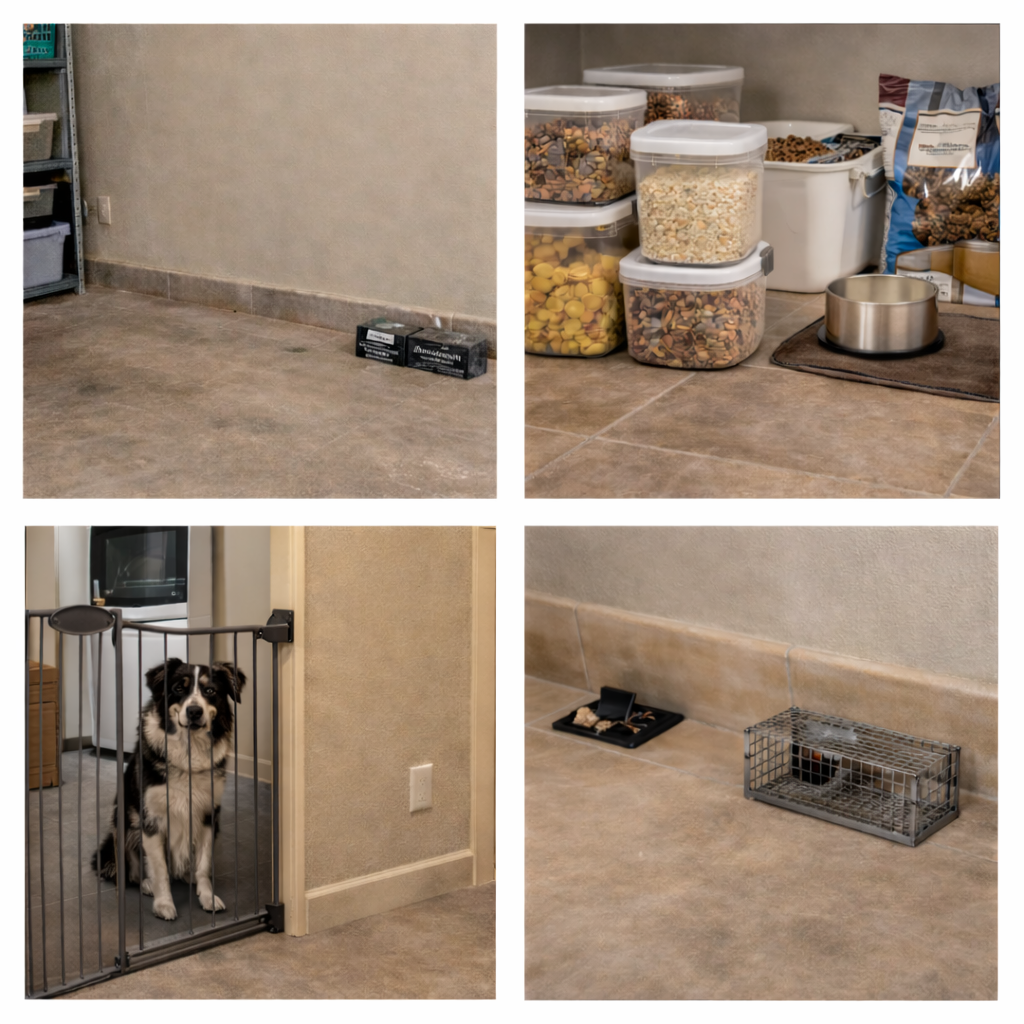
Clear access to key rodent activity areas
Remove stored items from areas where rodents are commonly active, such as garages, utility rooms, laundry rooms, attics (if accessible), and along walls. This allows technicians to inspect, identify travel paths, and place traps or control methods properly.
Reduce food sources where possible
Secure loose food items, including pet food, bird seed, and pantry goods, in sealed containers. Pick up fallen food or debris in garages or storage areas where rodents may be feeding. Reducing food availability helps increase the effectiveness of control methods.
Secure pets during service
Please keep pets away from treatment areas during service and follow any specific instructions provided by your technician. This helps ensure a safe and effective application of rodent control measures.
Avoid disturbing traps or control placements
After service, do not move or tamper with traps or monitoring devices placed by your technician. These are strategically positioned to eliminate rodents efficiently and allow for proper monitoring during follow-up visits.
Preparing these areas ahead of time helps ensure your rodent control service is as effective as possible and allows our team to focus on reducing rodent activity quickly and safely.
DURING & AFTER SERVICE
What to Expect After Your Rodent Control Service
After professional rodent control service, it is normal to see continued rodent activity at first as control measures begin working. As monitoring and population reduction take effect, activity typically decreases gradually over time rather than immediately.
Continued Activity at First
You may still hear or see rodent activity for days or even weeks after initial service. Rodents are creatures of habit, and it takes time for existing populations to encounter control methods and be eliminated. Continued activity early on does not mean the treatment failed.
Gradual Population Reduction Over Time
Rodent control works through strategic population reduction, not immediate elimination. As rodents are removed, activity typically decreases steadily. Depending on the level of infestation and environmental pressure, noticeable improvement may occur within days, with continued reduction over subsequent weeks.
Control Measures Continue Working
Traps and monitoring devices remain active after service, continuing to reduce rodent populations over time. Follow-up visits and ongoing monitoring help assess progress and adjust placement as needed to improve results and maintain control.
Long-Term Management & Follow-Up
Because rodents are common in South Florida, long-term management focuses on reducing populations and controlling recurring activity rather than short-term fixes. Ongoing service options and professional follow-up help keep rodent activity at manageable levels and prevent population rebound.
Our team is always available to answer questions and provide guidance after your rodent control service to help ensure expectations are clear and progress continues as planned.
COMMON QUESTIONS ANSWERED
Rodent Control Questions South Florida Homeowners Ask Most
Rodent activity is a common concern for South Florida homeowners due to our warm climate, dense neighborhoods, and year-round food availability. Rats and mice can enter homes seeking shelter, food, and nesting areas, especially during periods of heavy rain or construction nearby. Homeowners often have questions about rodent control safety, effectiveness, timelines, and what to expect after service. Below are answers to the most frequently asked rodent control questions to help you make an informed decision.
How do I know if I need professional rodent control?
If you’re hearing scratching noises, finding droppings, noticing gnaw marks, or seeing rodents inside your home or garage, professional rodent control is recommended. Rodents reproduce quickly, and early intervention helps prevent larger infestations and property damage.
What types of rodents are common in South Florida homes?
The most common residential rodents in South Florida include roof rats, Norway rats, and house mice. Roof rats are especially prevalent and often nest in attics, while mice and Norway rats are more likely to be found in garages, walls, and lower levels of the home.
How long does rodent control take to work?
Rodent control is not instant. Activity may continue for days or weeks as rodents encounter traps and control measures. Population reduction occurs gradually as rodents are eliminated, with noticeable improvement over time depending on the severity of activity.
Is rodent control safe for my family and pets?
Yes. Professional rodent control is performed using industry-approved methods and products designed for residential environments. Our technicians place control measures strategically and provide guidance to help ensure safety for children and pets.
Why does rodent activity sometimes continue after service?
Rodents follow established travel paths and habits. Continued activity shortly after service is normal and does not mean the treatment failed. As rodents encounter control measures, activity gradually decreases.
Will rodent control prevent rodents from coming back?
Rodent control focuses on reducing active populations and managing ongoing rodent pressure. Because rodents are common in South Florida and can enter from surrounding areas, ongoing service and monitoring help maintain control over time.
Do I need to leave my home during rodent control service?
In most cases, you do not need to leave your home. Our technicians will let you know if any temporary precautions are recommended during or after service.
How often should rodent control be scheduled in South Florida?
The frequency of rodent control depends on activity levels and environmental factors. Some homes benefit from one-time service, while others may require ongoing monitoring or maintenance plans to keep rodent populations under control.
I just saw a dead rodent. Does that mean they’re back?
Seeing a dead rodent is usually a good sign that control measures are working. Rodents are common in South Florida and may occasionally enter from outside, but seeing dead rodents rather than live activity indicates the treatment is effective.
Can I use store-bought traps or repellents instead of professional rodent control?
Store-bought products may catch individual rodents but often fail to address ongoing activity or population pressure. Professional rodent control uses strategic placement, monitoring, and experience to deliver more consistent and effective results.
How much does professional rodent control cost in South Florida?
Rodent control pricing varies based on the size of the home, level of activity, and service needs. Professional Pestguard offers free estimates to evaluate your situation and recommend the most effective rodent control plan for your home.
Still have questions about rodent control? Our knowledgeable team at Professional Pestguard is happy to help you understand your options and recommend the right solution for your home. Contact us today to request a free estimate.
WHY HOMEOWNERS TRUST US
Professional Rodent Control Trusted by Plantation Homeowners
Plantation homeowners trust Professional Pestguard for rodent control services backed by decades of South Florida pest control experience. Our team focuses on reducing active infestations, monitoring ongoing activity, and helping prevent rodents from returning.
Over 40 years of pest control experience
Proven rodent control solutions for South Florida homes.
Licensed and insured technicians
Trained professionals following industry safety standards.
Rodent-specific control methods
Targeted strategies based on the type of rodent present.
Long-term, satisfaction-focused approach
Population reduction with ongoing control and monitoring.