Why You Keep Seeing Palmetto Bugs After Rain in South Florida
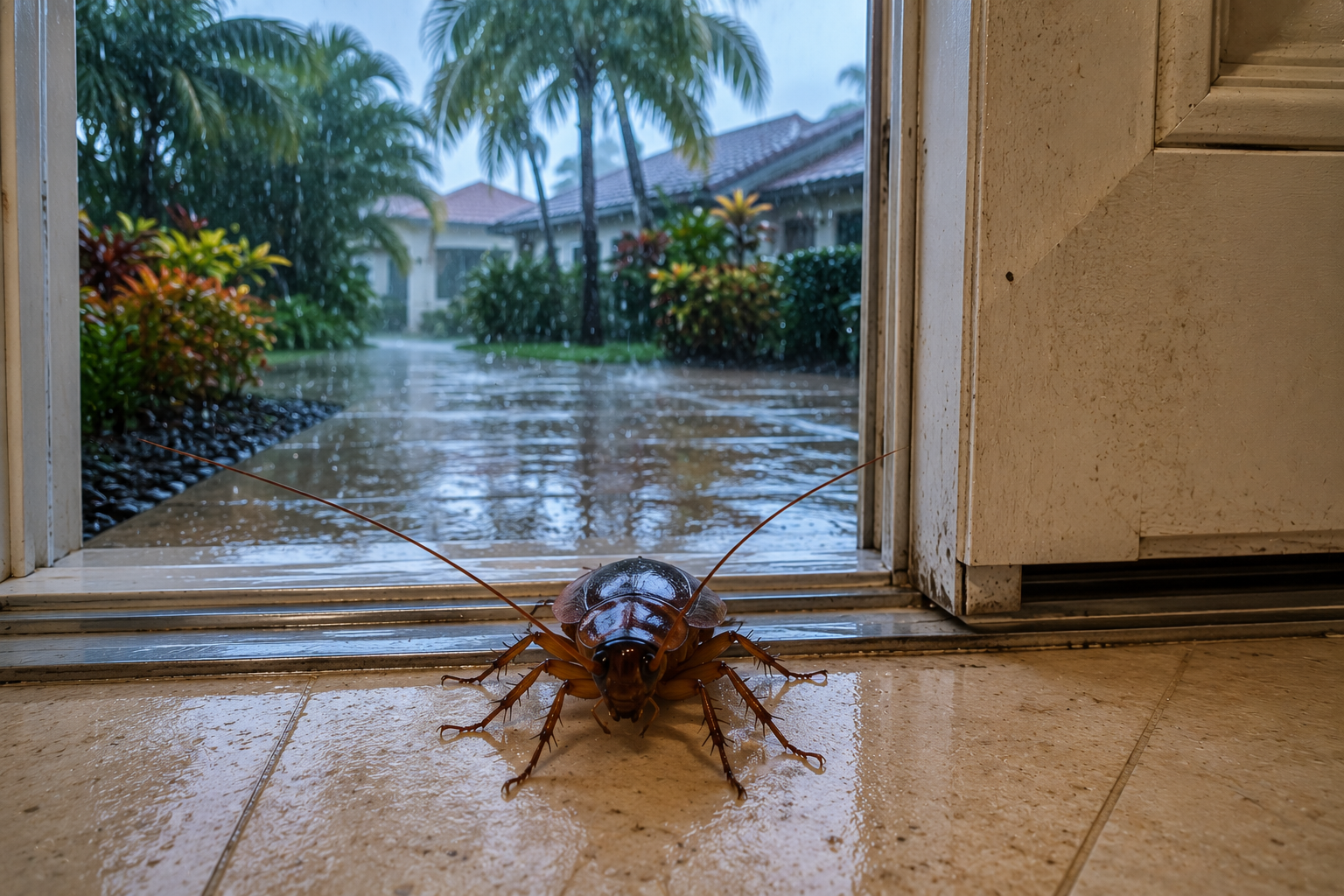
After heavy rain in South Florida, it’s extremely common for homeowners to suddenly start seeing large palmetto bugs crawling through kitchens, bathrooms, garages, and laundry rooms overnight. What many people don’t realize is that heavy rain can flood outdoor roach hiding areas, forcing American cockroaches indoors in search of dry shelter, food, and moisture.
In Broward County and throughout South Florida, rainy weather often leads to a sharp increase in indoor roach activity, especially around drains, baseboards, sinks, and entry points near the home. If palmetto bugs keep appearing after storms, it may be a sign that your property could benefit from professional cockroach control in Weston and ongoing pest control in Weston, Florida.
Why Rain Causes More Palmetto Bug Activity
Palmetto bugs, also known as American cockroaches, are primarily outdoor pests that thrive in warm, damp environments throughout South Florida. They commonly hide in mulch beds, sewer systems, storm drains, palm trees, landscaping, wood piles, and other moist areas around homes and commercial properties.
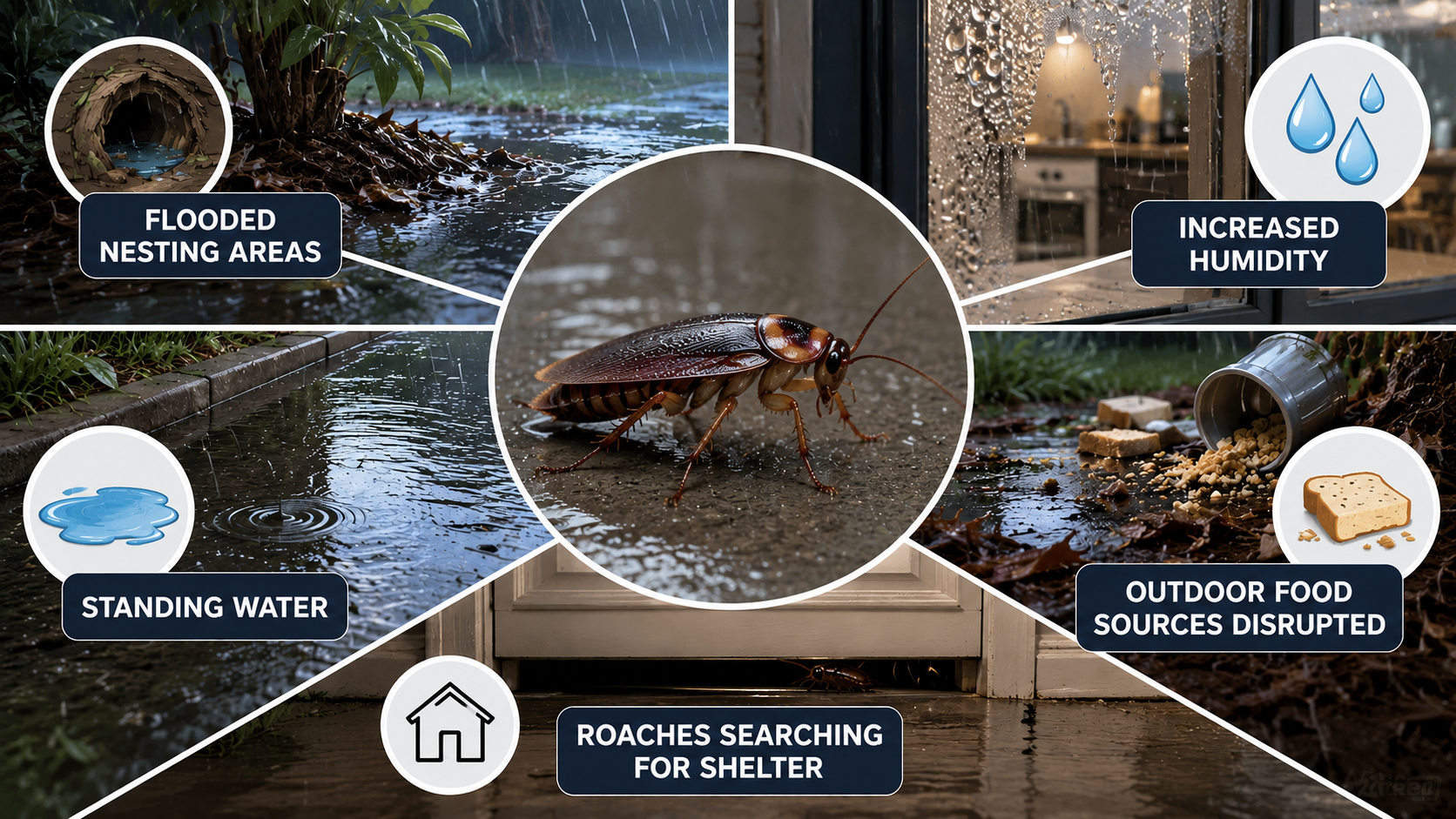
When heavy rain moves through Broward County, these outdoor hiding areas can quickly become flooded or oversaturated. As a result, palmetto bugs are forced out of their normal nesting areas and begin searching for dry shelter indoors. This is one of the biggest reasons homeowners suddenly notice increased roach activity after rainy weather.
Flooded Nesting Areas
Heavy rain can flood common outdoor cockroach nesting locations, including drains, mulch beds, landscaping, and sewer systems. Once these areas become saturated, palmetto bugs begin migrating toward nearby homes and buildings to escape excess moisture.
Increased Humidity
South Florida’s humidity creates ideal conditions for American cockroaches to survive and reproduce. Rainy periods often increase moisture levels both outdoors and inside homes, making kitchens, bathrooms, garages, and laundry rooms more attractive to roaches.
Standing Water Around The Home
Standing water near foundations, patios, gutters, and landscaping can attract cockroaches searching for moisture sources. Even small amounts of water buildup can encourage more pest activity around the property.
Outdoor Food Sources Become Disrupted
Rain can wash away or disturb outdoor food sources that palmetto bugs normally rely on. When this happens, they may begin searching indoors for crumbs, pet food, garbage, and other accessible food sources.
Roaches Begin Searching For Shelter
As storms continue, palmetto bugs often squeeze through door gaps, plumbing openings, vents, garages, and small cracks around the home to find dry shelter indoors. This is why many homeowners suddenly start seeing large roaches at night shortly after periods of heavy rain.
If roach activity continues after storms pass, it may be time to contact a professional roach exterminator in Broward for a full inspection and targeted American roach control treatment plan.
Why Palmetto Bugs Suddenly Appear Inside Homes
Few things are more unsettling than walking into your kitchen at night and suddenly seeing a large palmetto bug dart across the floor. In South Florida, this is especially common after periods of heavy rain when outdoor American cockroaches begin searching for dry shelter indoors.
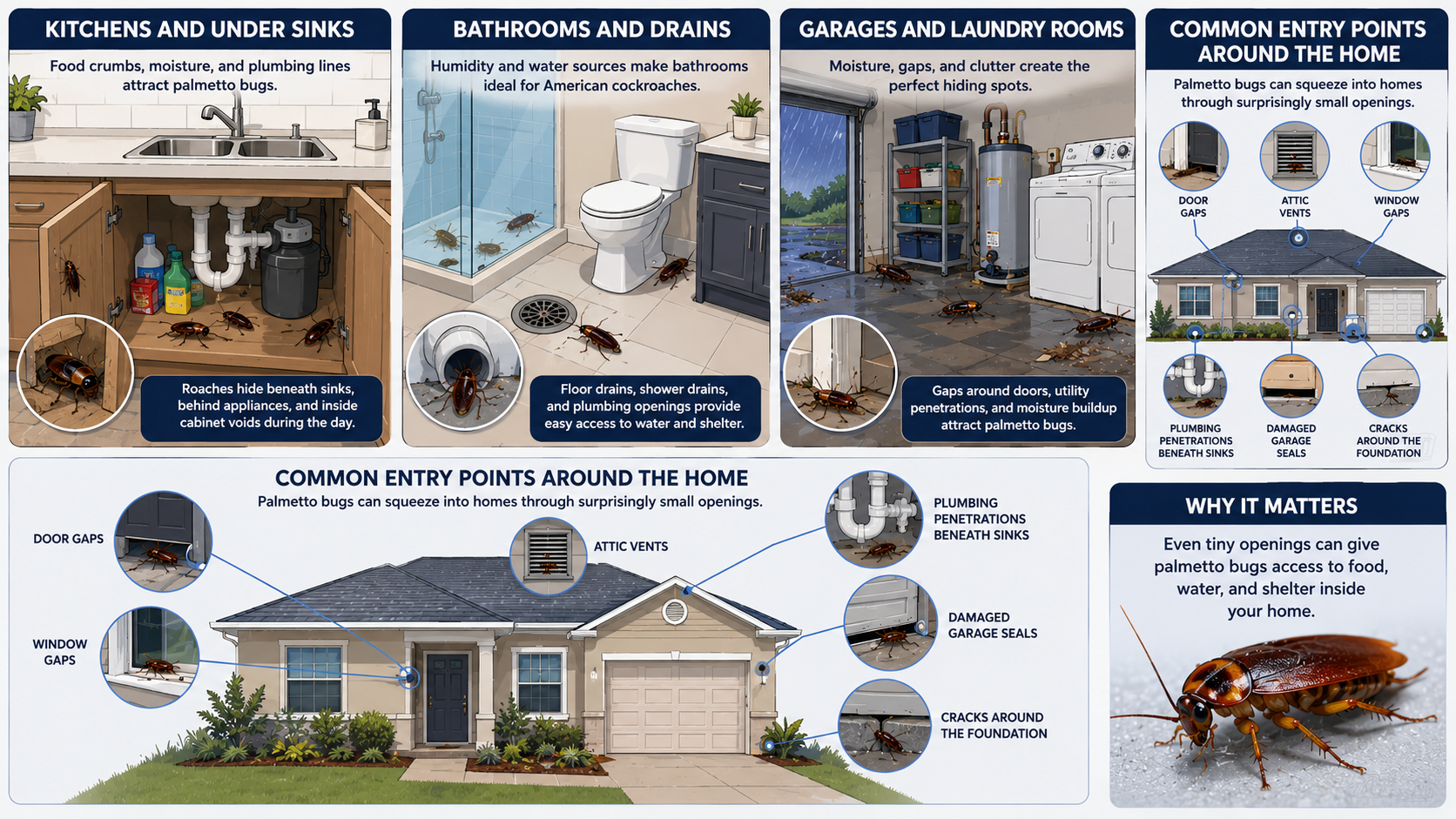
Many homeowners first notice palmetto bugs in areas with moisture and humidity, including kitchens, bathrooms, garages, laundry rooms, under sinks, and around drains. Because these pests are nocturnal, they’re often most active late at night when the home is dark and quiet.
- Kitchens And Under Sinks – Kitchens are one of the most common areas where palmetto bugs appear because they provide easy access to food crumbs, moisture, and plumbing lines. Roaches frequently hide beneath sinks, behind appliances, and inside cabinet voids during the day before becoming active at night.
- Bathrooms And Drains – Bathrooms naturally create humid conditions that attract American cockroaches. Floor drains, shower drains, and plumbing openings can all serve as easy access points for roaches searching for water and shelter.
- Garages And Laundry Rooms – Garages and laundry rooms often have gaps around doors, utility penetrations, and moisture buildup that make them attractive hiding places for palmetto bugs. These areas are especially vulnerable during rainy periods in South Florida.
- Common Entry Points Around The Home – Palmetto bugs can squeeze into homes through surprisingly small openings. Common entry points include door gaps, damaged garage seals, plumbing penetrations beneath sinks, window gaps, attic vents, and cracks around the foundation.
Why The Problem Often Gets Worse After Rain
Once outdoor nesting areas become flooded, more roaches begin moving indoors in search of dry shelter. Without proper home pest control, recurring indoor sightings can quickly become a larger issue, especially during South Florida’s rainy season.
If you continue seeing palmetto bugs around your home, working with a professional cockroach exterminator and focusing on long-term pest prevention recommendations can help reduce indoor roach activity and identify conditions that may be contributing to the problem.
Common Signs You May Have A Larger Roach Problem
Seeing a single palmetto bug after heavy rain is fairly common in South Florida. However, repeated sightings, increased nighttime activity, or signs of roaches throughout multiple areas of the home may indicate a larger underlying infestation problem.
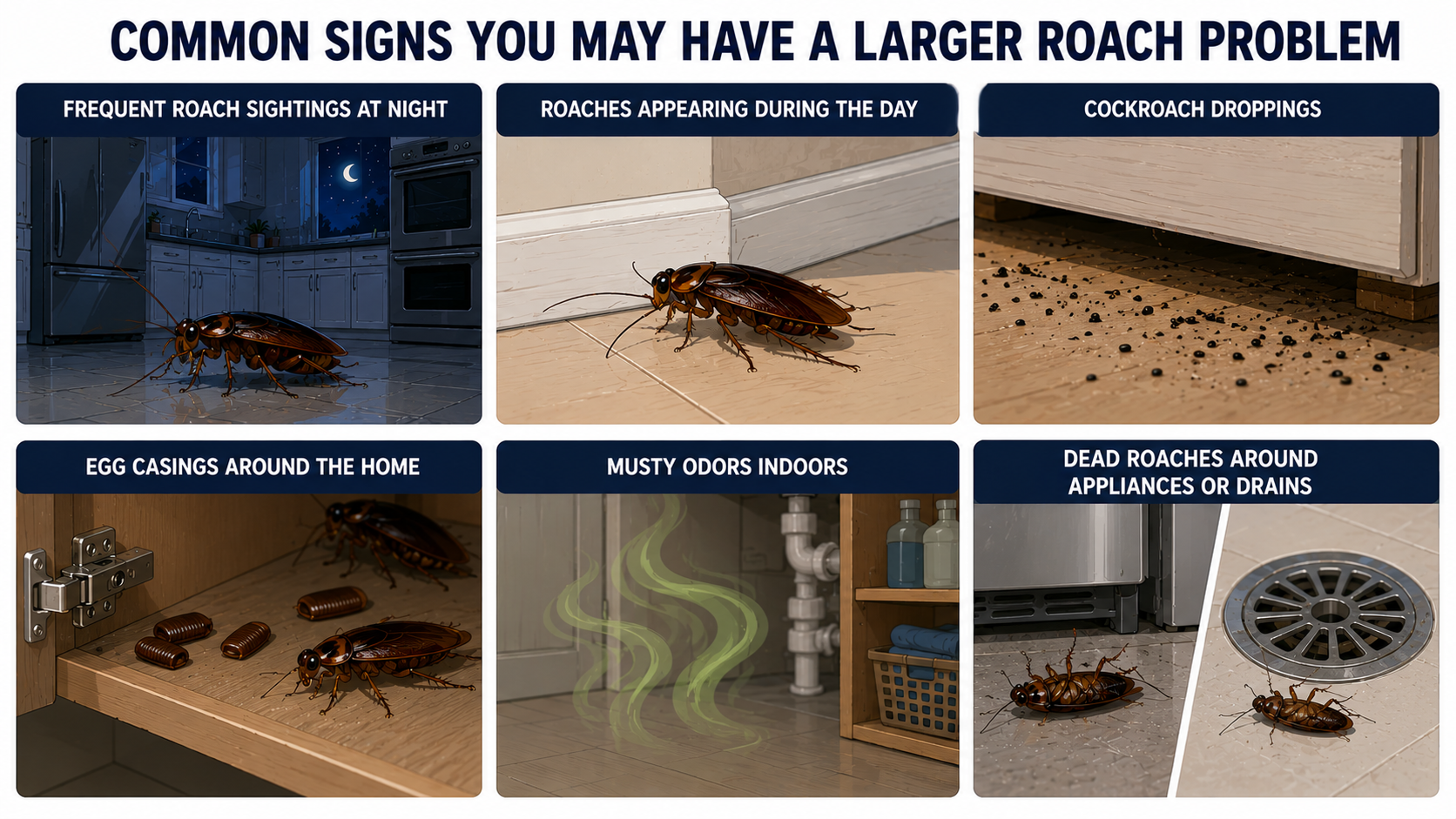
Because American cockroaches are nocturnal and prefer hiding in dark, humid areas, many infestations go unnoticed until activity becomes more severe. Paying attention to early warning signs can help homeowners address the issue before it worsens.
- Frequent Roach Sightings At Night – Seeing palmetto bugs regularly around kitchens, bathrooms, garages, or laundry rooms at night can indicate that roaches are actively nesting nearby.
- Roaches Appearing During The Day – American cockroaches usually avoid daylight. Seeing roaches during the day may suggest overcrowding or a larger infestation forcing them out of hiding areas.
- Cockroach Droppings – Small black droppings that resemble coffee grounds or pepper-like specks near cabinets, baseboards, sinks, or pantry areas can be a sign of ongoing roach activity.
- Egg Casings Around The Home – Cockroach egg casings, also called oothecae, may appear beneath sinks, near appliances, inside cabinets, or around storage areas where roaches are hiding and breeding.
- Musty Odors Indoors – Larger infestations can sometimes create a strong, oily, or musty odor in enclosed areas with heavy roach activity.
- Dead Roaches Around Appliances Or Drains – Finding dead cockroaches near water heaters, drains, utility rooms, or behind kitchen appliances may indicate hidden nesting areas nearby.
If you’re noticing multiple warning signs throughout the home, professional roach infestation treatment and ongoing cockroach treatment services may be necessary to identify nesting areas and reduce recurring palmetto bug activity.
Why DIY Palmetto Bug Treatments Often Fail
Many homeowners try to handle palmetto bug problems on their own using store-bought sprays, foggers, traps, or bait products. While these treatments may temporarily kill a few visible roaches, they often fail to address the actual source of the infestation, especially during South Florida’s rainy season.
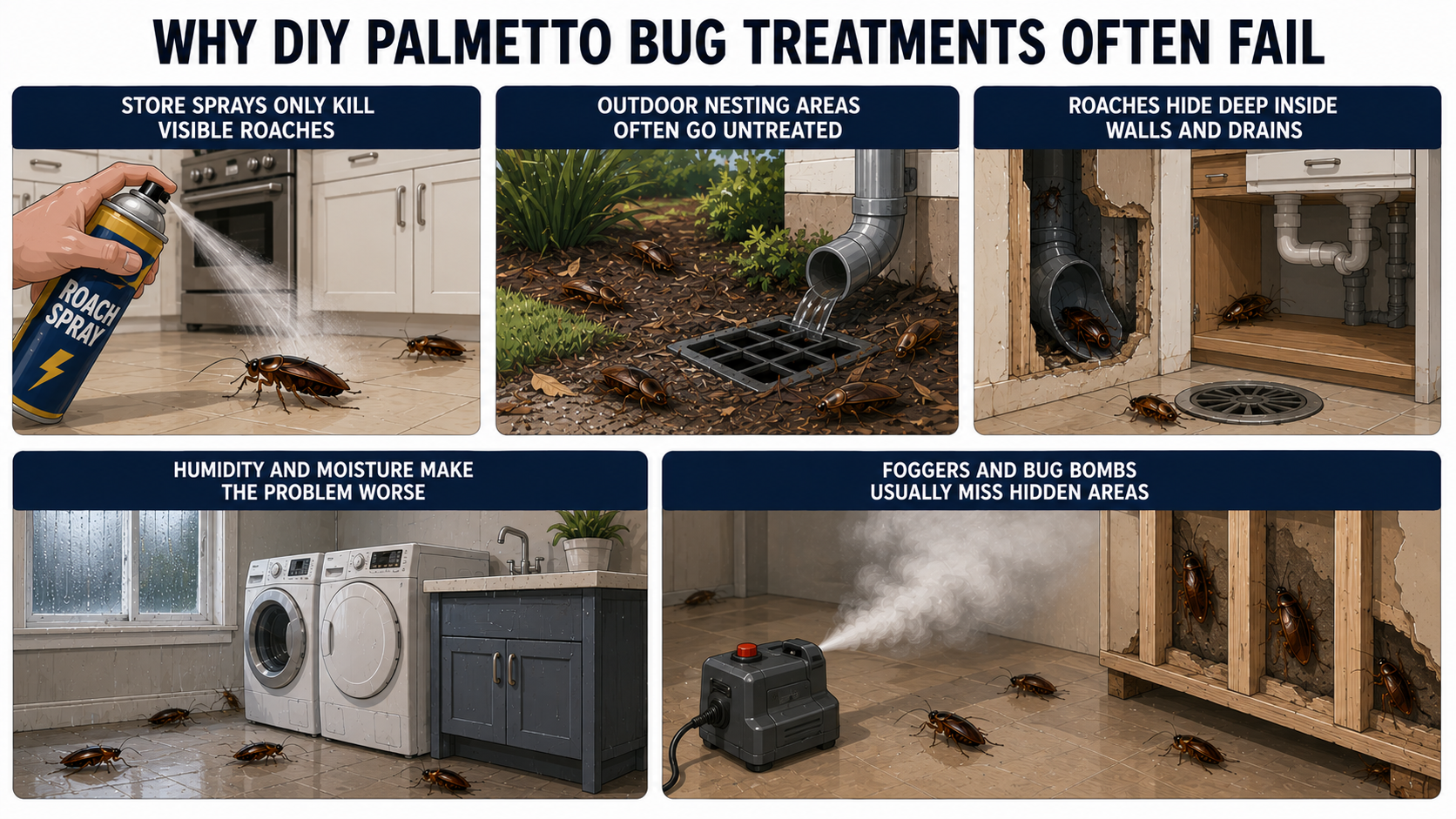
Because American cockroaches typically nest outdoors and hide in hard-to-reach areas, successful treatment usually requires more than simply spraying the roaches you see inside the home.
- Store Sprays Only Kill Visible Roaches – Most over-the-counter sprays only affect roaches that come into direct contact with the product. They rarely eliminate hidden nesting areas or stop additional roaches from continuing to enter the home.
- Outdoor Nesting Areas Often Go Untreated – Palmetto bugs commonly nest in mulch beds, drains, sewer systems, landscaping, and moist outdoor areas around the property. If these areas are not addressed, indoor activity may continue even after repeated DIY treatments.
- Roaches Hide Deep Inside Walls And Drains – American cockroaches often hide behind walls, beneath appliances, inside plumbing voids, and around drain systems where store products may not fully reach. This is one reason recurring sightings are common after DIY attempts.
- Humidity And Moisture Make The Problem Worse – South Florida’s humidity creates ideal conditions for roaches to survive and reproduce. Moisture buildup around kitchens, bathrooms, garages, and laundry rooms can continue attracting palmetto bugs even after surface treatments are applied.
- Foggers And Bug Bombs Usually Miss Hidden Areas – Foggers may kill exposed insects temporarily, but they often fail to penetrate cracks, wall voids, drains, and hidden nesting locations where roaches spend most of their time.
Professional treatment plans often involve targeted perimeter treatments, crack and crevice applications, moisture-related recommendations, and identifying conditions that may be contributing to recurring activity. Working with a company that provides professional pest control in Weston, Florida and long-term ongoing pest protection plans can help reduce recurring palmetto bug problems more effectively than temporary DIY solutions.
How Professional Palmetto Bug Control Works
Effective palmetto bug treatment involves much more than simply spraying visible roaches. Because American cockroaches often hide outdoors and move indoors through moisture-prone areas, successful treatment typically requires a combination of inspection, targeted applications, and ongoing monitoring.
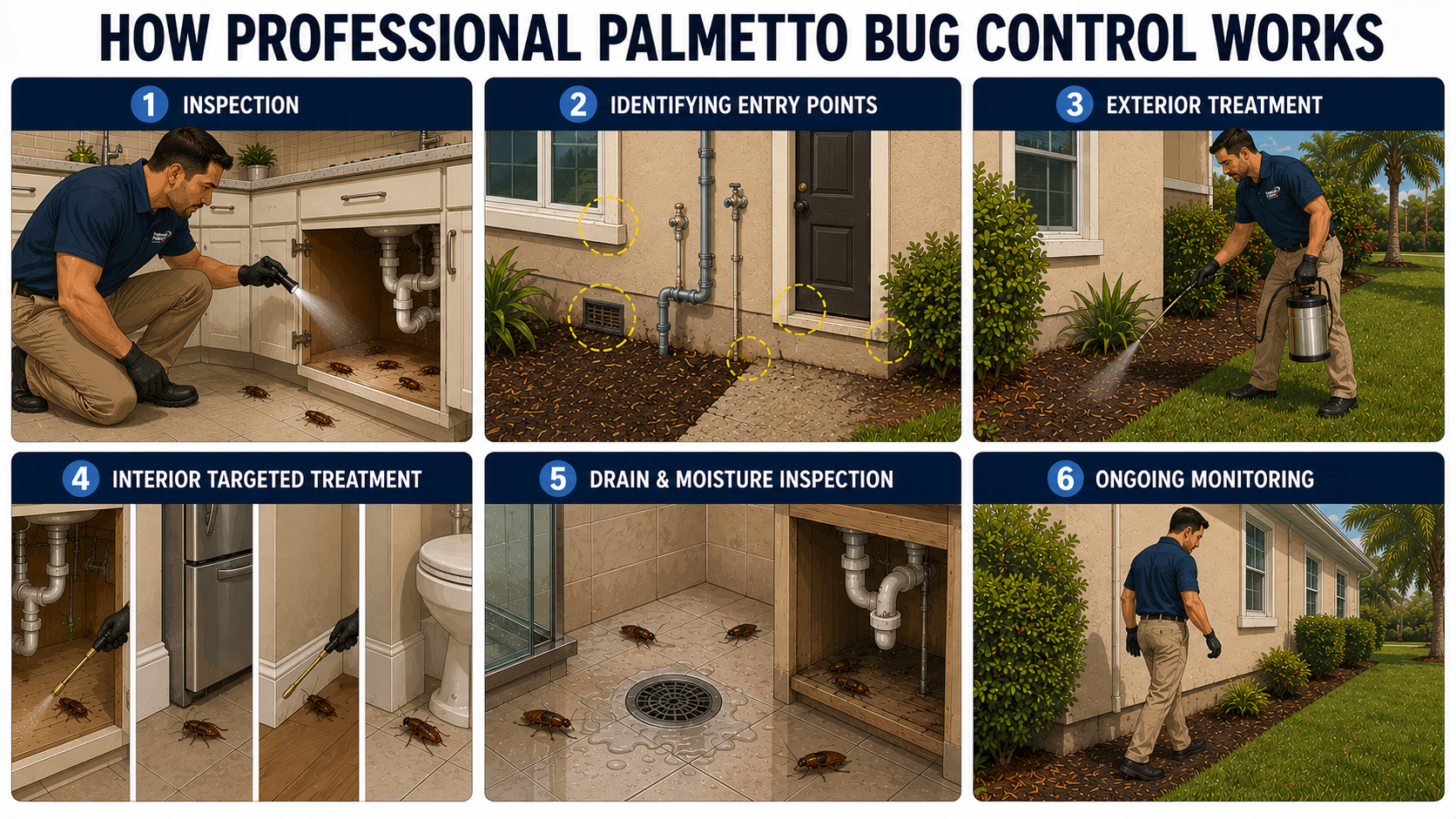
Professional treatment plans are designed to identify the source of recurring activity while helping reduce the conditions that attract palmetto bugs around the property.
- Inspection – The first step involves inspecting the home for signs of palmetto bug activity, moisture issues, harborage areas, and locations where roaches may be entering or nesting.
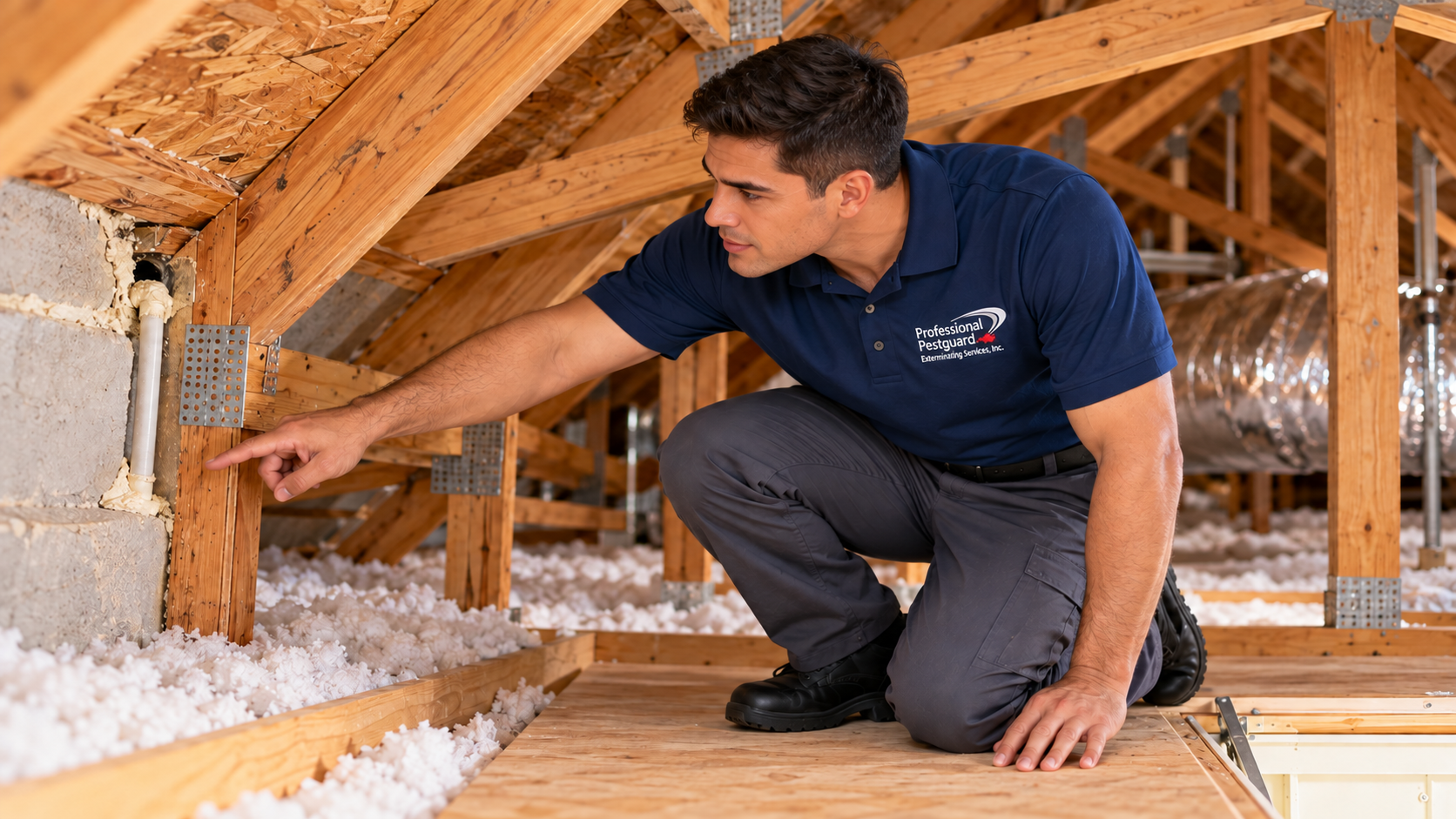
- Identifying Entry Points – During the inspection process, areas around doors, windows, plumbing lines, garages, drains, and utility penetrations are evaluated to identify conditions that may be allowing roaches indoors.
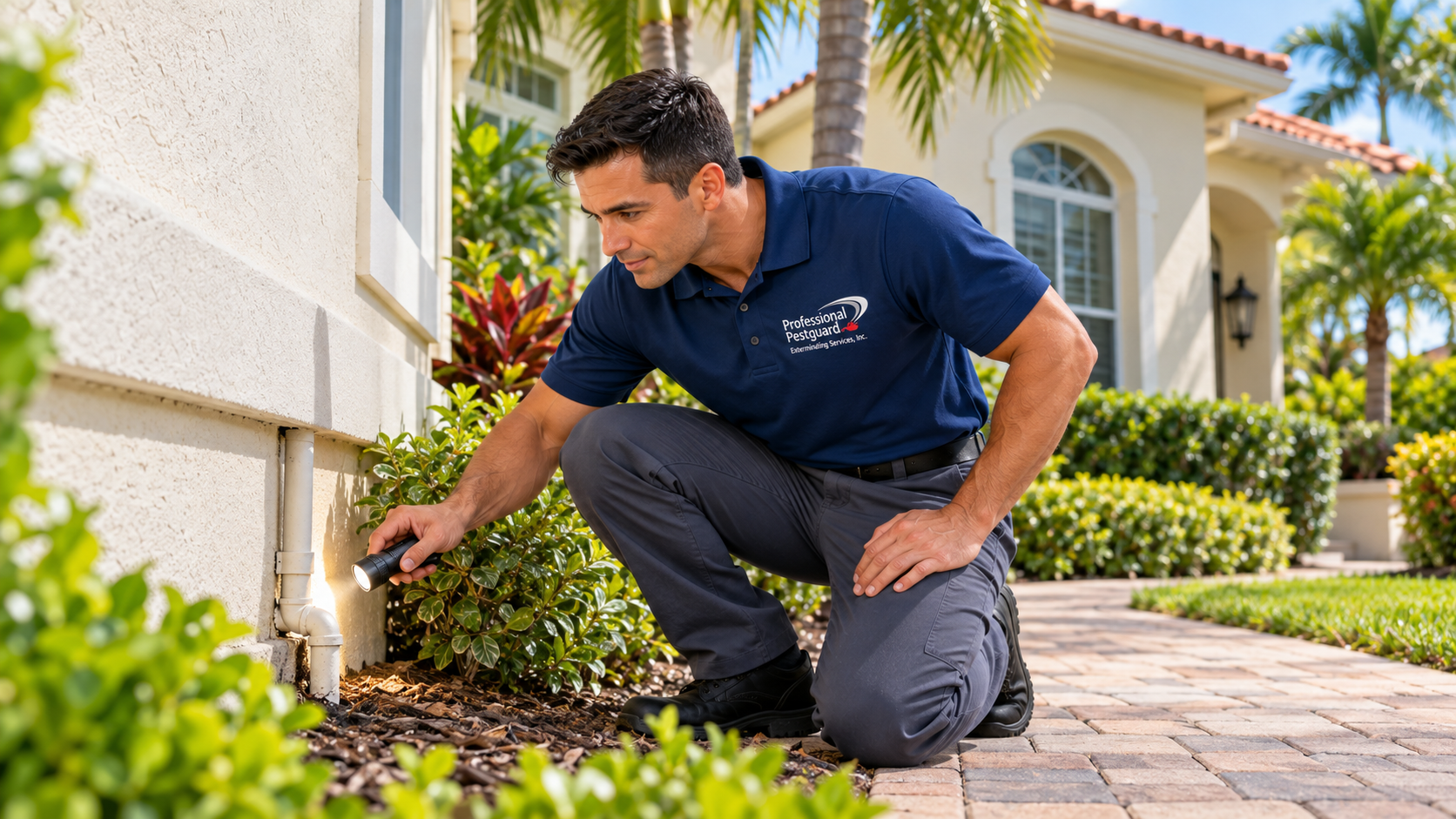
- Exterior Treatment – Since American cockroaches commonly live outdoors, exterior perimeter treatments around the foundation, landscaping, mulch beds, entry points, and other high-activity areas are often an important part of controlling recurring infestations.
- Interior Targeted Treatment – Interior applications are typically focused on areas where palmetto bugs are most active, including kitchens, bathrooms, laundry rooms, garages, under sinks, around plumbing voids, and near drains.
- Drain And Moisture Inspection – Moisture buildup and standing water can contribute to ongoing cockroach activity. Inspecting drains, plumbing areas, humidity-prone spaces, and water sources helps identify conditions that may be attracting roaches.
- Ongoing Monitoring – Continued monitoring helps track recurring activity over time and allows treatment plans to be adjusted as needed, especially during South Florida’s rainy season when palmetto bug activity may increase.
Working with a professional company that specializes in palmetto bug control and experienced roach exterminator services in Broward can help provide a more targeted and long-term approach to managing recurring roach activity.
How To Help Prevent Palmetto Bugs After Rain
Heavy rain and humidity can create ideal conditions for palmetto bugs throughout South Florida, especially around homes with excess moisture, outdoor debris, or easy entry points. While no prevention method is completely foolproof, taking proactive steps around the home can help reduce the chances of recurring roach activity after storms.
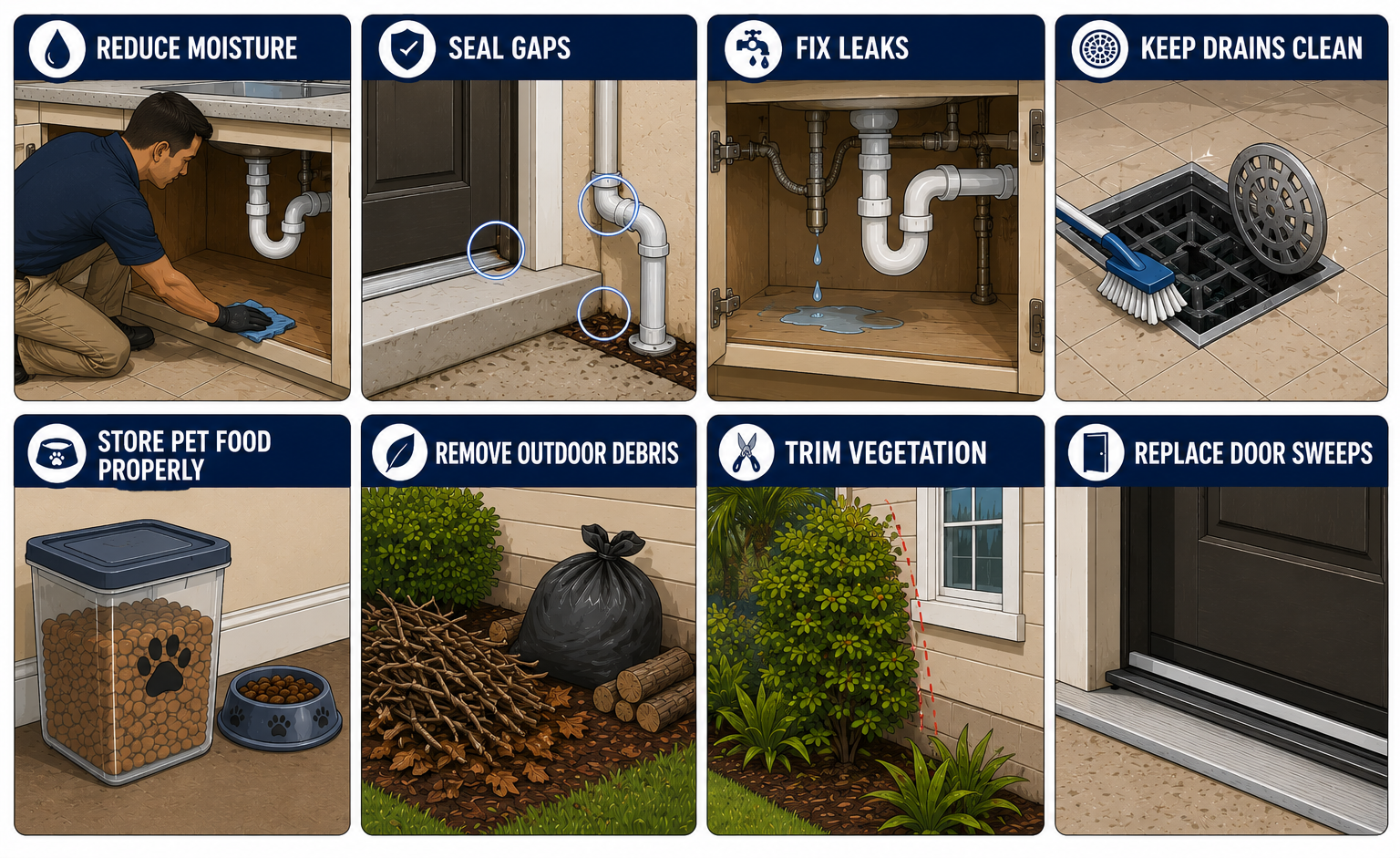
Keeping both indoor and outdoor areas dry, clean, and properly maintained can go a long way toward improving long-term rodent & pest prevention and overall home pest protection.
- Reduce Moisture Around The Home – Palmetto bugs are strongly attracted to humid and damp environments. Reducing excess moisture around kitchens, bathrooms, garages, laundry rooms, and outdoor landscaping can help make the property less attractive to roaches.
- Seal Gaps And Entry Points – Small openings around doors, windows, plumbing lines, utility penetrations, and garage areas can allow roaches indoors. Identifying and sealing these gaps may help reduce pest entry after heavy rain.
- Fix Plumbing Leaks Quickly – Leaking pipes, dripping faucets, and standing water beneath sinks can provide a steady moisture source for palmetto bugs and other pests.
- Keep Drains Clean – Floor drains, kitchen drains, and shower drains can attract roaches searching for moisture and organic debris. Regular cleaning may help reduce activity around these areas.
- Store Pet Food Properly – Pet food left out overnight can attract palmetto bugs and other pests indoors. Sealing food containers and cleaning crumbs regularly can help minimize attractants.
- Remove Outdoor Debris – Mulch piles, leaves, wood piles, and excess organic debris around the home can create outdoor harborage areas for American cockroaches.
- Trim Vegetation Around The Home – Bushes, palm trees, and overgrown landscaping touching the home can create easier pathways for pests to move indoors.
- Replace Worn Door Sweeps – Damaged door sweeps and garage seals may allow roaches to enter beneath exterior doors, especially during periods of heavy rain and flooding.
Taking preventive steps early can help reduce the likelihood of recurring palmetto bug problems and support long-term pest management throughout South Florida’s rainy season.
Frequently Asked Questions About Palmetto Bugs After Rain
Heavy rain and humidity in South Florida often lead to sudden increases in palmetto bug activity around homes and businesses. Below are some of the most common questions homeowners ask about why American cockroaches appear after storms, what attracts them indoors, and how professional treatment can help reduce recurring infestations.
Why do palmetto bugs come out after rain?
Heavy rain can flood outdoor nesting areas like mulch beds, drains, sewer systems, and landscaping, forcing palmetto bugs to search for dry shelter indoors. This is why many homeowners suddenly notice increased roach activity after storms.
Are palmetto bugs dangerous?
Palmetto bugs are not typically aggressive, but they can spread bacteria and contaminate surfaces as they move through drains, garbage areas, and moist environments. Large infestations may also contribute to allergy and asthma concerns for some individuals.
Does seeing one palmetto bug mean infestation?
Not always. In South Florida, it’s fairly common to occasionally see a single American cockroach indoors, especially after heavy rain. However, repeated sightings, nighttime activity, droppings, or egg casings may indicate a larger roach problem.
Why are palmetto bugs common in South Florida?
South Florida’s warm temperatures, high humidity, tropical landscaping, and frequent rainfall create ideal conditions for American cockroaches to survive year-round.
Can rain push roaches inside homes?
Yes. Heavy rain often floods outdoor harborage areas and pushes roaches indoors through door gaps, plumbing penetrations, garage seals, drains, and other small openings around the home.
What is the best treatment for palmetto bugs?
The most effective approach usually involves a combination of exterior perimeter treatments, targeted interior applications, moisture reduction, and ongoing monitoring. Working with a professional company that provides palmetto bug control and long-term home pest protection can help reduce recurring activity more effectively than temporary DIY treatments.
Final Thoughts On Palmetto Bugs After Rain In South Florida
Seeing palmetto bugs after heavy rain is extremely common throughout Broward County and South Florida, especially during periods of high humidity and frequent storms. As outdoor nesting areas become flooded, American cockroaches often move indoors searching for dry shelter, moisture, and food sources around kitchens, bathrooms, garages, drains, and laundry rooms.
While occasional sightings may happen from time to time, recurring roach activity can quickly become frustrating for homeowners if the underlying conditions are not properly addressed. Taking proactive steps like reducing moisture, maintaining the home, and investing in ongoing pest protection can help lower the chances of recurring infestations.
If you’re continuing to see palmetto bugs around your home after rain, Professional Pestguard provides professional palmetto bug control, ongoing home pest protection, and experienced roach exterminator services in Broward to help reduce recurring roach activity throughout South Florida.
📞 Contact Professional Pestguard today at (954) 389-6107 to schedule your pest control estimate.
About Professional Pestguard
Professional Pestguard provides professional pest control in Weston, FL and nearby communities including Davie, Sunrise, Pembroke Pines, and Plantation. With over 40 years of experience, our licensed technicians protect homes and businesses across Broward County and Miami-Dade County from ants, cockroaches, rodents, spiders, and other common South Florida pests using safe and effective treatments.