Ants in the Kitchen: Why It Happens and How to Stop It Fast
Noticing a line of ants marching across your kitchen counter? You clean it up… and somehow, they’re back hours later.
In South Florida, ants don’t just wander in—they move in. Warm weather, moisture, and easy access to food make your kitchen the perfect target. Here’s why it keeps happening—and what actually works to stop them fast.
Why do ants suddenly appear in the kitchen?
If you’ve ever woken up to a trail of tiny ants marching across your kitchen counter, you’re not alone. In South Florida, this is one of the most common pest problems homeowners face.
So why the kitchen?
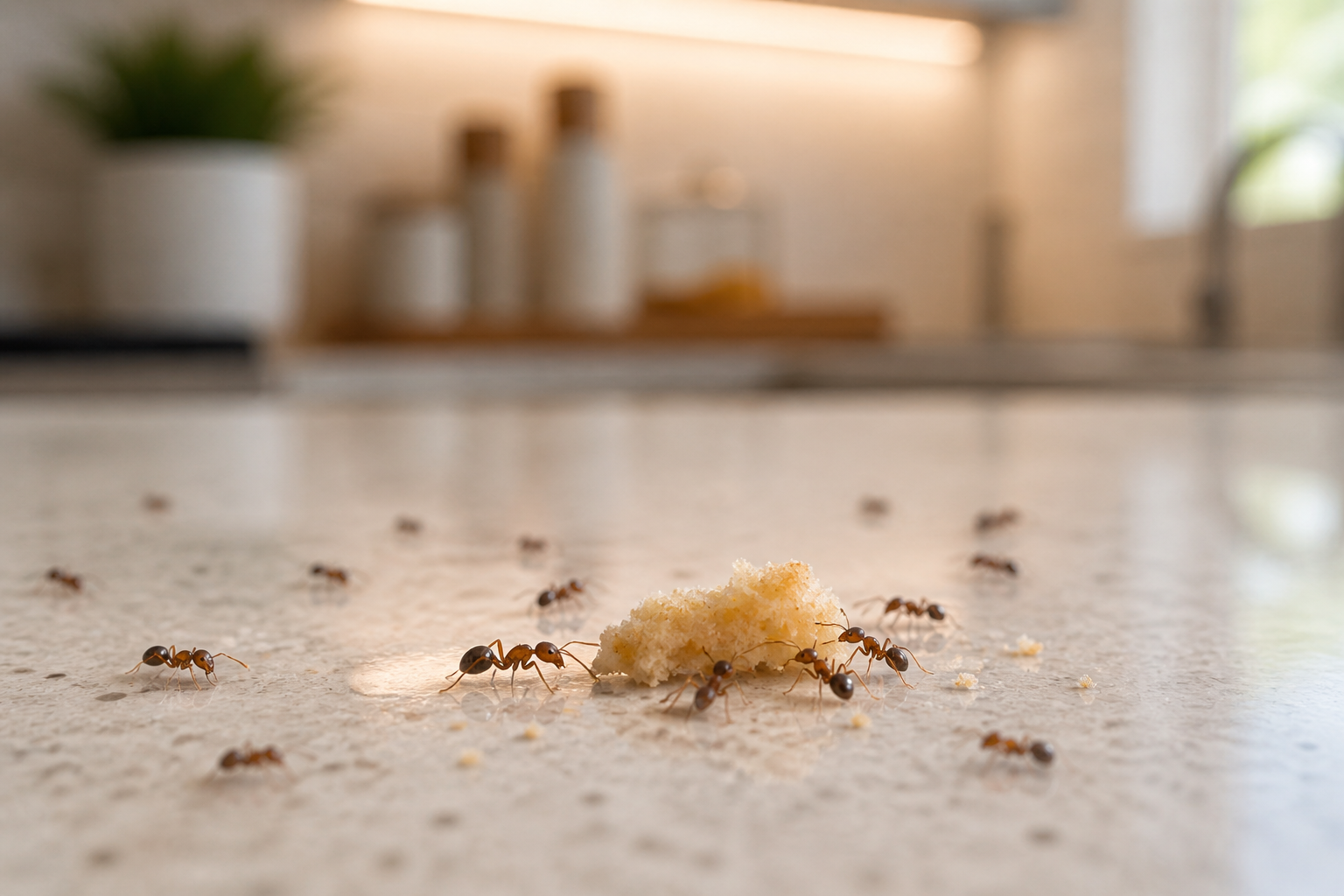
It comes down to survival. Your kitchen offers everything ants need to thrive—food, water, and shelter. Even a small crumb or a drop of juice can attract a scout ant. Once it finds a food source, it leaves behind a pheromone trail, turning one ant into a full-blown invasion within hours.
In areas like Weston and across Broward County, heat and heavy rain push ants indoors. Your kitchen becomes the perfect escape, especially with leaky faucets, damp areas, and easy access to food.
On top of that, most homes unknowingly invite ants inside. Tiny cracks in windows, gaps under doors, and openings around pipes make it easy for them to enter. And once they establish a trail, they won’t stop coming back until the source is completely eliminated.
Common types of ants in South Florida kitchens
Not all ants in your kitchen are the same—and treating them like they are is one of the biggest mistakes homeowners make.
Some ants are drawn to sugar, others to moisture, and some can quietly build massive colonies behind your walls. That means what works for one infestation might completely fail for another.
If you’re seeing ants in your kitchen, identifying the type is the first step to actually getting rid of them for good.
Ghost Ants
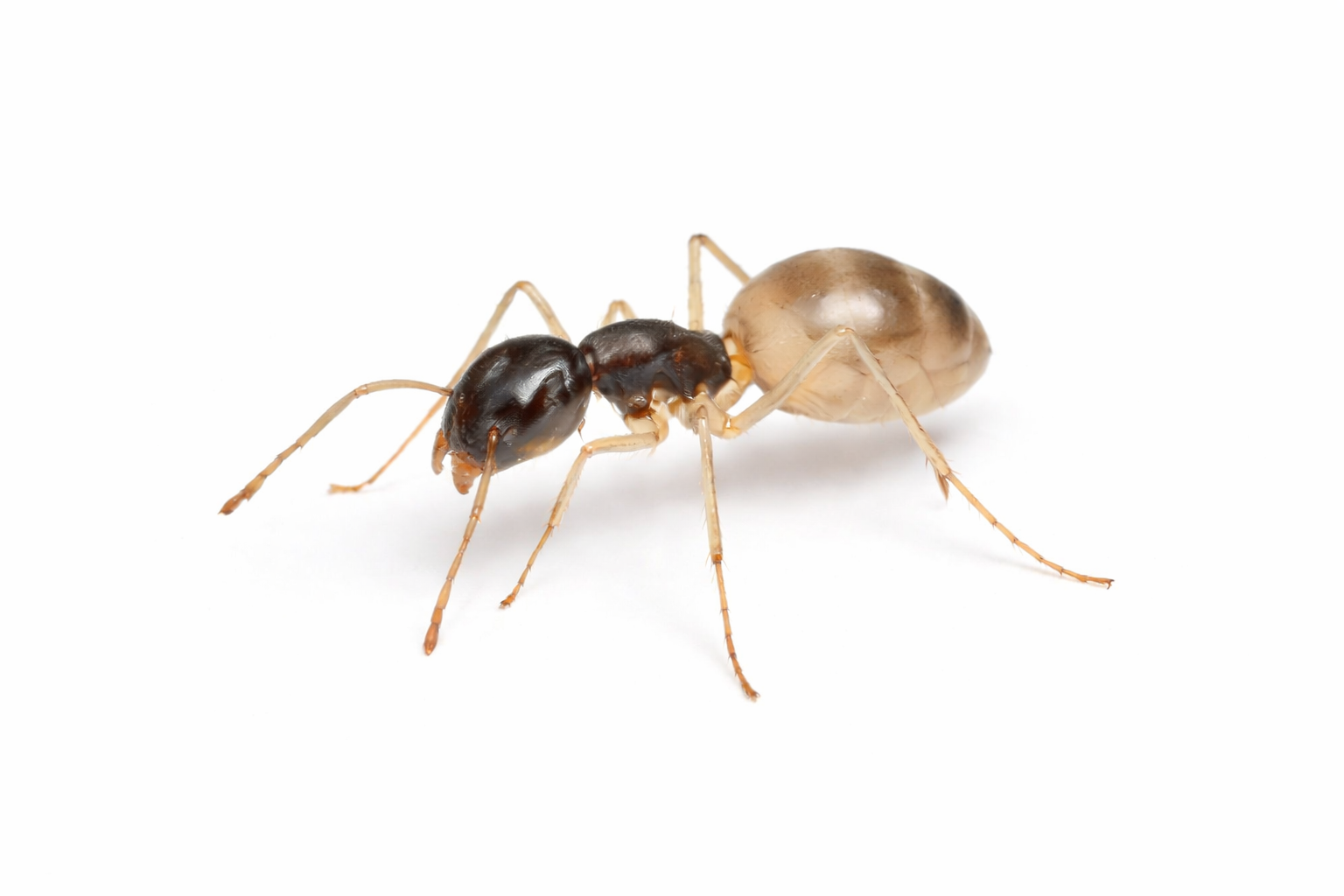
Tiny and nearly translucent, ghost ants are extremely common in South Florida homes. They’re drawn to sweets and moisture, often gathering near sinks and counters. When disturbed, they can split into multiple colonies, making them difficult to eliminate with basic treatments.
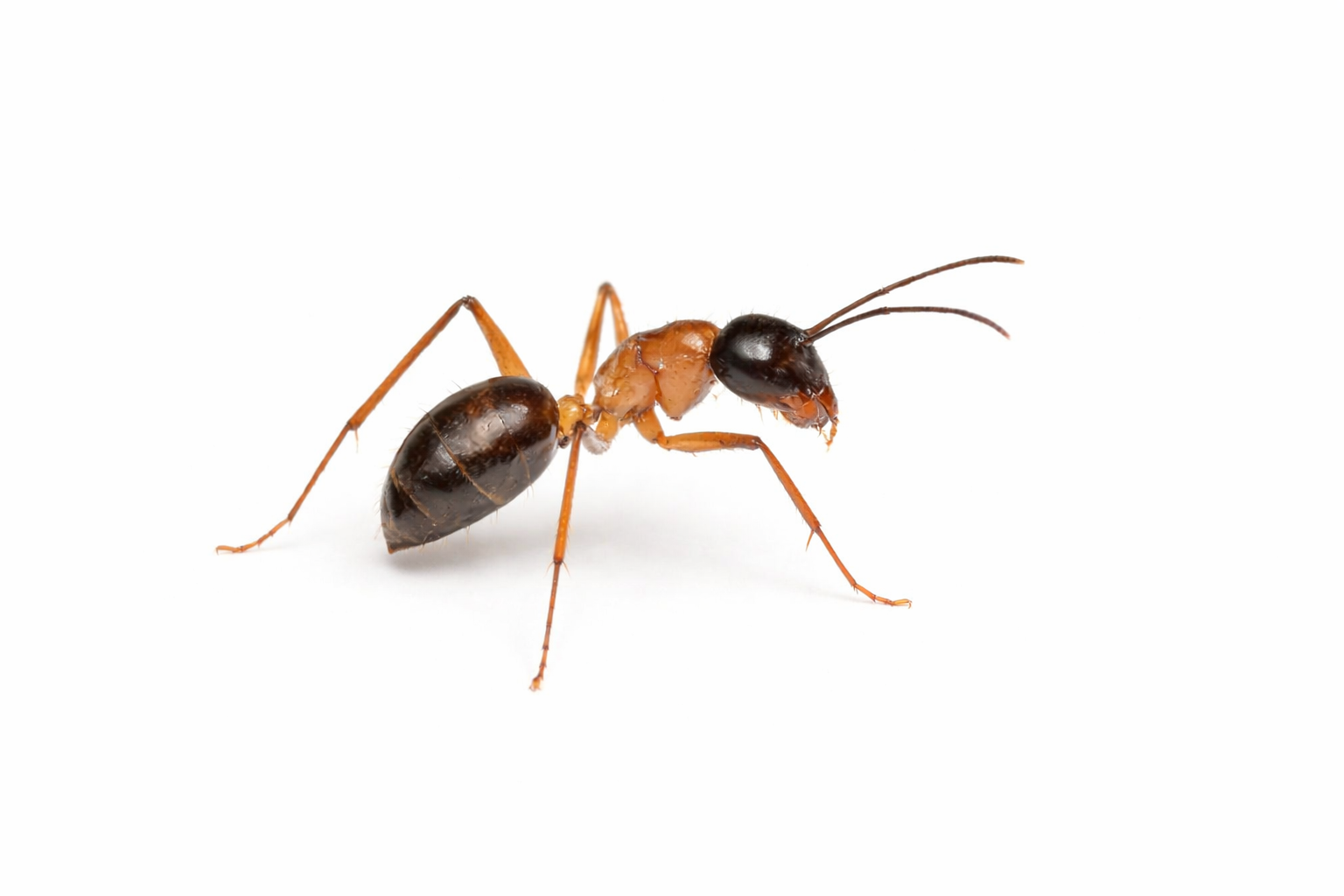
Sugar Ants
Sugar ants are small ants attracted to sweets, crumbs, and sugary spills. They’re commonly found in kitchens and pantries, forming visible trails to food sources. While they seem harmless, their persistence can quickly turn a small issue into a recurring infestation.
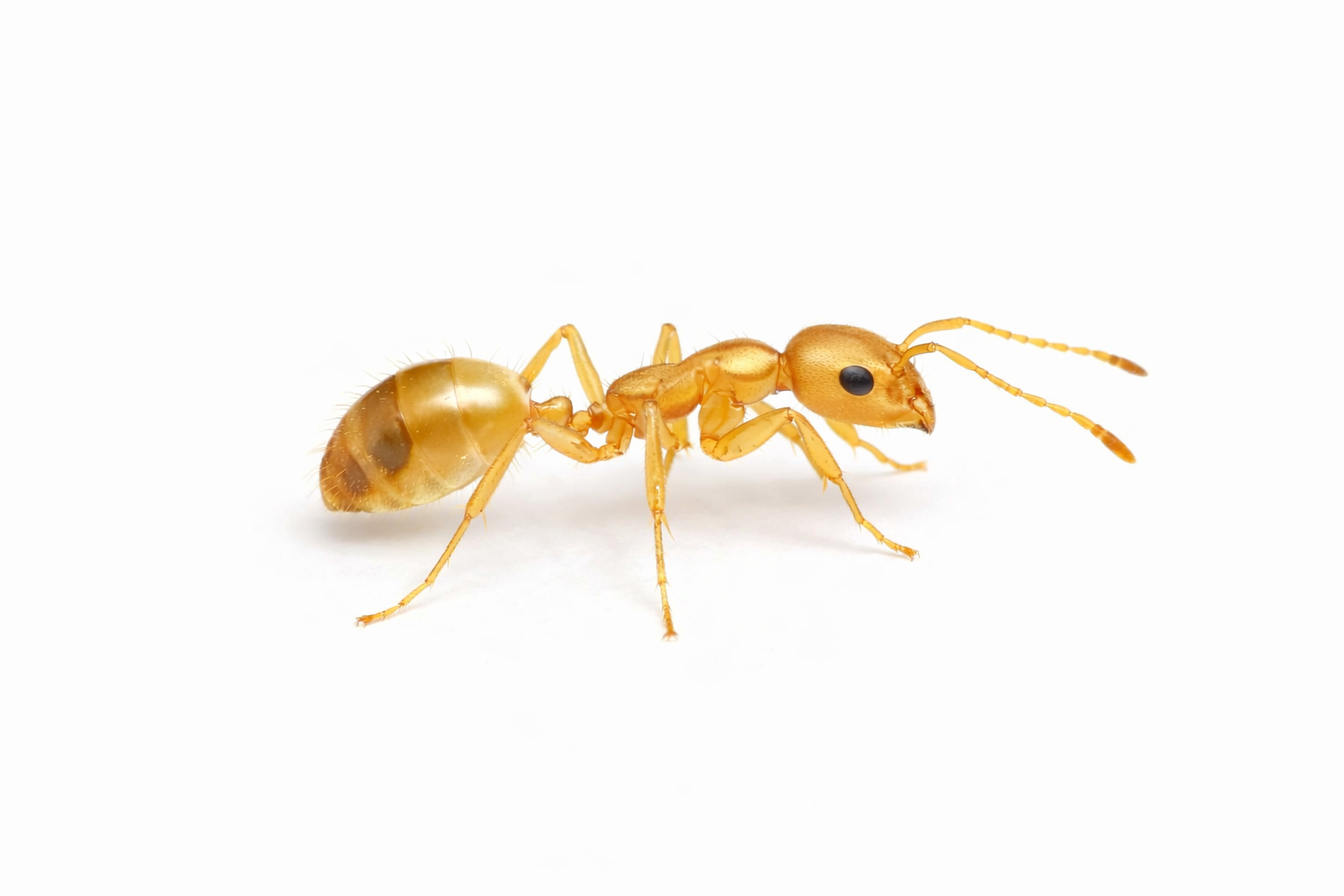
Pharaoh Ants
Pharaoh ants are tiny, yellowish ants that thrive indoors and are difficult to control. They nest inside walls, cabinets, and outlets. When treated improperly, they can split into multiple colonies, spreading the infestation instead of eliminating it.
Carpenter Ants
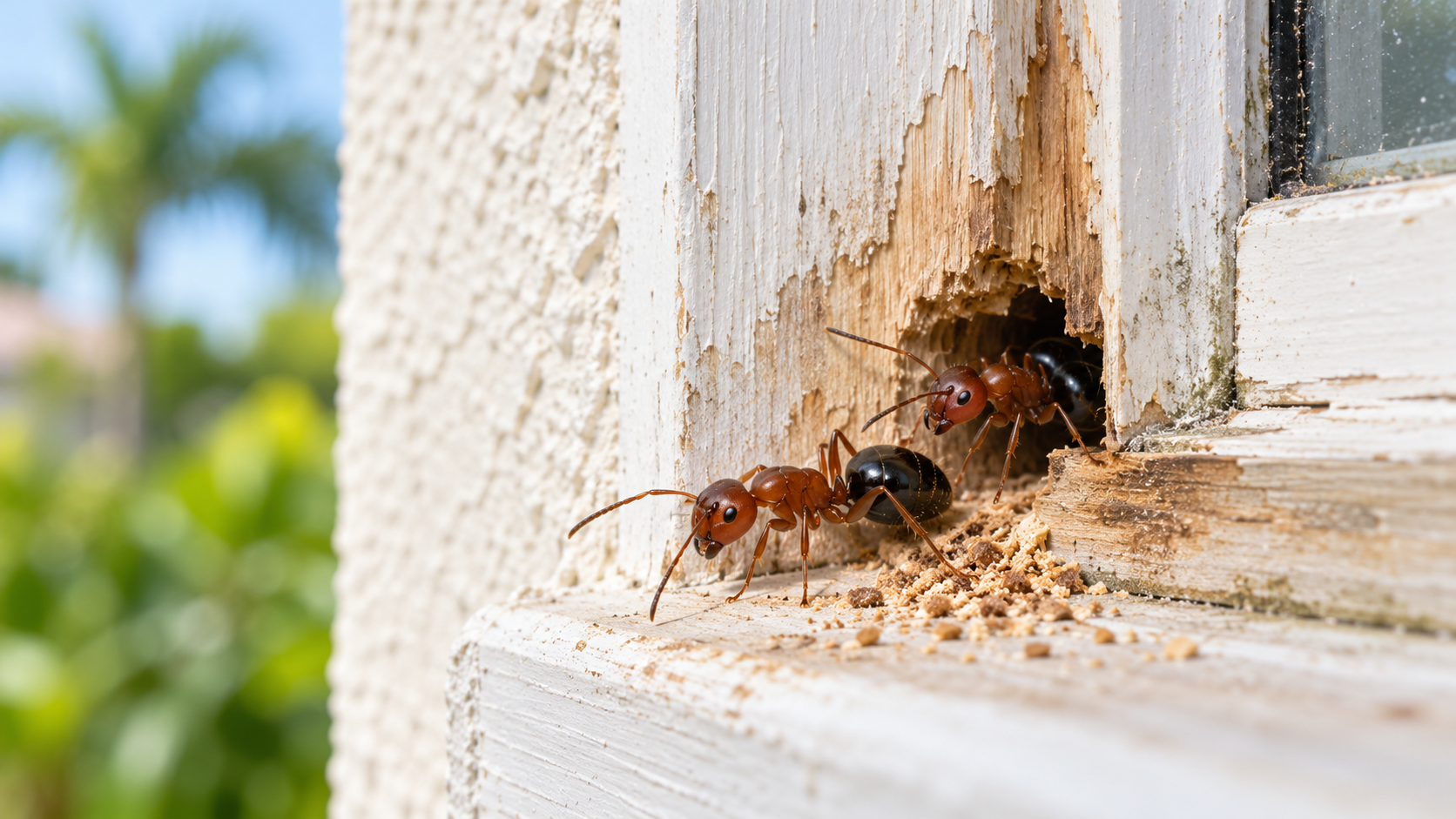
Carpenter ants are larger and darker, often mistaken for termites. They don’t eat wood but tunnel through it to build nests, which can cause structural damage over time. They’re typically found in damp areas like under sinks, windows, and inside walls.
White-Footed Ants
White-footed ants are dark with noticeably pale-colored feet and are known for forming massive colonies. They travel in long, consistent trails to food sources and are less responsive to standard bait treatments, making them harder to control without professional help.
Ghost Ants
Tiny and nearly translucent, ghost ants are extremely common in South Florida homes. They’re drawn to sweets and moisture, often gathering near sinks and counters. When disturbed, they can split into multiple colonies, making them difficult to eliminate with basic treatments.
Sugar Ants
Sugar ants are small ants attracted to sweets, crumbs, and sugary spills. They’re commonly found in kitchens and pantries, forming visible trails to food sources. While they seem harmless, their persistence can quickly turn a small issue into a recurring infestation.
How do I find where ants are coming from?
If you’re only killing the ants you see, you’re not solving the problem—you’re just scratching the surface.
Finding the source of an ant infestation is like being a detective. Ants don’t randomly appear—they follow invisible scent trails that lead back to their nest. If you follow that trail carefully, it can reveal exactly where they’re entering your home.
Start by watching their movement. Ants typically travel in a steady line, often leading back to cracks in walls, gaps near windows, or openings under doors. In kitchens, they’re commonly drawn to sinks, dishwashers, and areas where moisture and food are present.
But the source isn’t always inside.
Many infestations actually begin outdoors. Check along the exterior of your home, especially near the foundation, garden beds, or areas where tree branches touch the structure. Ants use these as bridges to get inside.
Inside your kitchen, focus on hidden areas like under the sink, behind appliances, and inside cabinets. You can even place a small drop of sugar water or honey on a piece of cardboard—within an hour, ants will gather and lead you straight back to their entry point.
Immediate steps to stop an ant infestation
If you’ve spotted ants in your kitchen, acting quickly is key—because what starts as a few ants can turn into a full infestation fast. While long-term control requires a deeper approach, these immediate steps will help disrupt the activity and slow things down right away:
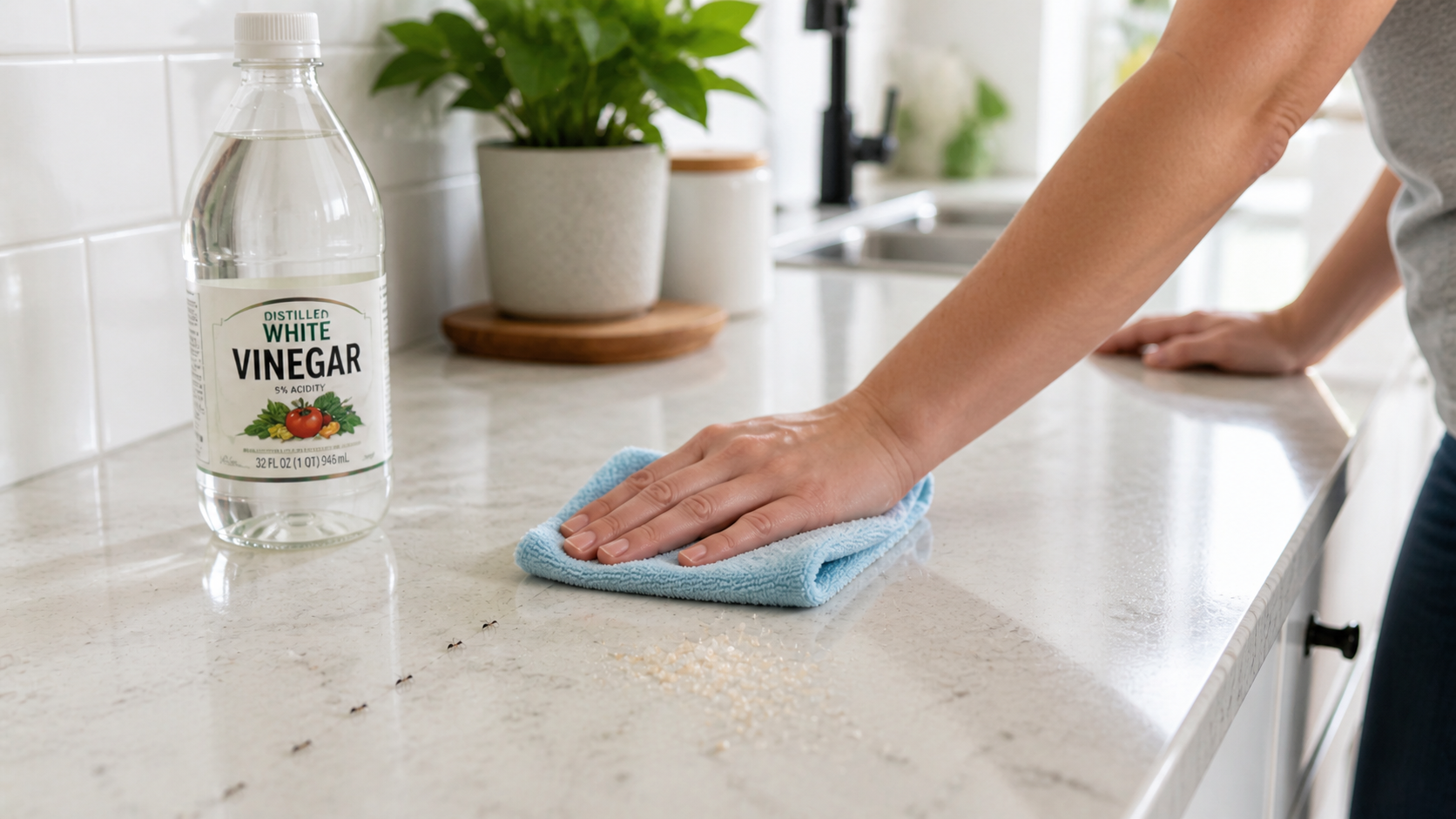
- Clean with Vinegar:
Use a 50/50 mix of white vinegar and water to wipe down counters and surfaces. This doesn’t just clean—it erases the invisible pheromone trails ants use to navigate, cutting off their path back to food sources. - Store Food Properly:
Move all open food into airtight containers. Ants can easily get into cardboard and loosely sealed packaging, especially sugary or dry foods like cereal and snacks. - Dry Up Moisture:
Fix leaks and avoid leaving wet sponges or cloths out overnight. Ants are just as attracted to water as they are to food, especially in South Florida’s humid environment. - Empty the Trash:
Take out your kitchen trash daily, particularly if it contains food scraps or sweet residue. Even small amounts can attract scouts. - Seal Entry Points:
Use temporary fixes like painter’s tape or sealant to block visible cracks and gaps. This helps limit how many ants can continue entering your home.
These steps remove the “reward” that’s attracting ants—but they don’t eliminate the colony itself.
If ants are still showing up, it means the nest is nearby—often hidden behind walls, under floors, or outside your home.
That’s where targeted ant control becomes essential. Professional treatment focuses on eliminating the source, not just the ants you see.
What is the best way to prevent kitchen ants?
The best way to deal with ants is to stop them before they ever become a problem.
In South Florida, where ants are active year-round, prevention isn’t optional—it’s essential. Even small gaps, crumbs, or moisture buildup can turn your kitchen into a target. The goal is to eliminate what attracts them and block how they get in.
Maintenance tips for a pest-free kitchen:
- Trim vegetation away from your home: Keep shrubs and tree branches at least 12 inches from the structure to prevent ants from using them as bridges.
- Seal and maintain entry points: Check window screens, door seals, and caulking for gaps where ants can enter.
- Stay on top of hidden crumbs: Regularly clean under appliances, behind the stove, and inside cabinets where food debris builds up.
- Remove overnight food sources: Don’t leave pet food or dirty dishes out—ants are most active when your kitchen is quiet.
- Rinse recyclables before storing: Even small amounts of sugar or residue in cans and jars can attract scouting ants.
Consistency is what keeps ants out for good. But in South Florida, where pest pressure is constant, even well-maintained homes and businesses can still experience recurring issues.
If ants keep coming back despite your efforts, it’s often a sign that the colony is established nearby—and prevention alone may not be enough.
For larger properties, shared spaces, or high-traffic environments, a more strategic approach may be needed. Our Commercial Ant Control solutions are designed to handle persistent infestations at the source and keep them from returning.
Can I get rid of kitchen ants on my own?
You can—but in many cases, it won’t fully solve the problem.
Many homeowners reach for a spray at the first sign of ants. While this may kill the ants you see, it often makes the situation worse. Certain species, like Pharaoh ants, respond to sprays by “fracturing”—splitting into multiple colonies to survive, which can quickly multiply the infestation.
DIY baits can help with small, temporary issues, but they require precision and patience. The goal is to let ants carry the bait back to the colony. If the bait is too strong, the ant dies before reaching the nest. If it’s too weak, it may not be effective at all. On top of that, most store-bought products are “one-size-fits-all,” which doesn’t account for different ant species or seasonal behavior changes.
If your efforts aren’t working after a week or two, it’s usually a sign the colony is well-established or hidden in an inaccessible area.
At that point, continuing DIY treatments can become frustrating—and expensive.
Professional
ant control focuses on eliminating the colony at the source, not just the ants you see.
Professional solutions for persistent infestations
If ants keep coming back, it’s not a surface problem—it’s a colony problem. And that’s exactly where professional treatment makes the difference.
At Professional Pestguard, we don’t just spray and leave. We identify the root of the infestation and eliminate it at the source using methods designed specifically for South Florida’s climate and the species common to this region.
With over 40 years of experience, we understand how ants behave here—and more importantly, how to stop them for good.
Our residential ant control process is designed to be thorough, targeted, and long-lasting:

- Detailed Inspection: We identify the exact ant species and locate both primary and satellite nests—something most DIY treatments miss.
- Targeted Baiting: We use professional-grade baits tailored to the species in your home, ensuring ants carry the treatment back to the colony where it matters.
- Non-Repellent Treatments: Our products are undetectable to ants, allowing them to walk through treatment zones and unknowingly spread it throughout the colony.
- Perimeter Protection: We create a protective barrier around your home to stop new ants from entering.
- Follow-Up Care: We provide ongoing support and monitoring to make sure the infestation doesn’t return.
The difference isn’t just killing ants—it’s making sure they don’t come back.
Whether you’re dealing with a small but persistent problem or a full infestation, having a professional team on your side saves time, frustration, and repeated treatments.
If you’re ready for a long-term solution, Professional Pestguard is here to help.
For the best results, you can also review our Ant Control Preparation Guide before your service to maximize effectiveness.
Frequently Asked Questions About Kitchen Ants in South Florida
Still have questions about ants in your kitchen? You’re not alone. Here are some of the most common questions homeowners in South Florida ask—and what you need to know to solve the problem for good.
Why do ants keep coming back in my kitchen?
Ants keep coming back because the source of the infestation hasn’t been eliminated. Even if you clean the surface, pheromone trails and nearby colonies remain active. In South Florida, moisture and food sources make kitchens especially attractive, allowing ants to return quickly.
What attracts ants to my kitchen the most?
Ants are primarily attracted to food, moisture, and shelter. Crumbs, sugary spills, pet food, and even small water leaks can draw them in. In humid climates like South Florida, moisture plays an even bigger role in attracting ants indoors.
Does vinegar really get rid of ants?
Vinegar helps remove ants temporarily by erasing their scent trails. While it can disrupt their path, it does not eliminate the colony. For long-term control, the nest must be targeted directly.
What is the fastest way to get rid of ants in the kitchen?
The fastest way is to clean surfaces, remove food sources, and use targeted baiting methods. However, for persistent infestations, professional ant control is the most effective way to eliminate the colony at its source.
Is it better to use ant bait or spray?
Bait is generally more effective than spray because it allows ants to carry the treatment back to the colony. Sprays often kill only the visible ants and can sometimes cause colonies to split, making the infestation worse.
When should I call a professional for ants?
You should call a professional if ants keep returning after DIY treatments, if you see large numbers of ants, or if the infestation lasts longer than one to two weeks. This usually means the colony is well-established and requires targeted treatment.
Are ants in the kitchen dangerous?
Most ants are not dangerous, but they can contaminate food and become a persistent nuisance. Some species, like fire ants, can pose risks outdoors, while others can indicate deeper infestation issues inside the home.
Keep your kitchen ant-free for good
Ants in the kitchen are frustrating—but they don’t have to be a constant problem. Once you understand what’s attracting them and how they operate, it becomes much easier to stop the cycle.
From removing food sources and sealing entry points to using the right treatment methods, lasting control comes from addressing both the symptoms and the source.
Key Takeaways for Ant Control:
- Identify the type: Different ants require different solutions—knowing what you’re dealing with is the first step.
- Break the trail: Clean surfaces with vinegar or similar solutions to disrupt pheromone paths.
- Seal entry points: Close gaps around windows, doors, and plumbing to limit access.
- Avoid repellent sprays: These can cause colonies to split and spread the infestation.
- Eliminate the source: Surface treatments help, but lasting results come from targeting the colony directly.
If ants keep returning despite your efforts, it’s usually a sign the problem goes deeper than what’s visible.
That’s where a targeted, professional approach can make all the difference.
Ready to take care of it for good? Contact Professional Pestguard today for a customized treatment plan built to keep your home protected year-round.
About Professional Pestguard
Professional Pestguard provides professional pest control in Weston, FL and nearby communities including Davie, Sunrise, Pembroke Pines, and Plantation. With over 40 years of experience, our licensed technicians protect homes and businesses across Broward County and Miami-Dade County from ants, cockroaches, rodents, spiders, and other common South Florida pests using safe and effective treatments.