How Often Should You Get Pest Control in South Florida? (5 Tips)
If you’re only getting pest control every three months, you could already be leaving your home unprotected.
In this climate, pests don’t take a break—and neither should your protection. Heat and humidity keep insects active year-round, and most treatments begin to lose effectiveness after about 60 days. That’s why more homeowners are switching to a bimonthly schedule to avoid gaps in coverage.
If you’ve started noticing early warning signs—like increased activity or even signs of a roach problem—it’s often a sign that your current schedule isn’t keeping up.
How does the South Florida climate affect pest activity?

In most parts of the country, pests slow down during colder months. In South Florida, they stay active all year long. There’s no true “off-season” here. Areas like Weston experience constant warmth and humidity, creating the perfect environment for pests to breed, feed, and spread 365 days a year.
South Florida gives pests everything they need to survive—heat, moisture, and shelter. When heavy rains hit, pests like ants and cockroaches are forced out of the ground and into nearby homes. During dry periods, they move indoors searching for water. Either way, your home becomes the target.
That’s why ongoing residential pest control isn’t just helpful—it’s necessary to stay ahead of infestations before they start.
Why is bimonthly pest control better for South Florida homes?
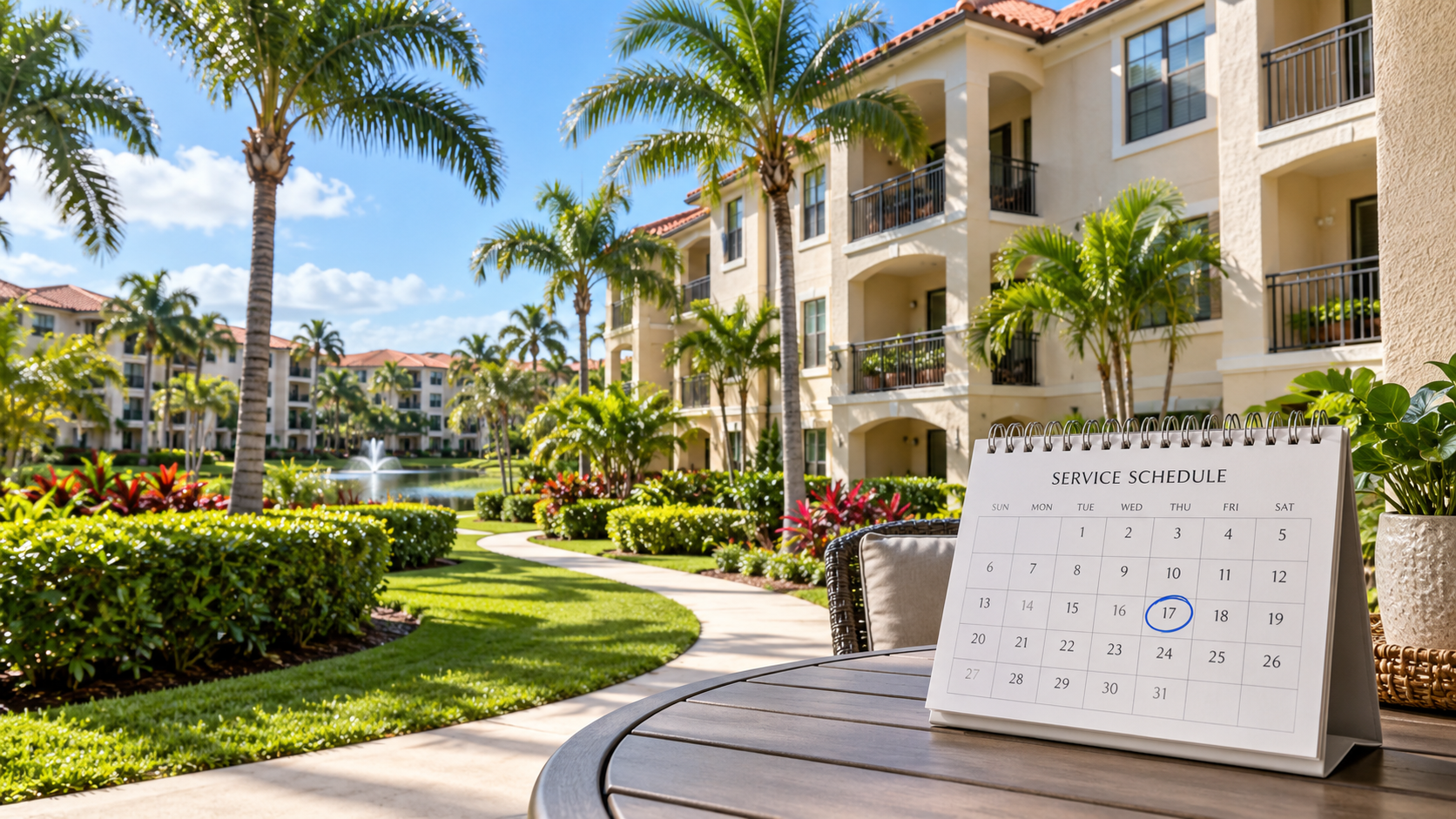
While some companies still offer quarterly (every three months) service, bimonthly pest control is the standard for homes in South Florida. The reason is simple: most professional treatments are designed to last about 60 days—not 90.
Between intense UV exposure and frequent heavy rain, those protective barriers don’t just sit there—they break down over time. What starts as strong protection slowly fades, leaving your home more vulnerable than you might realize.
Research and real-world experience show that effectiveness begins to drop right around the 60-day mark. If you wait a full 90 days, that leaves a 30-day window where your home is no longer fully protected.
And in South Florida, 30 days is more than enough time for a small pest issue to turn into a full infestation. By scheduling service every two months, you’re reinforcing the barrier right as it weakens—keeping protection consistent instead of playing catch-up.
Which pests require the most consistent monitoring?
In this climate, some pests don’t just show up—they multiply fast the moment your protection weakens. Even a short gap in service can give them the opportunity to spread.
Here are the most common pests that require consistent monitoring and ongoing treatment:

- Ants: Ghost ants and big-headed ants reproduce quickly and can form trails into your kitchen overnight once your exterior barrier breaks down. Effective ant control depends on stopping them at the source before they establish colonies inside.
- Cockroaches: From large American cockroaches (palmetto bugs) to German cockroaches, these pests thrive in heat and humidity. Consistent cockroach control helps prevent nesting in kitchens, bathrooms, and appliances.
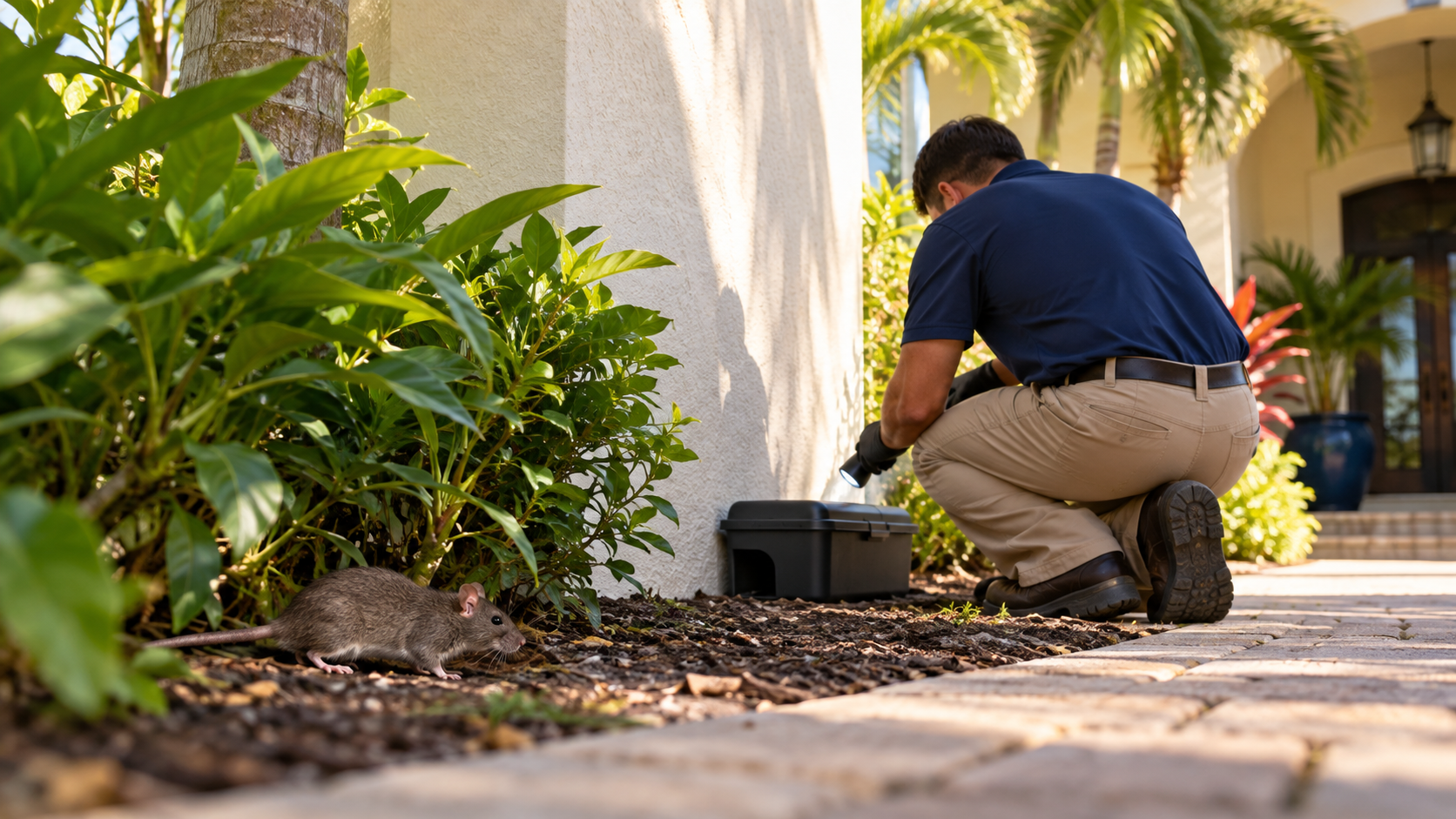
- Rodents: Rats and mice are more common than most homeowners realize. They seek out cool, sheltered indoor spaces to nest. Routine rodent control focuses on monitoring entry points and stopping infestations early.
- Spiders: While most spiders are harmless, their presence usually means other pests are already inside. Ongoing spider control helps eliminate their food source and reduce web buildup.
- Fleas and Ticks: With pets and outdoor exposure, these pests can easily make their way indoors. Consistent flea and tick control is key to protecting both your home and your pets.
These pests don’t wait—and neither should your pest control schedule.
The 60-Day Rule: Why treatments fade
To understand why bimonthly service works so well, it helps to understand what’s happening at a chemical level after a treatment is applied.
When your home is treated, it creates a protective barrier—a “zone of protection” made up of micro-encapsulated active ingredients. These particles bond to surfaces like stucco, soil, and entry points, remaining active as pests come into contact with them.
However, this barrier is constantly being broken down by environmental and biological forces:
- UV Degradation (Photolysis):
Ultraviolet radiation from the sun breaks down the molecular structure of many insecticides through a process called photolysis. Over time, this reduces the potency of the active ingredients, limiting their ability to affect pests on contact. - Hydrolysis & Wash-Off:
Frequent rain and irrigation introduce moisture that can dilute or displace pesticide residues. Hydrolysis—a chemical reaction with water—can also alter the active compounds, reducing their stability and effectiveness. - Microbial Decomposition:
Soil is full of microorganisms such as bacteria and fungi that naturally metabolize organic and synthetic compounds. These microbes gradually break down pesticide residues, further shortening their lifespan.
By around the 60-day mark, these combined processes have significantly reduced the strength of the protective barrier.
That’s why consistency matters. Bimonthly service reinforces the treatment right as it begins to degrade—maintaining continuous protection instead of allowing gaps where pests can re-enter.
It’s always more effective (and more cost-efficient) to maintain control than to recover from a full infestation. For properties that require tighter control, ongoing commercial pest control programs provide more frequent monitoring and reinforcement.
Top benefits of a consistent pest control schedule
Investing in a regular plan with Professional Pestguard provides more than just an insect-free house; it provides peace of mind. When you have a bimonthly schedule, you benefit from:

- Reduced Chemical Exposure:
A strong exterior barrier stops pests before they get inside, which means fewer interior treatments and less chemical use in your living spaces. - Lower Long-Term Costs:
Preventing an infestation is far more affordable than dealing with one. Regular service helps you avoid expensive cleanups, repairs, and damage caused by rodents or insects. - Ongoing Monitoring & Early Detection:
Each service visit helps identify new pest activity, pressure points, or conditions that could lead to future infestations—so issues can be addressed before they escalate. - Health & Sanitation Protection:
Pests like cockroaches and rodents can carry bacteria, allergens, and disease. Ongoing service helps maintain a cleaner, safer environment for your family and pets. - Customized, Ongoing Protection:
No two properties are the same. Regular visits allow treatments to be adjusted based on seasonal changes, pest pressure, and what’s happening specifically around your home.
Summary: Maintaining a pest-free home in South Florida
Keeping pests out requires more than a one-time treatment—it takes a consistent, proactive approach.
In this climate, heat, humidity, and frequent rain constantly work against your pest barrier. While a single treatment may offer short-term relief, it won’t hold up over time. A bimonthly schedule ensures your protection stays strong, your home stays protected, and pests don’t get the opportunity to settle in.
Key Takeaways for Homeowners:
- Stick to a 60-Day Schedule: Bimonthly service helps eliminate gaps in protection and keeps your exterior barrier consistently active.
- Environmental Factors Matter: Sun exposure, rain, and moisture naturally break down treatments over time—making timing just as important as the treatment itself.
- Prevention Beats Treatment: It’s always easier (and more affordable) to keep pests out than to deal with an active infestation inside your home.
- Professional-Grade Protection: Effective pest control requires the right products, proper application, and a strategy designed for local conditions.
If you’re tired of dealing with recurring pest problems—or wondering why they keep coming back—it may be time to switch to a schedule that actually works.
At Professional Pestguard, we specialize in consistent, bimonthly pest control designed to keep your home protected year-round. Contact us today to get started with a customized plan and take back control of your home.
About Professional Pestguard
Professional Pestguard provides professional pest control in Weston, FL and nearby communities including Davie, Sunrise, Pembroke Pines, and Plantation. With over 40 years of experience, our licensed technicians protect homes and businesses across Broward County and Miami-Dade County from ants, cockroaches, rodents, spiders, and other common South Florida pests using safe and effective treatments.