Cockroach Control in South Florida: How to Get Rid of Roaches in Your Home
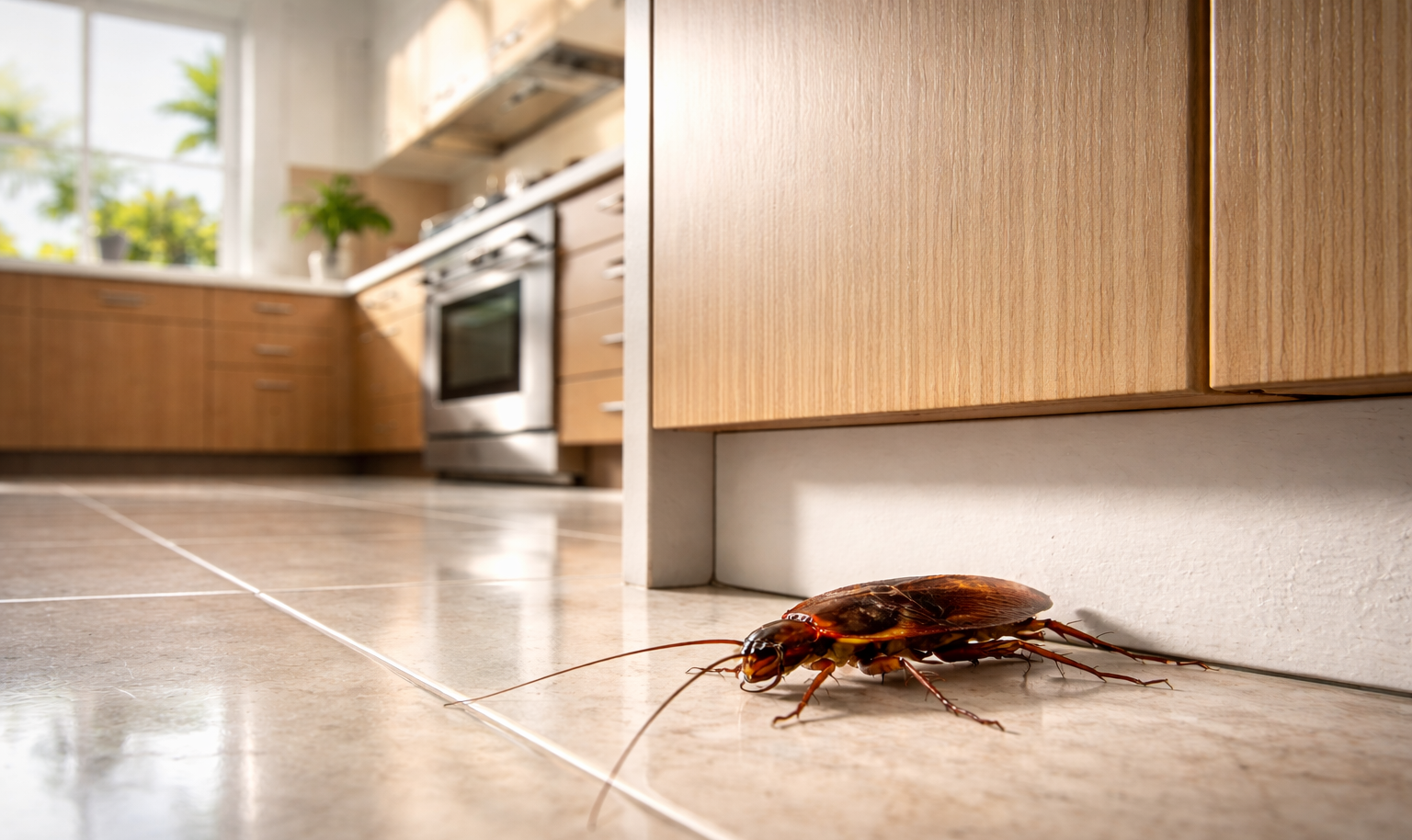
Cockroaches are one of the most common household pests in South Florida. The region’s warm climate, humidity, and dense urban environments create ideal conditions for roaches to thrive year-round. Once they find food, moisture, and shelter inside a home, they can reproduce quickly and become extremely difficult to eliminate.
Beyond being unpleasant to see, cockroaches can contaminate surfaces and trigger allergies or asthma in sensitive individuals. Their droppings, shed skins, and bacteria can affect indoor air quality and sanitation. Understanding how roaches enter your home and what attracts them is the first step toward effective cockroach control.
In this guide, we’ll walk through practical DIY strategies to reduce cockroach activity and explain when professional pest control may be the best solution.
Why Cockroaches Are So Common in South Florida
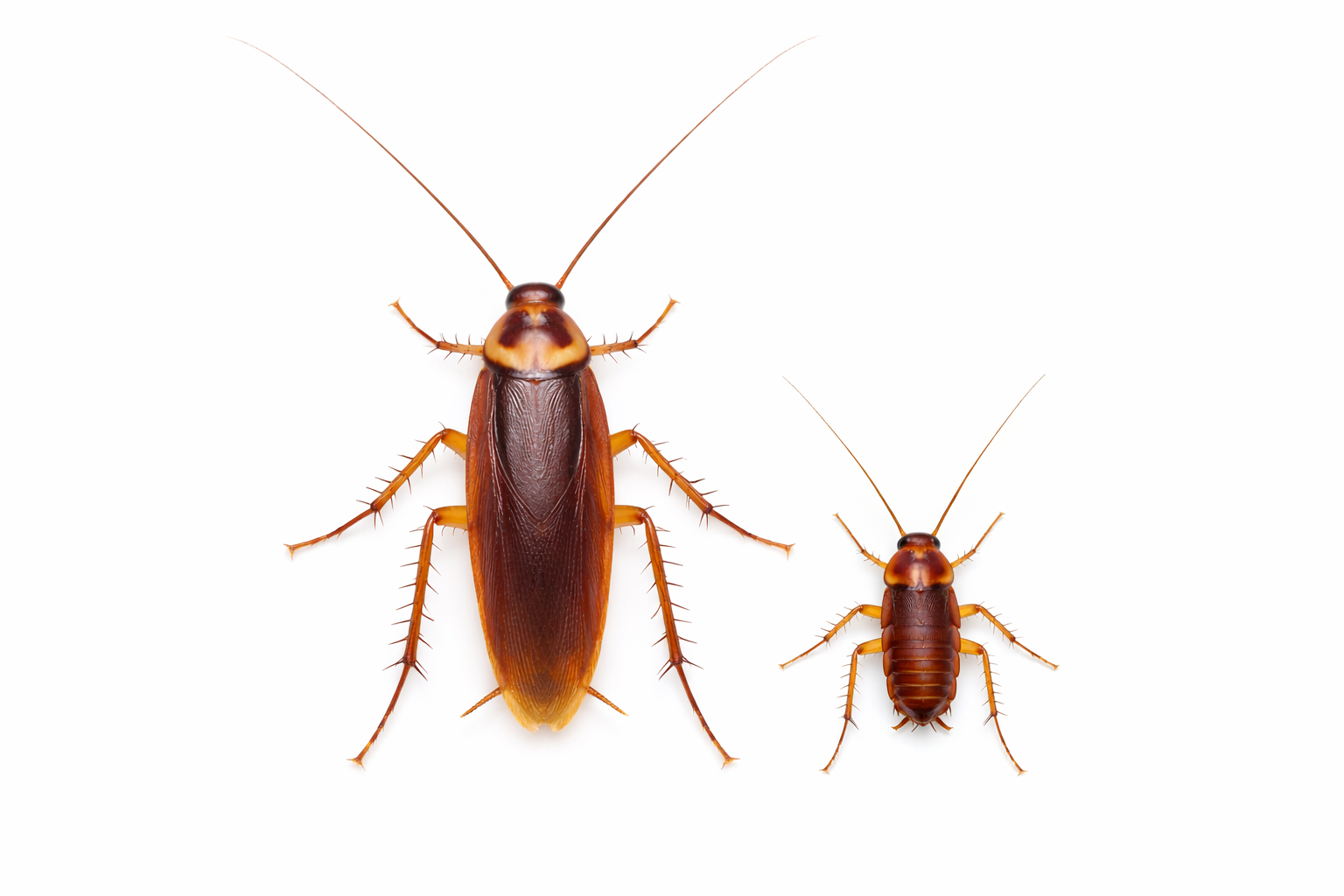
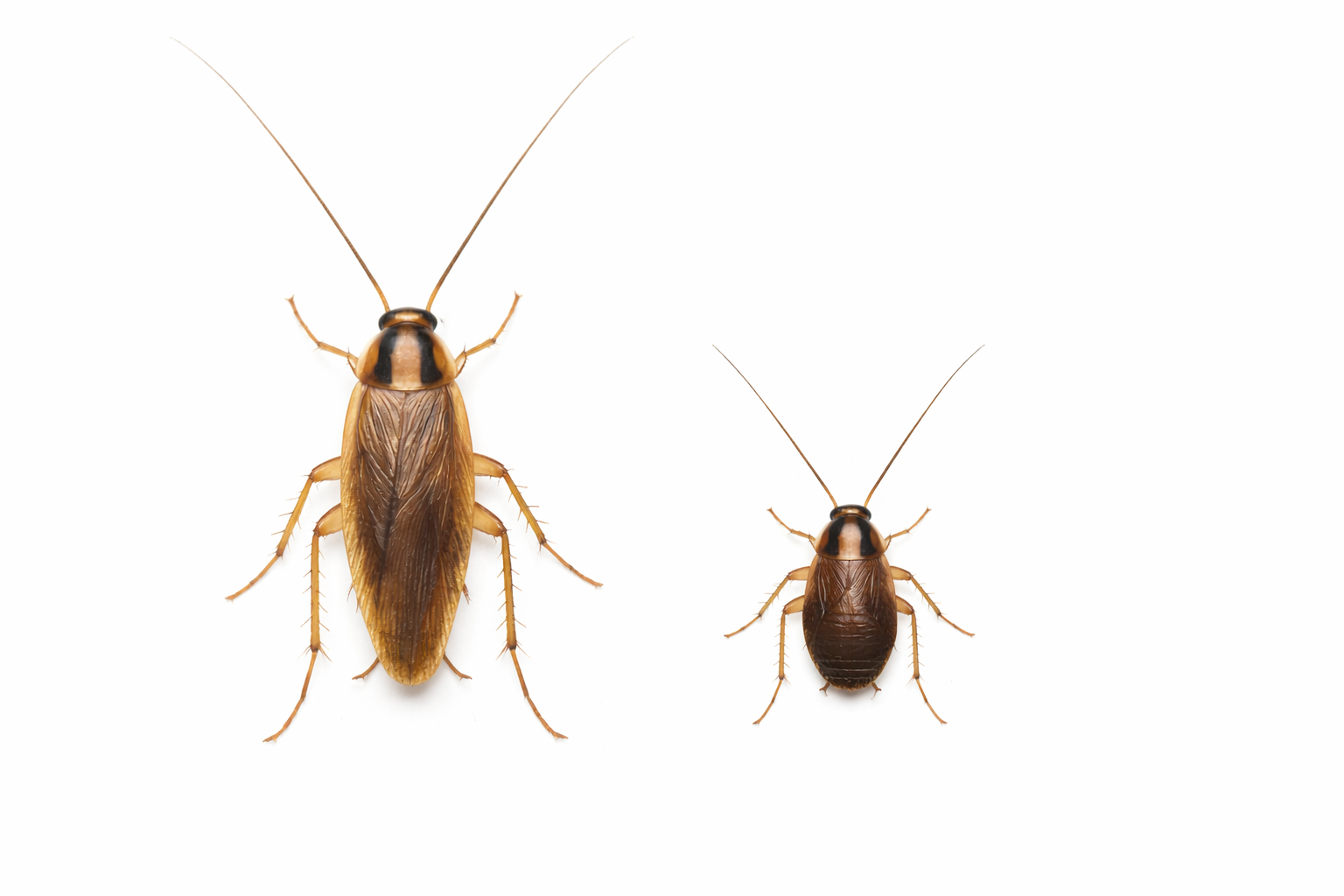
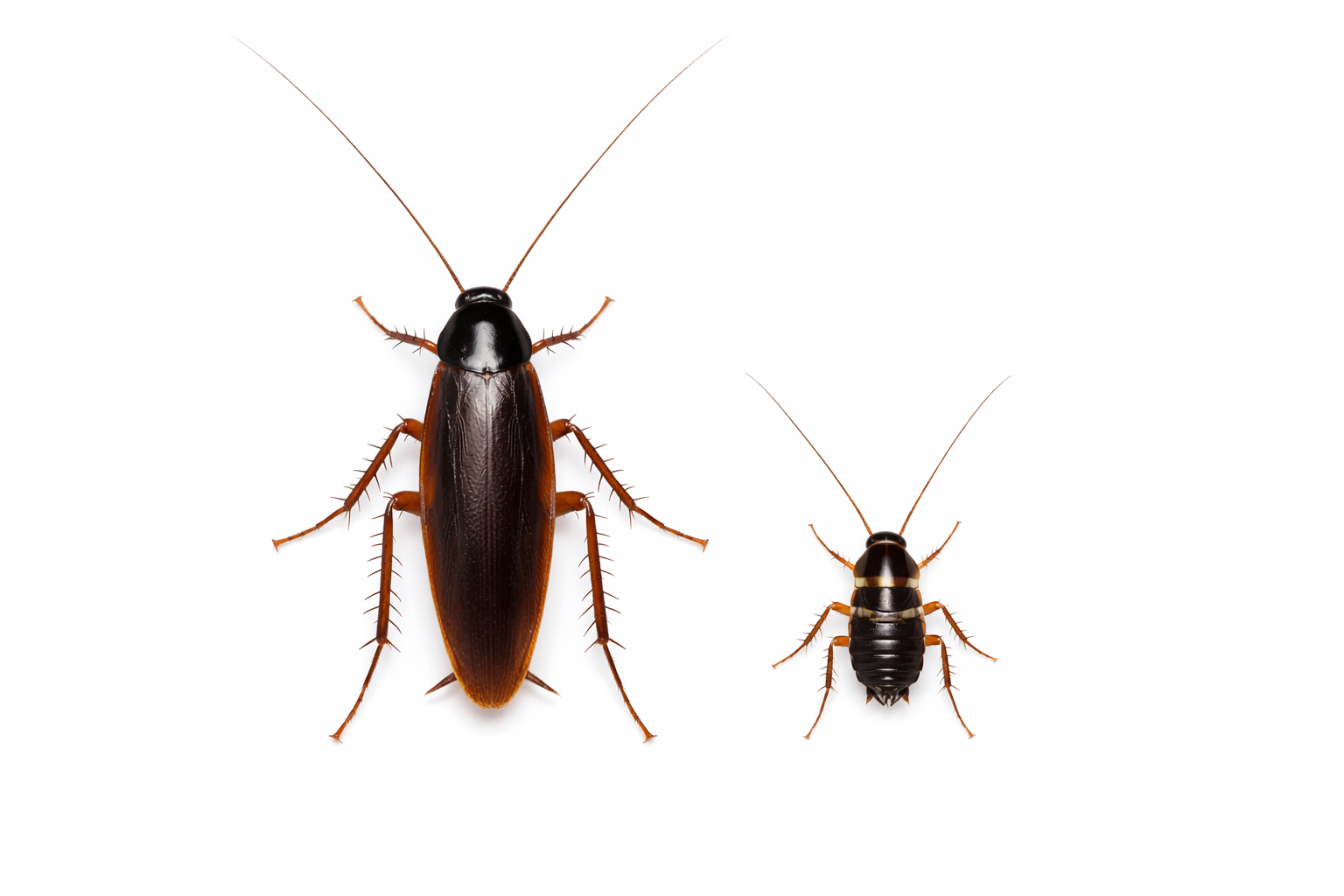
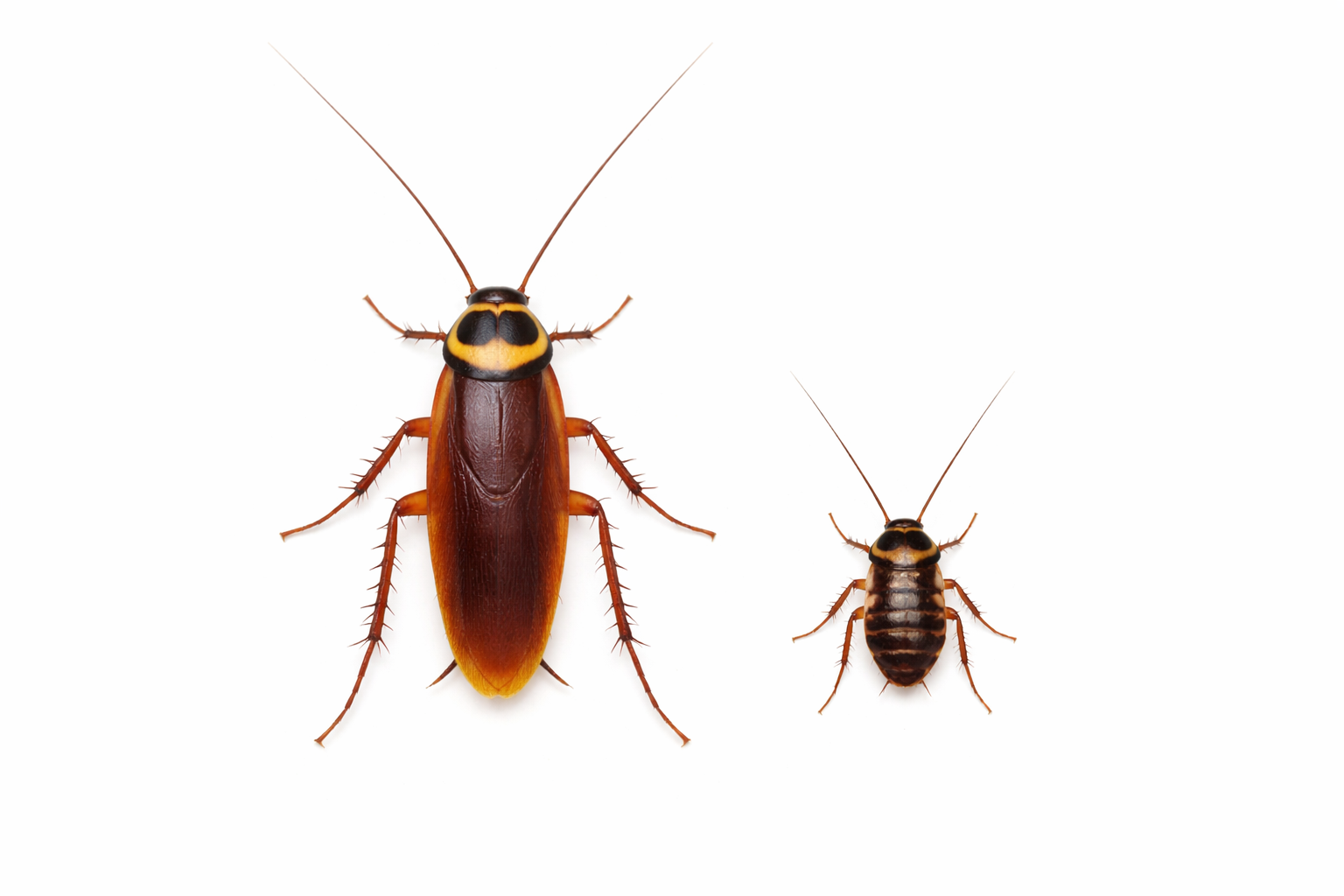
South Florida provides the perfect environment for cockroach populations to flourish. Warm temperatures, high humidity, and frequent rainstorms create ideal breeding conditions for several species of roaches.
The most common cockroach species found in the region include:
- American cockroaches (often called palmetto bugs)
- German cockroaches commonly found in kitchens and bathrooms
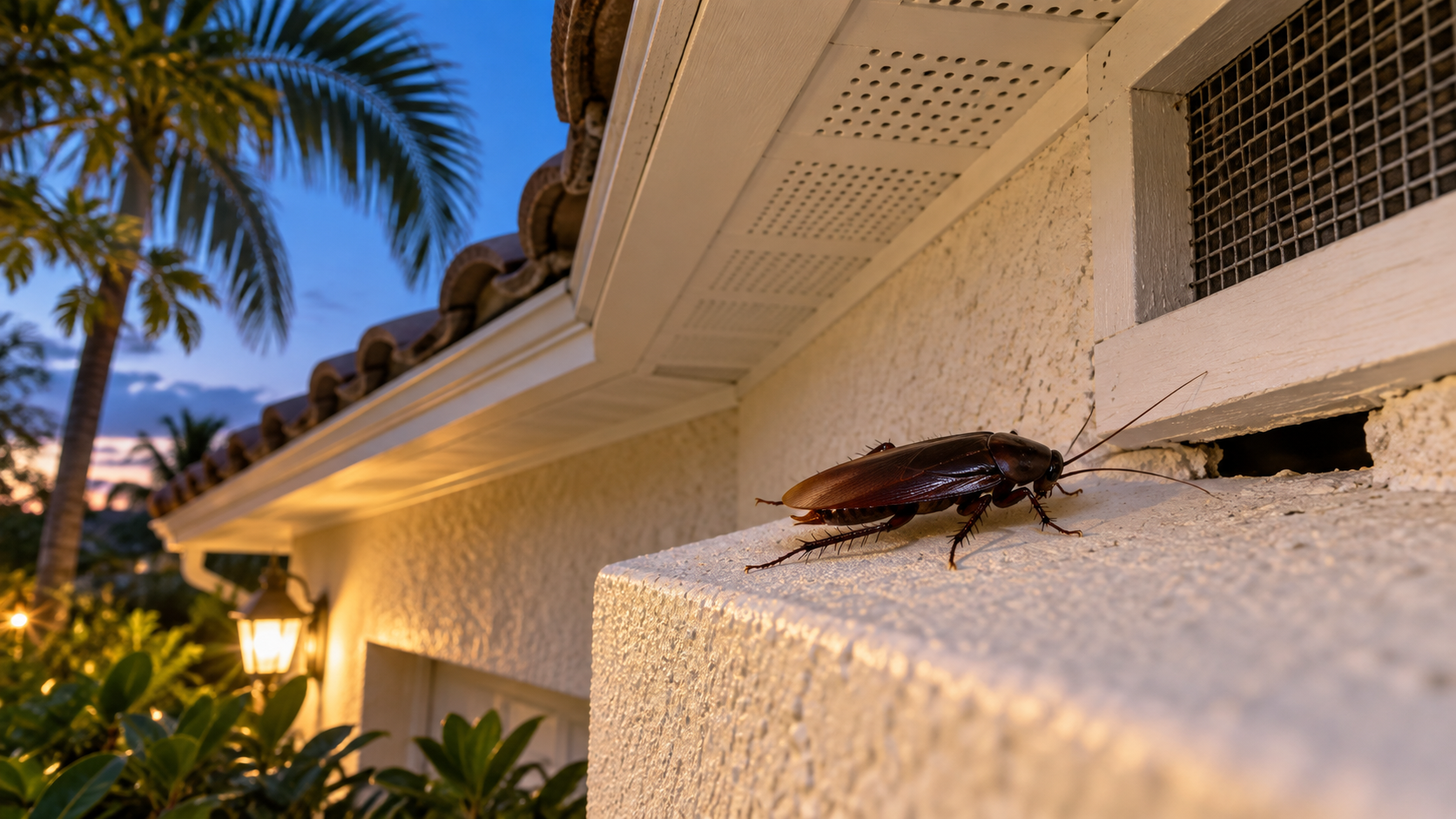
- Smokybrown cockroaches that thrive outdoors but enter homes
- Australian cockroaches often found around landscaping and mulch
These pests are highly adaptable and can squeeze through tiny openings in search of food, water, and shelter. Because they reproduce quickly, a small problem can turn into a larger infestation if left untreated.
Signs You May Have a Cockroach Problem
Cockroaches are primarily nocturnal, which means you may not always see them right away. However, there are several warning signs that can indicate an infestation.
Common indicators include:
- Roaches appearing when lights are turned on at night
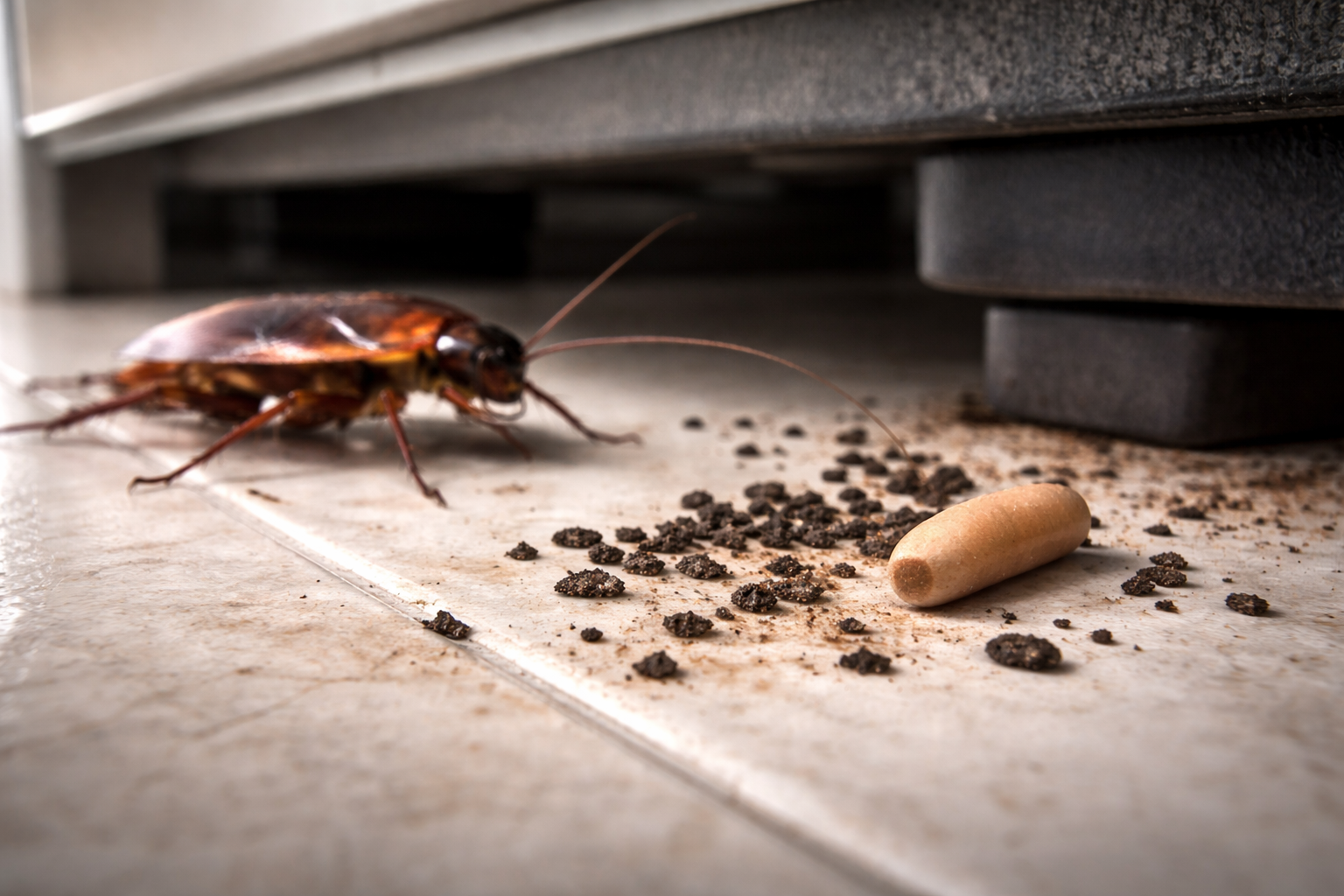
- Small black droppings that resemble coffee grounds
- Egg cases (called oothecae) in cabinets or hidden areas
- A musty or oily odor in heavily infested areas
- Shed skins or dead cockroaches around appliances
Seeing cockroaches during the daytime often indicates a larger infestation, as overcrowding forces them out of their hiding places.
DIY Cockroach Control Methods
Homeowners can often reduce minor cockroach activity by focusing on sanitation, exclusion, and targeted treatments. Consistency is key, since roaches are resilient and capable of surviving in small hidden spaces.
Identify Where Roaches Are Hiding
Before applying any treatments, locate areas where cockroaches may be nesting or traveling. These pests prefer dark, warm environments close to food and water sources.
Common hiding spots include:
- Behind refrigerators, dishwashers, and stoves
- Inside kitchen cabinets or pantry shelves
- Under sinks or near plumbing connections
- Inside wall voids and cracks along baseboards
- Around garbage bins or recycling containers
Identifying activity zones allows treatments to be applied more effectively.
Reduce Food, Water, and Shelter
Roaches are scavengers and will remain wherever food and moisture are available. Improving sanitation and reducing clutter can make your home less attractive to them.
Start with these preventative steps:
- Clean kitchen counters and floors daily to remove crumbs and grease
- Store food in sealed containers instead of open packaging
- Take out trash regularly and keep lids tightly closed
- Fix leaking faucets or pipes that provide moisture
- Remove cardboard boxes or paper clutter where roaches may hide
Even small improvements in sanitation can significantly reduce cockroach activity.
Seal Entry Points Around Your Home
Cockroaches often enter homes through small gaps around doors, windows, and plumbing penetrations. Sealing these openings helps prevent new roaches from entering.
Focus on areas such as:
- Cracks along baseboards or wall joints
- Gaps around pipes under sinks
- Spaces around window frames or door thresholds
- Utility openings where cables enter the home
- Damaged screens on vents or windows
Using caulk, weather stripping, or door sweeps can greatly reduce potential entry points.
Use Targeted Roach Control Products
Several over-the-counter products can help reduce cockroach populations when used properly. The most effective solutions typically target roaches where they hide rather than simply killing visible ones.
Common options include:
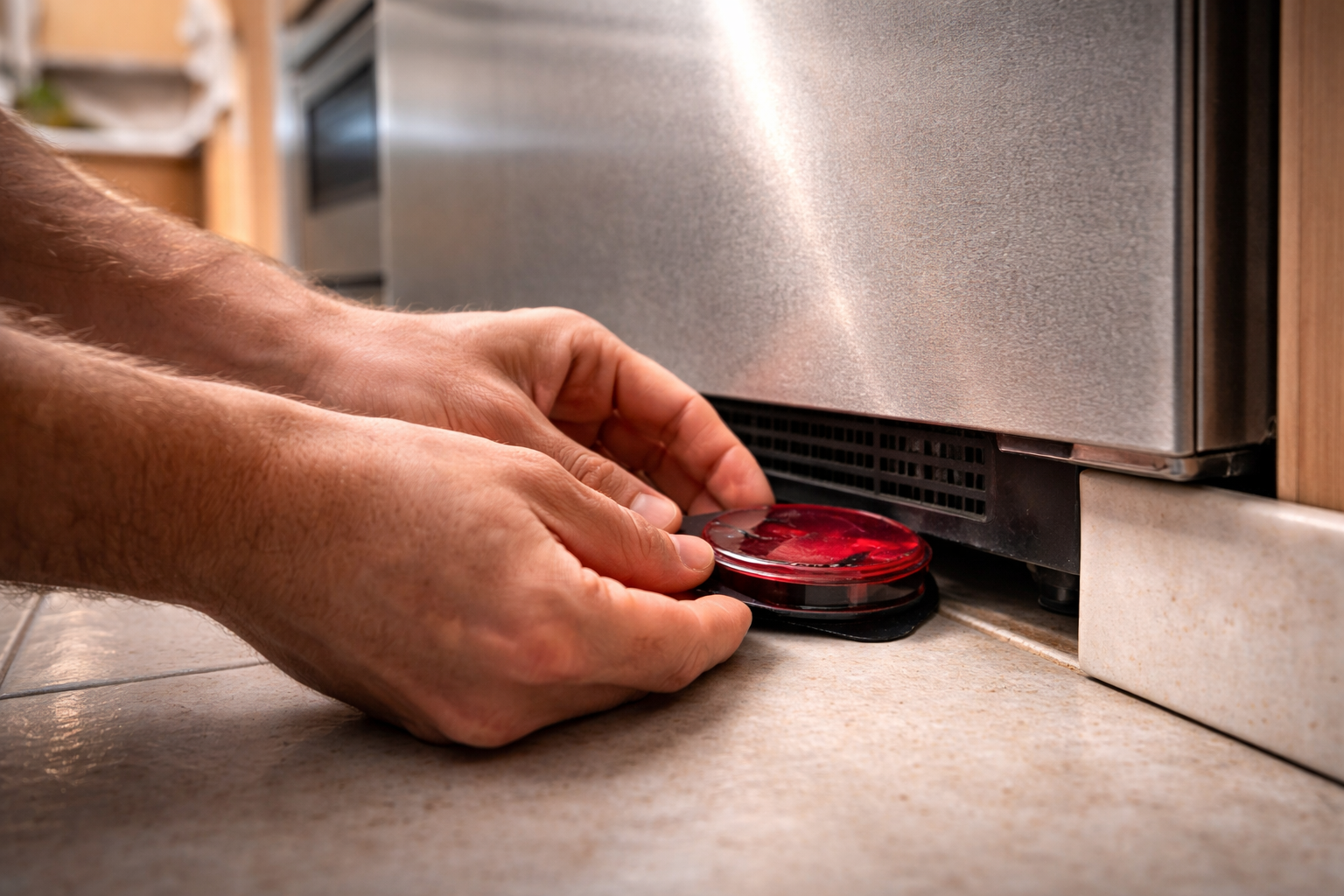
- Cockroach bait stations that attract roaches and poison the colony
- Gel baits applied in cracks, crevices, and hidden areas
- Boric acid dust used in dry areas where roaches travel
- Food-grade diatomaceous earth that damages the roach exoskeleton
- Sticky traps to monitor activity levels
These methods work best when combined with sanitation and exclusion efforts.
Natural Cockroach Control Options
Some homeowners prefer to try natural or low-toxicity methods before using chemical products. While these solutions may not eliminate severe infestations, they can help reduce activity in certain areas.
Popular natural approaches include:
- Baking soda and sugar mixtures placed in small containers
- Peppermint or eucalyptus oil sprays used as natural repellents
- Homemade sticky traps placed near suspected hiding spots
Natural methods often work best as part of a broader pest management strategy.
When DIY Cockroach Control Isn’t Enough
Cockroaches are highly resilient pests, and large infestations can be difficult to eliminate without professional treatment. In many cases, the visible roaches are only a small portion of the population hidden within walls or structural voids.
You may need professional help if:
- Roaches continue appearing despite DIY treatments
- You see cockroaches during the daytime
- Activity spreads to multiple areas of the home
- Roaches are found in appliances or electrical spaces
- Family members experience allergy or asthma symptoms
Professional pest control technicians have specialized tools and products designed to target hidden nesting areas and eliminate entire colonies.
How Professional Cockroach Treatments Work
Professional cockroach control focuses on eliminating both visible roaches and the hidden populations that live inside walls, appliances, and structural voids. Unlike basic DIY solutions, professional treatments are designed to target the entire infestation cycle, including nesting areas and entry points. In South Florida, this approach is especially important because warm temperatures allow cockroach populations to grow quickly throughout the year. A structured treatment plan helps eliminate current activity while preventing future infestations.
A professional cockroach control service typically includes:
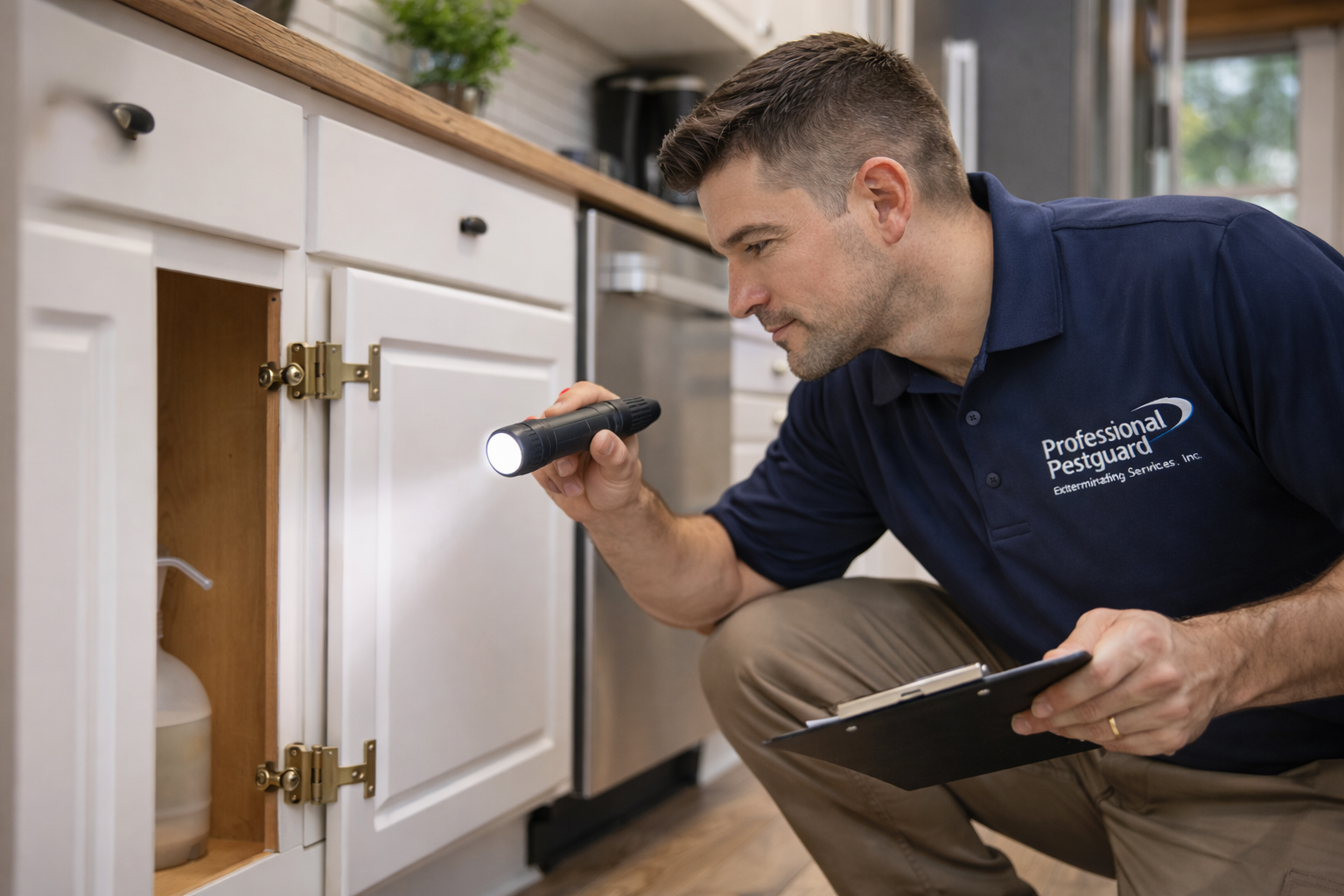
- Detailed inspection to locate nesting areas, entry points, and moisture sources
- Targeted interior treatments in cracks, crevices, and areas where cockroaches hide
- Exterior perimeter treatments to prevent cockroaches from entering the home
- Monitoring and follow-up treatments if necessary to ensure the infestation is fully resolved
This type of integrated approach addresses both the visible cockroaches and the hidden colonies responsible for ongoing activity.
Professional Cockroach Control in South Florida
Homes in Broward County and the surrounding South Florida region often require year-round pest control due to the climate. Professional treatments focus on eliminating existing infestations while preventing new ones from developing.
Professional pest control services typically include:
- Detailed home inspections to identify infestation sources
- Targeted treatments inside cracks, crevices, and wall voids
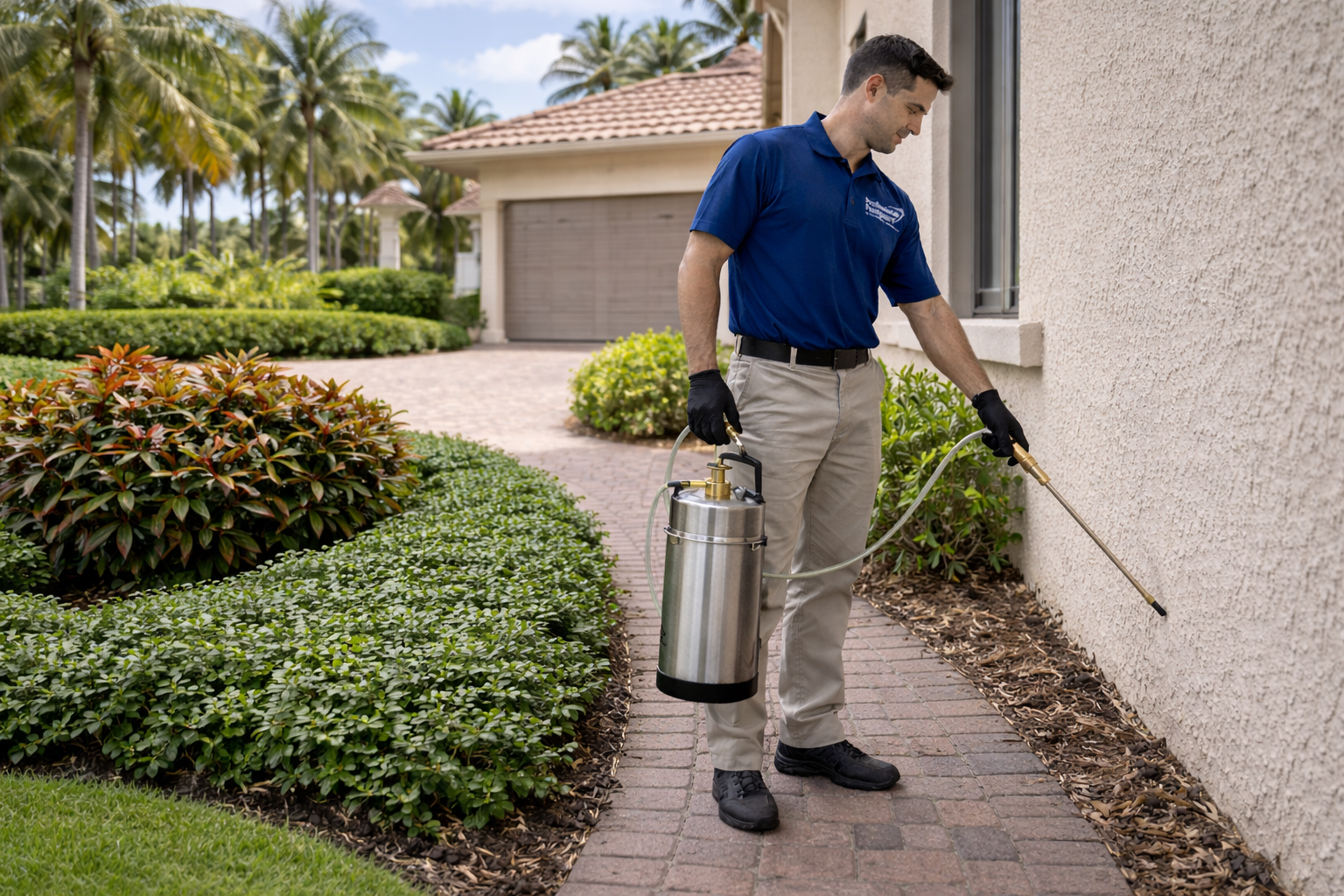
- Exterior barrier treatments to prevent reinfestation
- Monitoring and follow-up services if needed
This approach addresses both the visible roaches and the hidden population responsible for the infestation.
Protecting Your Home from Future Cockroach Infestations
The most effective cockroach control programs combine treatment with prevention. Once an infestation is resolved, ongoing maintenance can help keep your home pest-free.
Simple preventative habits include:
- Keeping kitchens clean and free of food debris
- Managing moisture and fixing plumbing leaks quickly
- Sealing structural gaps where pests can enter
- Maintaining regular pest control inspections
Taking these steps can greatly reduce the chances of future cockroach problems.
Frequently Asked Questions About Cockroach Control in South Florida
Cockroaches are one of the most common pest problems in South Florida homes due to the region’s warm climate and humidity. Below are some of the most frequently asked questions homeowners have about cockroach infestations, prevention, and professional cockroach control services.
How do cockroaches get into homes in South Florida?
Cockroaches can enter homes through extremely small openings around doors, windows, plumbing lines, and utility penetrations. In South Florida, they are especially common around landscaping, sewer systems, and outdoor drains, which allows them to easily migrate indoors. Some species, like American cockroaches, often enter homes from outside after heavy rain or high humidity. Once inside, they hide in dark, warm areas such as kitchens, bathrooms, appliances, and wall voids.
What attracts cockroaches inside a house?
Cockroaches are primarily attracted to food, moisture, and shelter. Crumbs on kitchen floors, grease buildup, uncovered trash, and pet food can all provide easy food sources for roaches. Leaking pipes, condensation under sinks, and humid environments also create ideal conditions for them to survive and reproduce. Even small amounts of food residue or standing water can support a growing cockroach population inside a home.
Are cockroaches dangerous to health?
Cockroaches are known to carry bacteria and allergens that can affect indoor air quality and sanitation. As they travel through drains, garbage areas, and contaminated surfaces, they can spread bacteria such as Salmonella and E. coli onto kitchen counters, dishes, and food preparation areas. Cockroach droppings and shed skins can also trigger allergies and asthma symptoms, especially in children and sensitive individuals. For this reason, controlling a cockroach infestation quickly is important for maintaining a healthy home environment.
How long does cockroach control treatment take?
The timeline for cockroach control depends on the severity of the infestation and the species involved. In many cases, homeowners begin to notice a reduction in cockroach activity within the first few days after treatment. However, fully eliminating a well-established infestation may require multiple treatments and ongoing monitoring to target hidden nesting areas. Professional cockroach control programs focus on eliminating active infestations while also preventing future activity.
Need Help With Cockroach Control?
If cockroaches have become a persistent problem in your home, professional cockroach control may be the most effective solution. At Professional Pestguard, our technicians identify hidden nesting areas and apply targeted treatments designed specifically for South Florida environments. We provide cockroach control services throughout Broward County, Miami-Dade County, and Palm Beach County, helping homeowners eliminate active infestations while preventing future activity.
If you're dealing with a recurring roach problem, our team is ready to help. CallProfessional Pestguard at (954) 389-6107 or fill out our online contact form to request service. One of our team members will review your request and get back to you promptly to schedule an inspection.
About Professional Pestguard
Professional Pestguard provides professional pest control in Weston, FL and nearby communities including Davie, Sunrise, Pembroke Pines, and Plantation. With over 40 years of experience, our licensed technicians protect homes and businesses across Broward County and Miami-Dade County from ants, cockroaches, rodents, spiders, and other common South Florida pests using safe and effective treatments.