Why Silverfish Are Common In South Florida Homes
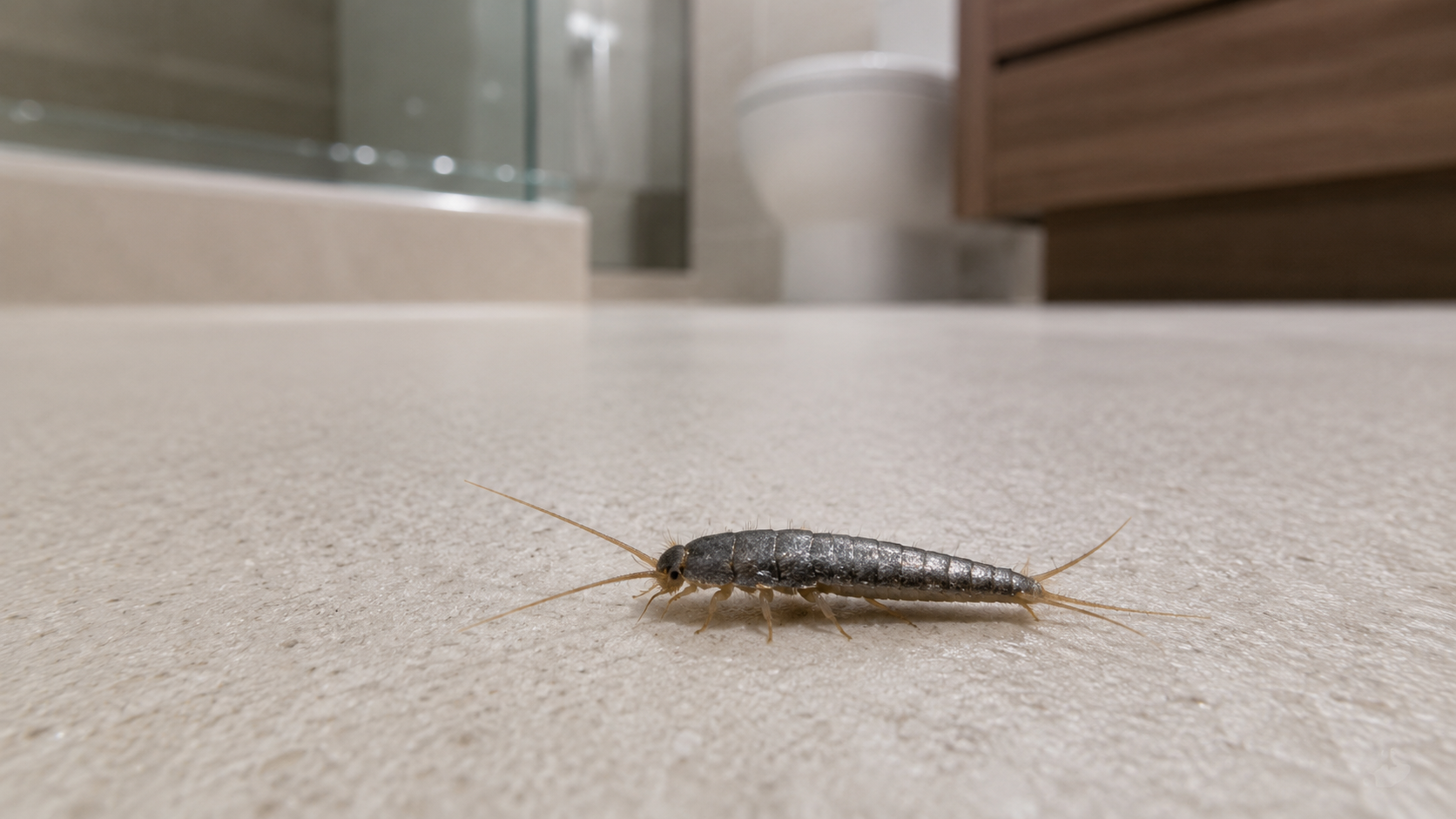
Have you ever turned on the bathroom light late at night and spotted a small, silvery insect darting across the floor before disappearing into a crack or under a cabinet? Many South Florida homeowners encounter silverfish without realizing why these moisture-loving pests are attracted to their homes.
Silverfish are especially common throughout South Florida because they thrive in warm, humid environments. Understanding what attracts silverfish, where they hide, and why they often appear in bathrooms, laundry rooms, and other damp areas can help homeowners prevent larger populations from becoming established indoors.
Why South Florida Creates Ideal Conditions For Silverfish
South Florida provides nearly everything silverfish need to thrive. Warm temperatures, high humidity, and abundant moisture sources create ideal conditions for these pests to remain active inside homes throughout the year.
Unlike some pests that become less active during colder months, silverfish rarely experience a true off-season in South Florida. Homeowners who understand when pests are most active in South Florida are often better prepared to recognize early warning signs and address favorable conditions before pest activity becomes more noticeable indoors.
Conditions That Attract Silverfish
- High Humidity
Silverfish require moisture to survive and are commonly found in humid environments. South Florida's naturally high humidity levels create favorable conditions both indoors and outdoors. - Warm Temperatures
Consistently warm weather allows silverfish populations to remain active throughout the year. They rarely experience the seasonal slowdowns common in colder climates. - Moisture Sources
Plumbing leaks, condensation, and poor ventilation can provide the moisture silverfish need to survive. - Dark Hiding Areas
Silverfish prefer secluded spaces where they can remain hidden during daylight hours. Wall voids, cabinets, closets, and storage areas often provide suitable shelter.
Why Silverfish Are Common In Bathrooms
Bathrooms are one of the most common places homeowners encounter silverfish. The combination of warmth, moisture, and limited airflow creates an environment where these pests can remain active while staying hidden during the day.
Many homeowners first discover a silverfish bathroom problem after turning on a light late at night and spotting one quickly dart across the floor. Because silverfish are primarily nocturnal, sightings often occur around sinks, tubs, toilets, and other areas where moisture tends to accumulate.
Unlike kitchens and living areas that are frequently disturbed, bathrooms often provide the quiet, humid conditions silverfish prefer. Even small amounts of condensation, hidden plumbing leaks, or damp cabinets can provide enough moisture to support ongoing activity.

Common Bathroom Conditions That Attract Silverfish
- Steamy Showers And Baths
Frequent hot showers can increase humidity levels and create favorable conditions for silverfish activity. - Condensation Around Sinks And Toilets
Moisture that collects around plumbing fixtures can provide a reliable water source. - Plumbing Leaks
Even minor leaks beneath sinks or behind walls may create conditions that attract silverfish. - Poor Ventilation
Bathrooms with inadequate airflow often retain moisture longer, making them more attractive to moisture-loving pests. - Damp Cabinets And Storage Areas
Cabinets beneath sinks frequently provide dark, protected hiding places close to moisture sources. - Moisture Behind Baseboards
Hidden moisture around flooring and baseboards can support silverfish activity without homeowners realizing it.
Where Silverfish Hide Inside Homes
One of the reasons silverfish can be frustrating for homeowners is that they are rarely seen in large numbers. These pests are primarily nocturnal and spend most of the day hiding in dark, protected areas before emerging at night to search for food and moisture.
Many homeowners may only spot an occasional silverfish and assume it wandered in from outside. In reality, repeated sightings often indicate that favorable conditions exist somewhere within the home, allowing silverfish to remain hidden while continuing to reproduce.
Because they prefer areas with limited disturbance, silverfish are often found in places that homeowners rarely inspect. This can make locating the source of activity difficult without a thorough inspection of common hiding spots.
Common Silverfish Hiding Spots
- Bathrooms
Moisture, humidity, and dark cabinets make bathrooms one of the most common areas where silverfish are found. - Laundry Rooms
Washing machines, utility sinks, and elevated humidity levels can create favorable conditions for activity. - Kitchens
Silverfish may hide beneath appliances, inside cabinets, or near plumbing where moisture is present. - Closets
Dark storage areas containing clothing, cardboard boxes, or paper products often provide shelter. - Attics
Attics can attract silverfish when moisture, stored items, and limited activity create suitable harborage areas. - Garages
Garages frequently contain cardboard boxes, storage bins, and clutter that silverfish can use for shelter. - Storage Boxes
Cardboard boxes provide both hiding places and food sources for silverfish populations. - Bookshelves
Books, magazines, and paper products can attract silverfish because they contain materials these pests may feed on. - Under Sinks
Small plumbing leaks and condensation often create ideal conditions beneath kitchen and bathroom sinks. - Wall Voids
Silverfish can remain hidden inside wall spaces where moisture and protection are readily available.
What Do Silverfish Eat?
Many homeowners are surprised to learn that silverfish can survive on a surprisingly wide variety of materials commonly found throughout the home. Unlike pests that rely on crumbs or food scraps, silverfish are capable of feeding on starches, carbohydrates, proteins, and even certain household materials.
While silverfish rarely cause significant structural damage, larger populations can damage books, paper products, stored belongings, and other items over time. This is one reason homeowners often discover silverfish activity in closets, storage areas, attics, and rooms containing cardboard boxes or paper products.
Because silverfish can survive on so many different materials, eliminating visible food sources is not always enough to solve the problem. Moisture, humidity, and suitable hiding places often play an equally important role in supporting ongoing activity.
Common Food Sources
- Paper Products
Silverfish commonly feed on paper products that contain starches and other organic materials. - Cardboard Boxes
Cardboard provides both shelter and a potential food source, making storage areas particularly attractive. - Book Bindings
The adhesives used in book bindings can attract silverfish and provide nutrients. - Wallpaper Adhesives
Certain glues and adhesives used in wallpaper may serve as a food source. - Fabrics
Some natural fibers and fabrics can be damaged by silverfish activity over time. - Stored Pantry Items
Cereals, grains, flour, and other stored food products may occasionally attract silverfish. - Pet Food
Dry pet food can provide a readily available food source when left exposed. - Dust And Debris
Silverfish are opportunistic feeders and may consume small organic particles that accumulate in undisturbed areas.
Signs You May Have A Silverfish Problem
Many homeowners see a single silverfish and assume it accidentally wandered indoors. While occasional sightings can occur, repeated activity often suggests that favorable conditions exist somewhere within the home and may be supporting a larger population.
Because silverfish are nocturnal and spend most of their time hidden, homeowners rarely see the full extent of an infestation. By the time silverfish are regularly appearing in bathrooms, laundry rooms, closets, or other living spaces, they may have already been established for some time.
Recognizing the early warning signs can help homeowners address moisture issues and favorable conditions before silverfish populations become more noticeable throughout the home.
Common Warning Signs
- Silverfish Seen In Bathrooms
Frequent sightings around sinks, tubs, toilets, or cabinets may indicate that moisture is supporting ongoing activity. - Silverfish Found Under Sinks
Areas beneath sinks often provide both moisture and shelter, making them a common location for activity. - Activity In Laundry Rooms
Humid conditions around washing machines and utility sinks can create favorable environments for silverfish. - Damage To Paper Products
Small feeding marks on books, magazines, cardboard boxes, or stored documents may indicate silverfish activity. - Yellow Staining On Stored Items
Silverfish can leave behind staining and discoloration on paper products and other stored materials. - Shed Skins
As silverfish grow, they shed their outer skin multiple times. Finding shed skins may indicate an established population. - Frequent Nighttime Sightings
Seeing silverfish regularly after dark often suggests activity is occurring beyond a single isolated pest.
How To Reduce Silverfish Activity
Successfully reducing silverfish activity usually involves addressing the conditions that attract them in the first place. Because silverfish depend heavily on moisture, humidity, and protected hiding places, homeowners who focus on reducing these favorable conditions often see a noticeable decrease in activity over time.
While eliminating a few visible silverfish may provide temporary relief, long-term control typically requires identifying the sources of moisture and harborage that allow populations to survive indoors. In many cases, homeowners combine preventative maintenance with ongoing residential pest control services to help monitor pest activity and identify potential problem areas before infestations become established.
Prevention Tips
- Repair Plumbing Leaks
Even small leaks beneath sinks, behind walls, or around fixtures can create the moisture silverfish need to survive. - Improve Bathroom Ventilation
Exhaust fans and proper airflow can help reduce humidity levels after showers and baths. - Use Dehumidifiers When Needed
Reducing indoor humidity can make bathrooms, closets, laundry rooms, and storage areas less attractive to silverfish. - Reduce Clutter
Excess clutter creates additional hiding places and can make infestations more difficult to detect. - Store Items In Sealed Containers
Protect books, documents, seasonal decorations, and other stored belongings from potential damage. - Eliminate Excess Moisture
Address condensation, standing water, and damp areas throughout the home whenever possible. - Inspect Storage Areas Regularly
Attics, garages, closets, and storage rooms should be checked periodically for signs of silverfish activity.
When To Consider Professional Silverfish Control
Occasional silverfish sightings are relatively common throughout South Florida, particularly in bathrooms, laundry rooms, kitchens, and other moisture-prone areas. However, recurring activity often suggests that favorable conditions exist somewhere within the home and may be supporting a larger population than homeowners realize.
Because silverfish spend most of their time hidden inside wall voids, beneath cabinets, behind baseboards, and in other protected areas, identifying the source of activity is not always straightforward. Many homeowners focus on the silverfish they can see while overlooking the moisture issues, harborage areas, and conducive conditions that may be allowing populations to persist.
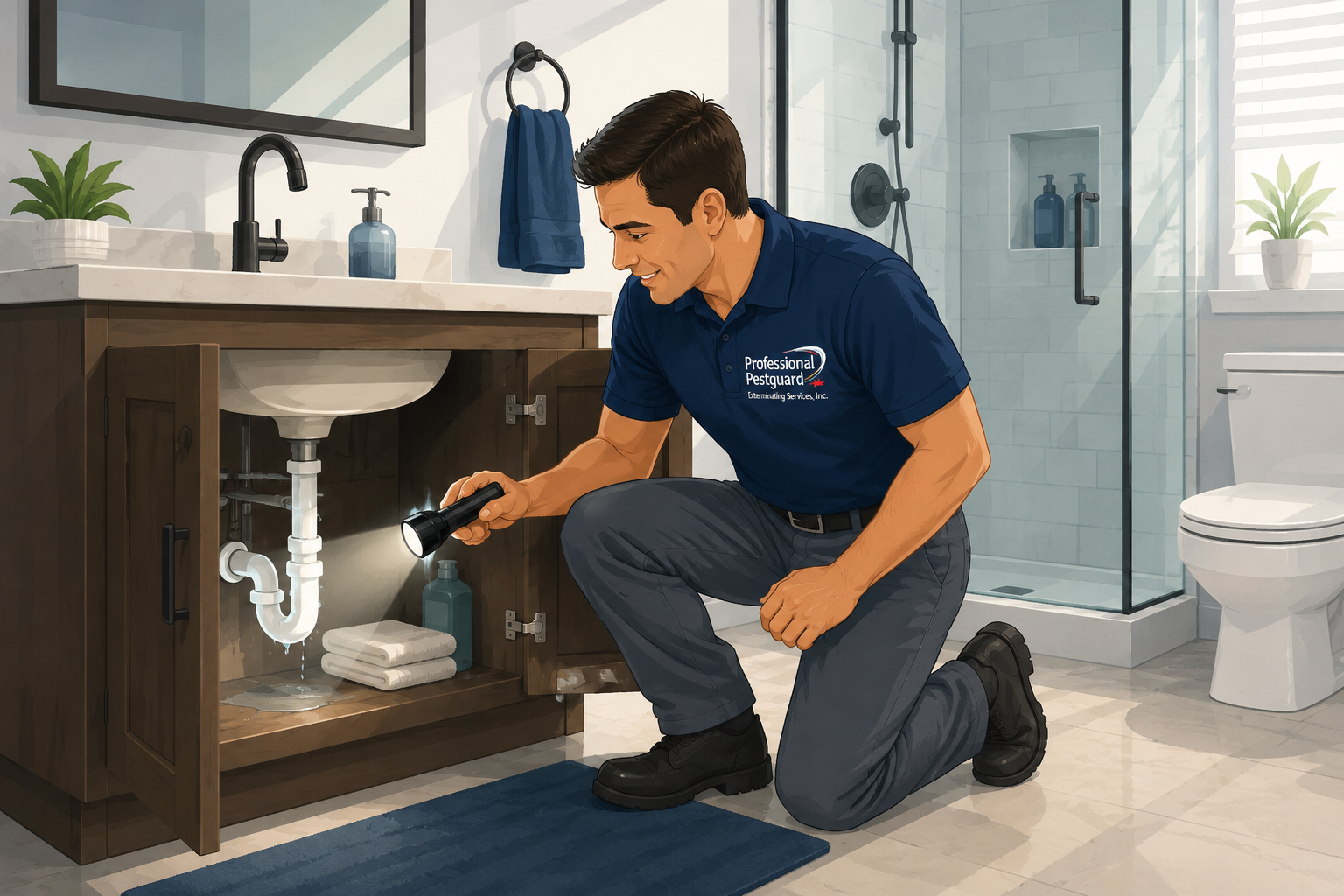
Professional residential pest control services can help identify the factors contributing to silverfish activity and recommend solutions tailored to the property. A thorough inspection can often reveal hidden moisture sources, plumbing issues, storage conditions, and other environmental factors that may be attracting pests.
At Professional Pestguard, our goal is not simply to treat visible pest activity but to help homeowners understand why pests are present in the first place. By identifying conducive conditions and implementing a comprehensive treatment strategy, homeowners can often achieve longer-lasting results than relying on temporary DIY solutions alone.
Whether silverfish activity is limited to a single bathroom or appearing throughout multiple areas of the home, addressing the underlying causes is often the most effective approach. Early intervention can help prevent populations from becoming more established and reduce the likelihood of recurring pest issues in the future.
Frequently Asked Questions About Silverfish
Silverfish are one of the most common moisture-related pests found in South Florida homes. Homeowners often discover them in bathrooms, laundry rooms, closets, and other humid areas, but many people are unsure what attracts them or whether they indicate a larger problem. Below are answers to some of the most common questions we receive about silverfish activity.
Why are silverfish common in South Florida?
South Florida provides ideal conditions for silverfish because of its warm temperatures and high humidity levels. Unlike colder climates where some pests become less active during winter, silverfish can remain active year-round thanks to the region's consistent moisture and mild weather conditions.
Why do I keep finding silverfish in my bathroom?
Bathrooms are one of the most common places to find silverfish because they provide the moisture and humidity these pests need to survive. Frequent showers, condensation, plumbing leaks, damp cabinets, and poor ventilation can all create favorable conditions that attract silverfish.
Are silverfish dangerous?
Silverfish are not known to bite people, sting, or transmit diseases. However, larger populations can damage books, paper products, cardboard boxes, wallpaper, photographs, and other stored belongings over time. Their presence may also indicate moisture issues that should be addressed.
What attracts silverfish indoors?
Silverfish are attracted to moisture, humidity, dark hiding places, and food sources that contain starches or carbohydrates. Common attractants include damp bathrooms, laundry rooms, cardboard storage boxes, books, wallpaper adhesives, and areas with poor ventilation.
Do silverfish indicate a moisture problem?
In many cases, yes. Silverfish thrive in humid environments and are frequently associated with excess moisture, condensation, plumbing leaks, or poor airflow. If silverfish are appearing regularly, it may be worth inspecting the home for hidden moisture issues.
Can silverfish infest a home?
Yes. While homeowners often see only one or two silverfish at a time, recurring sightings may indicate that a larger population is hiding within wall voids, closets, storage areas, attics, or other protected spaces. Because silverfish are nocturnal, infestations can go unnoticed for long periods.
How do I get rid of silverfish naturally?
Reducing moisture is one of the most effective ways to discourage silverfish activity. Repairing leaks, improving ventilation, lowering humidity levels, reducing clutter, and storing paper products in sealed containers can help make a home less attractive to these pests.
Will silverfish go away on their own?
Silverfish populations rarely disappear without addressing the conditions that are attracting them. If moisture, humidity, food sources, and hiding places remain available, silverfish may continue surviving and reproducing indoors.
When should I call a pest control company for silverfish?
Homeowners should consider professional assistance when silverfish activity becomes recurring, when sightings begin occurring in multiple areas of the home, or when the source of the problem cannot be easily identified. A professional inspection can help identify conducive conditions and recommend appropriate solutions for long-term control.
Professional Silverfish Control In South Florida
Silverfish are one of the most common moisture-related pests found throughout South Florida homes. While they may not be as noticeable as ants, cockroaches, or rodents, recurring silverfish activity often indicates favorable conditions such as excess humidity, hidden moisture sources, poor ventilation, or undisturbed harborage areas that should be addressed before populations become more established.
At Professional Pestguard, we help homeowners identify the conditions that attract silverfish and other common household pests. Whether you're dealing with silverfish in a bathroom, laundry room, closet, attic, or multiple areas of the home, our team can recommend effective solutions as part of a comprehensive residential pest control program. If you're searching for reliable pest control in Weston, FL or anywhere throughout South Florida, Professional Pestguard can help. Contact Professional Pestguard today to schedule an inspection or request a free estimate online.
About Professional Pestguard
Professional Pestguard provides expert pest control in Weston, FL and nearby communities including Davie, Sunrise, Pembroke Pines, and Plantation. With over 40 years of experience, our licensed technicians protect homes and businesses across Broward County and Miami-Dade County from ants, cockroaches, rodents, spiders, and other common South Florida pests using safe and effective treatments.