DIY Pest Control vs Professional Pest Control: Which One Wins?
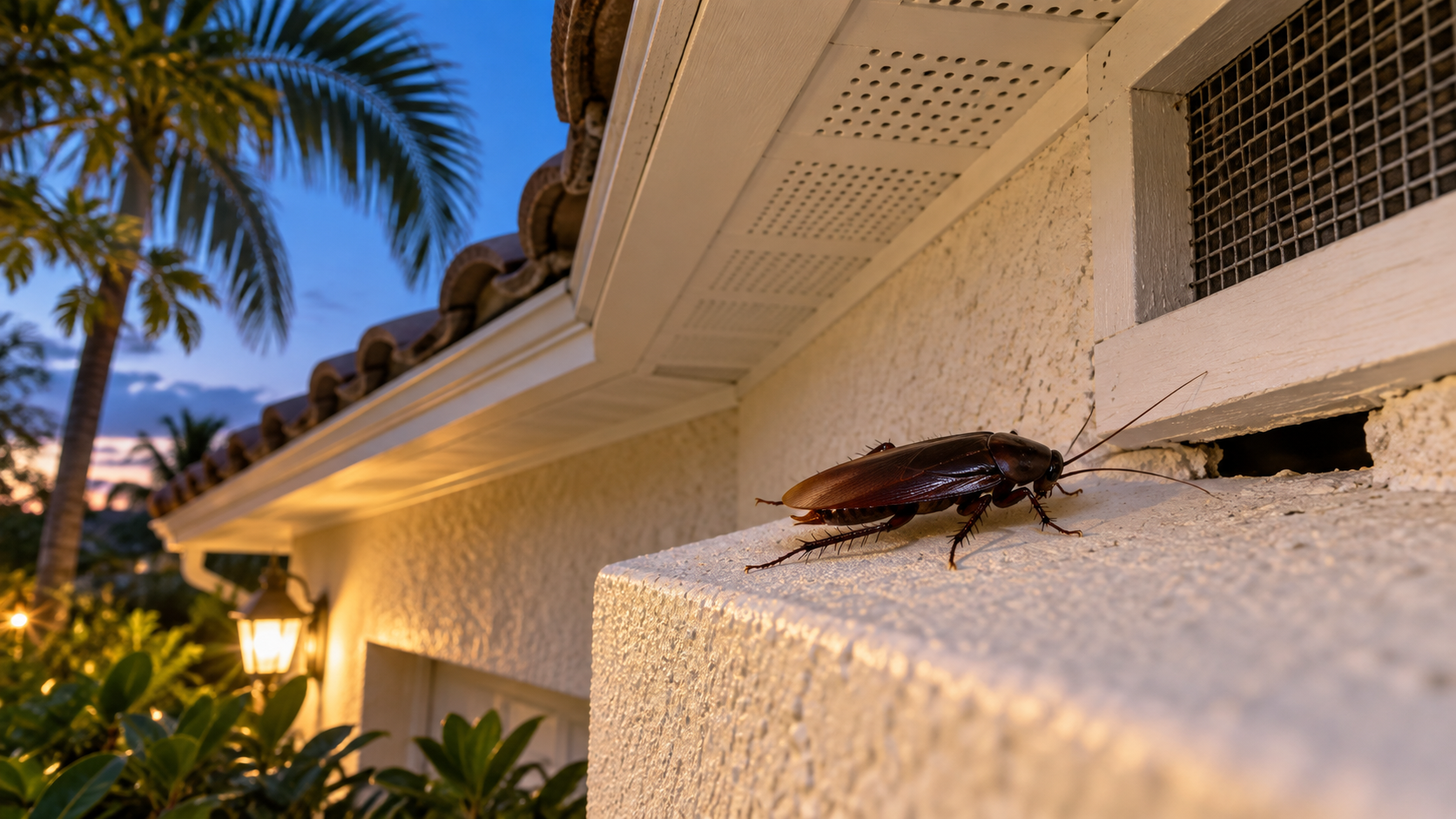
You spot a cockroach scurrying across the kitchen floor. Your first instinct might be to grab a can of bug spray or rush to the hardware store for a quick fix. It’s a natural reaction—no one wants pests hanging around. Tackling the problem yourself feels like the fastest and cheapest solution, but does it actually work?
While a spray bottle might kill the bug you see, it rarely addresses the bigger issue lurking out of sight. There’s a big difference between killing a few pests and eliminating an infestation. In this guide, we’ll compare DIY pest control methods with professional services, exploring why DIY often provides only temporary relief and why professional intervention is key to long-term peace of mind.
Why DIY Pest Control Has Become So Popular
Walk down the aisle of any home improvement store, and you’ll find shelves stacked with DIY pest control kits. The appeal is obvious. First, there’s the convenience—you can grab a trap or spray while shopping for groceries or order solutions online with next-day delivery. It feels proactive: see a problem, buy a product, and fix it.
Second, there’s the perception of lower costs. Spending $20 on a bottle of spray seems far more budget-friendly than hiring a professional exterminator. Marketing for these products promises quick, effective results, which is tempting for homeowners seeking an immediate fix. But while the upfront cost may be lower, the long-term reality often tells a different story.
The Hidden Problem With DIY Pest Control
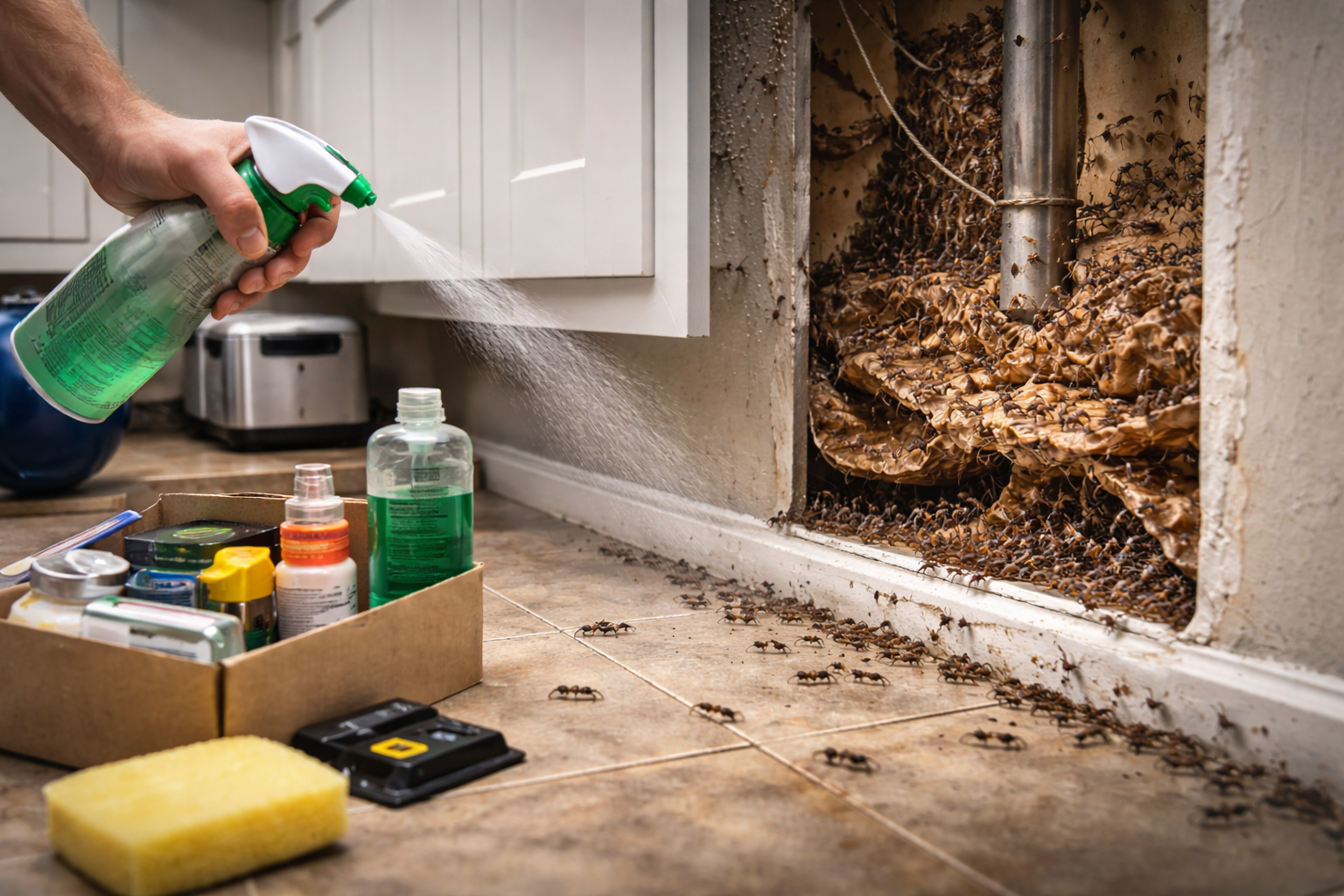
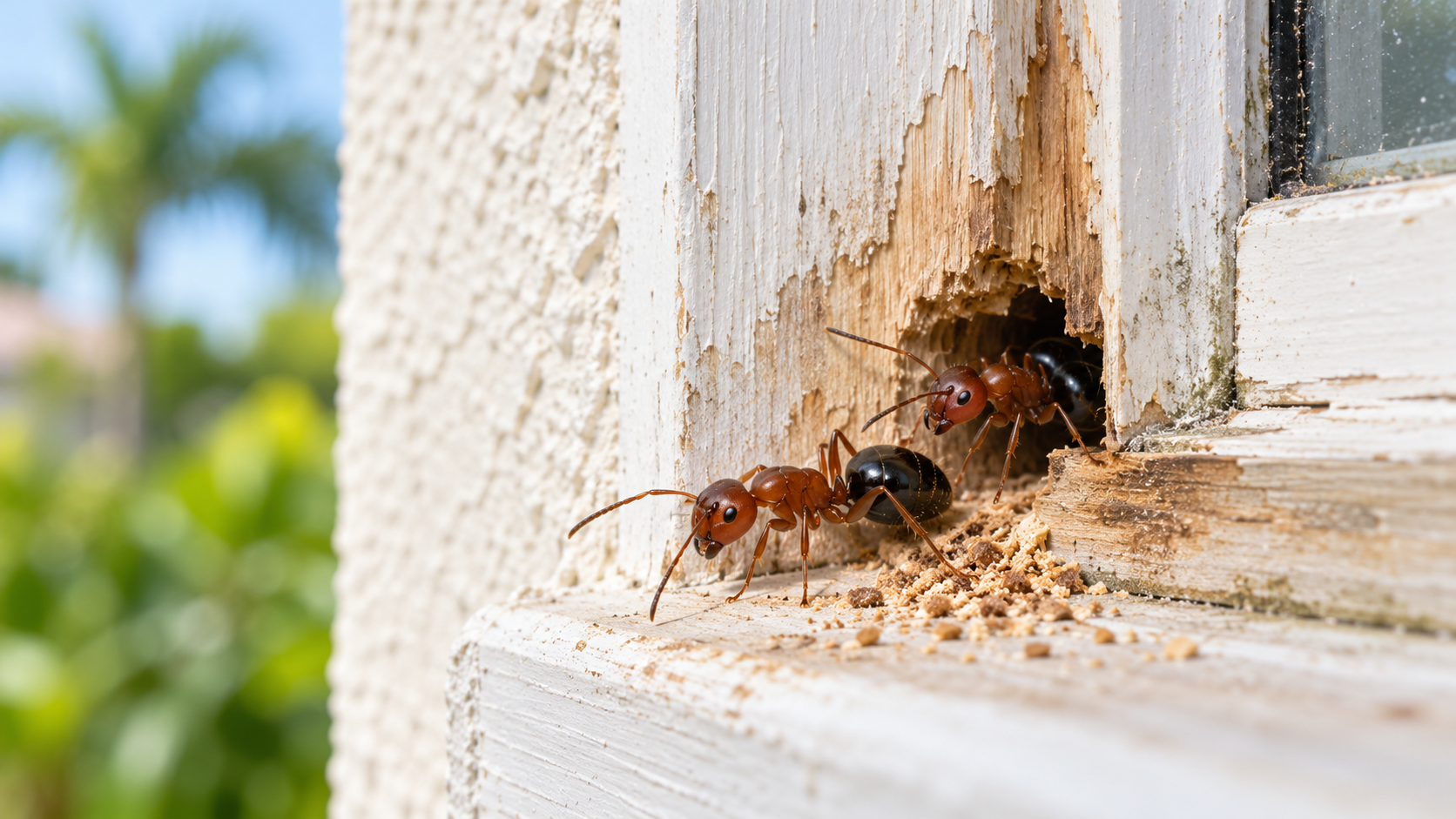
The biggest issue with most DIY methods is that they act as a "band-aid" rather than a cure. Over-the-counter sprays and traps are designed to target the pests you can see, but they rarely address the root of the problem. For example, you might kill the ants marching across your counter, but the thousands of ants in the colony hidden inside your walls remain untouched.
Here are some common limitations of DIY pest control:
- Surface-Level Treatment: Most consumer products only work on contact, meaning they kill pests on the surface but fail to penetrate deep into nesting or breeding areas.
- Weaker Formulations: To ensure safety for the general public, consumer-grade products are far less potent than the professional-grade treatments used by exterminators.
- Misidentification: Using the wrong product for a specific pest species can backfire. For instance, spraying certain ant species can cause the colony to split and spread, worsening the infestation.
Because these methods fail to address nests, colonies, or breeding sources, any relief they provide is almost always temporary.
Why Infestations Keep Coming Back After DIY Treatments
One of the most common frustrations for homeowners is the "yo-yo effect." You spray, the bugs disappear for a few days, and then they come back—sometimes in even greater numbers.
Why does this happen?
Infestations rarely begin where you see them. Pests often originate in hidden areas like behind walls, under foundations, in attics, or through unseen entry points. Spraying baseboards or visible areas without a thorough inspection misses the root cause entirely.
Additionally, pests are remarkably adaptive. If you use a chemical they dislike, they may simply relocate deeper into your home’s structure to avoid it. DIY treatments also overlook critical environmental factors that contribute to recurring infestations, such as moisture leaks, unsealed vents, or landscaping features that attract pests in the first place. Without addressing these underlying issues, the cycle of pests returning is almost inevitable.
How Professional Pest Control Fixes the Root of the Problem
Professional pest control services go far beyond the "spray and pray" approach of store-bought solutions. Instead of simply killing visible bugs, the focus shifts to managing the environment and addressing the root causes of infestations.
It all begins with a comprehensive inspection. A trained technician doesn’t just look for pests—they assess your home as a whole, identifying:
- Entry Points: Cracks, gaps, or openings where pests are sneaking in.
- Nesting Sites: Hidden areas where pests live and breed, such as wall voids, attics, or crawl spaces.
- Moisture Sources: Leaks, standing water, or damp areas that attract pests like termites, cockroaches, and mosquitoes.
- Food Sources: Accessible crumbs, pet food, or improperly sealed pantry items that sustain infestations.
Once the inspection is complete, professionals develop a targeted treatment plan based on the specific pest species and their behavior. For example:
- Baits: These are designed to attract pests like ants or cockroaches, which then carry the poison back to their colony, effectively eliminating the source—including the queen.
- Growth Regulators: These disrupt the reproductive cycle of pests, preventing them from multiplying and ensuring long-term control.
- Specialized Treatments: Depending on the pest, professionals may use heat treatments, fumigation, or eco-friendly solutions to address the problem without harming your home or family.
The ultimate goal of professional pest control is long-term prevention. It’s not just about eliminating today’s infestation but creating a pest-free environment for the future. By addressing the root causes—like sealing entry points, fixing moisture issues, and removing attractants—professionals ensure your home remains secure and pest-free over time.
Professional Pest Control vs DIY
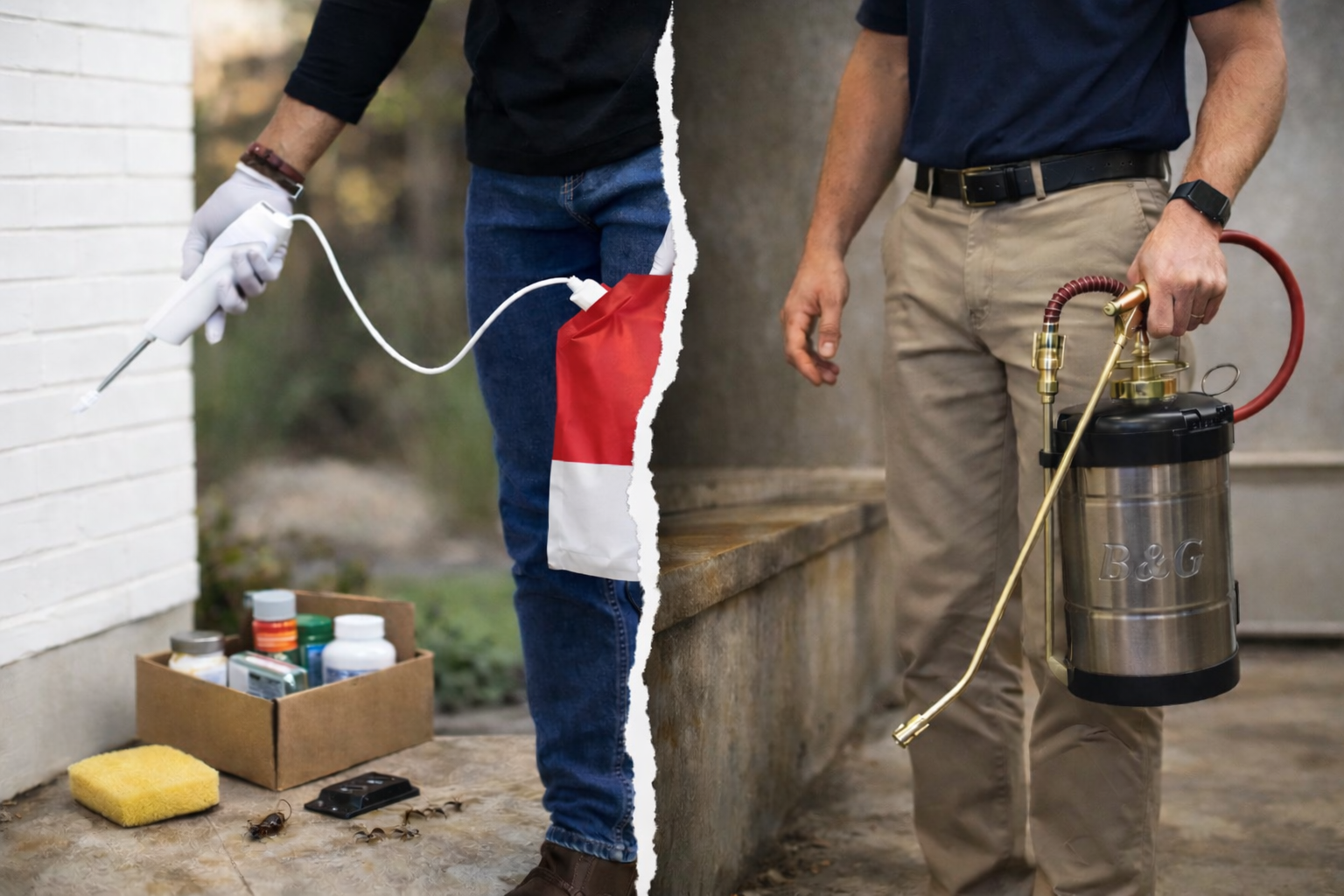
To truly understand the difference in value between DIY and professional pest control, it’s helpful to break down what each approach offers. While DIY methods may seem convenient and cost-effective at first glance, a side-by-side comparison reveals the distinct advantages of professional services in terms of effectiveness, long-term results, and overall peace of mind.
| Feature | DIY Pest Control | Professional Pest Control |
|---|---|---|
| Treatment Strength | Low concentration (Consumer grade) | High concentration (Professional grade) |
| Application | Generic spraying | Targeted, precise application |
| Knowledge | Trial and error | Expert training on biology & behavior |
| Longevity | Short-term (Days/Weeks) | Long-term (Months/Year-round) |
| Strategy | Reactive (Kills on contact) | Preventative (Eliminates source) |
The Risks of Relying on DIY Pest Control
Beyond its limited effectiveness, DIY pest control comes with genuine safety risks, especially when handling chemicals or dealing with certain pests. Without proper training and precautions, homeowners can unintentionally create hazardous situations.
- Incorrect Chemical Use: It’s easy to assume that more chemicals mean better results, but over-applying pesticides can leave harmful residues on surfaces where children and pets play. This not only poses health risks but can also contaminate your home environment.
- Pest Resistance: Misusing or overusing chemicals can lead to pest resistance. For example, applying the wrong product or using it incorrectly might kill weaker pests while allowing stronger ones to survive and breed. Over time, this creates a population that is harder to eliminate and more resistant to treatments.
- Health Hazards: Certain pests, like rodents, carry diseases that can be dangerous to humans. Attempting to clean up rodent droppings, disturb nests, or handle infestations without proper protective gear can expose you to harmful bacteria, viruses, or allergens.
When It’s Time to Call a Professional Pest Control Company
There’s a time and place for a flyswatter or a quick DIY fix. But how do you know when you’ve crossed the line into infestation territory? Recognizing the signs early can save you time, money, and stress by preventing the problem from escalating.
Here are the key indicators that it’s time to call in a professional:
- Pests Reappear Quickly: If you’ve treated the area and pests return within a week, it’s a clear sign you’ve only addressed the surface problem, not the source.
- Daytime Sightings: Many pests, such as roaches and rodents, are nocturnal. Spotting them during the day often signals a severe infestation, as their population has grown so large that they’ve run out of hiding spots.
- Structural Damage: Gnaw marks on wires, holes in drywall, sagging floors, or chewed furniture are red flags. These signs indicate pests like rodents or termites are causing damage that requires immediate professional attention.
- Signs of Nesting: Discovering droppings, egg casings, shredded paper, or other nesting materials means you’re dealing with an established colony. This is not a problem that will resolve itself with over-the-counter solutions.
If you notice any of these warning signs, it’s time to contact a professional exterminator. Acting quickly can prevent further damage and ensure your home is safe and pest-free.
Final Thoughts: Real Pest Control Requires a Real Solution
There’s nothing wrong with wanting to take care of your home. But when it comes to pests, "doing it yourself" often turns into a losing battle.
DIY methods are temporary fixes for long-term problems. They address the symptoms—like the pests you can see—but rarely tackle the root cause. Professional pest control, on the other hand, takes a strategic, science-based approach to eliminate infestations at their source and protect your home year-round.
By investing in professional services, you’re not just solving today’s problem—you’re preventing future ones. Long-term protection saves you money, time, and the stress of sharing your home with unwanted guests. When it comes to pests, peace of mind is worth the investment.
Secure Your Home with a Free Professional Quote
A protected home is a happy home. Take the first step toward total peace of mind by scheduling a comprehensive evaluation with the experts at Professional Pestguard. Our team is here to help you create a pest-free environment for your family.
Ready to get started? Simply fill out our contact form, and one of our experts will assess your property, identify vulnerabilities, and provide a clear, customized plan to secure your home. Trust your local professionals to get the job done right—because your home deserves the best protection.
About Professional Pestguard
Professional Pestguard provides professional pest control in Weston, FL and nearby communities including Davie, Sunrise, Pembroke Pines, and Plantation. With over 40 years of experience, our licensed technicians protect homes and businesses across Broward County and Miami-Dade County from ants, cockroaches, rodents, spiders, and other common South Florida pests using safe and effective treatments.