How Property Managers Can Prevent Recurring Cockroach Complaints Across Multiple Units
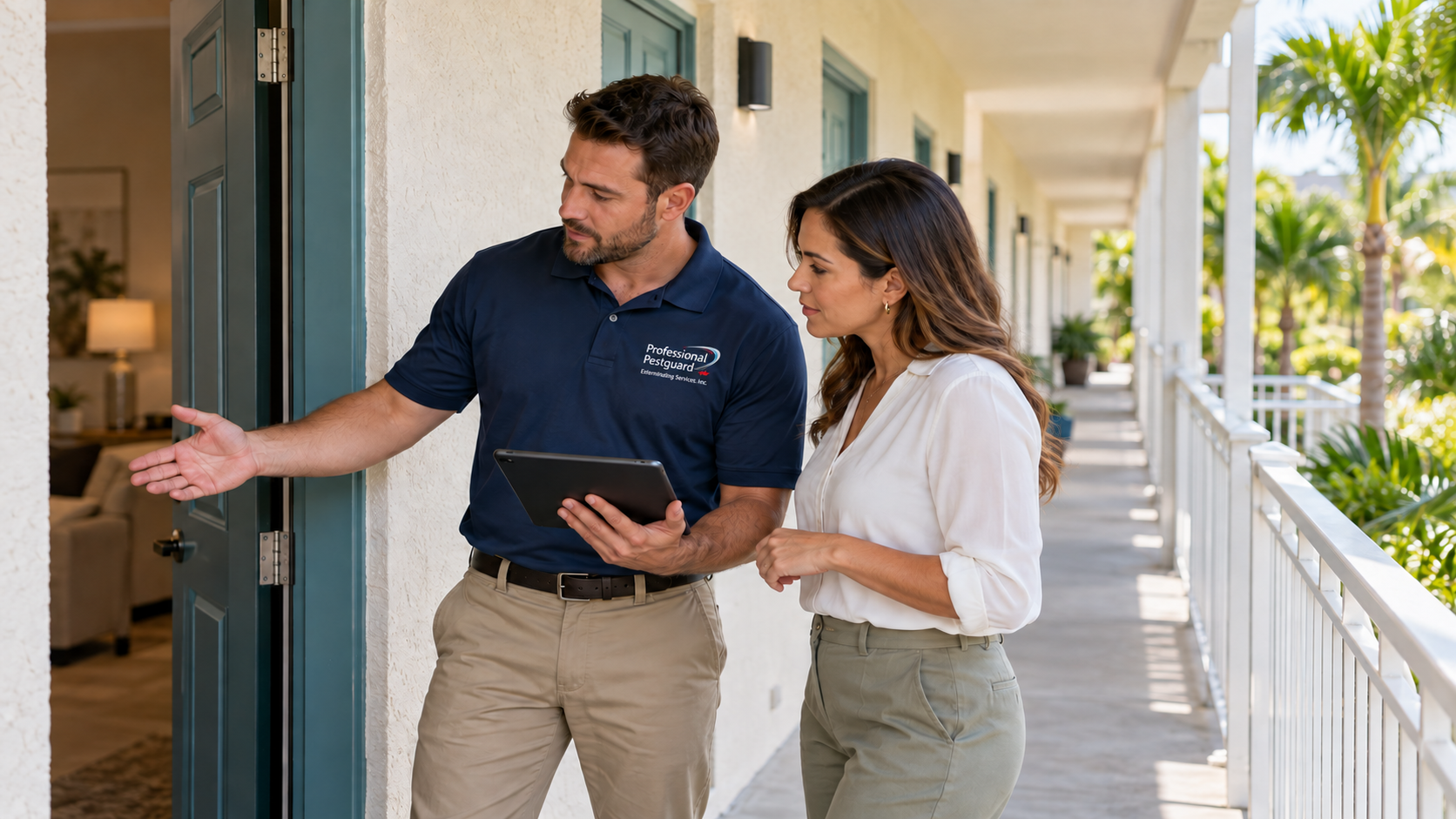
Property managers can reduce recurring cockroach problems between apartments by coordinating inspection of affected and relevant neighboring units, arranging access, addressing sanitation and moisture issues, and tracking treatment results through follow-up. A complaint should remain under review until inspection and monitoring support improvement. Closing a work order after one visit does not establish that the underlying problem is resolved.
Effective apartment cockroach control requires a shared plan between management, residents, maintenance staff, and the pest control provider. This guide explains how to organize that response, evaluate the service scope, and avoid repeating the same unsuccessful cycle across a multifamily property.
Turn recurring complaints into a coordinated property response
Start by connecting reports that may be related. Separate work orders can hide a pattern when residents in neighboring apartments report activity on different days. A building and unit map helps management and the technician see whether complaints cluster around adjoining kitchens, bathrooms, or shared utility spaces.
Our article about why German roaches spread through apartments covers the biological and building conditions behind spread. The next management decision is operational: which locations need inspection, who will arrange access, and how will unresolved findings be tracked?
Create one case record for connected complaints
Keep individual resident reports, but connect them to a building-level case when the technician identifies a possible relationship. Assign one management contact to coordinate the next actions.
- Record the building, unit, room, report date, and resident observations.
- Link previous visits and any continuing or newly reported activity.
- Identify scheduled inspections, missed access, and outstanding repairs.
- Give each unresolved action an owner and a review date.
For example, repeat reports from two apartments sharing a kitchen wall justify discussing a coordinated inspection with the provider. They do not prove which apartment was the source. Mapping the reports should guide investigation, not assign blame.
Coordinate adjacent-unit inspections before deciding treatment scope
Ask the pest control provider whether units beside, above, or below the reported apartment should be inspected. The appropriate scope depends on species identification, building layout, evidence, and complaint history. Adjoining apartments may need evaluation even when their residents have not submitted a report.
Inspection and treatment are different decisions. A neighboring unit with no confirmed activity may need monitoring rather than the same treatment as the affected apartment. Conversely, repeated findings across connected spaces may justify expanding the inspection. The provider should explain the reasoning.
Build a practical access plan
Management can make the inspection more useful by arranging access to related locations within a coordinated service window. Confirm preparation requirements with the technician before communicating them to residents.
- List the affected apartments and additional units recommended for inspection.
- Confirm appointment windows and the property’s established entry procedures.
- Include relevant vacant units and accessible shared service areas.
- Track unsuccessful entry attempts and arrange another appointment.
A unit that could not be entered should remain marked as uninspected, not clear. Resolving access gaps allows the technician to assess shared building conditions with fewer unanswered questions.
Connect shared plumbing and wall findings to maintenance work
When complaints align around shared walls or plumbing routes, ask the technician to document the locations that warrant attention. Gaps around utility penetrations, damp cabinets, and recurring leaks can be relevant to the investigation. Their presence does not automatically establish the route or source of an infestation.
Maintenance staff should review reported moisture and building concerns and arrange appropriate repairs. Professional Pestguard does not provide exclusion, sealing, or structural repair services. Any such work must be handled separately by property maintenance or a qualified contractor and coordinated with the pest control plan.
Make repair recommendations trackable
“Check plumbing” is difficult to follow through on. A useful work order identifies the location, the observed condition, and the person responsible for evaluating it.
- Specify the unit and fixture or shared area needing attention.
- Record whether a leak is active, recurring, or awaiting investigation.
- Note the assigned maintenance contact or contractor.
- Confirm completion and share relevant updates with the pest control provider.
For example, repeated dampness under a sink needs a completed maintenance response, not repeated notes in a pest report. Once moisture issues are assigned, the same accountability should apply to sanitation and storage conditions.
Address sanitation consistently without blaming residents
Sanitation supports property management cockroach control, but complaints should not automatically be attributed to housekeeping. Clean apartments can still be affected. Describe observable conditions respectfully and distinguish resident tasks from work controlled by management, such as common-area cleaning or waste collection.
Recommendations should address the specific property: food residue, overflowing waste, cluttered storage, or moisture may require different responses. Ask the technician which changes matter most and whether they affect access, treatment, or monitoring.
Assign manageable actions and verify completion
Give residents and staff clear tasks instead of broad instructions to “clean everything.” Preparation requirements should come from the provider and match the planned service.
- Residents: Follow food-storage, preparation, and cleaning instructions provided.
- Management: Arrange cleaning of relevant common areas and waste facilities.
- Maintenance: Address leaks, appliance problems, and assigned building concerns.
- Coordinator: Confirm which tasks are complete and which need assistance.
Record barriers that make a task difficult, then work toward a practical solution. Reliable communication improves cooperation and helps prevent missed appointments from becoming another reason activity continues.
Give residents one clear communication process
Residents should know where to report sightings, what information to provide, and when to expect an update. Use one reporting channel that staff consistently review. Explain that nearby inspections may be needed without identifying another resident as the cause or disclosing their private complaint history.
Before service, share the appointment window, technician-provided preparation instructions, household precautions, and a contact for access concerns. After service, explain the next step without promising that every sighting will stop immediately.
Send instructions that support the treatment plan
Keep resident messages short, specific, and consistent with the provider’s guidance. Translate or explain instructions when needed so residents understand what they are being asked to do.
- Ask residents to report the room, date, and a photo when available.
- Provide a clear way to report scheduling or preparation difficulties.
- Explain that monitors and professional placements should not be moved.
- Ask residents to discuss additional sprays or foggers with the provider before use.
This creates a useful reporting loop: residents describe changes, management records them, and the technician evaluates them during follow-up. Communication should continue beyond the first treatment appointment.
Use follow-up findings to decide whether the plan is working
Follow-up should compare current findings with the initial assessment. Ask the provider to review activity in treated units, monitoring results, inspection gaps, and related complaints. Fewer reports can be encouraging, but silence alone does not confirm control, especially when residents were unavailable or monitors were disturbed.
Routine service frequency and active-infestation follow-up serve different purposes. Our guide to apartment pest control frequency in South Florida explains how recurring visits and additional checks fit together. Confirm the next review date and what would trigger an earlier response.
Review progress before closing the case
Agree on the evidence the provider will use to recommend continuing, changing, or reducing intervention. Monitoring records are most useful when locations and checking intervals are documented consistently.
- Compare findings in the same locations over time.
- Confirm whether recommended neighboring units were inspected.
- Check the status of sanitation, access, and maintenance actions.
- Investigate continuing activity instead of automatically repeating the same visit.
Persistent activity may require reassessing coverage, methods, preparation, or unresolved conditions. Keep the case open for review until the provider can explain the results and the next monitoring plan.
Choose a commercial roach control scope that matches the property
When comparing commercial cockroach control services, ask how the proposal handles connected apartments and recurring complaints. A common-area-only agreement may not cover resident interiors, additional inspections, or return visits. Confirm these details before promising coverage to residents.
Our guide to what a property management pest control program should include provides a broader framework. For multifamily pest control, the proposal should explain how coordination works when several units need attention at once.
Compare deliverables as well as price
Provide building and unit counts, the complaint history, known access issues, and previous service records when requesting an estimate. Ask each provider to explain the same scope so proposals can be compared meaningfully.
- Included unit interiors, common areas, and adjacent-unit inspections.
- Follow-up arrangements and charges for additional work.
- Service records, findings, and recommendations management will receive.
- Responsibilities for access, resident preparation, cleaning, and repairs.
An effective agreement makes the next action clear when a complaint returns. The questions below address common decisions managers face while putting that agreement into practice.
Frequently asked questions about recurring apartment cockroach complaints
Property managers need answers that translate into scheduling, access, and service decisions. These questions focus on coordinating an ongoing response across apartments rather than identifying infestation signs.
How do property managers stop recurring cockroach problems between apartment units?
Coordinate inspection of affected and relevant connected units, arrange reliable access, resolve supporting conditions, and monitor results. Assign owners to resident communication, maintenance, and follow-up tasks. The plan should be reviewed when activity persists rather than treating every complaint as an unrelated event.
Should apartments next door, above, and below be inspected?
Ask the technician to evaluate those connections when activity or building layout suggests a shared problem. The scope should follow findings and complaint history. Inspection of a neighboring apartment does not automatically mean it requires treatment.
Does the whole apartment building need treatment?
Not automatically. The provider should determine treatment scope from identified activity, inspection results, and relevant connections. Widespread or repeated findings may justify broader inspection and coordinated treatment, while a limited issue may support a more focused response with monitoring.
What if a resident misses an inspection appointment?
Document the missed access and arrange another appointment through the property’s established procedures. Tell the provider which unit remains uninspected. Ask the resident about scheduling or preparation barriers, and avoid marking the apartment clear simply because no inspection occurred.
How soon should follow-up happen after cockroach treatment?
The provider should set the interval according to the methods used, severity, and findings. Confirm the next visit when treatment is arranged and ask what changes should be reported sooner. Active follow-up may be needed between routine property service dates.
What records should managers keep for recurring complaints?
Keep report dates, locations, inspection findings, service dates, access outcomes, maintenance actions, and the next review date. Link related cases while limiting resident information to staff who need it. Records should show both completed work and unresolved tasks.
Prevent repeat complaints with coordinated action and verified follow-up
Reducing recurring cockroach complaints requires a coordinated response across relevant units. Inspection coverage, reliable access, maintenance, sanitation, and resident communication should support the same treatment plan. Documentation helps management see whether these actions are happening and whether the findings are improving.
The objective is measurable progress, not simply more completed service tickets. A clear multifamily pest control agreement should define coverage, responsibilities, follow-up, and how unresolved activity will be reviewed.
Request a free apartment cockroach control estimate
Professional Pestguard provides commercial pest control for managed properties in South Florida. Share your unit counts, recurring complaint locations, and current service arrangements so we can discuss an appropriate scope. Request a free estimate or call (954) 389-6107 to discuss apartment cockroach control for your community.
About Professional Pestguard
Professional Pestguard provides professional pest control in Weston, FL and nearby communities including Davie, Sunrise, Pembroke Pines, and Plantation. With over 40 years of experience, our licensed technicians protect homes and businesses across Broward County and Miami-Dade County from ants, cockroaches, rodents, spiders, and other common South Florida pests using safe and effective treatments.