Ultimate Pest-Proofing Checklist for Homeowners
Proactive pest-proofing, also known as exclusion, is more than just a way to avoid the annoyance of bugs. It’s a critical part of home maintenance that safeguards your health, property, and wallet.
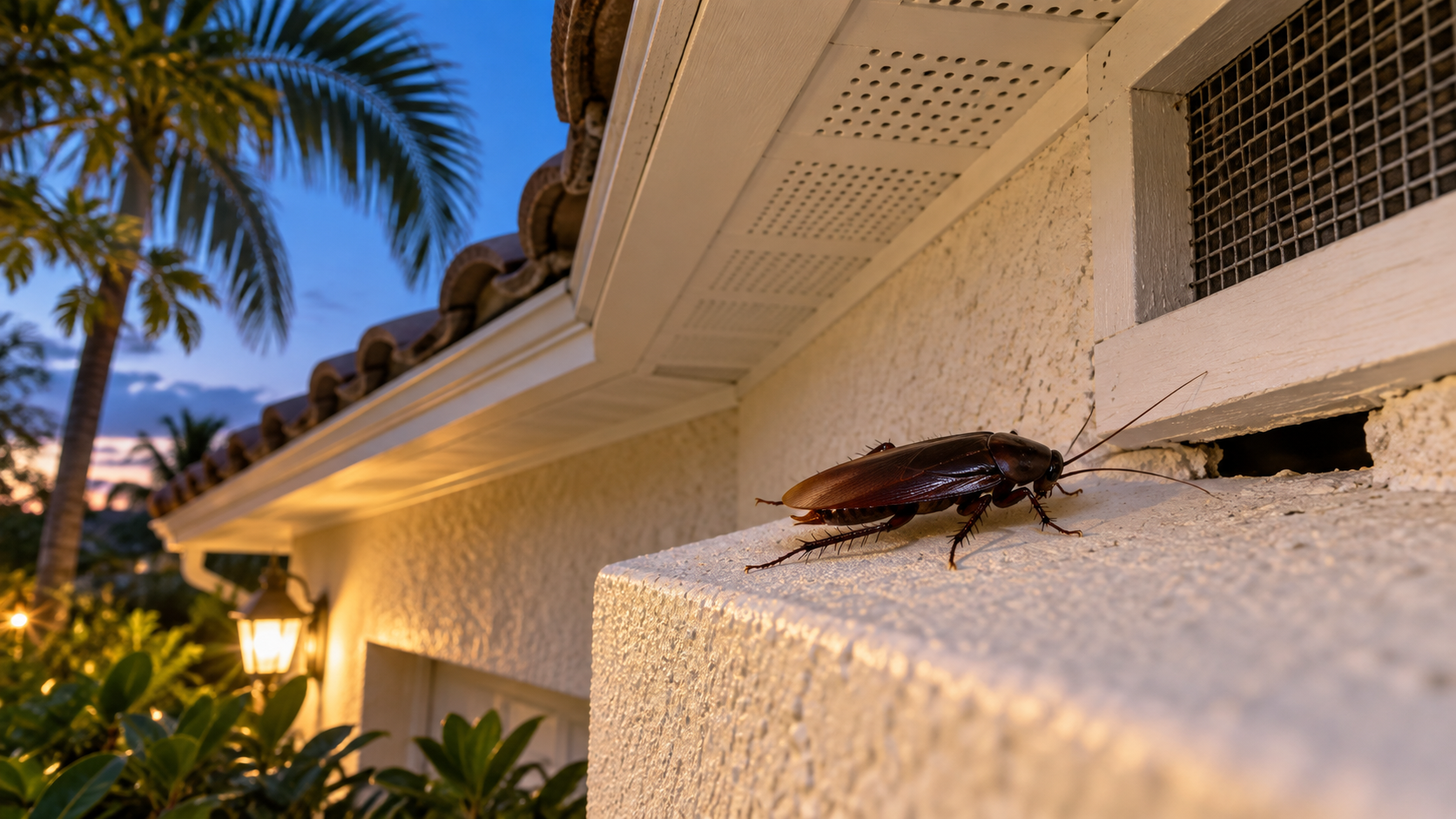
- Health and Safety: Pests like cockroaches and rodents carry diseases, contaminate food, and trigger allergies or asthma. Blocking their entry is the first step in effective pest control.
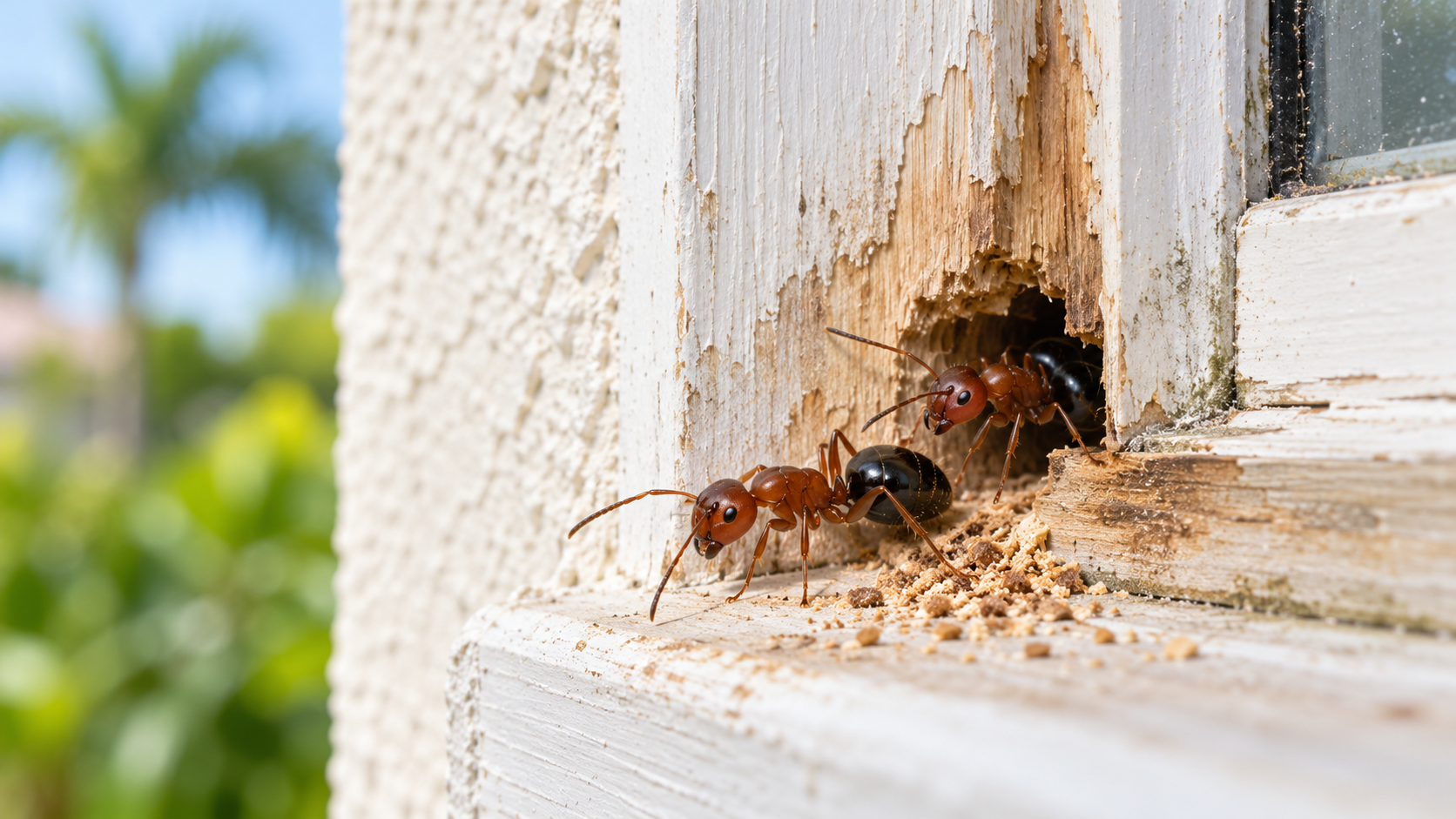
- Property Protection: Pests can cause serious structural damage. Carpenter ants hollow out wood, while rodents chew through wiring, creating fire hazards. Preventing infestations is far more affordable than repairing the damage they cause.
- Cost Savings: Prevention is always cheaper than elimination. Sealing entry points and maintaining your property reduces the need for costly reactive treatments and repairs.
Your Step-by-Step Home Pest-Proofing Checklist
Use this detailed checklist to inspect and secure every potential vulnerability in your home. We’ve broken it down by area for easy navigation.
1. The Exterior Perimeter: Your First Line of Defense
Your home’s foundation and exterior walls are the most common entry points for pests.
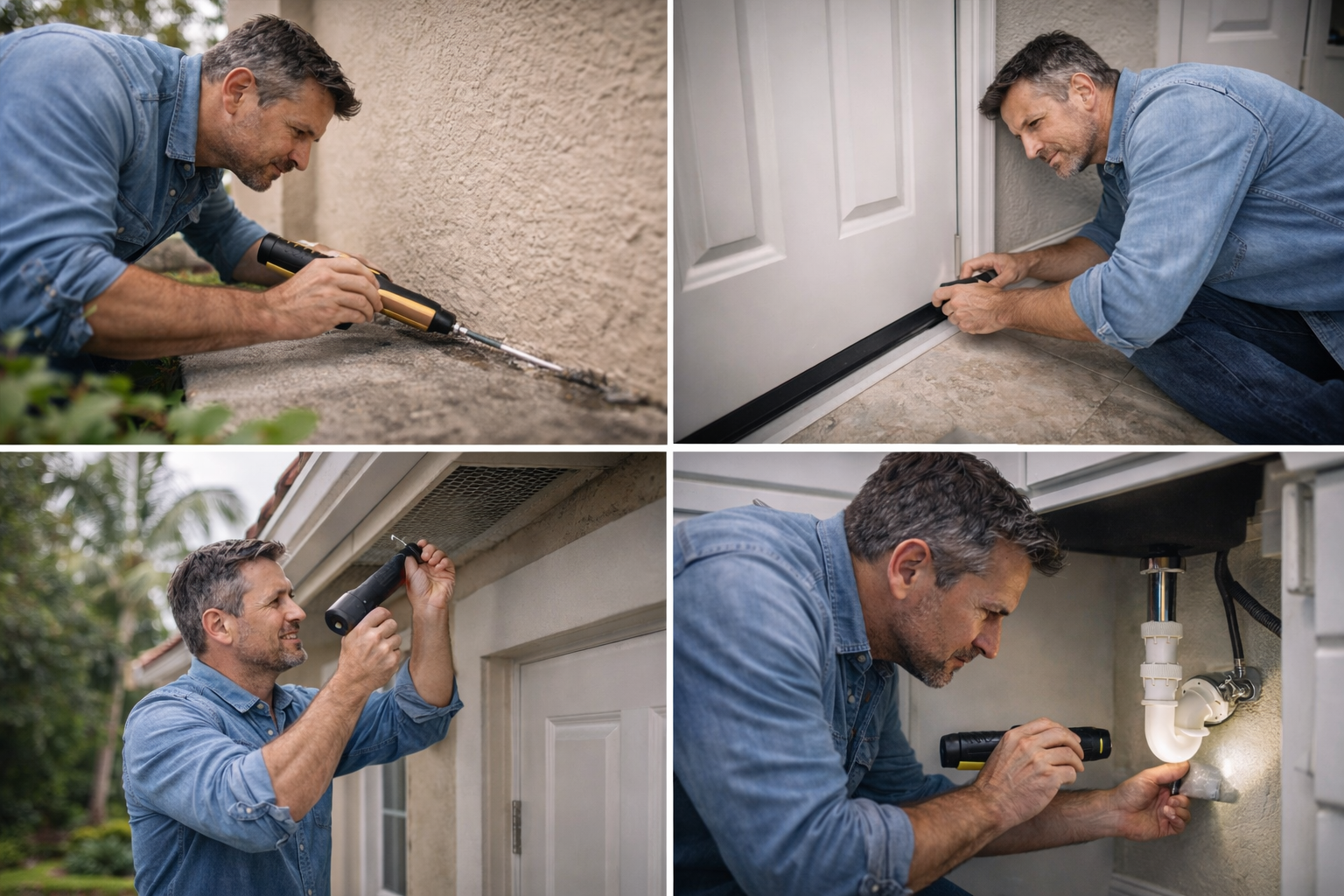
- Inspect Foundation Cracks: Walk the perimeter of your home and look for cracks or holes. Seal smaller cracks (less than 1/4 inch) with silicone caulk. For larger gaps, use expanding foam or consult a professional.
- Seal Utility Entry Points: Check where utility lines, pipes, and cables enter your home. Use caulk, steel wool, or expanding foam to seal these gaps tightly.
- Check Vents and Weep Holes: Ensure dryer vents, attic vents, and crawl space vents are covered with secure screens. Install weep hole covers to block pests while maintaining airflow.
2. Doors and Windows: The Obvious Entrances
Gaps in doors and windows are like a welcome mat for pests.
- Install Door Sweeps: Seal gaps under exterior doors to block ants, rodents, and other pests.
- Replace Weatherstripping: Damaged weatherstripping around doors and windows creates easy entry points. Replacing it also improves energy efficiency.
- Repair Screens: Even small tears in window and door screens can let pests in. Repair or replace damaged screens promptly.
3. Roof, Attic, and Soffits: The High-Rise Entrances
Pests don’t just enter at ground level—your roof and attic are prime targets.
- Inspect the Attic: Look for droppings, gnawed wood, or disturbed insulation. Check for light shining through, which indicates entry points.
- Secure Soffit Vents: Cover soffit vents with fine-mesh screening to block pests while maintaining ventilation.
- Inspect the Roofline: Check where the roof meets the walls for gaps. Clear clogged gutters to prevent moisture issues that attract pests like ants and roaches.
4. Kitchen, Bathrooms, and Plumbing
These areas provide pests with the two things they need most: food and water.
- Seal Plumbing Gaps: Look under sinks and behind toilets for gaps around pipes. Seal them with caulk or escutcheon plates.
- Fix Leaks Immediately: Repair dripping faucets or leaky pipes to eliminate moisture sources.
- Maintain Drains: Keep drains free of food debris and buildup to prevent attracting drain flies and roaches.
5. Garage and Crawl Spaces
These often-overlooked areas are common staging grounds for infestations.
- Seal the Garage Door: Ensure the rubber seal at the bottom of your garage door sits flush with the floor. Check weatherstripping along the sides and top.
- Organize Storage: Use plastic bins with tight-fitting lids instead of cardboard boxes, which pests can chew through.
- Encapsulate Crawl Spaces: Professional encapsulation creates a moisture barrier, reducing both moisture and pest issues.
6. Yard and Landscaping
Your yard can either be a buffer zone or a bridge for pests to your home.
- Trim Vegetation: Keep tree branches, shrubs, and vines trimmed back at least three feet from your house to prevent pests from using them as bridges.
- Manage Mulch: Keep mulch at least six inches away from your foundation to avoid attracting ants and other insects.
- Eliminate Standing Water: Tip over containers like buckets or birdbaths to prevent water buildup that attracts pests.
When DIY Pest-Proofing Isn’t Enough
While this checklist is a powerful tool, some situations require professional expertise. If you notice signs of a persistent pest problem, hear noises in your walls, or have an infestation that keeps returning despite your best efforts, it’s time to call in the experts.
Professional Pestguard: Your Partner in Home Pest Control
When pests invade, Professional Pestguard is here to help. Serving South Florida, including Weston, Broward, and Miami-Dade counties, we specialize in Integrated Pest Management (IPM) to provide long-term protection for your home.
- Local Expertise: We understand the habits of South Florida pests like ghost ants and roof rats and know how to control them effectively.
- Thorough Inspections: Our licensed technicians identify entry points, active infestations, and vulnerabilities, providing clear recommendations to secure your home.
- Customized Plans: We tailor pest management strategies to your property and family’s needs, focusing on long-term prevention.
- Eco-Conscious Solutions: We use advanced, low-impact products that are tough on pests but safe for your family and pets.
- Satisfaction Guaranteed: As a licensed and insured company, we’re committed to your total satisfaction.
Secure Your Home Today
Don’t wait for pests to take over. Take the first step toward a pest-free home with a comprehensive evaluation from Professional Pestguard.
Fill out our contact form today, and one of our experts will assess your property, identify vulnerabilities, and create a customized plan to protect your home. Trust the local professionals to get the job done right—because your home deserves the best.
As the seasons change in South Florida, so does pest behavior. Cooler, wetter fall weather drives insects and rodents to seek warmth, moisture, and food—and your home is often their ideal destination. A tiny crack under a door or a small gap around a pipe can serve as an open invitation for pests to invade.
Ants, for example, can establish extensive colonies before you even notice a problem. And while it’s tempting to grab a can of spray, effective pest control starts with prevention, not reaction.
This ultimate pest-proofing checklist is your step-by-step guide to fortifying your home against unwanted invaders. From simple DIY fixes to knowing when to call in the professionals, we’ll help you create a pest-free environment that protects your family, your property, and your peace of mind.
Why Pest-Proofing Your Home is Essential

About Professional Pestguard
Professional Pestguard provides professional pest control in Weston, FL and nearby communities including Davie, Sunrise, Pembroke Pines, and Plantation. With over 40 years of experience, our licensed technicians protect homes and businesses across Broward County and Miami-Dade County from ants, cockroaches, rodents, spiders, and other common South Florida pests using safe and effective treatments.