How Pantry Pests Get Into Sealed Food Products
Finding insects inside a sealed bag of rice, flour, cereal, or pasta can be frustrating and confusing. Many homeowners assume the infestation started somewhere inside the pantry, but the truth is often far more surprising.
In many cases, pantry pests were already inside the food long before the product ever reached your kitchen. Tiny eggs, larvae, and even adult insects can enter stored food products during manufacturing, transportation, warehousing, or storage. Once the product arrives in a warm South Florida home, the infestation can quickly become visible.
Understanding how pantry pests get into sealed food products can help homeowners identify infestations earlier, protect stored foods, and know when professional pantry pest control services may be necessary.
What Are Pantry Pests?
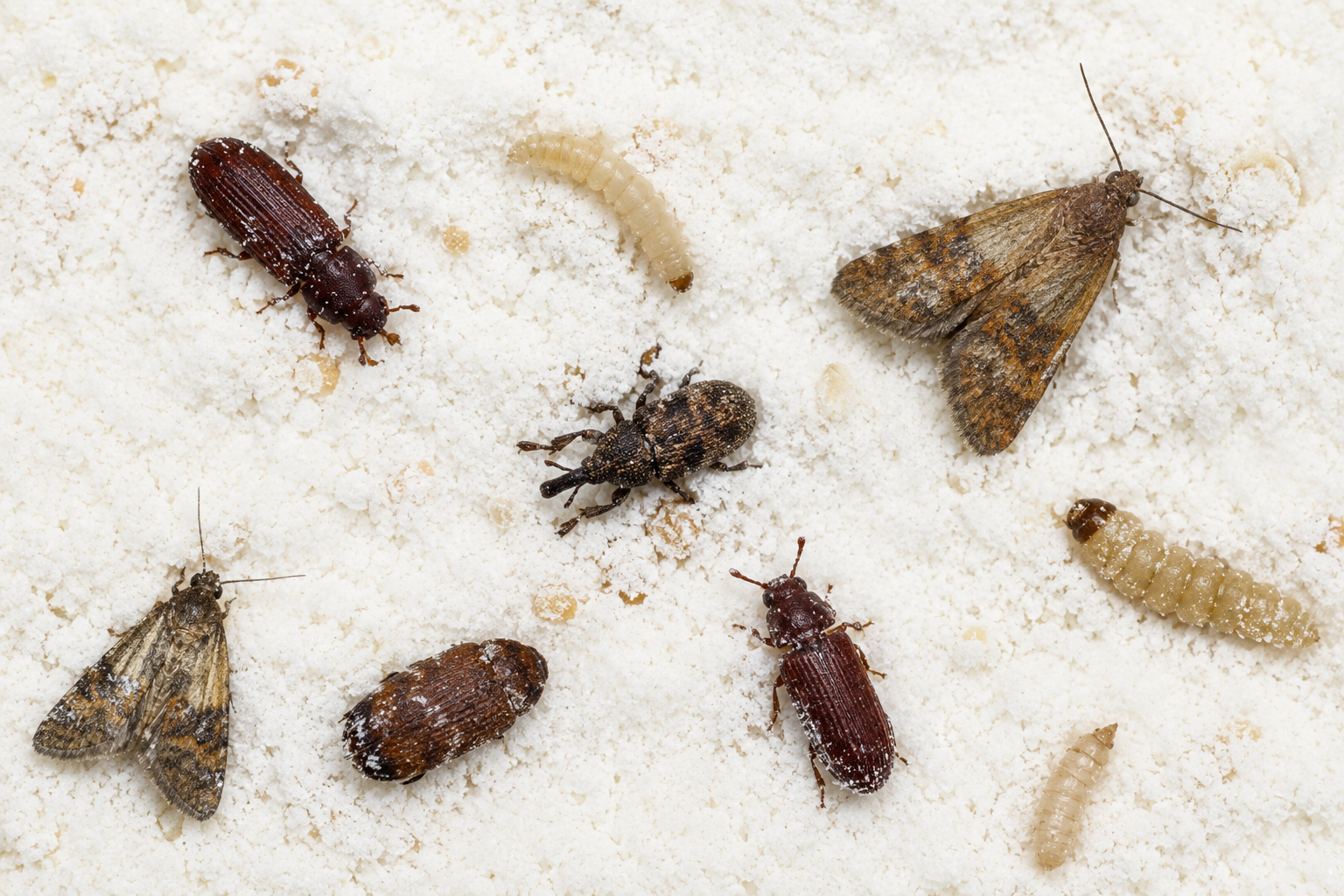
Pantry pests are insects that infest stored food products and reproduce inside dry goods commonly found in kitchens and pantries. Unlike ants or cockroaches that enter homes searching for food, pantry pests often spend their entire life cycle inside the products they infest.
Many pantry pests target foods that contain grains, starches, seeds, or dried plant materials. Because these products are commonly stored for extended periods, they provide an ideal environment for insects to feed, reproduce, and spread.
Common pantry pests found throughout South Florida include:
- Indianmeal moths
- Meal moths
- Rice weevils
- Sawtoothed grain beetles
- Drugstore beetles
- Cigarette beetles
- Red flour beetles
Each species behaves differently, but they all share one thing in common: they can contaminate stored food and spread throughout a pantry surprisingly quickly.
If you're unfamiliar with these insects, our Pantry Pest Identification Guide can help you identify the most common species found in South Florida homes.
The Shocking Truth: Pantry Pests Often Start Before You Buy The Product
One of the biggest misconceptions homeowners have is believing pantry pests somehow entered the food after it arrived in the home.
In reality, many infestations begin long before the product reaches store shelves.
Stored food products travel through a complex supply chain that includes farms, grain silos, processing facilities, warehouses, transportation vehicles, distribution centers, and retail locations. At multiple points during this process, pantry pests can gain access to food products.
Because many pantry pest eggs are nearly microscopic, consumers rarely notice them during purchase. The product may appear perfectly clean while already containing developing insects.
Weeks later, homeowners open the package and suddenly discover beetles, moths, larvae, or webbing. The infestation did not necessarily start in the pantry. The pantry simply provided the conditions needed for it to become noticeable.
How Pantry Pests Get Into Sealed Food Products
Many homeowners assume sealed packaging automatically protects food from insects. Unfortunately, pantry pests have several ways of finding their way into stored food products, and infestations often begin long before the product reaches the pantry.
Understanding how pantry pests enter food products can help homeowners identify potential risks and take steps to prevent future infestations..
Pantry Pest Eggs May Already Be Inside The Product
One of the most common causes of pantry pest infestations is contamination that occurs before a product is purchased. Certain pantry pests deposit eggs directly onto grains, seeds, flour, pet food, and other stored food products during harvesting, processing, transportation, or storage.
Because the eggs are extremely small, homeowners may bring the product home without realizing insects are already present. Once the product is stored in a warm pantry, the eggs hatch and the infestation begins.
Products Commonly Affected
- Rice
- Flour
- Cornmeal
- Bird seed
- Dry pet food
- Cereals
- Pasta
Unlike many other household pests, pantry pests do not always need to enter a package after purchase. In many cases, the insects developed inside the product before it ever arrived at the store.
Some Pantry Pests Can Chew Through Packaging
Many pantry pests are capable of penetrating surprisingly thin food packaging. While heavy plastic and sealed containers offer greater protection, cardboard boxes, paper bags, and lightweight packaging materials can sometimes be vulnerable to infestation.
Once insects gain access to a food source, they may reproduce and eventually spread into nearby products stored throughout the pantry.
Packaging Materials Pantry Pests May Penetrate
- Cardboard boxes
- Paper bags
- Thin plastic bags
- Wax paper liners
- Lightweight food packaging
This is one reason homeowners often discover pantry pests in multiple products at the same time, even when only one item was originally infested.
Packaging Damage Can Create Hidden Entry Points
Food packaging is not always perfect. Small tears, punctures, damaged seals, and handling damage can create opportunities for pantry pests to enter products during shipping, warehousing, retail storage, or after the product reaches the home.
These openings are often too small to be noticed during normal use but may still provide enough access for pantry pests to reach a protected food source.
Common Sources Of Packaging Damage
- Manufacturing
- Shipping
- Warehousing
- Retail stocking
- Consumer handling
Once insects gain access to food products, South Florida's warm temperatures can help populations develop quickly if the infestation goes unnoticed.
Why Pantry Pest Problems Are So Common In South Florida
South Florida's climate provides many of the conditions pantry pests need to survive and reproduce. Unlike colder regions where insect activity slows during winter, pantry pests can remain active throughout much of the year.
Many homeowners are surprised to learn that pantry pest infestations are not always caused by poor sanitation. Environmental conditions such as warmth, humidity, and year-round insect activity can create favorable conditions for pantry pests to develop and spread.
- Warm Temperatures Accelerate Reproduction
Pantry pests reproduce more efficiently in warm environments. Higher temperatures can speed up egg development, larval growth, reproduction rates, and overall population expansion. As a result, a small infestation can become a much larger problem in a relatively short period of time. - High Humidity Supports Insect Survival
South Florida's naturally high humidity levels can help support pantry pest activity. Moisture can create favorable conditions for insect survival while also contributing to food spoilage that may make certain products more attractive to pests. - Year-Round Activity Increases Risk
Unlike colder climates that experience extended periods of reduced insect activity, South Florida remains warm for much of the year. This allows pantry pests to remain active across all seasons, increasing the likelihood of recurring infestations if conditions remain favorable. - Long-Term Food Storage Creates Opportunities
Pantry pests thrive when food products remain stored for extended periods. Flour, rice, cereals, pet food, bird seed, and other dry goods can provide a consistent food source that supports ongoing insect activity. - Hidden Infestations Often Go Undetected
Because pantry pests frequently develop inside food packaging, infestations can remain unnoticed for weeks or months. Homeowners may not realize there is a problem until adult insects begin appearing throughout the pantry or kitchen.
For more information about how seasonal conditions affect pest activity throughout the year, visit our guide on What Time Of Year Are Pests Worst In South Florida?
Signs Pantry Pests May Already Be Inside Your Food
One of the most frustrating aspects of pantry pest infestations is that they often go unnoticed until populations have already become established. Because many pantry pests spend much of their life cycle hidden inside food products, homeowners may not realize there is a problem until insects begin appearing throughout the pantry or kitchen.
Fortunately, there are several warning signs that can help identify an infestation before it spreads to additional food products. Knowing what to look for can help homeowners remove affected items quickly and reduce the risk of pantry pests multiplying throughout the home.
Common Warning Signs Of Pantry Pest Activity
- Small Moths Flying Around The Kitchen
Adult Indianmeal moths are often the first sign homeowners notice. These small moths may be seen flying near kitchen cabinets, pantries, food storage areas, or even throughout nearby rooms. If moths are appearing regularly, there is often an infested food source hidden somewhere inside the home. - Tiny Beetles Inside Cabinets Or Food Packages
Rice weevils, sawtoothed grain beetles, cigarette beetles, and other pantry pests may be found crawling inside food containers or along pantry shelves. Even seeing a few insects can indicate that a larger infestation is developing nearby. - Webbing Inside Food Products
Thin silk webbing is one of the most recognizable signs of Indianmeal moth activity. Homeowners may find webbing inside flour, cereal, rice, pet food, or other dry goods. In severe infestations, the webbing can cause food products to clump together. - Larvae Or Small Worm-Like Insects
Many pantry pests spend part of their life cycle as larvae. These small, cream-colored worms may be discovered inside food packaging, crawling along pantry shelves, or near infested products. - Unusual Clumping Or Texture Changes
Infested flour, grains, cereals, and baking products often develop unusual textures. Products may appear clumped, powdery, or contaminated with insect debris. - Small Holes In Packaging
Some pantry pests are capable of chewing through cardboard, paper, and thin plastic materials. Tiny holes in food packaging may indicate insects have entered or exited the product. - Recurring Activity After Throwing Food Away
Many homeowners discard one infested item only to find insects reappear weeks later. This often indicates that multiple products have become infested or that the original source has not yet been identified.
The earlier pantry pest activity is identified, the easier it is to prevent insects from spreading throughout additional food products. Regular inspections of stored foods can help homeowners catch infestations before they become widespread.
Foods Pantry Pests Commonly Infest
Not all pantry items are equally attractive to pantry pests. Most species target foods that contain grains, starches, seeds, or other plant-based materials that provide a reliable food source throughout their life cycle. Once an infested product enters the home, pantry pests can quickly spread to nearby foods if they are not stored properly.
Many homeowners are surprised to discover that pantry pests do not limit themselves to flour and rice. Depending on the species involved, infestations can occur in a wide variety of foods commonly found in kitchen cabinets, pantries, garages, and storage areas.
Common Foods That Attract Pantry Pests
- Flour And Baking Ingredients
Flour is one of the most commonly infested pantry products. Pantry pests can develop inside flour bags and may remain unnoticed until adult insects begin appearing throughout the pantry. Cornmeal, pancake mix, cake mix, and other baking ingredients are also frequent targets. - Rice And Whole Grains
Rice weevils and other stored-product pests commonly infest rice, oats, barley, quinoa, and similar grain products. Because some insects develop inside individual kernels, infestations may not become obvious until populations have grown significantly. - Cereal And Breakfast Foods
Cereals provide an excellent food source for many pantry pests due to their grain content. Opened cereal boxes are particularly vulnerable, but infestations can also begin before the product reaches the home. - Pasta And Dry Noodles
Pantry pests may infest pasta products made from grain-based ingredients. Although pasta appears dry and unappealing to many insects, it can still support developing pantry pest populations. - Pet Food And Bird Seed
Dry pet food and bird seed are among the most frequently overlooked sources of pantry pest infestations. These products are often stored for long periods and may contain grains, seeds, and other ingredients attractive to insects. - Nuts, Dried Fruits, And Snack Foods
Certain pantry pests can infest dried fruits, nuts, trail mixes, and packaged snack foods. Because these products often remain stored for extended periods, they can support ongoing pest activity if not regularly inspected. - Spices And Dried Herbs
Drugstore beetles and cigarette beetles are known for infesting spices, dried herbs, tea products, and other specialty pantry items. These infestations can be especially difficult to identify because homeowners rarely inspect these products.
Why Pantry Pests Spread So Quickly
Many homeowners focus only on the product where insects were first discovered. Unfortunately, pantry pests often spread into neighboring items before the original infestation is detected.
A single infested bag of rice or box of cereal can eventually lead to insects appearing throughout multiple cabinets, especially when foods remain stored in their original packaging. This is one reason professional pantry pest control inspections often involve checking all nearby food products rather than only the visibly affected item.
By routinely inspecting stored foods and transferring susceptible products into airtight containers, homeowners can significantly reduce the risk of widespread pantry pest infestations.
How To Prevent Pantry Pest Infestations
While it may not be possible to prevent every pantry pest infestation, homeowners can significantly reduce their risk by following proper food storage and pantry maintenance practices. The goal is to make food products less accessible to insects while improving the chances of identifying infestations before they spread.
Many pantry pest problems become widespread because the infestation remains unnoticed for weeks or months. By combining routine inspections, proper storage methods, and good pantry organization, homeowners can often catch problems early and prevent insects from contaminating additional food products.
Pantry Pest Prevention Tips For Homeowners
- Transfer Dry Foods Into Airtight Containers
One of the most effective ways to protect stored food is transferring products from their original packaging into airtight containers. Glass jars and heavy-duty plastic containers create a barrier that prevents pantry pests from spreading between products while also making inspections easier. - Inspect New Food Products Before Storing Them
Before placing food into the pantry, check packaging for signs of damage, holes, webbing, or insect activity. While many infestations are difficult to detect, a quick inspection can sometimes reveal problems before contaminated products are introduced into the home. - Rotate Pantry Inventory Regularly
Foods that remain stored for extended periods are more likely to develop pantry pest issues. Practicing a "first in, first out" system helps ensure older products are used before newer purchases and reduces the amount of time food sits undisturbed. - Clean Pantry Shelves Frequently
Small amounts of spilled flour, rice, cereal, grains, and pet food can support pantry pest activity. Regularly vacuuming and wiping shelves helps remove food residue that may attract insects. - Store Pet Food And Bird Seed Properly
Pet food and bird seed are among the most commonly overlooked sources of pantry pest infestations. These products should be stored in sealed containers rather than left in bags that insects can potentially access. - Monitor Pantry Areas For Early Signs Of Activity
Regular inspections can help identify problems before infestations become widespread. Pay attention to moths flying around kitchens, small beetles inside cabinets, unusual food clumping, and signs of webbing inside stored products. - Discard Infested Products Immediately
If pantry pests are discovered, affected items should be removed promptly. Delaying removal allows insects additional time to reproduce and spread into neighboring food products.
Why Prevention Is Often Easier Than Elimination
Once pantry pests become established, they can spread into multiple food products throughout the pantry. Homeowners often discover that removing one infested item is not enough because additional products have already been affected.
Taking preventative measures before an infestation occurs is typically far easier and less expensive than replacing large quantities of contaminated food. Routine pantry inspections and proper storage practices can go a long way toward reducing the risk of recurring pantry pest activity.
When To Consider Professional Pantry Pest Control
Many pantry pest infestations can be resolved by removing contaminated food products and improving storage practices. However, recurring infestations often indicate that additional infested products remain hidden somewhere in the home.
If pantry moths, beetles, or larvae continue appearing after affected foods have been discarded, a professional inspection may help identify the source of the problem. Professional pantry pest control services focus on locating hidden infestations, identifying the species involved, and helping homeowners prevent future outbreaks.
Signs You May Need Professional Help
- Pantry pests keep returning
Recurring activity often indicates that the original source has not been eliminated. - Multiple food products are infested
Finding insects in several products may suggest the infestation has spread throughout the pantry. - You cannot identify the source
Pantry pests often develop inside products homeowners rarely inspect, such as pet food, bird seed, or baking ingredients. - Moths are appearing throughout the home
Indianmeal moths can spread beyond the pantry and become noticeable in kitchens, hallways, and living areas. - New products continue becoming infested
If newly purchased foods repeatedly develop pantry pest activity, there may be an ongoing infestation somewhere in the home.
Professional inspections can help determine why pantry pests are present and recommend effective solutions for long-term control.
Frequently Asked Questions About Pantry Pests
Pantry pest infestations are one of the most frustrating pest problems homeowners encounter because they often appear to come out of nowhere. Many infestations begin long before the product reaches the home, making it difficult to determine where the insects originated.
Below are answers to some of the most common questions homeowners ask about pantry pests, contaminated food products, and pantry pest control.
How do pantry pests get into sealed food products?
In many cases, pantry pests are already present before the product is packaged. Tiny eggs may be deposited on grains, flour, cereals, pet food, or other stored products during processing, transportation, or storage. Once the product is brought into a warm home environment, the eggs hatch and the infestation becomes visible.
Can pantry pests chew through packaging?
Yes. Some pantry pests can chew through paper, cardboard, thin plastic, and other lightweight packaging materials. This allows insects to spread from one infested product to neighboring food items stored in the pantry.
What are the most common pantry pests found in South Florida homes?
Common pantry pests found throughout South Florida include Indianmeal moths, rice weevils, sawtoothed grain beetles, red flour beetles, drugstore beetles, and cigarette beetles. Each species targets stored food products and can spread throughout a pantry if left unchecked.
Should I throw away food that contains pantry pests?
Generally, yes. Infested food products often contain insects, eggs, larvae, webbing, or insect debris. Discarding affected products is usually the safest and most effective way to stop an infestation from spreading.
Why do pantry moths keep coming back?
Recurring pantry moth activity often means that another infested product remains somewhere in the home. Even a single overlooked bag of flour, cereal, pet food, or bird seed can continue supporting the infestation.
Can pantry pests infest pet food?
Absolutely. Dry pet food is one of the most commonly overlooked sources of pantry pest infestations. Because pet food is often stored for long periods of time, it can provide an ideal environment for insects to develop and reproduce.
How can I tell if food is infested with pantry pests?
Common warning signs include small moths flying near the pantry, beetles inside food packaging, silk webbing, clumped food products, larvae, and small holes in packaging. Regular inspections can help homeowners identify problems before infestations become widespread.
What foods are most commonly affected by pantry pests?
Pantry pests frequently infest flour, rice, cereal, pasta, grains, baking ingredients, pet food, bird seed, dried fruits, nuts, spices, and other stored dry goods. Products that remain undisturbed for extended periods are often at the greatest risk.
Will airtight containers prevent pantry pests?
Airtight containers are one of the best ways to protect stored food products. While they cannot eliminate insects that are already inside a product, they can help prevent pantry pests from spreading to other foods within the pantry.
When should I call a pantry pest control professional?
Homeowners should consider professional pantry pest control when infestations continue returning, multiple products become affected, or the source of activity cannot be identified. A professional inspection can help locate hidden infestations and recommend effective long-term solutions.
Professional Pantry Pest Control In South Florida
Discovering insects inside a sealed bag of flour, rice, cereal, or pet food can be both frustrating and confusing. While many homeowners assume pantry pests entered the product after it was brought home, infestations often begin much earlier and can continue spreading if the source is not properly identified. Understanding how pantry pests get into food products is the first step toward protecting your pantry and preventing future infestations.
At Professional Pestguard, we help homeowners throughout South Florida identify pantry pest activity, locate infested products, and uncover the conditions that allow infestations to persist. Whether you're dealing with pantry moths, rice weevils, grain beetles, or other stored-product pests, our team can recommend effective solutions as part of a comprehensive residential pest control program.
If you're experiencing recurring pantry pest activity, Professional Pestguard can help identify the source of the infestation and recommend an effective treatment plan. Contact Professional Pestguard today to schedule an estimate or request a free estimate online.
About Professional Pestguard
Professional Pestguard provides professional pest control in Weston, FL and nearby communities including Davie, Sunrise, Pembroke Pines, and Plantation. With over 40 years of experience, our licensed technicians protect homes and businesses across Broward County and Miami-Dade County from ants, cockroaches, rodents, spiders, and other common South Florida pests using safe and effective treatments.