Still Seeing Roaches After Pest Control? What’s Normal and When to Call
You had your home treated for cockroaches, followed the instructions, and hoped the problem would disappear. A few days later, you spot a live roach in the bathroom—or tiny baby roaches near the cabinets. Did treatment fail? Not necessarily. Roach control happens in stages because insects hide, products work differently, and some egg cases remain viable after service.
The useful question is not just “Did I see a roach?” but “What kind, how often, and is activity declining?” Here is what we want you to know after treatment and when to call us.
Is It Normal to See Roaches After Pest Control Treatment?
Yes. Seeing a few cockroaches after a treatment can be normal, especially in the first several days or when you had an established indoor infestation. A roach may leave a hiding place, encounter a treated surface, feed on bait, or wander into view for the first time. That single sighting does not automatically mean your treatment failed.
What matters is the pattern. Fewer sightings or more dead and sluggish insects can indicate progress. If many healthy roaches keep running through the same areas or spread to new rooms, let us know. Our cockroach control services focus on identifying species and applying targeted treatment.
The Cockroach Life Cycle Explains Why Baby Roaches May Appear
One of the most common concerns we hear from homeowners is that they begin seeing baby cockroaches after their home has been treated. While this can be frustrating, understanding the cockroach life cycle helps explain why it happens.
Cockroaches develop through three stages: egg, nymph, and adult. Professional treatments target active cockroaches, but certain egg cases can remain protected until the young insects hatch. This is why follow-up monitoring is an important part of controlling an established infestation.
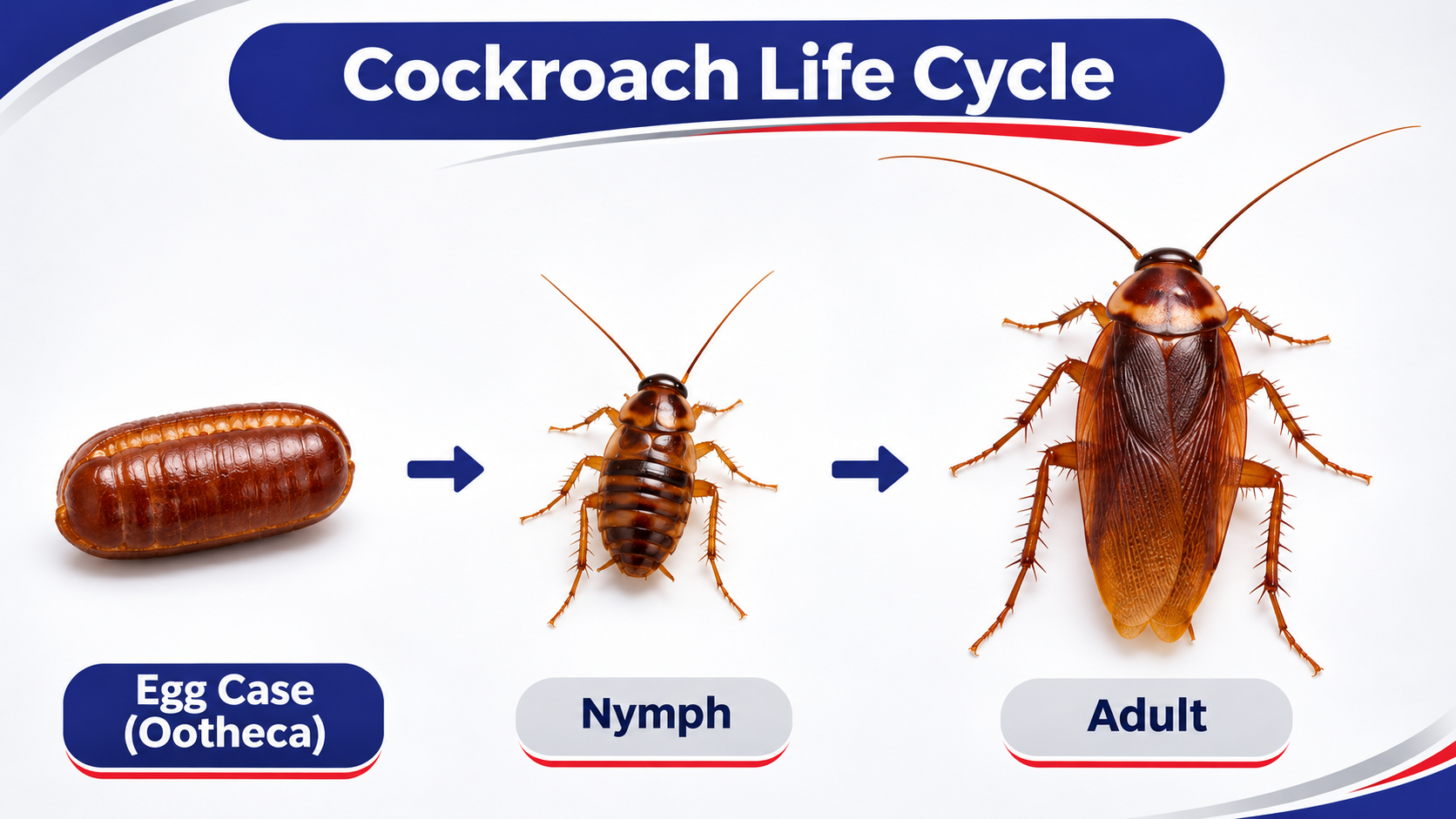
Stage 1: Egg Cases May Remain Protected
Female cockroaches produce eggs inside a protective capsule called an ootheca. Depending on the species, these cases may be carried by the female or deposited in sheltered locations.
German cockroaches, commonly found in kitchens and bathrooms, typically carry their egg cases until shortly before hatching. An egg case can contain approximately 30 to 40 developing cockroaches.
Because certain pesticide applications do not penetrate protected egg cases, some viable eggs may hatch after treatment. However, this doesn't mean every egg survives or that the treatment has failed.
Stage 2: Newly Hatched Nymphs Begin Moving Around
Nymphs are young cockroaches that resemble smaller versions of adults but do not have developed wings. They often hide in cracks, cabinet joints, appliance openings, and other protected spaces.
After hatching, these young roaches begin searching for food and water. As they move through treated areas or encounter insecticide bait, they may be exposed to the treatment.
Seeing a few nymphs shortly after service can be consistent with the cockroach life cycle. What we want to see is a gradual reduction in their activity rather than increasing numbers.
Stage 3: Adult Cockroaches Help Us Identify the Problem
Adult cockroaches provide important clues about the type of infestation.
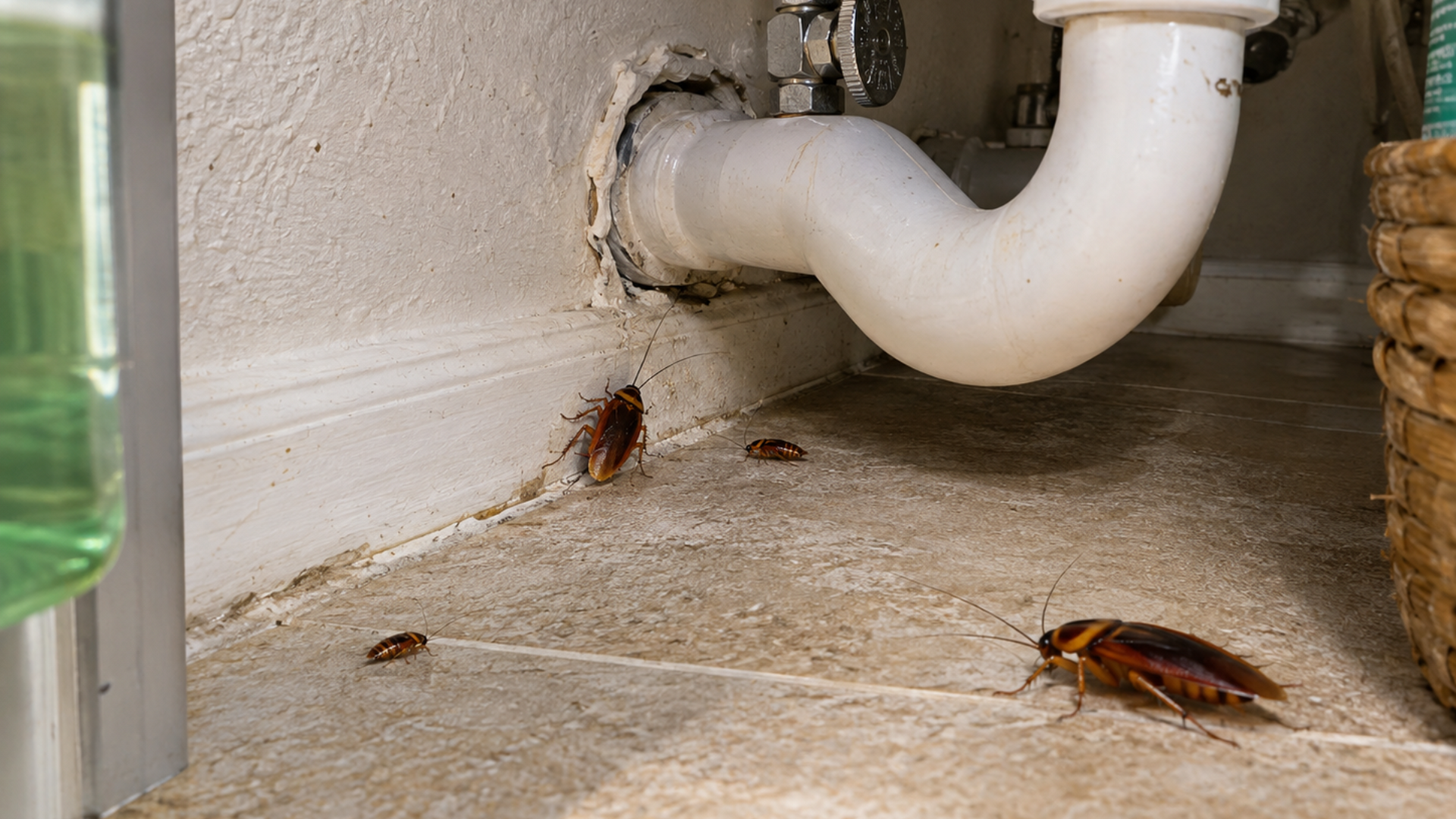
Small German cockroaches commonly reproduce indoors, especially near kitchens and bathrooms. Larger American cockroaches are often associated with outdoor environments, sewer systems, and damp utility spaces.
If you're seeing both adult German cockroaches and numerous nymphs, there may still be an active indoor population. If you're repeatedly finding large adult roaches near doors, drains, or plumbing openings, we may need to investigate how they're entering.
Understanding the species and life stage helps us determine whether you're experiencing normal post-treatment activity or a problem that requires additional attention.
How Long Until You Stop Seeing Roaches After Treatment?
There is no single timeline that applies to every cockroach infestation. Results depend on the species, the severity of the infestation, the products used, and whether roaches are continuing to enter from untreated areas.
Some homeowners notice fewer roaches within several days, while established infestations may take longer to bring under control.
Here's what you may experience as treatment begins working.
Days 1–7: You May Still See Live or Sluggish Roaches
During the first several days, it is possible to encounter cockroaches that were hiding when treatment was performed. Some may move through treated areas, while others may remain sheltered behind appliances, beneath cabinets, or inside narrow wall openings.
You might notice:
- Dead cockroaches appearing in previously affected areas.
- Sluggish or disoriented roaches.
- Occasional live cockroaches moving through the home.
- Small nymphs emerging from protected hiding places.
These observations don't automatically mean treatment failed. However, the number and behavior of the insects matter.
Days 7–14: Look for a Noticeable Reduction in Activity
As treatment continues working, we generally want to see fewer live cockroaches, although results vary. Some bait-based treatments may take seven days or longer to produce a noticeable decline. Residual treatments also require susceptible insects to encounter treated areas.
During this stage, pay attention to whether:
- You're seeing fewer roaches than before treatment.
- Live roaches are appearing less frequently.
- The same rooms continue to have activity.
- You're finding mostly small nymphs or larger adults.
A gradual decrease is encouraging. Continued heavy activity, particularly during the daytime, may warrant an earlier follow-up.
After Two to Three Weeks: Persistent Activity Needs Attention
If you're still seeing numerous healthy, fast-moving cockroaches after two to three weeks, contact our team for guidance. You should also contact us sooner if activity is increasing or spreading to additional rooms.
Persistent activity may indicate hidden harborages, viable egg cases, untreated areas, access to food or moisture, or continued entry from outdoors. We can review your observations and determine whether additional monitoring, adjustments to treatment, or a follow-up visit may be appropriate.
Remember: The goal is not simply to find a dead cockroach. It's to see a meaningful reduction in the number of live roaches throughout your home.
How Residual Cockroach Treatment Keeps Working
One common misconception about professional cockroach treatment is that every roach should die immediately after the service is completed.
In reality, certain professional insecticides are designed to leave a residual treatment on designated surfaces. This means the product can continue affecting susceptible cockroaches after the initial application.
What Happens When a Roach Crosses a Treated Surface?
When a susceptible cockroach comes into sufficient contact with an effective residual insecticide, the active ingredient can affect its nervous system or another biological target, depending on the product.
However, death is not always immediate. The time required depends on the insecticide, the amount of exposure, the cockroach species, and whether the population has resistance to that product. This is why you may occasionally see a live roach even after treatment. It may have recently entered the home, emerged from a protected hiding place, or not yet encountered enough active product.
How Long Does Residual Protection Last?
Some of the products we use are designed to provide residual activity for up to approximately 60 days under suitable conditions. However, effectiveness varies depending on the pesticide, treated surface, cleaning, moisture, and environmental exposure. This is one reason we commonly recommend bimonthly preventative pest control services for South Florida homes, with the schedule tailored to the property and its pest activity.
It's important not to scrub or apply additional pesticides over treated areas unless instructed by our technicians. Doing so may interfere with the treatment. Professional cockroach control also involves more than residual insecticides. Depending on the infestation, our technicians may use targeted bait applications, monitoring, and other control methods to address roaches in their hiding places.
For homeowners experiencing ongoing activity, our cockroach control services are designed to address existing infestations and help reduce recurring pest problems.
Still Seeing Large Live Roaches? Check How They Are Getting Inside
If you're repeatedly seeing large, healthy-looking cockroaches after treatment, the problem may not be an established infestation inside your home. In some cases, new roaches may be entering from outdoor environments or through openings associated with plumbing and utility systems. American cockroaches, often called palmetto bugs in South Florida, commonly inhabit damp outdoor areas, sewer systems, and spaces surrounding buildings.
Even when professional treatment is working, continued entry can result in additional sightings. Identifying possible access points is an important part of reducing these recurring problems.
Check Plumbing, Drains, and Moisture Sources
Large cockroaches are often attracted to locations that provide moisture, shelter, and access to water. Pay particular attention to bathrooms, kitchens, laundry rooms, and utility spaces.
Look for the following conditions:
- Leaks beneath sinks: Moisture inside cabinets may attract cockroaches and create favorable hiding conditions.
- Openings around plumbing pipes: Gaps where pipes enter walls or cabinets can provide access from concealed spaces.
- Toilets and bathroom plumbing: Inspect visible gaps, moisture, and signs of plumbing problems around fixtures.
- Floor drains and plumbing traps: Dry or damaged traps may allow insects to enter from connected drainage systems.
- Water-damaged cabinets: Damp wood and deteriorated materials can provide sheltered areas where cockroaches remain hidden.
A properly functioning, water-filled plumbing trap normally provides a barrier against insects traveling through drains. If you suspect a plumbing defect, contact a qualified plumber.
Inspect Exterior Doors and Other Entry Points
Large cockroaches may also enter from outdoors, particularly when weather conditions change or nearby landscaping provides shelter. Check around garage doors, exterior door sweeps, window screens, utility openings, and gaps near the foundation. Heavy rainfall and excess moisture can influence where outdoor cockroaches seek shelter. Keeping exterior areas free of unnecessary debris and addressing moisture problems can help make the property less inviting.
Our technicians can help identify suspected pest entry areas during an assessment. Structural sealing and plumbing repairs should be performed by the homeowner or an appropriate contractor.
Pay Attention to Where and When Roaches Appear
The location and frequency of sightings can help us understand what may be happening. For example, repeatedly seeing small cockroaches around your kitchen appliances can suggest a different problem than encountering an occasional large cockroach near an exterior doorway.
If you're continuing to see live roaches, keep a simple record of:
- The room where each cockroach appeared.
- Whether it was small or large.
- Whether it was moving normally, sluggish, or dead.
- The time of day and any recent rainfall.
- Whether sightings are increasing or decreasing.
This information helps us determine whether the concern may involve ongoing indoor activity, newly hatched insects, or repeated entry from another area of the property.
What Homeowners Should and Should Not Do After Treatment
Professional cockroach control is most effective when treatment is supported by proper sanitation, moisture management, and monitoring. While our technicians address the infestation, there are several steps homeowners can take to help maintain the effectiveness of the treatment.
The most important thing is to follow the specific after-service instructions provided for your home.
What You Should Do After Cockroach Treatment
A few practical habits can help reduce conditions that allow cockroaches to survive and reproduce.
- Keep food properly stored. Use sealed containers for pantry items, pet food, and other products that may attract insects.
- Clean up crumbs and grease. Keep food-preparation areas sanitary without disturbing treated surfaces or bait placements.
- Address water leaks. Repair dripping faucets, leaking pipes, and moisture problems beneath sinks or around toilets.
- Reduce unnecessary clutter. Cardboard boxes, paper bags, and stored items can provide hiding places for cockroaches.
- Monitor activity. Keep track of where and when live roaches appear so you can tell whether their numbers are declining.
These simple measures can make the environment less favorable for cockroaches while helping our treatment work as intended.
What You Should Avoid After Treatment
Certain actions can interfere with professional pest control applications or make it more difficult to evaluate results.
Avoid the following unless our technicians have instructed you otherwise:
- Using additional bug sprays or foggers. Some products may repel cockroaches, interfere with baits, or cause insects to scatter into other hiding areas.
- Scrubbing treated surfaces. Cleaning areas that were specifically treated may reduce residual effectiveness.
- Removing bait placements. Professional baits should remain where they were placed unless our team recommends otherwise.
- Ignoring recurring moisture problems. Continued access to water can support persistent cockroach activity.
- Assuming one live roach means failure. Evaluate the overall pattern of sightings rather than relying on a single observation.
If you're unsure which areas can be cleaned or how to care for your home after service, review our cockroach control preparation guide or contact our office for guidance. Following the recommended after-care instructions can help protect the treatment and make it easier for our team to determine whether additional service is needed.
When Should You Contact Us About Roaches After Treatment?
We want you to contact us when the pattern suggests a persistent problem rather than an isolated sighting. You do not need to wait if the situation is getting worse. Let us know if you notice any of the following:
- Many healthy-looking, fast-moving live roaches continuing after the initial treatment period.
- New nymphs appearing again and again alongside adults, especially in kitchens and bathrooms.
- Large roaches entering repeatedly near the same bathroom, garage, drain, or utility area.
- Fresh droppings or egg cases, or activity that increases despite following after-service directions.
- Little or no improvement after roughly two to three weeks, or a sudden increase at any time.
We can review sightings, identify species, and decide whether monitoring, baiting, or follow-up treatment is appropriate. For continued protection, explore our residential pest control services in Weston and across Broward and Miami-Dade counties.
Frequently Asked Questions About Roaches After Pest Control
These are some of the questions we hear from South Florida homeowners after a cockroach treatment. The answers are meant to help you understand the process, not promise that every home will respond on exactly the same schedule.
Why am I seeing baby roaches after treatment?
Some small nymphs were sheltered during the first application or emerged from viable egg cases. Seeing one does not automatically mean the service failed. We look at whether repeated nymph sightings are decreasing and whether adult roaches are still active in the same areas.
Do cockroach eggs survive pesticide treatment?
Certain protected egg cases may survive some treatments. The outcome depends on the species and the product used. German cockroaches carry their egg cases close to hatching, which creates different conditions than egg cases deposited by other species. We avoid promising that one visit immediately eliminates every protected egg.
Should I be concerned about one live roach after service?
Not necessarily. One live roach does not tell us enough to judge whether the treatment worked. Note the size, room, and timing, then watch the pattern over several days. Call us if you begin seeing numerous active roaches, repeated daytime sightings, or no improvement.
Does seeing dead roaches mean the treatment is working?
Finding dead or sluggish roaches can mean insects have encountered the treatment, but a few dead roaches cannot tell us whether every hidden insect is gone. We pay more attention to whether the number of live roaches is steadily declining.
Can roaches come from the sewer or bathroom drains?
Yes, some large cockroach species can live in sewers or damp utility environments and may enter through faulty or dry drain traps or gaps around pipes. Intact, water-filled drain traps normally provide a barrier. We can assess roach activity, while a qualified plumber should address any plumbing defects.
How long does the residual last?
Some of the residual products we use are intended to work for up to approximately 60 days under suitable conditions. Effectiveness depends on the product label, the treated surface, and exposure to cleaning or moisture. Ask us which treatment was used in your home and what after-care instructions apply.
Still Seeing Roaches After Treatment? Here's What to Do Next
Seeing a few cockroaches after professional pest control treatment doesn't necessarily mean the treatment has failed. Some roaches may still be emerging from hidden areas, while newly hatched nymphs can appear from egg cases that survived the initial application. What matters most is whether the number of live roaches is gradually decreasing. Dead or sluggish roaches can be signs that the treatment is working, but continued sightings of healthy, active insects deserve closer attention.
If you're still seeing roaches, pay attention to their size, where they're appearing, and how frequently you encounter them. Larger cockroaches may be entering from outdoors, plumbing openings, or damp areas around your property. Check for leaks beneath sinks, gaps around pipes, and moisture near toilets and drains. If you're seeing numerous live roaches, noticing increasing activity, or experiencing little improvement after two to three weeks, contact us for guidance. Our team can help determine whether you're seeing normal post-treatment activity, newly hatched roaches, or signs of a persistent infestation that requires further attention.
Need Help With Roaches in Your Home? Contact Professional Pestguard
At Professional Pestguard, we understand how frustrating it can be to continue seeing cockroaches after treatment. With over 40 years of experience serving South Florida, we provide professional cockroach control services designed to address existing infestations and help reduce recurring pest activity.
Whether you're dealing with German cockroaches in your kitchen, large American cockroaches entering through plumbing areas, or ongoing roach activity throughout your home, we're here to help.
Our professional cockroach control services are available to homeowners throughout Weston, Broward County, and Miami-Dade County.
Still seeing roaches? Contact Professional Pestguard today to request a free estimate, or call (954) 389-6107 to discuss your concerns with our team.
About Professional Pestguard
Professional Pestguard provides professional pest control in Weston, FL and nearby communities including Davie, Sunrise, Pembroke Pines, and Plantation. With over 40 years of experience, our licensed technicians protect homes and businesses across Broward County and Miami-Dade County from ants, cockroaches, rodents, spiders, and other common South Florida pests using safe and effective treatments.