Roof Rats vs. Norway Rats: Which One Is in Your South Florida Home?
Finding signs of rats in your home can be unsettling, but knowing which species may be responsible can provide important clues about where they're nesting and how they're getting inside. In South Florida, roof rats and Norway rats have different behaviors, preferred nesting areas, and physical characteristics that can help distinguish one from the other.
Roof rats are skilled climbers and are often associated with rodents in attics, rooflines, and elevated areas, while Norway rats typically stay closer to the ground and prefer burrows or lower-level spaces. In this guide, we'll compare roof rats vs. Norway rats, explain the signs homeowners should watch for, and discuss when professional South Florida rodent control may be needed.
Roof Rats vs. Norway Rats: How to Tell the Difference
Roof rats and Norway rats can both enter homes, but their appearance, behavior, and preferred nesting locations are noticeably different. Understanding these differences can help South Florida homeowners determine which type of rat may be responsible for scratching sounds, droppings, gnaw marks, or other signs of rodent activity.
Key Differences Between Roof Rats and Norway Rats
- Body Size and Shape
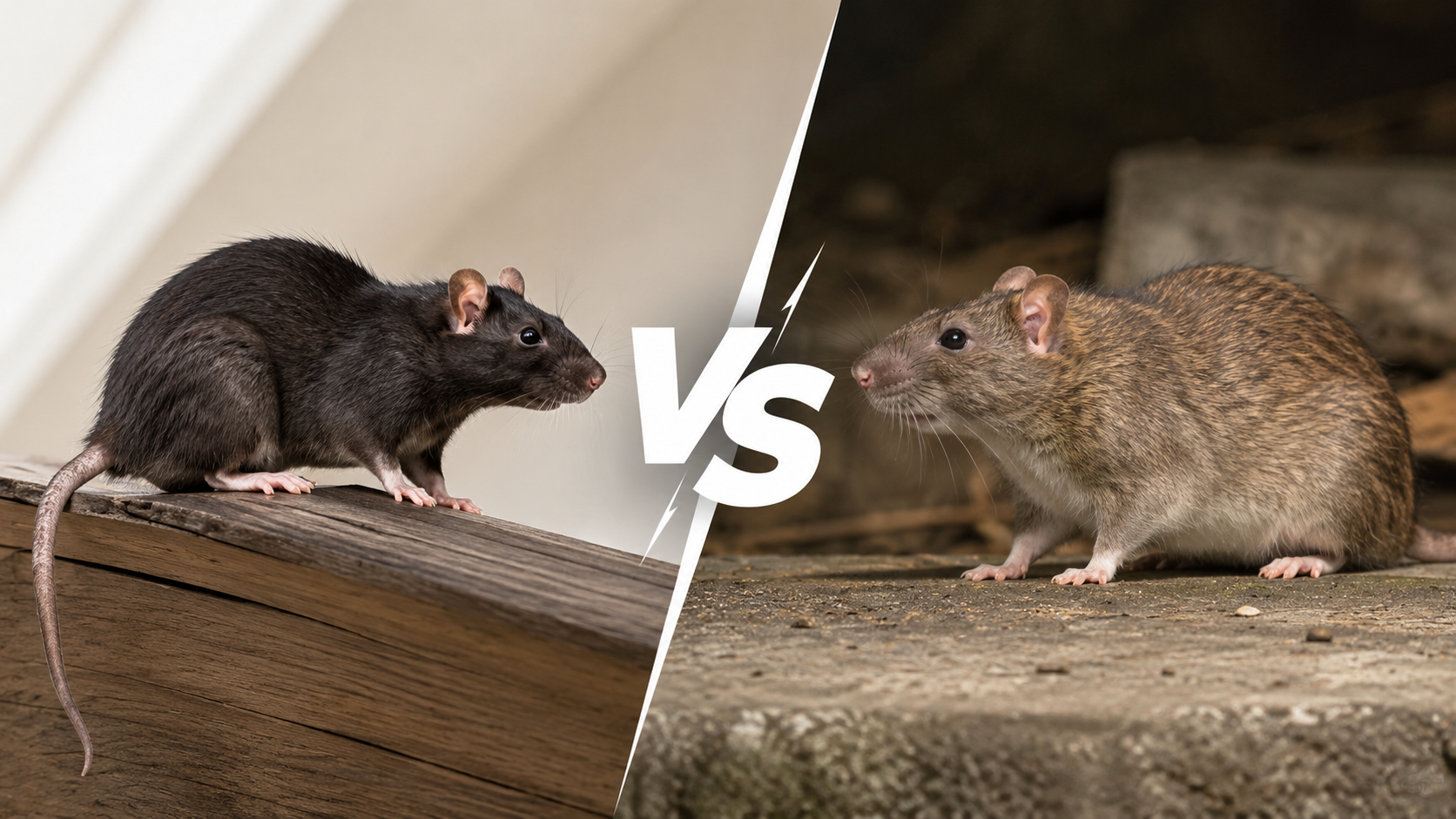
Roof rats typically have slender bodies and may reach about 6 to 8 inches in body length, not including the tail. Norway rats are generally heavier and more robust, with stockier bodies that can grow larger. - Tail Length
A roof rat's tail is typically longer than its head and body combined. Norway rats have shorter, thicker tails that are usually shorter than the length of their head and body. - Color and Appearance
Roof rats are commonly dark brown, black, or gray with lighter undersides. Norway rats are typically brown or grayish-brown with coarse fur and lighter gray or whitish undersides. - Ears and Facial Features
Roof rats tend to have larger ears and more pointed faces. Norway rats generally have smaller ears, broader heads, and blunter noses. - Climbing Behavior
Roof rats are excellent climbers and frequently travel along trees, fences, utility lines, roofs, and other elevated surfaces. Norway rats are capable of climbing but generally spend more time at or below ground level. - Preferred Nesting Areas
Roof rats commonly nest in attics, roof voids, trees, dense vegetation, and other elevated locations. Norway rats are more likely to establish burrows near foundations, beneath debris, around landscaping, or in lower portions of structures. - Where Homeowners May Hear Activity
Scratching or movement coming from the attic or ceiling at night may suggest roof rat activity. Sounds near lower walls, garages, crawl spaces, or ground-level areas may be more consistent with Norway rats.
Because both species are primarily active at night and often remain hidden, identifying a rat based on a brief sighting can be difficult. Droppings, nesting locations, travel patterns, and other evidence can provide additional clues, but homeowners should avoid approaching or handling rodents or their waste directly. Professional Rodent Control can help determine which species is present and identify where rats may be entering or nesting inside the home.
Where Roof Rats and Norway Rats Hide Around South Florida Homes
Where rodent activity occurs can provide one of the strongest clues about which species may be present. South Florida homes offer rats year-round access to warmth, food, water, vegetation, and shelter, but roof rats and Norway rats typically take advantage of different areas of a property.
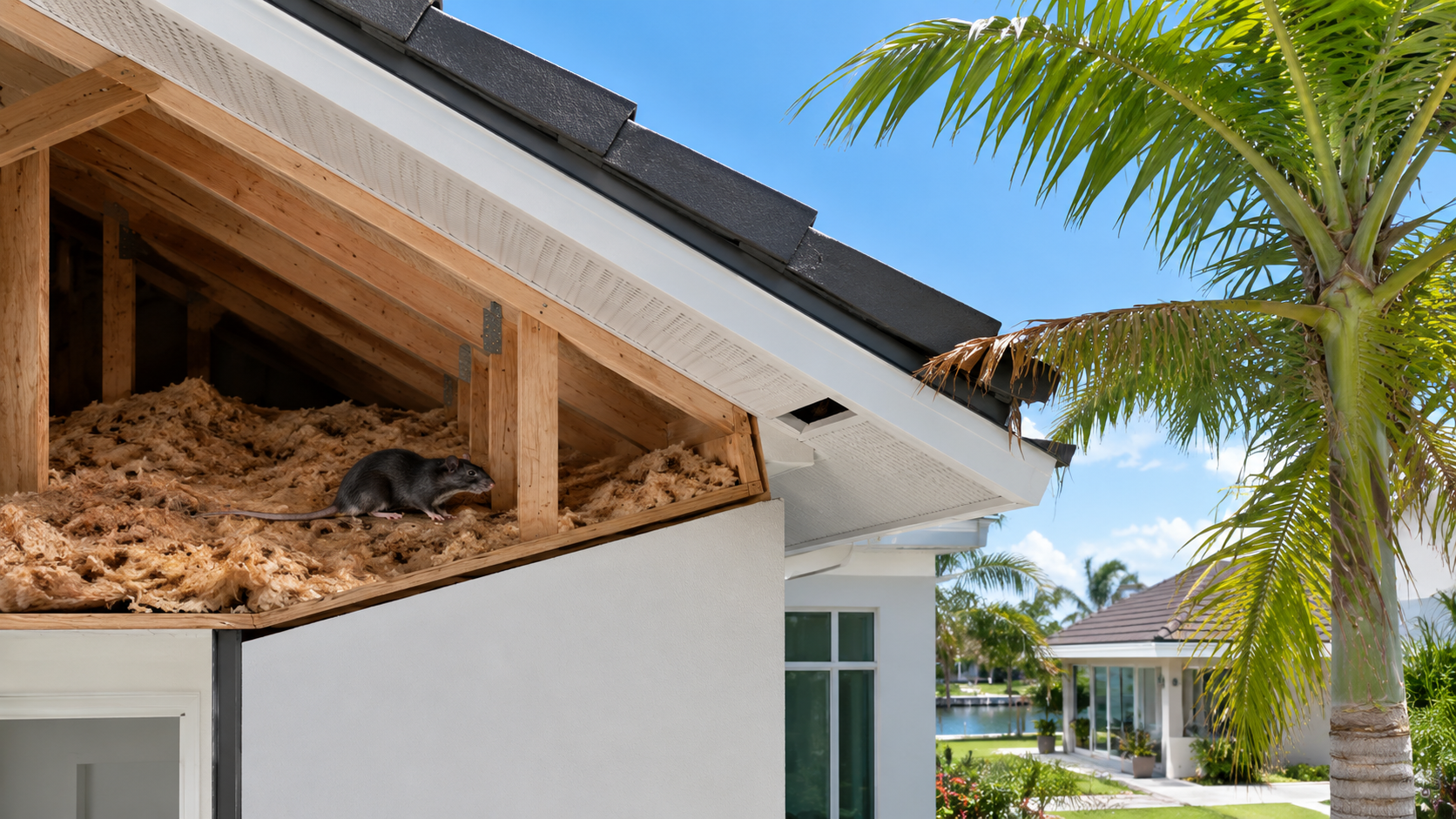
Common Roof Rat Hiding and Nesting Areas
- Attics and Roof Voids
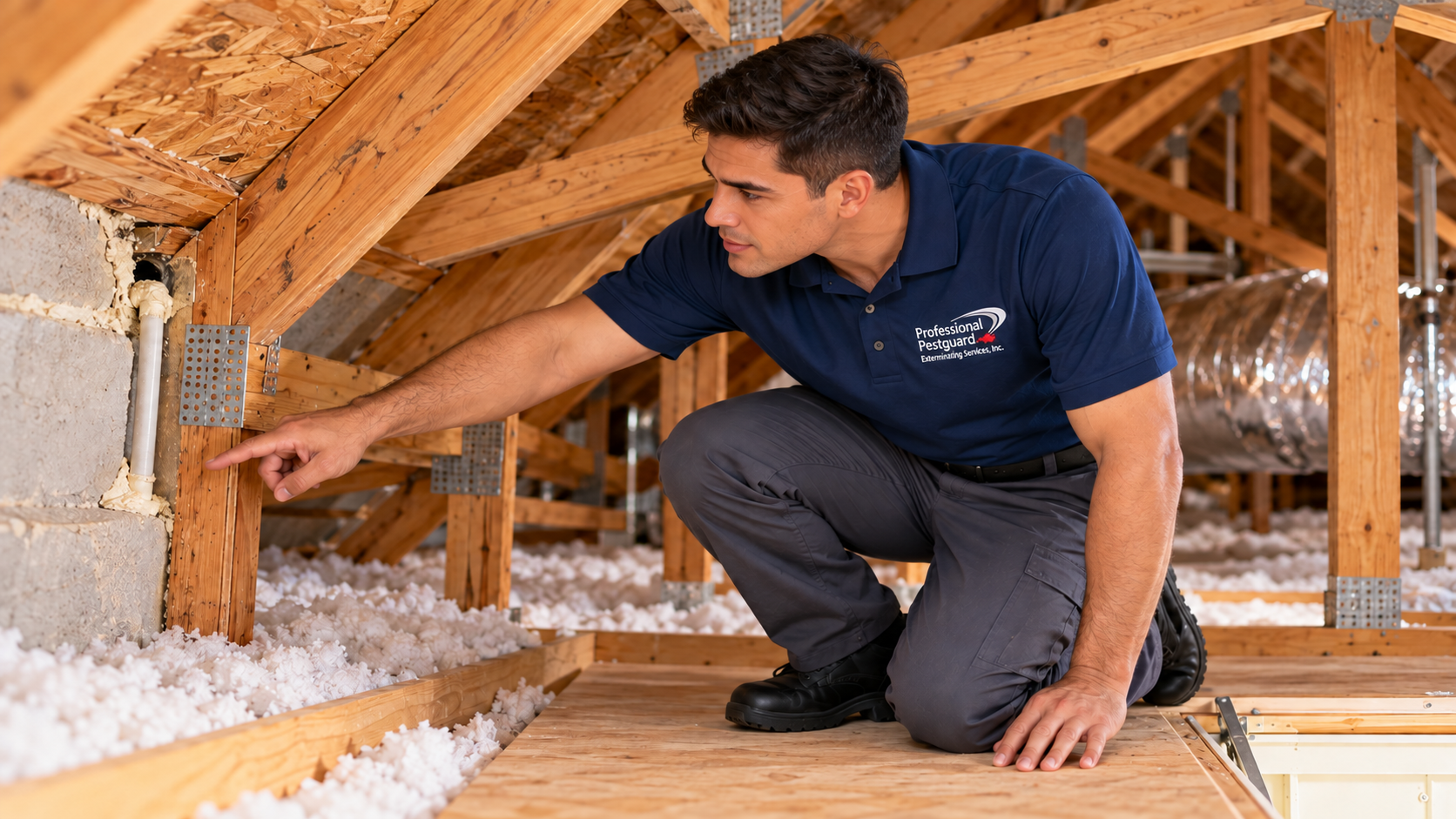
Roof rats are strong climbers and frequently enter attics through openings along rooflines, soffits, vents, and other elevated areas. Scratching or movement overhead at night is a common reason homeowners discover rodents in the attic. - Palm Trees and Dense Vegetation
Trees, palms, vines, and overgrown vegetation can provide shelter while also giving roof rats pathways toward roofs and upper portions of homes. - Garages and Upper Storage Areas
Once indoors, roof rats may shelter in elevated garage storage, rafters, shelving, and other quiet spaces that receive little disturbance. - Wall and Ceiling Voids
Roof rats can move through concealed structural spaces after entering a home, which may explain scratching noises that seem to move between the attic, ceiling, and walls.
Common Norway Rat Hiding and Nesting Areas
- Burrows Near Foundations
Norway rats are strong burrowers and commonly establish nests at ground level, including beneath vegetation, along foundations, and in other protected areas. - Garages and Ground-Level Storage
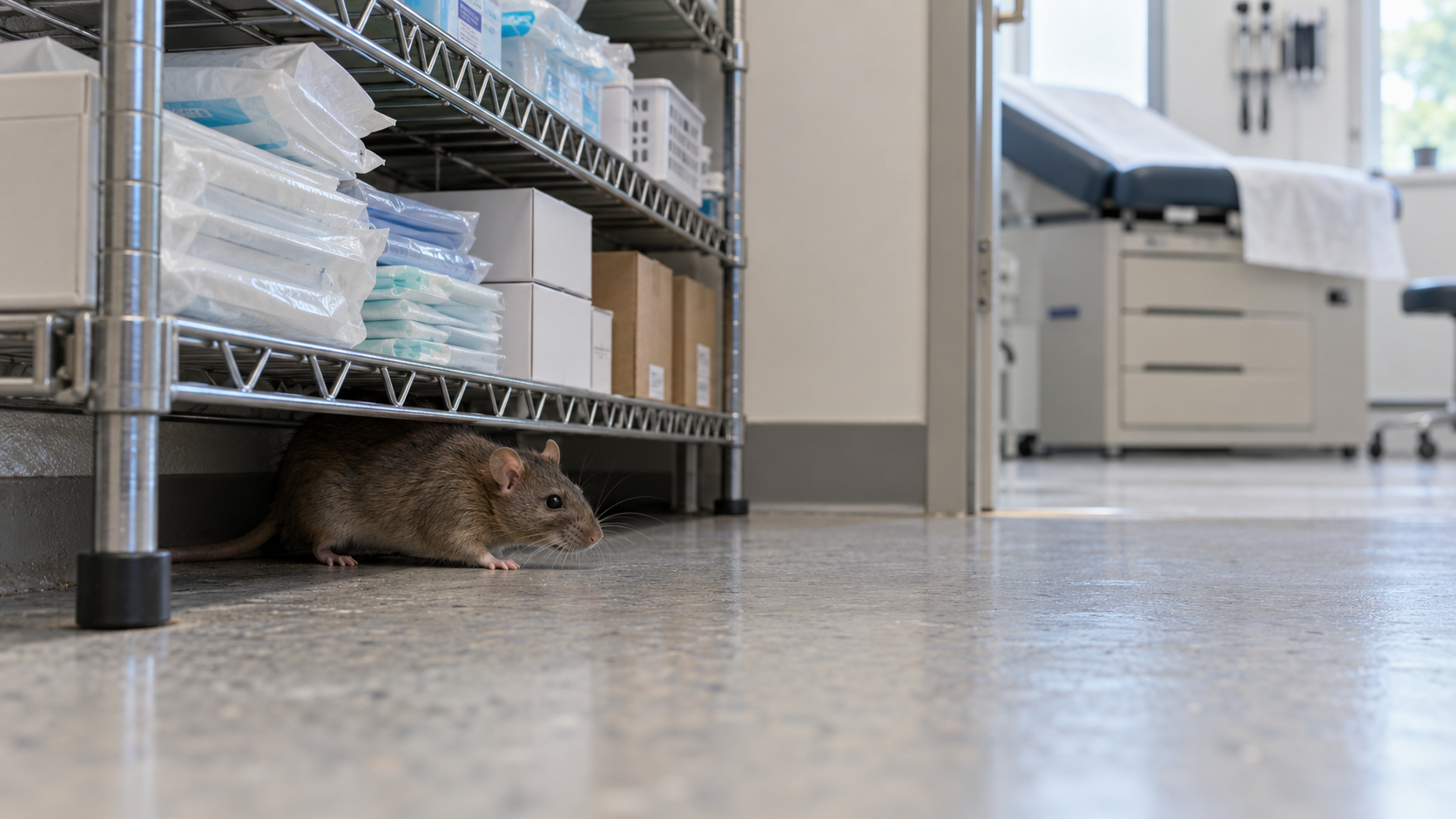
Cluttered garages and storage spaces can provide Norway rats with secluded shelter, particularly when food or pet supplies are accessible nearby. - Trash and Waste Areas
Garbage containers and other areas where food waste accumulates can attract rats and encourage activity around the exterior of a property. - Lower Structural Areas
Norway rats generally prefer staying closer to ground level, making lower wall voids and other protected spaces near the foundation more likely areas for activity.
While the location of rodent activity can provide useful clues, noises or droppings alone cannot always confirm which rat species is present. A professional Rodent Control inspection can identify signs of activity, determine likely nesting and entry areas, and recommend an appropriate treatment strategy for your South Florida home.
Signs of a Rat Infestation in Your South Florida Home
Rats are primarily active at night and often remain hidden inside attics, walls, garages, or exterior nesting areas. As a result, homeowners may notice evidence of rodent activity long before actually seeing a rat. Recognizing these warning signs early can help prevent an infestation from becoming more established.
Common Signs of Roof Rat or Norway Rat Activity
- Scratching or Scurrying Sounds at Night
Noises coming from ceilings, walls, or attics after dark may indicate roof rat activity, while sounds closer to ground level, garages, or lower walls may be associated with Norway rats. - Rat Droppings
Finding droppings in garages, attics, storage areas, cabinets, or along walls can indicate active rodents. Roof rat droppings tend to be smaller and more pointed, while Norway rat droppings are generally larger and more blunt at the ends. - Gnaw Marks
Rats have continuously growing teeth and regularly gnaw on materials such as wood, cardboard, plastic, insulation, and other household materials. Damaged food packaging may also indicate rodent activity. - Grease or Rub Marks
Rats often travel along the same pathways repeatedly. Oils and dirt from their fur can eventually leave dark smudges along walls, baseboards, pipes, and other surfaces. - Nesting Materials
Shredded paper, insulation, fabric, cardboard, and other soft materials may be used to create nests in protected areas of the home. - Pet Behavior Changes
Dogs or cats suddenly staring at walls, ceilings, cabinets, or other specific areas may be detecting movement or sounds that homeowners cannot hear. - Unusual Odors
Established rodent activity can sometimes produce persistent musty or unpleasant odors, particularly around enclosed nesting areas. - Nighttime Sightings
Seeing a rat traveling along a fence, roofline, utility line, garage, or landscaping after dark is a strong indication that rodents are active somewhere on or near the property.
Finding one of these signs does not always reveal whether you're dealing with a roof rat or Norway rat. The location, size, and pattern of the evidence all help determine which species may be present. If you suspect rodents have entered your home, professional Rodent Control can help identify the activity without requiring you to approach, trap, or handle the rodents yourself.
How Rats Get Into South Florida Homes
Rats can take advantage of surprisingly small openings around a home. In South Florida, warm weather and dense tropical landscaping allow rodents to remain active throughout the year, while heavy rain and changing outdoor conditions can encourage them to seek protected areas indoors.
Roof rats and Norway rats may use different routes, but both can exploit structural gaps and vulnerable areas to gain access to a property.
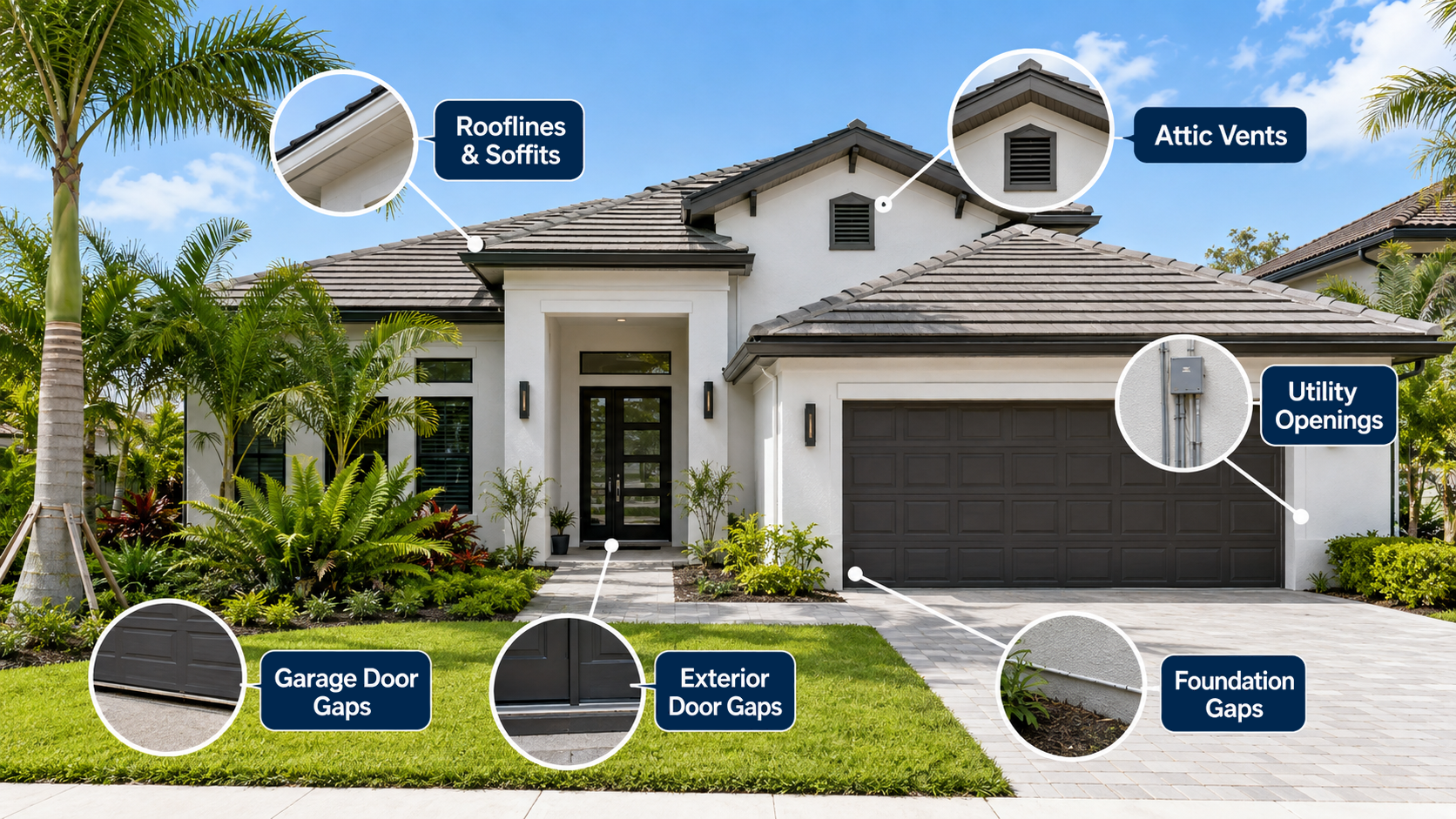
Common Rat Entry Points Around the Home
- Rooflines, Soffits, and Fascia
Gaps or damaged areas along the roof can provide roof rats with direct access to attics and ceiling spaces, particularly when nearby trees or vegetation provide an easy climbing route. - Roof and Attic Vents
Damaged or vulnerable vents can create openings into protected attic spaces where roof rats may establish nesting areas. - Gaps Around Pipes and Utility Lines
Openings where plumbing, electrical, cable, or air-conditioning lines enter the home can provide rodents with potential access to wall voids and interior spaces. - Garage Doors
Gaps beneath or along the sides of garage doors can provide ground-level entry points, particularly when garages contain stored food, pet supplies, or clutter. - Doors and Exterior Openings
Damaged weather stripping and gaps around exterior doors can create opportunities for rats to enter the home. - Trees and Vegetation Near the Roof
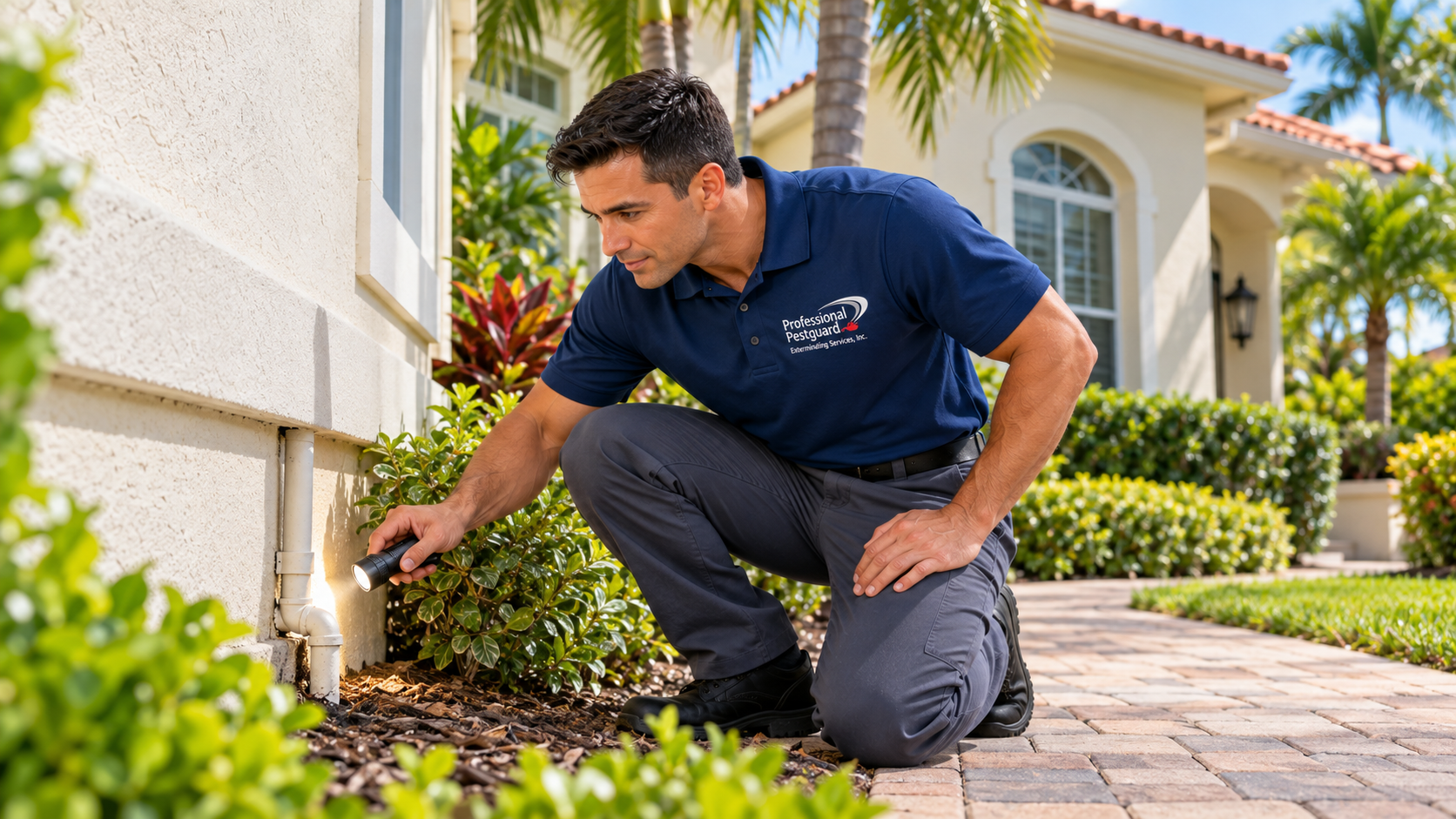
Overhanging branches, palms, vines, and dense landscaping can act as pathways that allow roof rats to reach roofs, soffits, and other elevated entry points. - Foundation and Ground-Level Gaps
Openings around the lower portion of a structure may provide access for Norway rats, which are more likely to travel and nest near ground level.
Finding the actual entry point can be difficult because the location where homeowners hear rodents is not necessarily where they entered the structure. Professional Rodent Control can help identify signs of activity and determine where rats may be accessing your South Florida home.
Why Rat Problems Should Be Addressed Quickly
Whether you're dealing with roof rats in the attic or Norway rats closer to ground level, rodent activity should not be ignored. Rats can reproduce quickly, move through hidden areas of a home, and cause damage while remaining largely out of sight.
Addressing the problem early can help limit damage and prevent rodents from becoming more established throughout the property.
Problems Rats Can Cause Inside a Home
- Damage to Electrical Wiring
Rats frequently gnaw on materials they encounter, including electrical wiring. Damaged wiring can create costly repairs and may increase the risk of electrical problems. - Contaminated Surfaces and Storage Areas
Rodents can leave droppings, urine, and other contamination along their travel routes and near nesting areas, including garages, attics, cabinets, and storage spaces. - Damage to Attic Insulation
Roof rats nesting in attics may disturb, compress, or contaminate insulation as they travel and establish nesting areas. - Damage to Stored Belongings
Cardboard boxes, clothing, paper products, and other stored materials may be gnawed or shredded for nesting material. - Continued Activity Inside Walls and Ceilings
Once rats gain access to structural spaces, they may travel between attics, wall voids, garages, and other concealed areas, making the extent of the activity difficult for homeowners to determine. - Growing Rodent Populations
Rats reproduce rapidly when food, water, and shelter are readily available. What begins as occasional nighttime activity can develop into a larger infestation if the underlying problem isn't addressed.
Because rodent activity can occur in difficult-to-access areas, homeowners should avoid attempting to handle live rodents, nests, or contaminated materials themselves. Professional South Florida Rodent Control can help identify the species involved, locate areas of activity, and determine an appropriate treatment strategy for the property.
How to Help Prevent Rats Around Your South Florida Home
Preventing rodent activity starts with making your property less attractive and reducing the conditions that allow rats to live close to the home. For South Florida homeowners, this is especially important because warm weather, tropical vegetation, outdoor food sources, and year-round rodent activity can create favorable conditions for both roof rats and Norway rats.
Homeowners can focus on general property maintenance and early detection without attempting to handle rodents, nests, or contaminated materials themselves.
Ways to Reduce the Risk of Rat Activity
- Trim Trees and Vegetation Away From the Home
Overhanging branches, palms, vines, and dense vegetation can provide roof rats with pathways to roofs and upper portions of the home. Keeping vegetation maintained can help reduce easy access. - Keep Outdoor Trash Secure
Garbage containers should have tight-fitting lids, and food waste should not be allowed to accumulate around the property. Accessible trash can provide a reliable food source for both roof rats and Norway rats. - Store Pet Food Properly
Pet food, birdseed, and other animal feed should be kept in securely closed containers rather than left accessible in garages, patios, or outdoor areas. - Reduce Clutter in Garages and Storage Areas
Cardboard boxes, unused belongings, and other clutter provide protected hiding and nesting areas. Organized storage also makes signs of rodent activity easier to notice. - Address Water Sources
Leaking outdoor faucets, standing water, irrigation issues, and other moisture sources can make a property more attractive to rodents searching for water. - Inspect the Exterior Regularly
Pay attention to damaged vents, roofline gaps, deteriorated weather stripping, and other changes around the exterior that could create potential access points. - Watch for Early Warning Signs
Scratching noises, droppings, gnaw marks, grease marks, and disturbed insulation should not be ignored. Identifying activity early can help prevent a rodent problem from becoming more established.
Preventative maintenance can make your property less attractive to rats, but signs of activity inside the home may indicate that rodents have already gained access. If you're hearing rodents in the attic or noticing other warning signs, professional Rodent Control can help determine whether roof rats, Norway rats, or another rodent is responsible and recommend the appropriate next steps.
When to Call a Professional for Rat Control
An occasional noise in the attic may be easy to dismiss, but repeated signs of rodent activity should be investigated. Roof rats and Norway rats are skilled at staying hidden, which means homeowners may only see a small portion of the activity occurring throughout the property.
Professional rodent control becomes especially important when rats have entered attics, walls, garages, or other areas that are difficult to inspect safely.
Signs It's Time to Schedule a Rodent Inspection
- You Hear Repeated Noises in the Attic
Scratching, scurrying, or movement overhead at night can indicate roof rats or other rodents have gained access to the attic. - Droppings Continue to Appear
New droppings in garages, attics, storage areas, or other parts of the home suggest that rodents may still be actively using the space. - You Notice Gnawing or Property Damage
Damaged wiring, insulation, cardboard, food packaging, or stored belongings can indicate an established rodent problem. - You've Seen Rats Around the Property
Rats traveling along fences, rooflines, trees, landscaping, or near the foundation may indicate nesting or feeding activity close to the home. - Signs Are Appearing in Multiple Areas
Evidence in the attic, garage, walls, and exterior areas can suggest that rodents are using several parts of the property rather than a single isolated location. - You're Unsure Which Rat Species Is Present
Distinguishing roof rats from Norway rats isn't always possible from a quick sighting. A professional inspection can evaluate droppings, travel patterns, nesting locations, and other evidence to determine the most likely species.
If you're seeing these warning signs, Professional Pestguard provides Rodent Control in Weston and throughout South Florida. Our team can inspect the property, identify signs of roof rat or Norway rat activity, and recommend a treatment plan based on the conditions found in your home.
Frequently Asked Questions About Roof Rats and Norway Rats
Homeowners often notice signs of rodent activity before they know which species is responsible. These common questions can help you better understand roof rats, Norway rats, and when professional South Florida rodent control may be needed.
Are roof rats common in South Florida?
Yes. Roof rats are especially well adapted to warm climates and are commonly associated with South Florida homes. Their climbing ability allows them to travel along trees, fences, utility lines, and rooflines before entering attics or other elevated areas of a structure.
How can I tell if I have roof rats in my attic?
Scratching or scurrying noises in the attic at night, droppings, disturbed insulation, gnaw marks, and evidence near roofline entry points can all suggest roof rat activity. Because other rodents can produce similar signs, a professional Rodent Control inspection can help confirm what is causing the activity.
What is the main difference between roof rats and Norway rats?
Roof rats are slimmer, better climbers, and more likely to nest in attics and elevated spaces. Norway rats are larger, stockier, and more likely to stay near ground level, where they may burrow near foundations or shelter in garages and lower structural areas.
Are Norway rats common in South Florida homes?
Norway rats can occur in South Florida, although homeowners may be more likely to encounter roof rats in elevated areas such as attics and roof spaces. Norway rats generally prefer ground-level environments where food, water, and shelter are readily available.
What do rat droppings look like?
Roof rat droppings are typically smaller and more pointed at the ends, while Norway rat droppings are generally larger and more blunt. Droppings should not be handled directly, since rodent waste can contaminate surrounding surfaces.
Why do I hear scratching in my attic at night?
Rats are primarily nocturnal, so attic activity often becomes noticeable after the home becomes quiet. Scratching, running, or gnawing sounds overhead may indicate roof rats or another rodent moving through attic or ceiling spaces.
When should I call for professional rat control?
You should consider professional Rat Control in Weston or South Florida when you hear repeated attic noises, find new droppings, notice gnaw damage, see rats around the property, or continue finding signs in multiple areas of the home. Early inspection can help determine the species involved and where the activity is coming from.
Key Takeaways
Roof rats and Norway rats may both enter South Florida homes, but their appearance, behavior, and preferred nesting locations can provide clues about which species may be present. Recognizing those differences can help homeowners know when it’s time to have the property professionally inspected.
Here's what to remember:
- Roof rats are strong climbers and are commonly associated with attics, rooflines, trees, and other elevated areas.
- Norway rats typically stay closer to the ground and may nest in burrows, garages, lower structural areas, and around foundations.
- Roof rats and Norway rats look different, particularly in their body shape, tail length, ears, and overall size.
- Scratching noises, droppings, gnaw marks, disturbed insulation, and nesting materials can all indicate rodent activity inside or around the home.
- The location of the activity can provide important clues. Rodents in the attic may suggest roof rats, while ground-level activity may be more consistent with Norway rats.
- South Florida homes can experience rodent activity year-round because the warm climate, vegetation, food sources, and available shelter provide favorable conditions.
- Homeowners should avoid directly handling rats, nests, or rodent waste. A professional inspection can help identify the species and determine the extent of the activity.
- Professional South Florida Rodent Control can help identify where rats are nesting or entering and determine the appropriate treatment strategy for the property.
Conclusion
Roof rats and Norway rats can both cause problems for South Florida homeowners, but knowing their differences can provide valuable clues about where rodents may be nesting. Roof rats are more likely to take advantage of attics and elevated areas, while Norway rats typically remain closer to the ground.
If you're hearing scratching in the attic, finding droppings, noticing gnaw damage, or seeing other signs of rodent activity, having the property inspected can help determine what you're dealing with before the problem becomes more established.
Think You Have Rats in Your South Florida Home?
Professional Pestguard provides professional Rodent Control in Weston and throughout Fort Lauderdale, Pembroke Pines, Davie, Plantation, Sunrise, Miami, Aventura, and surrounding South Florida communities. Our experienced technicians can identify signs of roof rat or Norway rat activity, locate likely nesting and entry areas, and develop a treatment plan based on the conditions found at your property.
Contact Professional Pestguard today to schedule a rodent inspection and get help protecting your home from roof rats, Norway rats, and other rodent problems.
About Professional Pestguard
Professional Pestguard provides professional pest control in Weston, FL and nearby communities including Davie, Sunrise, Pembroke Pines, and Plantation. With over 40 years of experience, our licensed technicians protect homes and businesses across Broward County and Miami-Dade County from ants, cockroaches, rodents, spiders, and other common South Florida pests using safe and effective treatments.