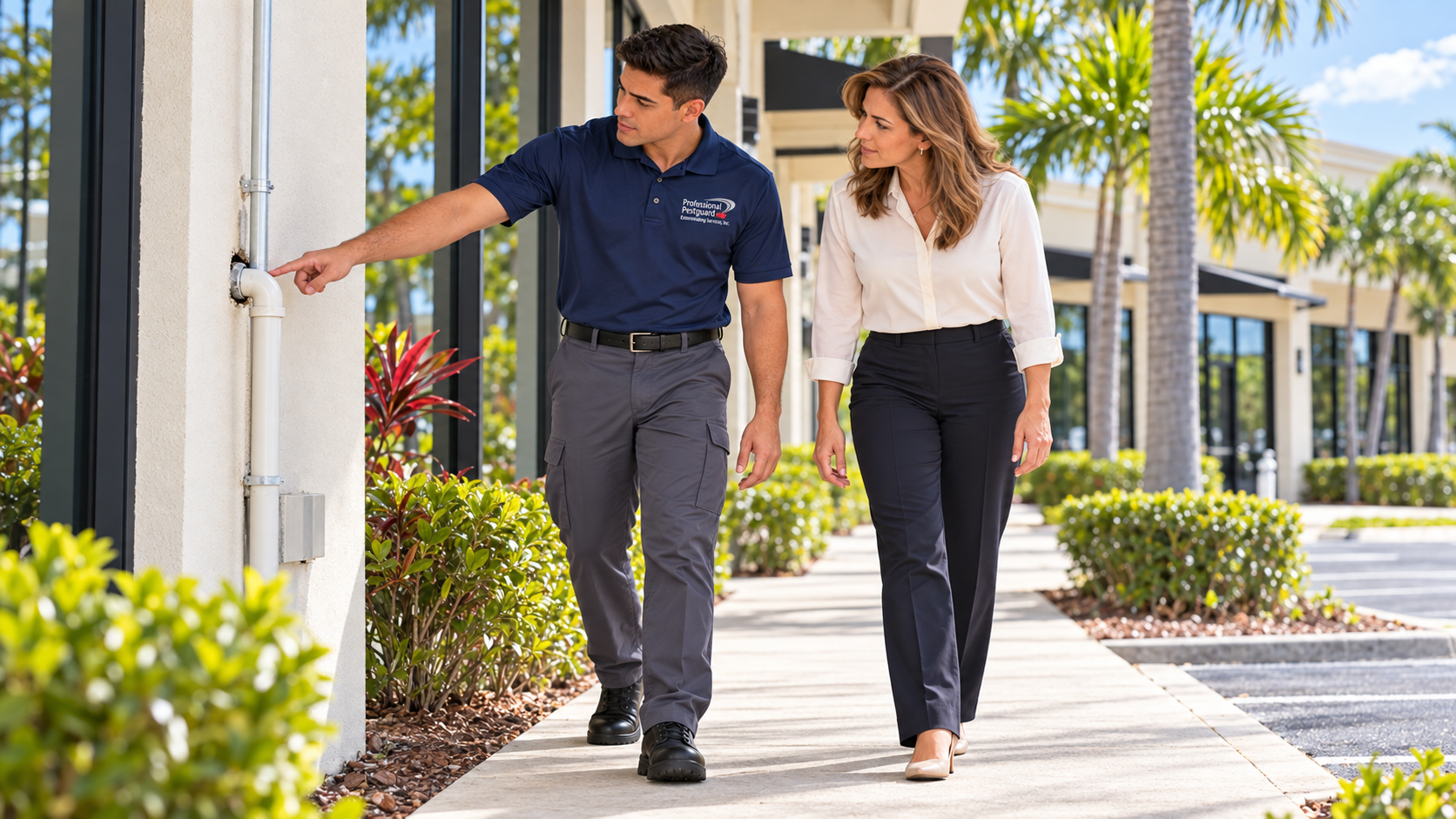
How to Prevent Rodent Problems in Warehouses and Commercial Storage Areas
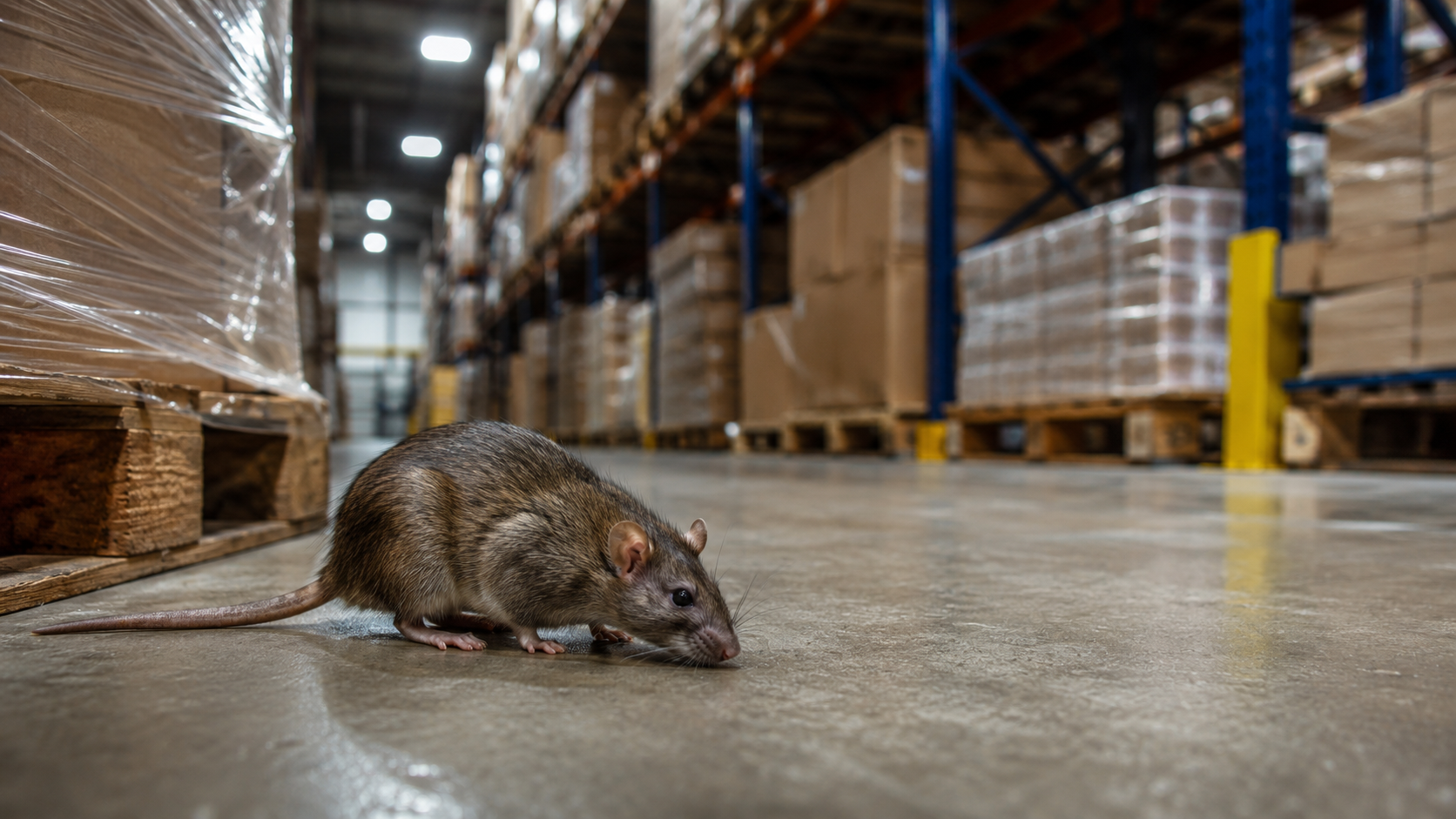
Warehouses and commercial storage areas are especially vulnerable to rodent activity because they offer shelter, stored materials, food sources, and frequent access through loading docks and large doors. Even a small gap beneath a dock door or an overlooked storage area can give rats and mice the opportunity to move inside and remain hidden.
For warehouse managers and property managers in Weston, Fort Lauderdale, Miami, Pembroke Pines, Davie, and surrounding South Florida communities, prevention starts with routine inspections and strong facility maintenance. In this guide, we’ll explain the most common rodent risk areas in warehouses, what property managers should watch for, and how professional commercial rodent control can help reduce infestations before they disrupt operations.
Why Warehouses Are Vulnerable to Rodent Problems
Warehouses and commercial storage facilities provide rodents with many of the conditions they need to survive, including shelter, nesting materials, food sources, and numerous access points. Because these properties are often large and continuously active, rodents can move through storage areas, loading zones, wall voids, and utility spaces without being noticed right away.
Common Conditions That Attract Rodents to Warehouses
- Loading Docks and Open Bay Doors
Frequent deliveries and shipments mean loading dock doors may stay open for extended periods. These openings give rats and mice easy opportunities to enter the building, especially after dark or during periods of heavy rain. - Gaps Beneath Exterior Doors
Worn door sweeps, uneven thresholds, and damaged seals can create small openings that rodents use to access warehouse interiors. - Stored Cardboard and Packing Materials
Cardboard boxes, paper, insulation, and other stored materials provide rodents with shelter and potential nesting material, particularly in areas that are rarely disturbed. - Pallets and Floor-Level Storage
Products stored directly against walls or close to the floor can create concealed travel routes and hiding areas that make rodent activity harder to detect. - Food and Employee Break Areas
Snacks, vending machines, breakrooms, food waste, and improperly sealed trash containers can provide reliable food sources inside commercial facilities. - Exterior Vegetation and Debris
Overgrown landscaping, dumpsters, discarded materials, and clutter near the building can provide shelter outside before rodents find an entry point indoors. - Utility and Structural Openings
Gaps around pipes, electrical conduits, vents, and other building penetrations can allow rodents to move into storage areas and hidden structural spaces.
Routine inspections of these high-risk areas are an important part of effective Commercial Rodent Control, especially for warehouses where activity can remain hidden behind inventory or equipment for long periods.
Where Rodents Commonly Hide in Warehouses
Rodents are naturally drawn to quiet, protected areas where they can move without being disturbed. In large commercial storage facilities, that often means they can remain hidden behind inventory, inside storage systems, and along structural edges long before anyone notices visible activity.
Common Rodent Hiding Areas in Commercial Storage Facilities
- Behind Pallets and Stored Inventory
Products stacked tightly against walls or left undisturbed for long periods can create protected hiding places for rats and mice. - Inside Racking Systems
Warehouse shelving and pallet racks provide elevated and concealed travel routes, especially in areas with low foot traffic. - Along Wall Perimeters
Rodents often travel close to walls for cover, which makes perimeter areas especially important during routine inspections. - Utility Rooms and Mechanical Spaces
Electrical rooms, HVAC areas, and utility closets can provide warmth, shelter, and access to hidden wall or ceiling spaces. - Near Loading Dock Equipment
Dock levelers, bumpers, seals, and nearby storage areas can create small protected spaces where rodents may hide between deliveries. - Inside Cardboard and Packaging Storage
Large quantities of boxes, paper products, and packing materials can provide both shelter and nesting material. - Around Dumpsters and Waste Areas
Exterior waste zones can support rodent activity close to the building, increasing the likelihood that rats or mice eventually move indoors.
Because these areas are easy to overlook during normal warehouse operations, routine inspections are a key part of effective Warehouse Pest Control and Commercial Rodent Control. Identifying hidden activity early can help prevent rodents from spreading through inventory areas, storage rooms, and loading zones.
How Loading Docks and Doors Contribute to Rodent Activity
Loading docks and large warehouse doors are some of the most common entry areas for rodents in commercial facilities. Because these access points open frequently for deliveries, shipping, and employee traffic, they can be difficult to keep fully sealed throughout the day.
Even when doors are closed, worn seals, damaged thresholds, and small gaps around dock equipment can create enough space for rats or mice to enter. In busy South Florida warehouses, these vulnerabilities can become even more important during heavy rain or periods of extreme heat, when rodents may seek shelter indoors.
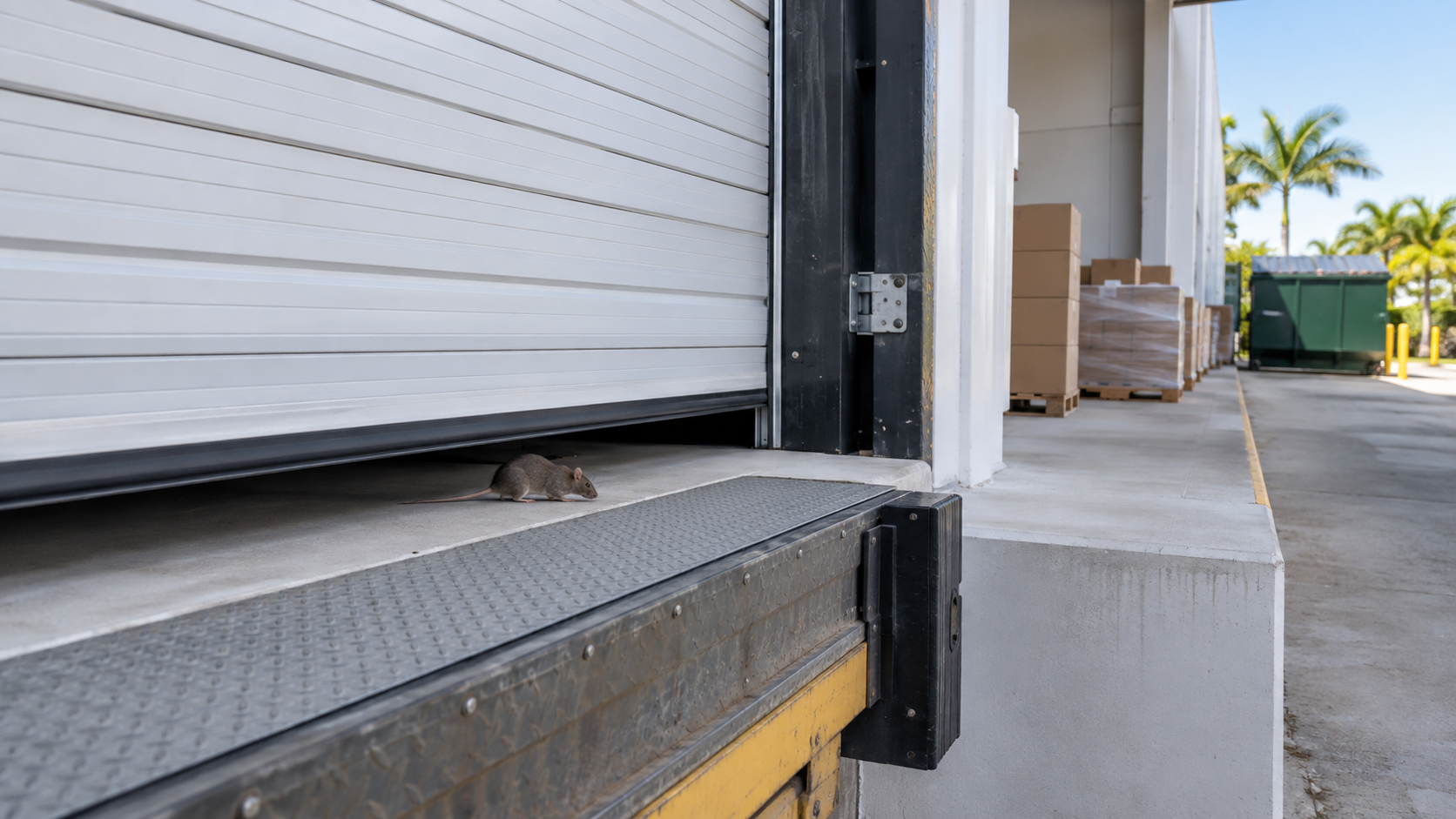
Loading Dock and Door Issues Property Managers Should Watch For
- Damaged Door Sweeps
Worn or missing sweeps can leave visible gaps beneath exterior doors and loading bays, giving rodents direct access to interior storage areas. - Uneven Door Thresholds
Cracked pavement, settling concrete, or damaged thresholds can prevent doors from sealing completely when closed. - Dock Leveler Gaps
Openings around dock levelers and loading equipment may provide hidden pathways into the warehouse, particularly in areas that are not inspected regularly. - Doors Left Open for Extended Periods
Loading bay doors that remain open during deliveries create a direct route indoors, especially during early morning, evening, or nighttime operations. - Poorly Sealed Personnel Doors
Side entrances and employee access doors can be overlooked during maintenance, even though small gaps around frames or thresholds may allow rodents inside. - Clutter Around Loading Areas
Pallets, packaging materials, discarded boxes, and debris near loading docks can provide temporary shelter and make it easier for rodents to approach the building unnoticed. - Exterior Food and Waste Sources
Dumpsters, break-area trash, and food waste near loading zones can attract rodents to the property before they ever attempt to enter the building.
Regular inspection and maintenance of loading docks, door seals, thresholds, and surrounding areas can significantly reduce rodent access points. A proactive Commercial Rodent Control program can help identify these vulnerabilities before they turn into recurring warehouse rodent problems.
How Stored Materials Can Create Rodent Hiding Areas
Stored inventory is one of the biggest challenges in warehouse rodent prevention. Large quantities of boxes, pallets, packaging supplies, and equipment can create concealed spaces where rats and mice are able to hide, travel, and nest without being noticed during normal operations.
The more cluttered or tightly packed a storage area becomes, the harder it is to inspect for early signs of activity. Keeping inventory organized and maintaining clear inspection zones can make a major difference in preventing rodent problems from becoming established.
Storage Practices That Can Increase Rodent Risk
- Inventory Stored Directly Against Walls
Products stacked tightly along perimeter walls can create hidden travel routes for rodents and make droppings, gnaw marks, or other signs of activity difficult to spot. - Cardboard Boxes Left Undisturbed
Cardboard provides both shelter and nesting material. Boxes that remain untouched for long periods can become attractive hiding areas, especially in low-traffic sections of the warehouse. - Products Stored Directly on the Floor
Floor-level storage creates additional protected spaces beneath and between products where rodents can move without being easily detected. - Unused Pallets and Packaging Materials
Stacks of pallets, shrink wrap, paper products, and packing materials can provide shelter when they accumulate in corners or other rarely inspected areas. - Overcrowded Storage Rooms
Supply closets and secondary storage areas are often overlooked during routine operations. When these spaces become cluttered, they can provide rodents with quiet areas to remain hidden. - Damaged or Open Product Packaging
Torn boxes and damaged containers may expose food products or other materials that can attract rodents and encourage them to remain inside the facility. - Limited Access for Inspections
When aisles, walls, and storage areas are blocked by inventory, maintenance teams and pest professionals may have difficulty identifying rodent activity early.
Keeping storage areas organized, maintaining clearance along walls, and routinely checking less frequently used inventory can make rodent activity easier to detect. These practices work best when combined with professional Commercial Rodent Control that includes regular inspections of warehouse storage areas, loading zones, and other high-risk locations.
Why Routine Warehouse Inspections Matter
Rodent problems in warehouses are often discovered only after signs of activity become obvious. Routine inspections help property managers and facility teams identify small issues early, before rodents have time to establish nesting areas, contaminate storage spaces, or spread throughout the building.
Because warehouses contain so many hidden and low-traffic areas, inspections should focus on both the interior and exterior of the property, especially around loading docks, storage zones, utility areas, and building perimeters.
What Routine Rodent Inspections Should Focus On
- Loading Docks and Exterior Doors
Inspect door sweeps, thresholds, dock seals, and surrounding areas for gaps or damage that could allow rodents inside. - Warehouse Perimeters
Check along walls, corners, and floor edges for droppings, gnaw marks, rub marks, or other signs of rodent travel. - Stored Inventory and Pallet Areas
Look for disturbed packaging, nesting material, or evidence of activity behind pallets and other stored materials. - Utility and Mechanical Areas
Inspect around pipes, electrical conduits, vents, and equipment rooms where structural openings may provide hidden access. - Breakrooms and Food Storage Areas
Check for food debris, open containers, overflowing trash, or other conditions that may attract rodents. - Exterior Waste and Landscaping Areas
Dumpsters, dense vegetation, standing water, and debris near the building can increase rodent pressure around the property. - Low-Traffic and Rarely Used Spaces
Storage rooms, maintenance areas, and unused sections of the warehouse should not be overlooked, since rodents often prefer quiet areas with little disturbance.
Routine inspections are one of the most important components of effective Warehouse Rodent Control. When combined with preventative maintenance and professional Commercial Rodent Control, they can help property managers identify vulnerabilities early and reduce the risk of larger infestations.
For commercial properties in Weston and surrounding South Florida communities, proactive Property Management Pest Control can help keep warehouse and storage facilities protected throughout the year.
How Property Managers Can Help Prevent Rodent Problems
Warehouse rodent prevention works best when property managers, facility teams, and pest control professionals are all focused on the same goal: reducing access, food sources, nesting materials, and hidden areas where rodents can remain undetected.
Small maintenance issues can quickly turn into larger pest problems in commercial storage facilities, so consistent prevention is far more effective than waiting until rats or mice are already established.
Preventative Steps Property Managers Can Take
- Maintain Door Seals and Sweeps
Replace damaged weather stripping, worn door sweeps, and broken seals around loading bays and exterior doors to help reduce rodent entry points. - Keep Loading Areas Clean and Organized
Remove discarded pallets, cardboard, packaging materials, and debris that can provide shelter near entrances. - Improve Inventory Storage Practices
Keep products elevated when possible and maintain clear space along walls so inspections can be performed more easily. - Secure Trash and Food Waste
Dumpsters, breakroom trash, and food waste should be properly contained and removed regularly to reduce attractants around the property. - Address Structural Openings Promptly
Gaps around utility lines, vents, pipes, and other penetrations should be identified and repaired before rodents can use them as access points. - Maintain Exterior Landscaping
Trim vegetation away from the building and remove unnecessary debris that could provide rodents with shelter near the structure. - Document and Respond to Activity Quickly
Droppings, gnaw marks, damaged packaging, or rodent sightings should be reported and investigated as soon as possible rather than waiting for additional evidence. - Schedule Preventative Pest Service
Routine professional inspections can identify developing rodent pressure and building vulnerabilities before they become larger operational problems.
A proactive Commercial Rodent Control program gives property managers an additional layer of protection by combining regular inspections, targeted service, and recommendations based on the specific conditions found throughout the facility. This approach can help warehouses in Weston, Fort Lauderdale, Miami, and surrounding South Florida communities reduce recurring rodent activity and protect stored materials.
Frequently Asked Questions About Warehouse Rodent Control
Warehouse managers, facility teams, and property managers often have questions about how rodents enter commercial storage areas, what warning signs to watch for, and how preventative pest control can help protect inventory and operations.
Why are warehouses so vulnerable to rodent problems?
Warehouses provide rodents with shelter, nesting materials, food sources, and numerous entry points. Loading docks, open bay doors, pallet storage, cardboard, utility openings, and low-traffic areas can all make it easier for rats and mice to enter and remain hidden.
What are the most common signs of rodents in a warehouse?
Common signs include droppings, gnaw marks, damaged packaging, shredded nesting material, rub marks along walls, unusual odors, and nighttime sightings. Evidence around loading docks, storage racks, utility areas, and wall perimeters should be investigated promptly.
How can loading docks help rodents get into warehouses?
Loading docks are especially vulnerable because doors are opened frequently for deliveries and may remain open for extended periods. Damaged dock seals, worn door sweeps, uneven thresholds, and gaps around dock equipment can also create entry points for rats and mice.
Can rodents damage warehouse inventory?
Yes. Rodents can gnaw through cardboard, plastic packaging, wiring, and other stored materials. They may also contaminate products and storage areas with droppings and urine, making early detection especially important for commercial facilities.
How often should warehouses receive pest inspections?
The ideal inspection schedule depends on the size of the facility, previous pest activity, surrounding environment, and the type of inventory stored. Warehouses with frequent deliveries, food products, or a history of rodent activity may benefit from more frequent preventative inspections.
What can property managers do to help prevent warehouse rodents?
Property managers can reduce risk by maintaining door seals, keeping loading areas clean, organizing stored materials, securing waste, repairing structural openings, maintaining exterior landscaping, and documenting pest activity when it is discovered. These practices work best alongside routine Commercial Rodent Control.
When should a warehouse call a commercial rodent control company?
Professional service should be considered when droppings, gnaw damage, damaged packaging, rodent sightings, or recurring activity are found inside or around the facility. Early Warehouse Rodent Control can help identify entry points and address activity before it spreads throughout storage and operational areas.
Key Takeaways
Rodent prevention in warehouses and commercial storage facilities depends on reducing access points, improving storage practices, and identifying activity before it becomes widespread. Regular maintenance and preventative inspections can help protect inventory, employees, and day-to-day operations.
Here's what to remember:
- Loading docks and exterior doors are major risk areas because they open frequently and may have gaps around seals, thresholds, and dock equipment.
- Stored materials can create hidden rodent harborages, especially when pallets, cardboard, and inventory are packed tightly against walls or left undisturbed.
- Clear inspection zones make rodent activity easier to detect by giving facility teams better visibility along walls, storage racks, and perimeter areas.
- Food waste, dumpsters, and employee break areas can attract rodents if trash and food sources are not properly managed.
- Utility openings and structural gaps can provide hidden access through walls, mechanical spaces, and other parts of the facility.
- Routine inspection schedules are essential because rodents can remain hidden in low-traffic warehouse areas long before sightings occur.
- Early reporting of droppings, gnaw marks, damaged packaging, or sightings can help prevent a small problem from becoming a larger infestation.
- Professional Commercial Rodent Control can help identify vulnerabilities, monitor rodent activity, and provide preventative service tailored to warehouses and commercial storage properties throughout South Florida.
Conclusion
Rodent problems in warehouses and commercial storage areas often begin with small vulnerabilities such as open loading docks, damaged door seals, cluttered storage zones, and overlooked structural gaps. When these conditions are combined with stored materials, food waste, and low-traffic areas, rats and mice can remain hidden long enough for an infestation to become more difficult to control.
A consistent prevention strategy that includes routine inspections, better storage practices, building maintenance, and professional pest management can help reduce rodent activity before it disrupts operations or damages inventory.
Ready to Protect Your Warehouse From Rodent Problems?
Professional Pestguard provides professional Commercial Rodent Control for warehouses, storage facilities, and other commercial properties throughout Weston, Fort Lauderdale, Miami, Pembroke Pines, Davie, and surrounding South Florida communities.
Our team can help identify rodent entry points, inspect loading docks and storage areas, and develop a preventative service plan based on the conditions found throughout your facility.
Contact Professional Pestguard today to schedule a commercial rodent inspection and learn how our Commercial Rodent Control services can help protect your property, inventory, employees, and daily operations.
About Professional Pestguard
Professional Pestguard provides professional pest control in Weston, FL and nearby communities including Davie, Sunrise, Pembroke Pines, and Plantation. With over 40 years of experience, our licensed technicians protect homes and businesses across Broward County and Miami-Dade County from ants, cockroaches, rodents, spiders, and other common South Florida pests using safe and effective treatments.