Why Earwigs Show Up After Rain In South Florida
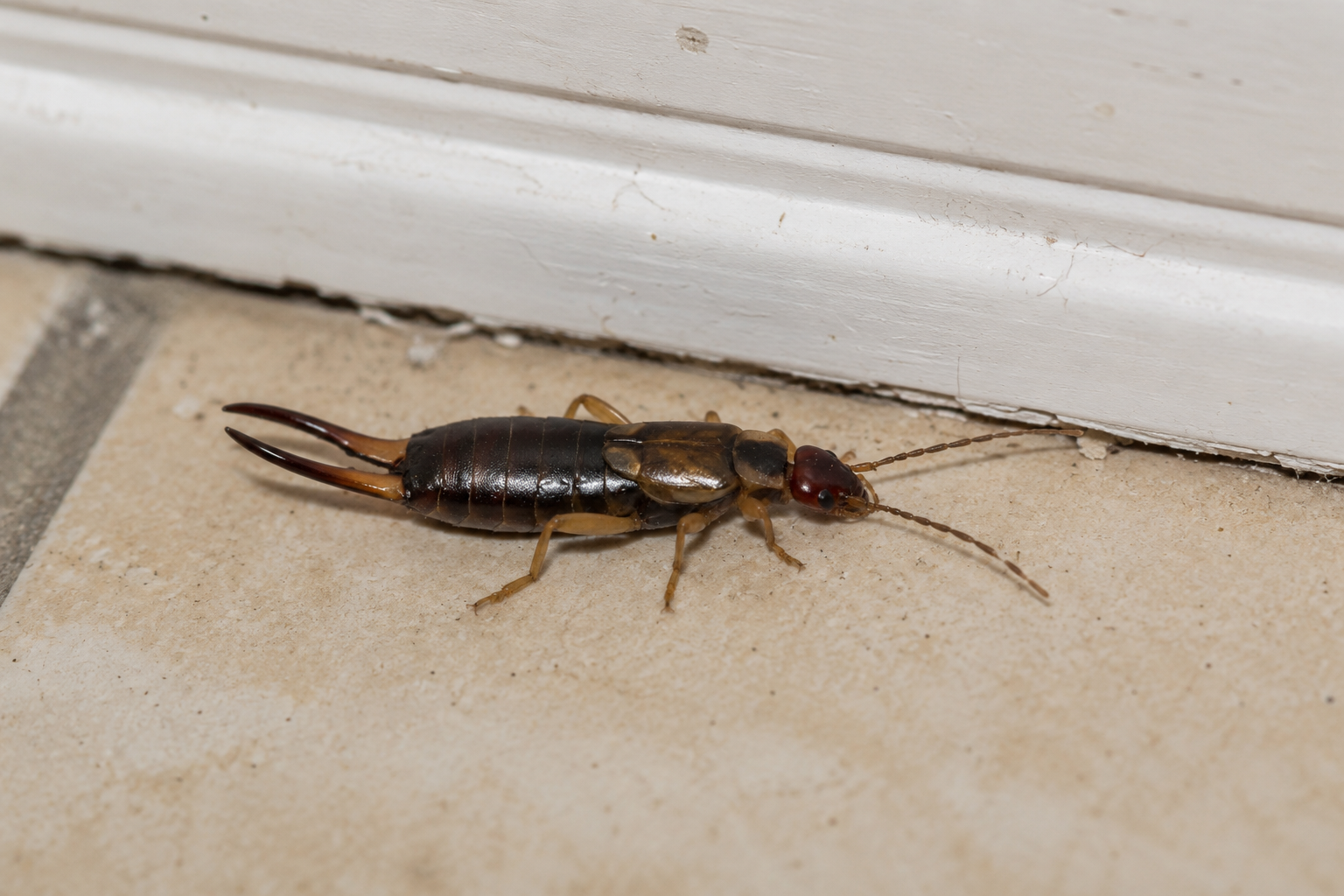
Have you ever stepped outside after a heavy Florida rainstorm and suddenly noticed earwigs crawling around your patio, driveway, garage, or entryway? While their appearance can be alarming, earwigs don't suddenly appear because of the rain—they've likely been hiding nearby all along. Heavy rainfall simply forces them out of their damp hiding places in search of higher, drier ground.
South Florida's rainy season creates ideal conditions for earwigs by increasing soil moisture, humidity, and organic debris around homes. As rain saturates mulch, flower beds, landscaping, and other outdoor hiding spots, earwigs often migrate toward porches, garages, patios, and even inside homes where conditions are more favorable.
Understanding what attracts earwigs after rain makes it easier to identify the conditions supporting them and take steps to reduce future activity around your home. Whether you're noticing earwigs around your foundation, inside your garage, or near your entry doors, learning why they're appearing is the first step toward long-term prevention.
Why Do Earwigs Appear After Rain?
Rain doesn't create earwigs—it simply makes them easier to find. Like many outdoor insects, earwigs spend most of their lives hidden beneath mulch, rocks, leaf litter, flower pots, and other damp, protected areas where they avoid sunlight and dehydration.
After a heavy rain, these hiding places often become saturated with water. Rather than remaining in flooded soil or soaked organic debris, earwigs begin searching for drier shelter. This movement brings them onto patios, driveways, sidewalks, garages, and around the exterior of homes, where homeowners suddenly notice activity that had previously gone unseen.
Why Rain Increases Earwig Activity
- Flooded Hiding Places
Heavy rainfall forces earwigs out of mulch beds, leaf litter, landscape timbers, and other damp hiding places that become waterlogged during storms. - Moist Conditions Support Survival
Earwigs require humid environments to avoid drying out. South Florida's combination of warm temperatures and frequent rainfall creates favorable conditions that allow populations to remain active for much of the year. - They Begin Searching For Shelter
Once displaced by rain, earwigs often migrate toward garages, patios, covered porches, sheds, and foundations where they can find protection until outdoor conditions improve. - Food Sources Become More Active
Rain also increases the activity of other insects and the availability of decaying organic material, providing additional food sources that encourage earwigs to remain nearby.
Understanding why earwigs become more visible following periods of wet weather helps explain why they often seem to appear overnight. In reality, they were already living around your property—they've simply been forced out of their normal hiding places.
Where Do Earwigs Hide Around South Florida Homes?
Earwigs are nocturnal insects that spend most of the day hidden in cool, damp, and protected areas. Because they avoid sunlight and dry conditions, homeowners rarely see them until they're disturbed by heavy rain or become active after dark. Their secretive behavior often makes it seem as though they appeared overnight when, in reality, they may have been living around the property for weeks.
Knowing where earwigs like to hide can help homeowners identify problem areas and reduce the conditions that encourage recurring activity. Many of their favorite hiding places are commonly found around South Florida homes, especially during the rainy season.
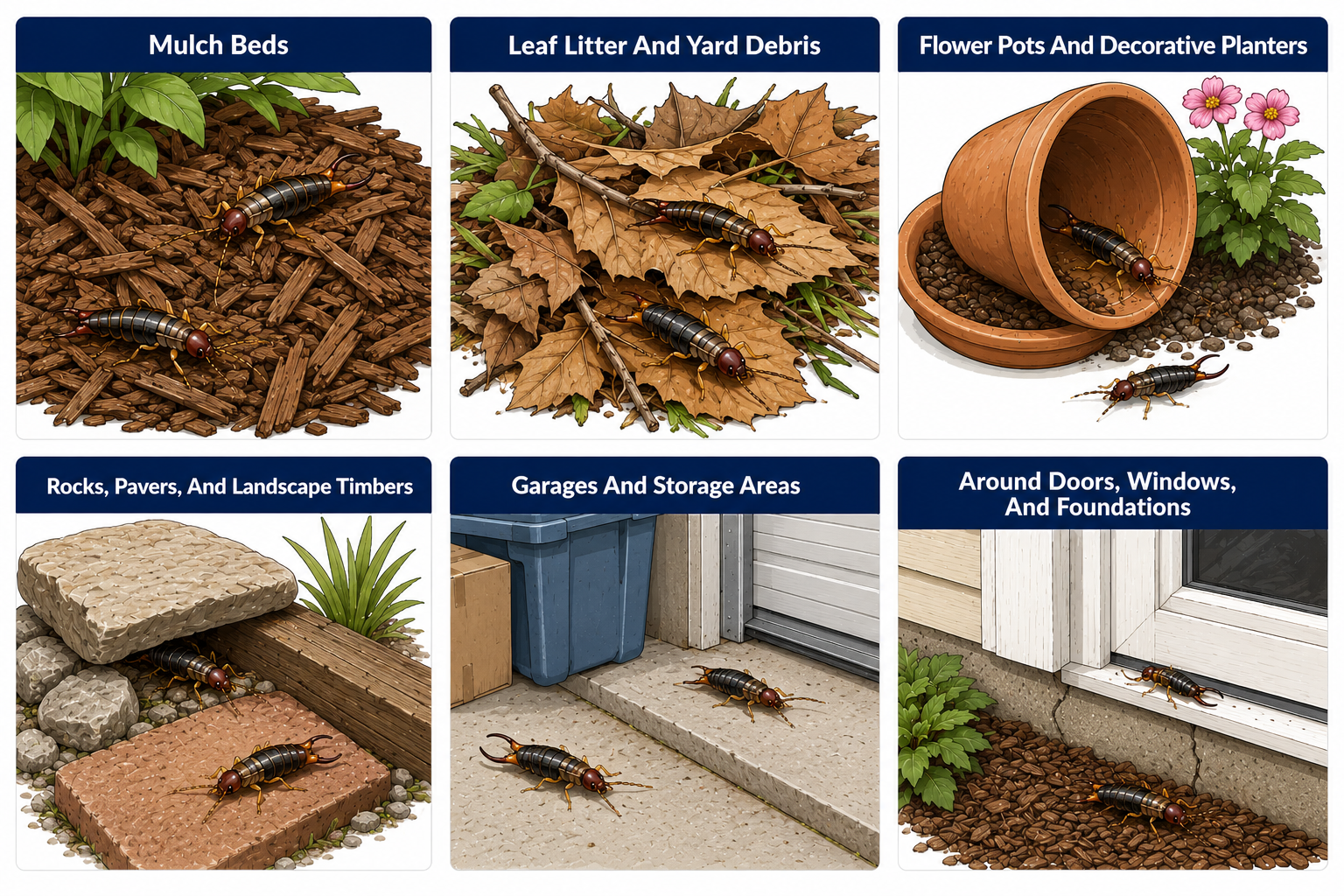
Common Earwig Hiding Places
- Mulch Beds
Mulch retains moisture long after it rains, making it one of the most attractive hiding places for earwigs. Thick layers of mulch also provide protection from sunlight and predators, allowing earwigs to remain hidden throughout the day. - Leaf Litter And Yard Debris
Piles of fallen leaves, grass clippings, and other organic debris create cool, damp environments where earwigs can shelter. Regular yard cleanup helps reduce these favorable hiding spots. - Flower Pots And Decorative Planters
Earwigs frequently hide beneath flower pots, decorative containers, and landscape edging where moisture remains trapped underneath. These areas provide both shelter and easy access to decaying organic material. - Rocks, Pavers, And Landscape Timbers
Earwigs often seek refuge beneath rocks, stepping stones, pavers, and wooden landscape borders. These protected spaces stay cool and humid, especially after periods of rain. - Garages And Storage Areas
Damp garages, storage sheds, and utility rooms can become temporary hiding places after heavy rainfall. Earwigs may enter through small gaps beneath garage doors or around the foundation while searching for dry shelter. - Around Doors, Windows, And Foundations
During periods of heavy rain, earwigs often travel along exterior walls looking for protected entry points. Cracks around foundations, door thresholds, weather stripping, and window frames may allow them to accidentally wander indoors.
While earwigs are primarily outdoor insects, seeing them inside your home often means the surrounding landscape is providing the moisture and shelter they prefer. If recurring earwig activity is accompanied by ants, cockroaches, spiders, or other household pests, our Residential Pest Control services can help identify conducive conditions and provide long-term protection.
Are Earwigs Dangerous To People Or Homes?
Despite their intimidating appearance, earwigs are generally considered nuisance pests rather than dangerous ones. Their long, curved pincers can make them look threatening, but earwigs are not aggressive toward people and typically try to avoid contact whenever possible. In most cases, they're simply searching for moisture, shelter, and food after periods of heavy rain.
Although earwigs don't pose the same health concerns as cockroaches or rodents, large numbers around your home can become frustrating. Their presence often indicates excess moisture or outdoor conditions that are also attractive to other household pests, making it worthwhile to address the underlying causes of recurring earwig activity.
Common Questions About Earwigs
- Do Earwigs Bite People?
No. Earwigs do not bite. They have a pair of pincers, called cerci, at the end of their abdomen that they use primarily for defense, capturing prey, and mating. While an earwig may pinch if handled, the pinch is usually mild and rarely breaks the skin. - Do Earwigs Crawl Into People's Ears?
No. This is one of the most common myths about earwigs, but there is no evidence that they intentionally crawl into people's ears. Their name dates back centuries and has contributed to a misconception that is not supported by modern science. - Can Earwigs Damage My Home?
Earwigs do not chew wood, damage structures, or infest homes like termites or carpenter ants. However, they may wander indoors after heavy rain and become a nuisance if they begin appearing in large numbers. - Do Earwigs Damage Plants?
Yes, they can. Earwigs may feed on tender leaves, seedlings, flowers, fruits, and vegetables, particularly in gardens where moisture levels remain high. While occasional feeding is usually minor, larger populations may cause noticeable damage to ornamental plants and young vegetation. - Should I Be Concerned If I Keep Finding Earwigs Indoors?
Finding an occasional earwig inside after heavy rain is fairly common in South Florida. However, recurring indoor activity may indicate that excess moisture, dense landscaping, or exterior entry points are allowing earwigs to move closer to your home. These same conditions can also encourage other household pests, making routine Residential Pest Control an important part of long-term prevention.
While earwigs themselves are usually more of a nuisance than a serious threat, repeated sightings should not be ignored. Addressing the moisture and environmental conditions that attract earwigs can also help reduce the likelihood of ants, cockroaches, spiders, and other common household pests becoming a recurring problem.
How To Reduce Earwig Activity Around Your Home
While earwigs are a common part of South Florida's outdoor environment, there are several steps homeowners can take to make their property less attractive to these moisture-loving insects. Most earwig problems begin outdoors, so reducing the damp, protected areas where they hide is often the most effective long-term solution.
Because earwigs thrive in humid conditions, prevention focuses on minimizing excess moisture, eliminating outdoor harborage areas, and reducing opportunities for them to move closer to your home. Even small maintenance improvements can make a noticeable difference, especially during South Florida's rainy season.
Tips To Help Reduce Earwig Activity
- Reduce Excess Moisture Around Your Home
Earwigs thrive in damp environments. Repair leaking hose bibs, outdoor faucets, irrigation systems, and air conditioning condensate lines that may keep the soil consistently wet around your home's foundation. - Avoid Excessive Mulch Near The Foundation
Thick layers of mulch retain moisture and provide ideal hiding places for earwigs. Keeping mulch several inches away from your foundation and avoiding overly deep mulch beds can help reduce favorable conditions. - Remove Leaf Litter And Yard Debris
Fallen leaves, grass clippings, stacked branches, and other organic debris create cool, humid shelters where earwigs remain hidden throughout the day. Regular yard maintenance helps eliminate these common hiding places. - Improve Drainage Around The Property
Areas where water collects during extended rainfall can remain damp for days, encouraging earwig activity. Improving drainage and correcting low spots in the landscape can help reduce excess moisture around your home. - Seal Exterior Entry Points
Earwigs may accidentally wander indoors through gaps beneath doors, damaged weather stripping, foundation cracks, or utility penetrations. Sealing these openings can help reduce the number of insects entering your home after heavy rain. - Schedule Routine Residential Pest Control
If earwigs continue appearing around your home or you're noticing ants, cockroaches, spiders, or other household pests at the same time, professional Residential Pest Control can help identify the conditions attracting pests and provide year-round protection.
Preventing earwigs is often less about eliminating every insect and more about making your property less inviting. By reducing moisture, removing outdoor hiding places, and addressing conducive conditions, homeowners can significantly reduce earwig activity during South Florida's rainy season and throughout the rest of the year.
Frequently Asked Questions About Earwigs In South Florida
Earwigs are one of the most misunderstood insects homeowners encounter, especially during Florida's rainy season. Although they're generally harmless, their sudden appearance after heavy rain often leaves homeowners wondering where they came from and whether they should be concerned.
Below are answers to some of the most common questions about earwigs, why they become more active once the ground becomes saturated, and how to reduce recurring earwig activity around your home.
Why do earwigs come out after it rains?
Heavy rainfall floods the damp hiding places where earwigs spend most of their time. As the soil becomes saturated, they leave mulch beds, leaf litter, flower pots, and other protected areas in search of drier shelter, making them much more visible around homes.
Where do earwigs usually hide?
Earwigs prefer cool, moist environments that provide protection from sunlight. Common hiding places include mulch, rocks, leaf litter, flower pots, landscape timbers, wood piles, garages, sheds, and around foundations.
Are earwigs dangerous to people?
No. Earwigs are considered nuisance pests and are not known to spread diseases or aggressively attack people. Although they have pincers, they rarely use them unless they feel threatened, and any pinch is typically mild.
Do earwigs really crawl into people's ears?
No. This is a long-standing myth that has no scientific basis. Earwigs do not intentionally crawl into people's ears, and homeowners generally have no reason to worry about this.
Can earwigs damage my home?
Earwigs do not damage wood, insulation, wiring, or the structure of a home. However, they may become a nuisance if large numbers begin entering garages, patios, or indoor living spaces after heavy rain.
Can earwigs damage plants?
Yes. Earwigs may feed on young leaves, flowers, seedlings, fruits, and vegetables, particularly when moisture levels are high. While minor feeding is common, larger populations can sometimes damage ornamental plants and gardens.
Why am I finding earwigs inside my house?
Earwigs often wander indoors while searching for dry shelter after periods of heavy rain. Small gaps around doors, windows, garages, and foundations can provide easy entry points into the home.
How can I reduce earwig activity around my home?
Reducing excess moisture, cleaning up leaf litter, avoiding excessive mulch near the foundation, improving drainage, sealing entry points, and maintaining routine Residential Pest Control can all help reduce earwig activity around your property.
When is earwig activity at its highest in Florida?
Earwigs are most noticeable during Florida's rainy season, when frequent rainfall and high humidity create ideal conditions for them to thrive. They often become especially active after afternoon thunderstorms or several consecutive days of rain.
When should I call a pest control professional?
If earwigs continue appearing in large numbers around your home or you're also noticing ants, cockroaches, spiders, or other household pests, it may be time to consider professional South Florida Pest Control services. A professional inspection can identify the conditions attracting pests and recommend effective long-term solutions.
Earwig Control For Homes In Weston And South Florida
Finding a few earwigs after a heavy rainstorm is fairly common in South Florida, but recurring activity around your home often indicates that your property is providing the moisture, shelter, and favorable conditions these nuisance pests prefer. Understanding why earwigs appear after rain can help homeowners address the underlying causes before they become a recurring problem. Reducing excess moisture, improving drainage, and eliminating common hiding places are all important steps toward long-term earwig prevention.
At Professional Pestguard, we provide reliable South Florida pest control services for homeowners throughout Weston, Davie, Pembroke Pines, Southwest Ranches, Plantation, Cooper City, Sunrise, Miramar, and the surrounding South Florida communities. Whether you're dealing with earwigs after rain, ants, cockroaches, spiders, rodents, pantry pests, or other household pests, our comprehensive Residential Pest Control services are designed to provide year-round protection tailored to South Florida's unique climate.
If you're looking for dependable earwig control in Florida or trusted pest control in Weston, FL, Professional Pestguard is here to help. Contact us today to request a free estimate online and learn how we can help protect your home from unwanted pests throughout every season.
About Professional Pestguard
Professional Pestguard provides professional pest control in Weston, FL and nearby communities including Davie, Sunrise, Pembroke Pines, and Plantation. With over 40 years of experience, our licensed technicians protect homes and businesses across Broward County and Miami-Dade County from ants, cockroaches, rodents, spiders, and other common South Florida pests using safe and effective treatments.