Why Fire Ant Mounds Keep Coming Back After Heavy Rain in South Florida
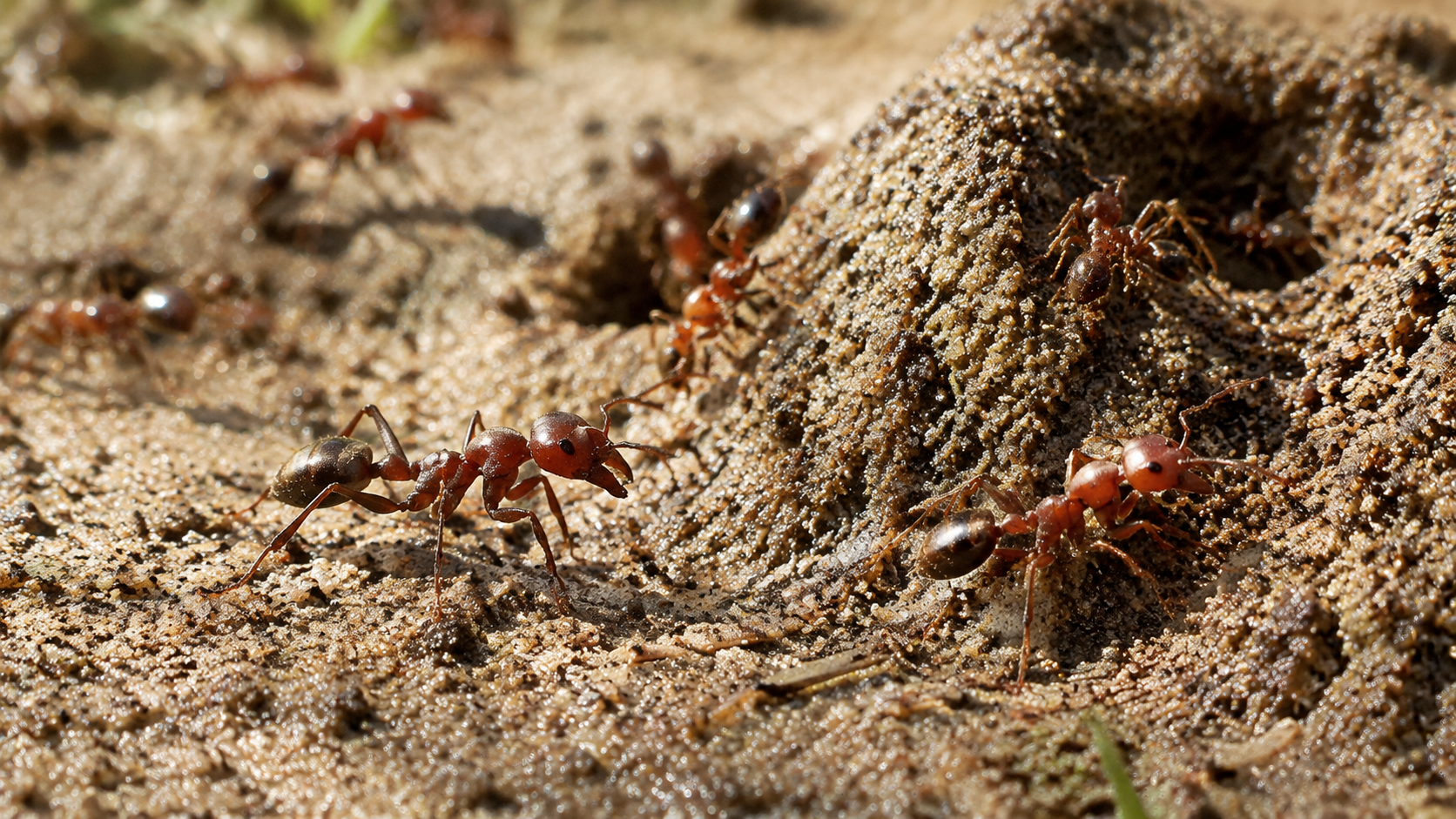
Heavy South Florida rain can flatten a fire ant mound one day, only for another mound to appear nearby shortly afterward. It may look like the ants disappeared and came back, but the colony often survived underground and simply rebuilt or relocated once the soil conditions changed.
Warm temperatures, frequent storms, and moisture-rich lawns allow fire ants to remain active throughout much of the year. In this guide, we’ll explain why fire ant mounds return after heavy rain, how rainfall affects colony activity, what repeated mounds can tell you about the infestation, and when professional fire ant control or lawn pest control may be the better long-term approach. South Florida’s climate is especially favorable for year-round lawn insect activity, including fire ants.
Why Fire Ant Mounds Reappear After Heavy Rain
Heavy rain can temporarily wash away or flatten the visible mound, but that does not always mean the fire ant colony has been eliminated. Much of the colony lives below the surface, where workers, brood, and queens may remain protected even after the mound itself is damaged.
Once the rain stops and the soil begins to drain, fire ants often rebuild quickly or move to a nearby area with better conditions. That is why homeowners may see fresh mounds appear shortly after a storm, sometimes only a few feet from where the original mound was located.
What Happens to Fire Ant Colonies During Heavy Rain?
- The Visible Mound Can Collapse
Rain can wash away loose soil and flatten the mound, making it look like the colony disappeared even though much of it may still be underground. - Colonies Move to Higher or Drier Ground
When soil becomes saturated, fire ants may relocate within the lawn to areas with better drainage, such as along sidewalks, driveways, landscape edges, or raised sections of turf. - Workers Rebuild Once Conditions Improve
After the soil begins drying, worker ants can quickly reconstruct a mound above the surviving colony. - New Mounds May Appear Nearby
A mound appearing in a different location after rain does not necessarily mean a new colony arrived. It may be the same colony adjusting to changing soil conditions. - South Florida Weather Supports Fast Recovery
Warm temperatures and frequent summer storms create conditions that allow fire ants to remain active and rebuild throughout much of the year.
Seeing repeated mounds after storms is often a sign that the underlying colony is still active. Professional Fire Ant Control can help address the colony itself rather than only the mound visible above the soil.
Where Fire Ant Mounds Commonly Appear After Rain
After heavy rain, fire ants often shift their activity toward areas of the lawn that drain more quickly or stay slightly elevated. This is why homeowners may suddenly notice fresh mounds along sidewalks, driveways, landscape borders, and other areas that seemed clear before the storm.
Understanding where new mounds tend to appear can help homeowners recognize that the colony may have relocated rather than disappeared.
Common Places Fire Ant Mounds Show Up After Rain
- Along Sidewalks and Driveways
Concrete edges often provide slightly higher, drier ground after storms, making these areas attractive places for fire ants to rebuild. - Near Landscape Borders
Fire ants may establish mounds along mulch beds, edging, and transitions between turf and landscaping where soil conditions differ. - In Raised Areas of the Lawn
Small slopes, berms, and elevated sections of turf may drain faster than surrounding areas, giving colonies a better place to recover after saturated soil. - Around Irrigation and Utility Areas
Changes in soil, drainage, and ground disturbance around sprinkler heads, utility boxes, and similar areas can create favorable nesting conditions. - Near Patios and Outdoor Living Spaces
Fire ants may move closer to patios, pool decks, play areas, or walkways when those locations provide drier soil after heavy rain. - In Open, Sunny Turf
Fire ants commonly prefer sunny areas, and South Florida lawns can provide ideal conditions for colonies to rebuild quickly once rain passes.
Repeated mound activity around frequently used outdoor areas can become more than just a nuisance, especially when children, pets, or landscaping crews regularly cross the lawn. Professional Fire Ant Control can help address active colonies and reduce the chance of recurring mound activity after South Florida storms.
Why Fire Ant Problems Can Get Worse After Storms
Heavy rain can make fire ant activity seem more noticeable because colonies are forced to adjust to changing soil conditions. Instead of eliminating the problem, storms may push fire ants into new areas of the lawn where mounds become easier to see.
In South Florida, repeated rain combined with warm temperatures can keep colonies active and encourage frequent rebuilding throughout the yard.
Why Fire Ant Activity May Increase After Rain
- Colonies Relocate Within the Lawn
Saturated soil can force fire ants to move toward drier areas, which may create new mounds in places where homeowners did not previously notice activity. - Mounds Become More Visible
Freshly moved soil stands out after a storm, especially along sidewalks, driveways, and open turf, making existing colonies seem more active than before. - Warm Weather Supports Continued Activity
South Florida’s climate allows fire ants to remain active for much of the year, so colonies can quickly respond after rain instead of becoming dormant. - Moist Soil Can Make Digging Easier
Once excess water drains, softened soil may make it easier for workers to rebuild tunnels and mound structures. - Outdoor Activity Brings People Closer to Mounds
After storms pass, homeowners, children, pets, and landscaping crews often return outside, increasing the chance of encountering newly relocated colonies. - Multiple Colonies May Be Present
Seeing several fresh mounds after rain may indicate that more than one colony is active across the property rather than a single mound repeatedly moving.
Recurring fire ant activity after storms is a sign that the problem may extend beyond the visible mound. Professional Fire Ant Control and Lawn Pest Control can help evaluate the lawn more broadly and address active colonies before they continue spreading through high-use outdoor areas.
What Repeated Fire Ant Mounds Can Tell You
If fire ant mounds keep appearing in the same general area after heavy rain, it can be a sign that the colony is well established below the surface. The visible mound is only one part of the nest, so repeated rebuilding often means the ants are still active underground even when the surface changes.
For South Florida homeowners, recurring mounds can also indicate that the lawn provides favorable conditions for fire ants to survive and relocate as weather patterns shift.
What Recurring Mounds May Indicate
- The Colony Is Still Active Underground
A flattened mound does not always mean the colony is gone. Fire ants can remain below the surface and rebuild once conditions improve. - The Lawn Has Favorable Soil Conditions
Well-drained, sunny areas with loose soil can make it easier for fire ants to establish and maintain colonies. - The Colony May Be Relocating
New mounds appearing nearby may be connected to the same colony moving in response to saturated soil or changing moisture levels. - More Than One Colony May Be Present
Multiple mounds across the lawn can indicate several active colonies rather than one isolated nest. - High-Traffic Areas May Be at Greater Risk
Mounds near sidewalks, patios, play areas, and driveways can create more opportunities for people and pets to come into contact with fire ants. - Surface Treatment Alone May Not Address the Full Problem
Because much of the colony remains underground, treating only the visible mound may not resolve the underlying activity.
Recurring mound activity is one reason professional Fire Ant Treatment may be more effective than focusing only on what is visible at the surface. A broader Lawn Pest Control approach can help address fire ant activity across the property and reduce the likelihood of repeated mound formation.
How South Florida Weather Affects Fire Ant Activity
South Florida’s warm temperatures and frequent rain create ideal conditions for fire ants to remain active throughout much of the year. Unlike colder climates where ant activity may slow significantly during winter, fire ant colonies in South Florida can continue foraging, rebuilding, and relocating as weather conditions change.
Heavy rain is only one part of the equation. Heat, humidity, irrigation, and seasonal storms can all influence where fire ants establish mounds and how often those mounds reappear.
Weather Conditions That Influence Fire Ant Activity
- Heavy Rainfall
Saturated soil can force colonies to move toward higher or better-drained areas, causing fresh mounds to appear after storms. - Warm Temperatures
South Florida’s heat allows fire ants to stay active for much of the year, supporting continued foraging and colony growth. - High Humidity
Moist conditions can affect soil structure and make certain parts of the lawn more favorable for nesting. - Irrigation Systems
Repeated watering can create the same type of moisture shifts as rainfall, sometimes encouraging colonies to move within the property. - Periods of Dry Weather
During drier stretches, fire ants may concentrate in areas where moisture remains available, such as irrigated lawns, landscape beds, or shaded sections of turf. - Rapid Weather Changes
Alternating periods of heavy rain and strong sun can repeatedly change soil conditions, which may lead to frequent mound rebuilding or relocation.
Because South Florida weather can keep fire ants active year-round, recurring mound activity is often best managed as an ongoing lawn pest issue rather than a one-time problem. Professional Ant Control can help evaluate active colonies and recommend a treatment approach suited to the conditions around your property.
How to Help Reduce Fire Ant Activity After Heavy Rain
Homeowners cannot control South Florida’s weather, but they can reduce some of the conditions that make lawns more attractive to fire ants. After periods of heavy rain, paying attention to drainage, irrigation, and recurring mound locations can help identify where colonies are most active.
The goal is not just to react to each new mound, but to make the property less favorable for repeated activity over time.
Ways to Reduce Fire Ant Activity Around the Lawn
- Improve Drainage Where Possible
Areas that stay saturated for long periods can force colonies to relocate into nearby turf, walkways, or landscape beds. Better drainage can help reduce these moisture shifts. - Avoid Overwatering the Lawn
Excess irrigation can create constantly changing soil conditions that encourage fire ants to move and rebuild. - Monitor Recurring Mound Locations
If mounds repeatedly appear near the same sidewalk, patio, or landscape border, that pattern can help identify areas where fire ant activity is concentrated. - Keep High-Traffic Areas Clear
Pay extra attention to lawns near play areas, pet zones, walkways, driveways, and patios where people are more likely to come into contact with fire ants. - Maintain Landscaping Around the Home
Overgrown vegetation, debris, and poorly maintained lawn edges can create additional sheltered areas where ants remain active. - Watch for New Activity After Storms
Heavy rain can cause colonies to shift locations quickly, so checking the property after storms can help identify fresh mounds before they become more established. - Use Professional Treatment for Recurring Problems
If fire ant mounds continue returning despite routine lawn maintenance, professional Ant Control can help address active colonies and reduce repeated activity across the property.
For homeowners dealing with ongoing outdoor pest problems, broader Residential Pest Control can also help address ants and other pests that may become more active around the home after periods of heavy rain.
Frequently Asked Questions About Fire Ants After Rain
South Florida homeowners often notice fire ant mounds appearing or moving after periods of heavy rain. These common questions explain why that happens, what repeated mounds can mean, and when professional ant control may be worth considering.
Why do fire ant mounds appear after heavy rain?
Heavy rain can flood or collapse the visible mound, but the colony may survive underground. Once the soil begins to drain, fire ants often rebuild in the same area or relocate to nearby higher ground.
Does rain kill fire ants?
Rain may disrupt a mound, but it usually does not eliminate an established colony. Fire ants can move deeper underground or relocate within the lawn until conditions improve.
Why do fire ant mounds keep coming back in the same area?
Recurring mounds often mean the colony is still active below the surface or that the area continues to provide favorable soil, moisture, and sunlight. In some cases, multiple colonies may be present across the lawn.
Are fire ants more active after rain?
They can appear more active because storms force colonies to move and rebuild. Fresh soil mounds are also easier to notice after rain, especially along sidewalks, driveways, and landscape edges.
Where do fire ants usually move after heavy rain?
Fire ants often relocate toward drier or slightly elevated areas such as sidewalk edges, driveways, patios, landscape borders, raised turf, and other well-drained parts of the yard.
How can I help reduce fire ant activity in my lawn?
Improving drainage, avoiding overwatering, maintaining landscaping, and monitoring recurring mound locations can help reduce conditions that support fire ant activity. Persistent problems may require professional Ant Control.
When should I call for professional fire ant treatment?
If mounds keep returning, appear in multiple areas, or develop near walkways, play spaces, patios, or pet areas, professional Ant Control can help evaluate the property and address active colonies more comprehensively.
Key Takeaways
Fire ant mounds that return after heavy rain are usually a sign that the colony survived below the surface or relocated within the lawn. South Florida’s warm, humid climate allows fire ants to remain active for much of the year, making recurring mound activity especially common after storms.
Here's what to remember:
- Heavy rain can flatten a mound without eliminating the colony.
- Fire ants may relocate to higher or better-drained areas after the soil becomes saturated.
- Fresh mounds often appear near sidewalks, driveways, patios, and landscape borders.
- Recurring mounds may indicate an established colony or multiple colonies across the lawn.
- Warm South Florida weather supports year-round fire ant activity and rapid rebuilding after storms.
- Drainage, irrigation, and lawn conditions can influence where colonies move after heavy rain.
- Treating only the visible mound may not address the full problem if the colony remains active underground.
- Professional Ant Control can help evaluate recurring fire ant activity and recommend a broader treatment approach for the property.
Conclusion
Fire ant mounds that reappear after heavy rain are usually a sign that the colony was disrupted, not eliminated. In South Florida, frequent storms, warm temperatures, irrigation, and changing soil conditions can keep fire ants active and lead to repeated mound formation throughout the lawn.
Paying attention to drainage, recurring mound locations, and high-traffic outdoor areas can help homeowners spot patterns early, but persistent activity often requires a more comprehensive approach than treating the visible mound alone.
Tired of Fire Ant Mounds Coming Back?
Professional Pestguard provides professional Ant Control and Residential Pest Control services throughout Weston, Fort Lauderdale, Pembroke Pines, Davie, Plantation, Sunrise, Miami, Aventura, and surrounding South Florida communities.
Our experienced technicians can evaluate fire ant activity, inspect the areas where mounds keep returning, and recommend a treatment plan based on the conditions found throughout your property.
Contact Professional Pestguard today to schedule a residential pest inspection and learn how our ant control services can help reduce recurring fire ant activity around your South Florida home.
About Professional Pestguard
Professional Pestguard provides professional pest control in Weston, FL and nearby communities including Davie, Sunrise, Pembroke Pines, and Plantation. With over 40 years of experience, our licensed technicians protect homes and businesses across Broward County and Miami-Dade County from ants, cockroaches, rodents, spiders, and other common South Florida pests using safe and effective treatments.