How Can Property Managers Prevent Fleas and Ticks in Pet-Friendly Apartment Communities and HOAs?
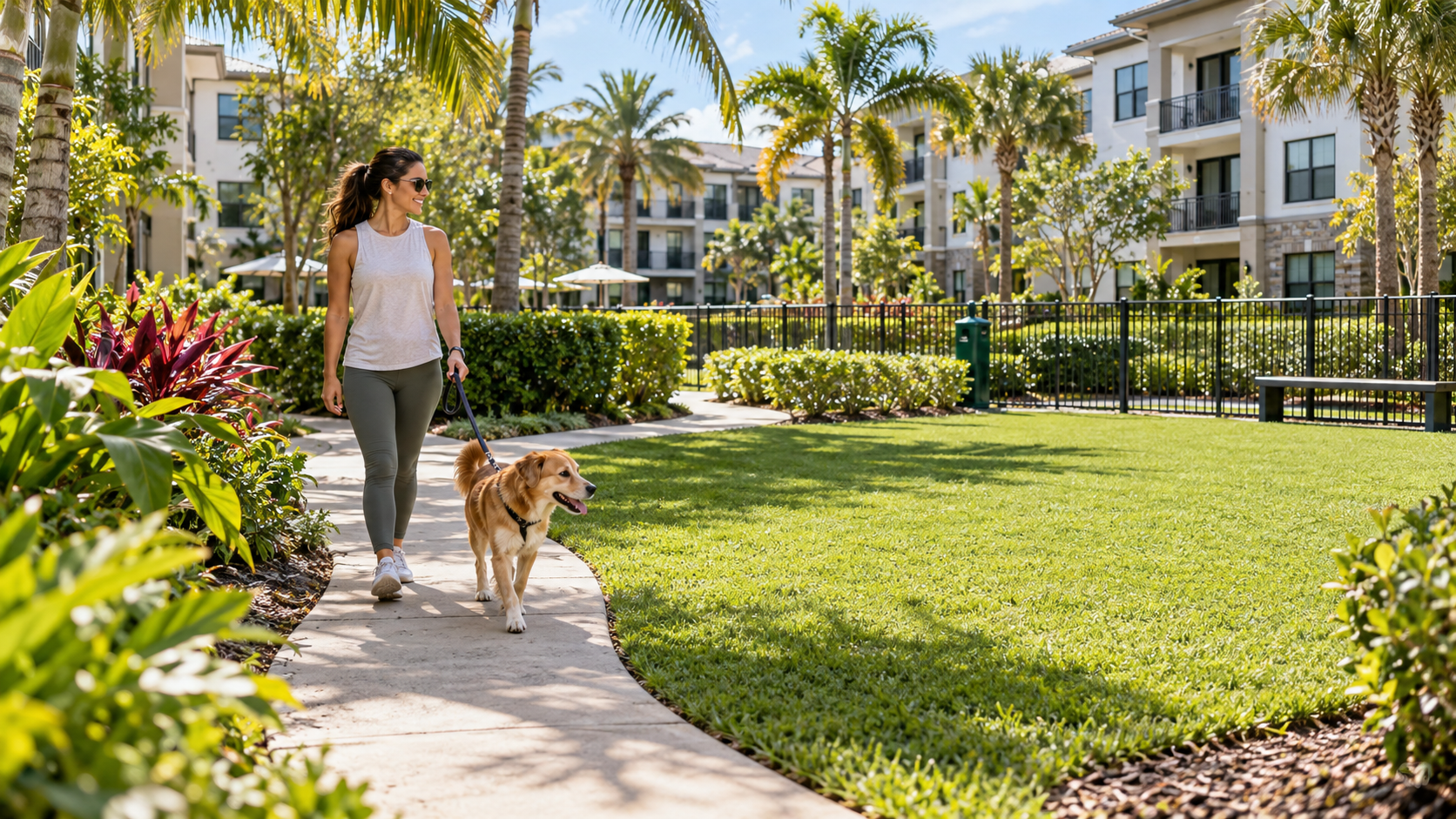
Property managers can reduce flea and tick activity by paying attention to shared outdoor spaces, maintaining landscaped areas, communicating with residents, and arranging preventive pest control when the property needs it. In pet-friendly apartment communities and HOAs, dog-walking routes, pet relief areas, shaded planting beds, and lawn edges deserve particular attention because people and animals use them regularly. A useful plan looks at the whole community rather than waiting for repeated complaints in one building.
Fleas and ticks do not behave exactly alike, so identifying the pest and the areas affected matters before deciding what to do. This guide explains where to look across common areas, which landscape conditions to address, how to give residents useful guidance, and when commercial flea and tick control may help. Professional Pestguard works with apartment communities, HOAs, and property managers throughout South Florida.
Where Do Fleas and Ticks Become a Problem on Shared Properties?
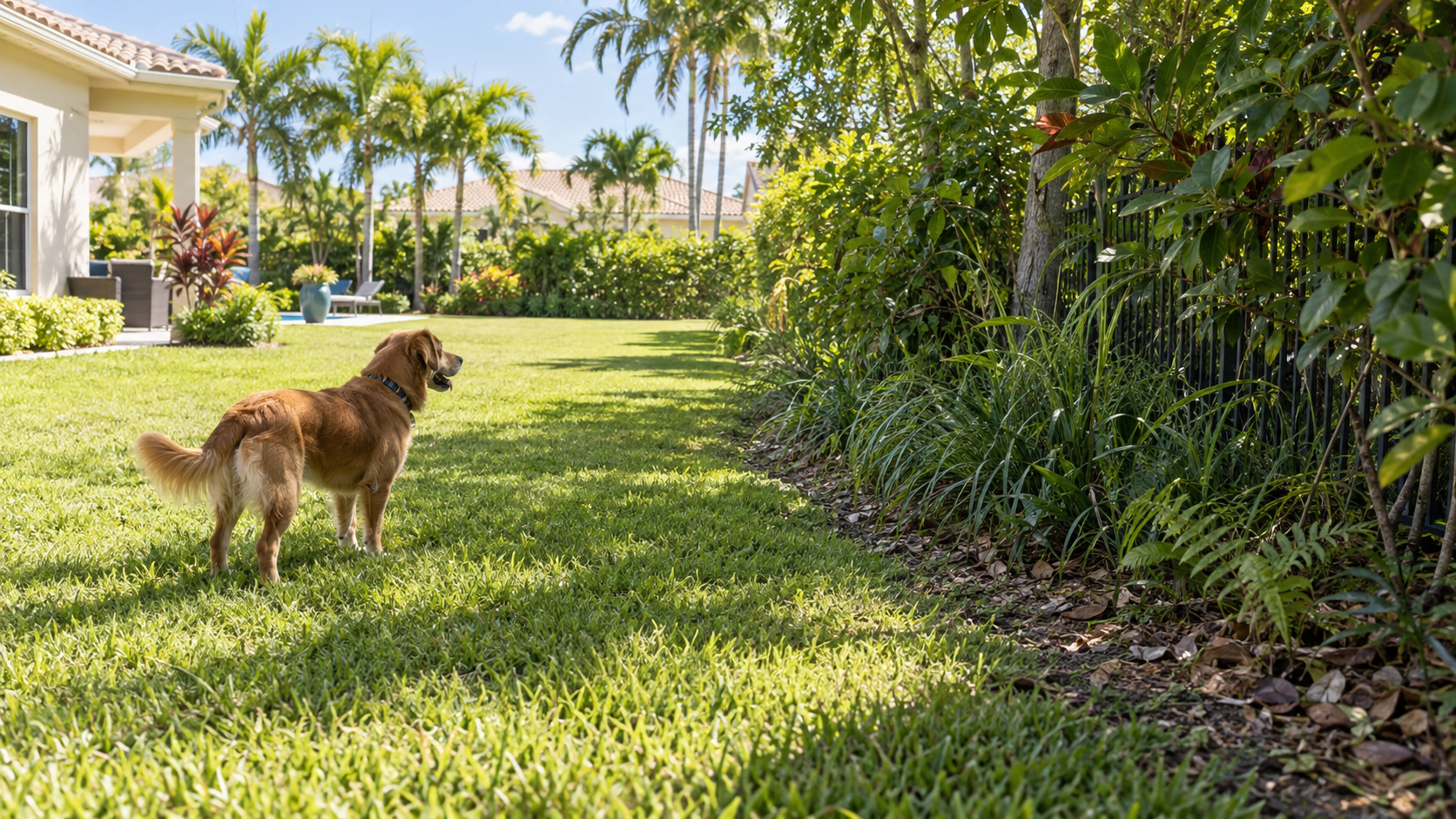
In a pet-friendly community, the areas that deserve attention are often the places residents use every day. Dog-walking paths, pet relief areas, lawns, and landscaped borders bring animals into repeated contact with the same outdoor spaces. Fleas and ticks have different habits, but shaded areas where pets spend time and vegetated edges are sensible places to begin checking when residents report activity.
Common Areas Property Managers Should Check
- Pet relief areas and dog-walking routes: These spaces see frequent animal traffic. Note where pets stop, rest, or pass close to vegetation, and ask residents to report where they noticed fleas or ticks.
- Shaded landscape beds: Check beneath shrubs and along planted borders, particularly where leaves collect or pets regularly enter. These areas can be easy to miss during routine lawn care.
- Lawn and wooded edges: Look where maintained turf meets taller grass, brush, or neighboring natural areas. Keep track of any repeated tick reports near those boundaries.
- Shared outdoor gathering spaces: Review the landscaped edges of courtyards, seating areas, and paths connecting buildings. A complaint near one space is a reason to check the surrounding conditions, not to assume the entire property has the same problem.
A report is most useful when it includes the pest seen, the location, and the date. Those details help you identify patterns and direct attention to the right areas. Next, we’ll look at the landscape maintenance steps that can reduce favorable conditions across the community.
How Can Landscape Maintenance Reduce Flea and Tick Activity?
Landscape maintenance can make shared outdoor spaces less favorable to fleas and ticks, especially where pets spend time or residents walk close to vegetation. Fleas are often associated with shaded areas used by animals, while ticks may be encountered in tall grass, brush, and leaf litter. For property managers, the goal is to identify these conditions during routine grounds inspections and address them before complaints become a recurring pattern.
Landscape Tasks to Include in Your Maintenance Plan
- Keep grass maintained along routes and borders: Include fence lines, walking paths, and the edges of pet relief areas in the mowing schedule. These spots may receive less attention than open lawns but more contact from residents and pets.
- Clear accumulated leaves: Check beneath shrubs, beside buildings, and where landscaped beds meet paths. Removing leaf litter is particularly useful along areas people and pets regularly pass.
- Trim vegetation away from walkways: Residents should not have to brush against tall grass or dense plants to use a path. Give the landscaping team a clear list of routes and borders that need regular trimming.
- Inspect shaded areas used by pets: Look at where dogs tend to stop or rest, particularly beneath trees and near planted beds. Note recurring reports in those locations so maintenance and pest control teams can review the same areas.
- Review areas with wildlife activity: If animals regularly cross or rest on the property, record the locations and look for conditions that may be encouraging repeated visits. Wildlife can bring ticks into shared outdoor spaces.
Ask your grounds team to document what they find and when an area was last maintained. That record helps you distinguish a one-time complaint from a location that needs continued attention. Landscape work is only part of a community plan, so the next section will cover how to communicate with residents about sightings and pet prevention.
How Should Property Managers Communicate With Residents About Fleas and Ticks?
Residents are often the first to notice flea or tick activity, but a report is difficult to act on without a location and a description of what they found. A clear reporting process helps your team respond promptly and determine whether multiple sightings involve the same common area. Communication should give residents practical steps they can take while making clear what management will inspect and maintain.
What to Include in a Resident Notice
- How to report a sighting: Ask residents to provide the date, location, and whether they found the pest on a pet, a person, or in a shared area. A clear photo can help with identification.
- What management will do: Explain that your team will review the reported location, check nearby landscape conditions, and determine whether pest control service is needed. Avoid promising that one visit will prevent every future sighting.
- How residents can protect their pets: Encourage residents to speak with their veterinarian about flea and tick prevention and to check pets after outdoor activity. Management should leave decisions about pet products to each resident and their veterinarian.
- When service is scheduled: If a shared area will receive treatment, tell residents which area is involved, when service is planned, and what access instructions apply. Share the return-to-area guidance provided for the treatment used.
A useful notice invites reports without assigning blame to a resident or pet. When your team combines those reports with maintenance records, it becomes easier to see whether a location needs commercial flea and tick control. Next, we’ll look at how preventive service fits into a broader property management plan.
How Does Preventive Pest Control Fit Into a Community Plan?
Preventive service gives property managers a way to review flea and tick concerns before repeated reports disrupt shared spaces. The right approach depends on the property’s layout, pet traffic, landscape conditions, and what has been found during inspections. It should also work alongside grounds maintenance and resident communication, since treatment alone cannot control where pets and wildlife travel.
What to Discuss With a Pest Control Provider
- The areas residents use most: Identify pet relief stations, dog-walking routes, courtyards, and paths between buildings. Share any reports tied to specific locations.
- Whether fleas or ticks have been identified: These pests have different habits, so ask how identification will guide the recommended service. A photo or specimen from a resident report may be helpful.
- The property’s maintenance routine: Explain how often lawn edges, planted beds, and shared spaces are maintained. This helps connect pest control recommendations with work your grounds team can continue.
- Resident access and communication: Ask which areas may need service, how residents will be notified, and what instructions apply before they use those spaces again.
- How concerns will be reviewed afterward: Agree on a way to share new reports and revisit locations where activity continues. A plan is more useful when your team knows what information to collect between visits.
Professional Pestguard offers commercial flea and tick control for apartment communities and HOAs throughout South Florida. If your community has recurring reports or you want to review vulnerable common areas, discussing the property with a pest control provider can help you decide what level of service makes sense. Next, we’ll cover how to respond when a resident reports fleas or ticks in a specific area.
What Should You Do When a Resident Reports Fleas or Ticks?
A resident report deserves a prompt response, but one sighting does not tell you whether the problem began in a shared space, a private unit, or somewhere off the property. Start by gathering enough detail to identify the pest and the location, then inspect the areas your team is responsible for. If additional reports point to the same place, you will have a clearer basis for deciding what action is needed.
A Practical Response for Property Managers
- Record the details: Ask when the pest was found, where the resident had been, and whether it was seen on a pet, a person, inside a unit, or in a common area. Request a clear photo if one is available.
- Check the reported area: Inspect nearby pet routes, shaded landscaping, lawn edges, and gathering spaces. Document conditions such as overgrown vegetation or accumulated leaves that your grounds team can address.
- Look for related reports: Review whether other residents have reported activity near the same location. A repeated pattern can help you prioritize an inspection without assuming every complaint has the same source.
- Explain the next step: Let the resident know what management will check and when you expect to follow up. If the report concerns a pet, encourage the resident to speak with their veterinarian about prevention.
- Bring in pest control when needed: If the pest is difficult to identify or reports continue in a shared area, provide your pest control company with the location, photos, and inspection notes.
Keep the resident informed about what you found and any work scheduled for the common area. Consistent records and follow-up can help your team respond to future reports more effectively. Next, we’ll answer the questions property managers commonly ask when planning flea and tick prevention for a pet-friendly community.
Frequently Asked Questions About Flea and Tick Prevention in Pet-Friendly Communities
Property managers often need to balance resident reports, shared-space maintenance, and decisions about professional service. These answers address common questions that come up when managing fleas and ticks in apartment communities and HOAs.
Can fleas and ticks be found in a community with well-maintained landscaping?
Yes. Regular maintenance can reduce favorable conditions, but pets and wildlife may still bring fleas or ticks onto a property. If residents report activity, check the specific location and nearby animal routes before deciding what work is needed.
Which common areas should property managers check first?
Start with the location named in the report, then check nearby pet relief areas, dog-walking routes, shaded landscaping, and lawn edges. Focus on areas residents and pets use frequently rather than assuming every part of the community has the same level of activity.
Does one resident report mean the entire property needs treatment?
No. A single report is a reason to gather details and inspect the area, not proof of a property-wide problem. Identification, location, and any additional sightings should guide the next step. If reports continue, a pest control provider can help assess the affected spaces.
What should residents do if they find fleas or ticks on a pet?
Ask residents to report where and when they noticed the pest so management can check any relevant common area. Residents should speak with their veterinarian about appropriate flea and tick prevention for their pet. Property treatment does not replace pet care.
How often should an apartment community receive flea and tick service?
There is no single schedule that fits every community. The appropriate plan depends on the property’s size and layout, pet traffic, landscape conditions, and any confirmed activity. A provider can review those factors and recommend whether monitoring, targeted service, or a recurring plan makes sense.
Can landscaping alone prevent fleas and ticks?
Landscaping helps reduce sheltered areas, but it cannot prevent animals from moving through the community. The strongest approach combines maintained common areas, useful resident reports, pet prevention guided by veterinarians, and commercial flea and tick control when the property needs it.
Build a Flea and Tick Prevention Plan for Your Community
Reducing flea and tick activity in a pet-friendly apartment community or HOA takes coordination between management, residents, grounds crews, and pest control. Your team can begin by checking shared spaces, documenting reports, and maintaining the landscape areas where people and pets spend time. Those records will also help you make informed decisions if activity continues.
Your Next Steps as a Property Manager
- Identify priority areas: Review pet relief stations, walking routes, shaded planting beds, and locations named in resident reports.
- Coordinate with your teams: Share findings with grounds staff and set a clear process for receiving and following up on new reports.
- Review service options: If fleas or ticks continue to appear, discuss the affected areas and your property’s needs with a pest control provider.
If you’re looking for commercial flea and tick control for an apartment community or HOA in South Florida, Professional Pestguard can help you assess the property and discuss a service plan. Call (954) 389-6107 or fill out our online form to request a free estimate.
About Professional Pestguard
Professional Pestguard provides professional pest control in Weston, FL and nearby communities including Davie, Sunrise, Pembroke Pines, and Plantation. With over 40 years of experience, our licensed technicians protect homes and businesses across Broward County and Miami-Dade County from ants, cockroaches, rodents, spiders, and other common South Florida pests using safe and effective treatments.