Centipedes in South Florida Homes: What Their Presence Can Reveal About Other Pest Activity
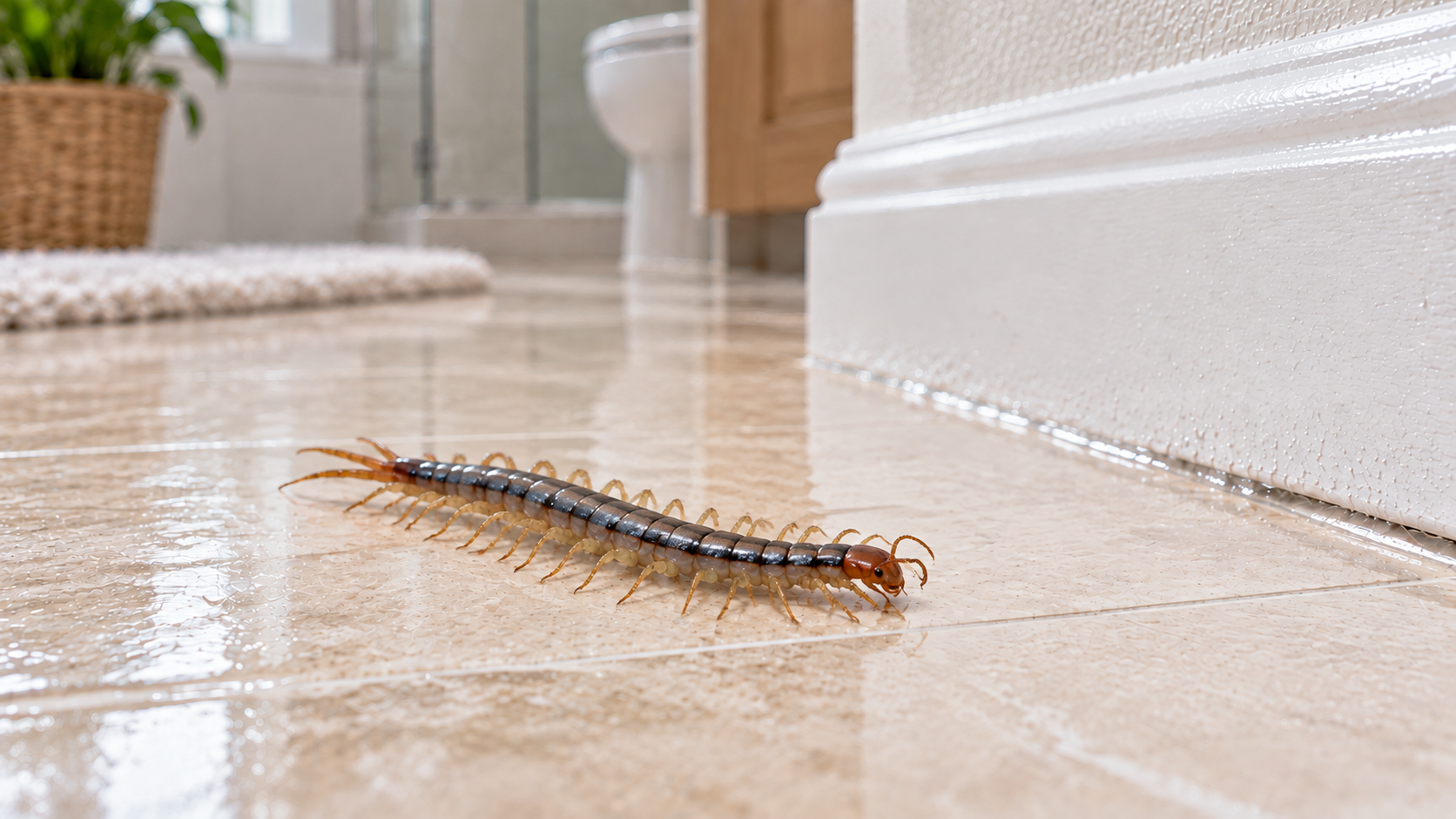
Why Am I Seeing Centipedes Inside My South Florida Home?
Centipedes enter South Florida homes when they find moisture, protected hiding places, accessible entry points, and other small pests to eat. One occasional centipede may have wandered indoors, but recurring sightings can indicate damp conditions or an available population of insects and other arthropods inside or around the home.
Centipedes are predators. Depending on the species and location, they may feed on cockroaches, silverfish, spiders, carpet beetle larvae, and other small household pests. Because they require prey to survive, seeing centipedes repeatedly may be a clue that other pest activity is present, even when those pests have remained hidden.
Bathrooms, laundry rooms, garages, closets, wall voids, and other dark or humid spaces may provide suitable conditions. Centipedes can also enter through cracks in the foundation, openings around plumbing or utility lines, damaged door sweeps, vents, and gaps connecting damp landscaping to the structure.
The centipede itself may not be the only issue that needs attention. Identifying moisture sources, possible prey insects, exterior hiding places, and entry points can help determine whether the activity is an isolated occurrence or part of a broader pest problem requiring residential pest control in South Florida.
What Can Centipedes Tell You About Other Pest Activity?
Recurring centipede sightings may indicate that your home is providing a dependable supply of small insects and other arthropods for them to eat. Centipedes are predators, so they are more likely to remain in areas where prey, moisture, and protected hiding places are readily available.
Which Household Pests Do Centipedes Eat?
- Depending on their size and species, centipedes may feed on:
- Cockroaches and young roaches
- Silverfish and firebrats
- Spiders
- Carpet beetle larvae
- Small crickets
- Moths and other small insects
- Additional arthropods hiding in damp or concealed areas
These pests may remain behind cabinets, beneath appliances, inside closets, around plumbing, or within wall voids where homeowners rarely see them. A centipede traveling through a bathroom or laundry room may be hunting prey that is hidden nearby.
Silverfish are one possible food source because they also prefer humid, protected spaces inside South Florida homes. Our guide explaining why silverfish are common in South Florida homes covers the moisture, food sources, and hiding areas that can support their activity.
Seeing one centipede does not automatically confirm a larger infestation. However, frequent sightings in the same room, centipedes appearing in several areas of the home, or activity that continues after moisture conditions are corrected may indicate that other pests are providing a consistent food source.
Why Does Moisture Attract Centipedes Inside a Home?
Centipedes need humid, protected conditions to avoid drying out. Moisture can also support cockroaches, silverfish, springtails, and other small pests that centipedes hunt, making damp areas especially attractive to both the predator and its prey.
Common Moisture Conditions That May Support Centipede Activity
- Plumbing leaks: Slow leaks beneath sinks, behind toilets, around water heaters, or near washing machines can create consistently damp hiding areas.
- High indoor humidity: Bathrooms, laundry rooms, garages, and poorly ventilated closets may retain enough humidity to support centipedes and other moisture-loving pests.
- Air-conditioning condensation: Condensation around air handlers, drain lines, and nearby walls may create moisture in concealed areas.
- Poor bathroom ventilation: Steam that remains after showers can increase humidity around baseboards, cabinets, closets, and wall openings.
- Damp garages or storage areas: Water entering beneath garage doors or collecting around stored boxes can create protected harborage.
- Exterior drainage problems: Water pooling near the foundation may keep the soil, mulch, and structural perimeter damp.
- Overwatered landscaping: Irrigation directed toward exterior walls can create moist conditions around entry points and increase pest activity near the home.
- Wet mulch and leaf litter: Organic material that remains damp provides shelter for insects, spiders, and other arthropods that centipedes may follow toward the structure.
A centipede found in a bathroom does not necessarily mean there is a major plumbing problem. However, repeated activity near the same sink, shower, drain, air-conditioning system, or exterior wall is a reason to inspect for leaks, condensation, trapped humidity, or water accumulating near the foundation.
Correcting the moisture source can make the area less suitable for centipedes while also reducing the conditions that support many of the pests they eat.
How Are Centipedes Getting Into Your South Florida Home?
Centipedes can enter through small gaps that connect damp exterior areas to garages, bathrooms, laundry rooms, wall voids, and other protected spaces. Some wander indoors from landscaping, while house centipedes may remain inside when they have enough moisture, shelter, and prey to survive.
Common Centipede Entry Points
- Gaps beneath exterior doors: Worn or damaged door sweeps may allow centipedes to crawl into garages and living areas.
- Cracks in foundations and exterior walls: Small structural openings can provide access from soil, mulch, and landscape beds.
- Openings around plumbing lines: Gaps beneath sinks or around pipes entering through walls may connect damp outdoor or concealed spaces to the interior.
- Air-conditioning and utility penetrations: Unsealed openings around refrigerant lines, electrical wiring, cables, and other utilities can create entry routes.
- Damaged screens and vents: Tears, loose edges, and uncovered openings may allow centipedes and their prey to enter.
- Garage-door edges: Gaps along the bottom and sides of garage doors can provide access from driveways, lawns, and landscape beds.
- Expansion joints and slab openings: Cracks or separations in concrete slabs may allow centipedes to move from beneath the structure into interior spaces.
- Exterior wall and roofline gaps: Openings around siding, soffits, fascia, windows, and doors may provide additional access.
Centipedes often remain hidden during the day and become active at night, so the location where one is seen may not be the location where it entered. A centipede found in a bathroom, for example, may have traveled through a wall void, plumbing opening, or gap beneath a nearby door.
Homeowners should look for patterns rather than relying on one sighting. Repeated activity near the same exterior wall, garage, bathroom, or utility area can help identify the moisture source or structural opening contributing to the problem.
Which Outdoor Conditions Bring Centipedes Closer to Your Home?
Centipedes commonly live outdoors in dark, damp areas where they can hide and hunt small insects. When these conditions are located beside the foundation, centipedes may eventually enter through nearby doors, cracks, utility openings, and other structural gaps.
Exterior Conditions That May Support Centipede Activity
- Wet mulch near the foundation: Thick or consistently damp mulch can provide shade, moisture, and shelter for centipedes and their prey.
- Leaf litter and yard debris: Accumulated leaves, grass clippings, fallen branches, and decaying plant material create protected hiding areas.
- Overwatered landscape beds: Frequent irrigation can keep the soil and vegetation around exterior walls continuously moist.
- Poor drainage: Standing water and soil that remains saturated after rain can increase moisture around the home’s perimeter.
- Dense groundcover and vegetation: Plants growing directly against exterior walls may retain humidity and conceal pest activity.
- Stones, landscape timbers, and pavers: Centipedes may hide beneath materials that trap moisture and remain undisturbed.
- Firewood and stored materials: Woodpiles, cardboard, pots, and equipment stored near the home can create protected harborage.
- Clogged gutters or downspouts: Improper drainage can direct water toward the foundation and keep nearby soil or mulch damp.
Reducing these conditions can make the area around the home less attractive to centipedes and many of the small pests they hunt. Homeowners can pull mulch away from the foundation, remove leaf litter, correct irrigation overspray, improve drainage, and avoid storing wood or debris against exterior walls.
If the property also has thinning grass, visible mounds, spongy turf, or other signs of lawn-damaging insects, professional lawn insect control in South Florida can help identify and address pest activity affecting the lawn. Indoor centipede activity should still be evaluated separately because moisture, prey insects, and structural entry points may also be present inside the home.
When Do Recurring Centipedes Indicate a Larger Pest Issue?
Recurring centipede activity may indicate a larger pest issue when sightings continue over time, occur in multiple rooms, or appear alongside signs of cockroaches, silverfish, spiders, or other household pests. Because centipedes need prey to survive, an ongoing population is more likely when the home provides both suitable moisture and a dependable food source.
Warning Signs That May Point to a Broader Problem
- Centipedes appear regularly: Seeing them weekly or repeatedly in the same area suggests that favorable conditions remain nearby.
- Activity is spreading through the home: Sightings in bathrooms, kitchens, closets, garages, and laundry rooms may indicate several travel routes or prey sources.
- Other pests are also present: Cockroach droppings, silverfish damage, spider activity, shed insect skins, or live insects can help explain why centipedes remain indoors.
- Sightings continue after moisture is corrected: If centipedes keep appearing after leaks, condensation, and humidity are addressed, hidden prey or entry points may still be present.
- Centipedes are appearing during the day: Centipedes normally remain concealed and become more active at night. Daytime sightings may occur when hiding areas are disturbed or activity has increased.
- Young and adult centipedes are present: Finding centipedes of noticeably different sizes may suggest that conditions inside or near the structure have remained suitable for an extended period.
- Activity returns after individual centipedes are removed: Removing the centipedes you see will not correct the moisture, prey insects, or structural openings attracting them.
A professional inspection can look beyond the visible centipede and evaluate the conditions supporting it. Professional pest control in Weston can help identify possible prey insects, moisture-related activity, hiding areas, and entry points affecting the home.
The goal should be to determine why centipedes are present rather than treating each sighting as an isolated problem. Addressing the underlying conditions can reduce both centipede activity and the pests attracting them.
How Can You Help Prevent Centipedes From Entering Your Home?
Preventing centipedes requires more than removing the ones you see. The most effective approach is to reduce moisture, limit the insects they feed on, remove protected hiding areas, and close the openings that allow pests to move inside.
Reduce Indoor Moisture
- Repair plumbing leaks beneath sinks, behind toilets, and around appliances
- Check air-conditioning drain lines and equipment for condensation
- Use bathroom exhaust fans during and after showers
- Improve ventilation in laundry rooms, garages, closets, and storage areas
- Use a dehumidifier in rooms that remain consistently humid
- Dry wet floors and address water entering beneath exterior doors
Seal Potential Entry Points
- Replace damaged door sweeps and weather stripping
- Seal cracks around foundations, exterior walls, and concrete slabs
- Close gaps around plumbing, electrical, cable, and air-conditioning lines
- Repair damaged window screens and vent covers
- Inspect garage doors for openings along the bottom and sides
- Seal gaps around windows, doors, siding, soffits, and utility panels
Active pest routes should be evaluated before large openings are sealed. Closing an opening without determining where pests are hiding may trap centipedes or prey insects inside concealed areas.
Reduce Exterior Harborage
- Pull mulch and dense groundcover away from the foundation
- Remove leaf litter, fallen branches, and yard debris
- Store firewood, pots, boxes, and equipment away from exterior walls
- Correct irrigation overspray and avoid overwatering landscape beds
- Improve drainage where water collects after rain
- Clean gutters and direct downspouts away from the foundation
- Trim shrubs and vegetation that touch the home
Address the Pests Centipedes Are Hunting
Cockroaches, silverfish, spiders, crickets, and other small pests may provide a continuing food source. Monitoring where these pests appear and addressing their food, moisture, nesting areas, and entry points can make the home less suitable for centipedes.
Centipede prevention is most effective when the interior and exterior are evaluated together. Reducing humidity inside may provide only temporary improvement if wet mulch, drainage problems, exterior pest activity, or structural gaps continue supporting activity around the home.
When Should You Call for Professional Centipede Control?
Professional centipede control should be considered when sightings continue despite correcting moisture, removing exterior harborage, and sealing obvious entry points. Recurring activity may require a broader inspection because the centipedes could be following hidden prey through wall voids, plumbing areas, garages, or other concealed spaces.
Signs It Is Time to Request Professional Help
- Centipedes are appearing frequently: Regular sightings suggest that the home continues to provide moisture, shelter, prey, or accessible entry routes.
- They are showing up in several rooms: Activity across bathrooms, kitchens, closets, garages, and laundry rooms may involve multiple hiding areas or travel paths.
- Other pests are also visible: Cockroaches, silverfish, spiders, crickets, or unidentified small insects may be providing a food source.
- The source cannot be located: The place where a centipede is seen may be different from the damp area, prey source, or opening supporting the activity.
- Sightings continue after leaks are repaired: Correcting moisture is important, but hidden insects or structural gaps may allow activity to persist.
- DIY treatments provide only temporary results: Killing individual centipedes does not address the conditions allowing them to survive or enter the home.
- Activity returns after heavy rain: Repeated sightings following storms may indicate drainage problems, saturated landscaping, or vulnerable ground-level entry points.
A professional inspection can evaluate more than the visible centipedes. It may include checking moisture-prone rooms, exterior landscape conditions, structural openings, potential hiding areas, and evidence of the insects centipedes are hunting.
Effective centipede control should address the underlying cause of the activity. Depending on the conditions found, this may involve moisture correction, exclusion, exterior harborage reduction, monitoring, and targeted pest treatment rather than relying only on indoor sprays.
Frequently Asked Questions About Centipedes in South Florida Homes
Centipedes often raise questions because they move quickly, remain hidden during the day, and may appear without an obvious source. These answers explain what their presence may mean, where they commonly hide, and when recurring activity could indicate moisture, prey insects, or entry points that need attention.
Why am I seeing centipedes inside my house?
Centipedes enter homes in search of moisture, protected shelter, and small pests to eat. Bathrooms, laundry rooms, garages, closets, and other humid spaces may provide suitable conditions, especially when structural gaps connect them to damp exterior areas.
Does seeing a centipede mean I have other pests?
Not necessarily. One centipede may have wandered indoors, but repeated sightings can indicate that cockroaches, silverfish, spiders, crickets, or other small arthropods are providing a dependable food source.
Do centipedes mean my home has cockroaches?
Centipedes may eat cockroaches, but their presence does not confirm a cockroach infestation. Look for additional evidence such as droppings, egg cases, shed skins, unusual odors, or nighttime activity before determining whether roaches are present.
Where do centipedes hide inside homes?
Centipedes commonly hide in dark, damp, undisturbed areas such as beneath sinks, behind appliances, inside closets, around plumbing, under stored boxes, in garages, and within wall voids. They often emerge at night to hunt.
Why do centipedes appear after heavy rain?
Heavy rain can saturate the soil, mulch, leaf litter, and other outdoor hiding areas. Centipedes may move toward garages, patios, foundations, and homes while searching for drier shelter or following prey insects displaced by the rain.
Can centipedes live and reproduce inside a house?
House centipedes can live indoors when they have sufficient moisture, shelter, and prey. Other types of centipedes are more likely to wander inside from outdoor areas and may not remain if indoor conditions are too dry.
Are centipedes dangerous to people or pets?
Centipedes typically avoid people and pets, but they should not be handled with bare hands. Larger centipedes can bite when trapped or disturbed, although bites are uncommon inside most homes. Anyone experiencing a concerning reaction should seek appropriate medical or veterinary guidance.
Will killing the centipedes I see solve the problem?
Removing individual centipedes may provide immediate relief, but it will not correct moisture, prey insects, exterior harborage, or entry points. If centipedes continue appearing, the conditions supporting the activity should be identified and addressed.
How can I reduce centipedes inside my home?
Repair leaks, reduce humidity, improve ventilation, seal exterior openings, replace damaged door sweeps, remove damp debris near the foundation, and address other household pests. These steps reduce the moisture, shelter, food, and access centipedes need.
When should I contact a pest-control company about centipedes?
Consider professional help when centipedes appear frequently, occur in several rooms, return after moisture corrections, or are accompanied by other pest activity. An inspection can help identify hidden prey, damp areas, harborage, and entry points contributing to the problem.
Key Takeaways
Centipedes may enter South Florida homes when they find moisture, shelter, prey insects, and accessible openings. Recurring sightings can provide clues about conditions that need attention inside or around the property.
What South Florida Homeowners Should Remember About Centipedes
- Centipedes hunt cockroaches, silverfish, spiders, and other small pests.
- One centipede may have wandered inside, but repeated sightings deserve attention.
- Excess moisture can support both centipedes and the pests they eat.
- Common entry points include door gaps, foundation cracks, vents, and utility openings.
- Wet mulch, leaf litter, overwatering, and poor drainage can support exterior activity.
- Prevention should address moisture, prey insects, harborage, and structural gaps.
- Contact Professional Pestguard for centipede control when activity continues or the source cannot be identified.
Conclusion: What Centipedes May Be Telling You About Your Home
Centipedes are often drawn to the same conditions that support other South Florida pests: humidity, water intrusion, protected hiding areas, and accessible entry points. Because they hunt insects and other arthropods, recurring sightings may provide an early clue that additional pest activity is present nearby.
Removing the centipedes you see may provide temporary relief, but long-term control requires identifying what is attracting them. Correcting moisture, reducing exterior harborage, sealing structural gaps, and addressing prey insects can help make the home less suitable for continued activity.
Need Help With Centipedes in Your South Florida Home?
Professional Pestguard provides residential pest control for homeowners in Weston and throughout Broward County, Miami-Dade County, and surrounding South Florida communities. Our team can evaluate centipede activity along with the moisture conditions, prey insects, hiding areas, and entry points that may be contributing to the problem.
Call (954) 389-6107 or contact Professional Pestguard for a free estimate to learn more about centipede control for your home.
About Professional Pestguard
Professional Pestguard provides professional pest control in Weston, FL and nearby communities including Davie, Sunrise, Pembroke Pines, and Plantation. With over 40 years of experience, our licensed technicians protect homes and businesses across Broward County and Miami-Dade County from ants, cockroaches, rodents, spiders, and other common South Florida pests using safe and effective treatments.