Where Do Ticks Hide in South Florida Yards? A Homeowner’s Guide to Prevention
Where do ticks hide in South Florida yards?
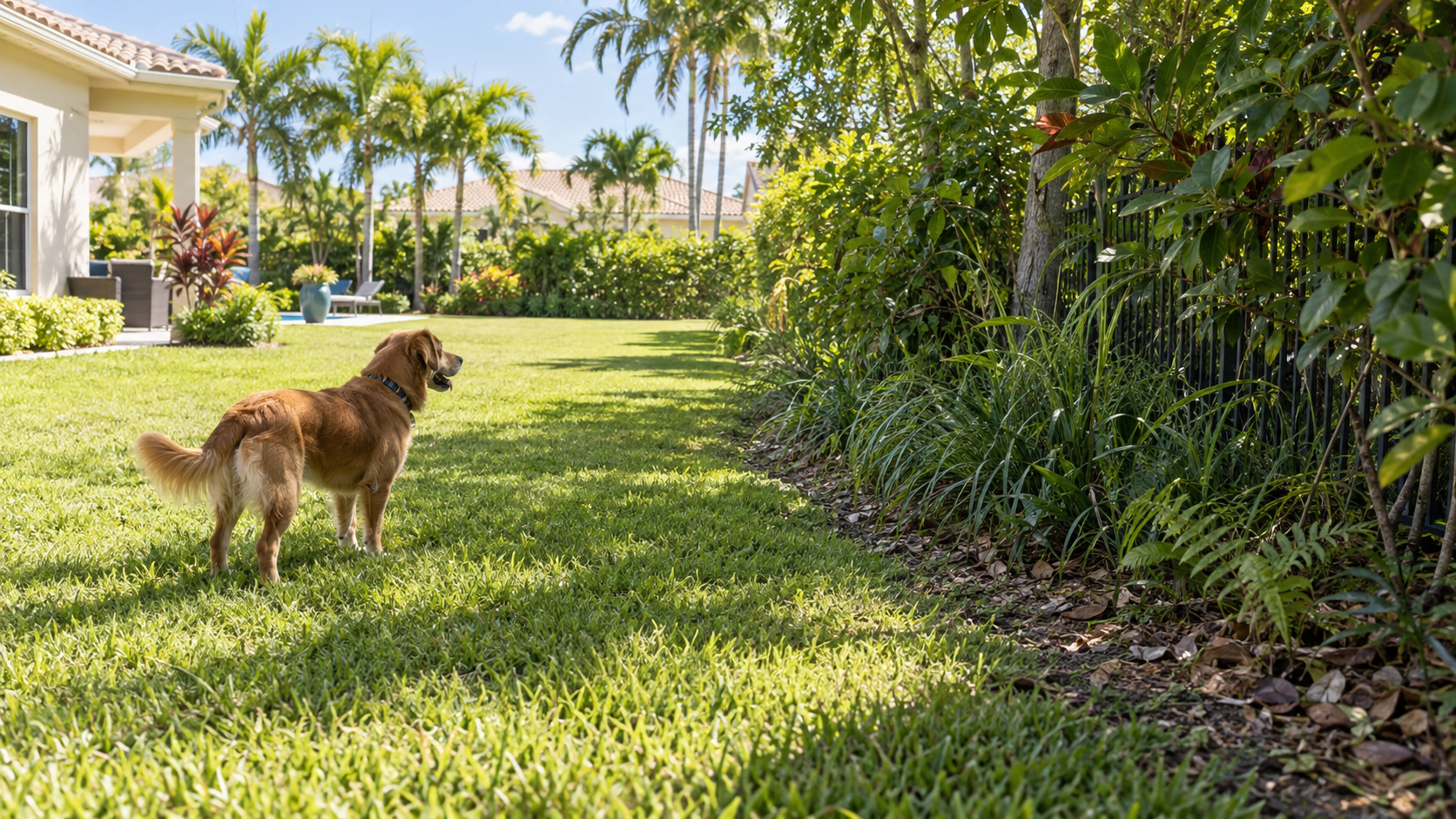
Ticks can be found in shaded, sheltered parts of a yard, especially where tall grass, dense plants, brush, or fallen leaves meet the areas people and animals use. You may find one after your dog walks along an overgrown fence line or after you work near shrubs, even if the open lawn looks well maintained. Pets and wildlife can carry ticks onto a property, so finding one does not always mean it came from your yard.
If you have found a tick, the most useful next step is to check where your family and pets spend time and look for conditions you can improve. This guide walks you through likely hiding places, how to inspect your yard, ways to reduce tick activity, and when professional flea and tick control may be worth considering. Professional Pestguard serves homeowners in Weston and across South Florida.
Why Are Ticks More Common in Some Parts of Your Yard?
Your yard does not offer the same conditions everywhere. An open, regularly mowed lawn is different from a shaded fence line with tall plants and fallen leaves. Ticks are more likely to be encountered in covered vegetation and along the routes animals use, so the places you walk, garden, or let your dog explore deserve a closer look.
Conditions to Look for Around Your Property
- Overgrown lawn edges: Grass and brush along fences or property lines may receive less attention than the center of your lawn. Check these edges, especially where your family or pets pass close to the plants.
- Leaves beneath shrubs: Fallen leaves can collect in shaded planting beds even when the rest of your yard looks tidy. Look around the base of shrubs and along garden borders.
- Wooded or natural borders: If your property meets dense vegetation, check the transition between that area and the maintained lawn.
- Paths used by animals: Notice where your dog regularly walks and where wildlife enters or crosses the yard. Animals can carry ticks between areas.
You do not need to assume every shaded spot has ticks. Identifying where vegetation and animal activity overlap gives you a more useful starting point. The next section explains how pets and wildlife can affect tick activity around your home.
How Can Pets and Wildlife Bring Ticks Into Your Yard?
A tick on your dog does not necessarily mean it came from your property. Your pet may have picked it up during a walk, then carried it home. Wildlife can also move through neighboring yards and natural areas with ticks attached. That is why it helps to consider where animals travel, alongside the condition of your lawn and landscaping.
Animal Activity to Notice Around Your Home
- Your pet’s daily routine: Think about where your dog goes both at home and away from home. If you find a tick after a walk, note whether the route included tall grass or brush. Check your pet after outdoor activity and ask your veterinarian about appropriate tick prevention.
- Wildlife crossing the property: Look for routes along fences, beneath shrubs, or between your yard and nearby vegetation. You may not see an animal every time it passes through, but repeated activity can help explain why ticks continue to appear.
- Places animals rest: Pay attention to sheltered areas where your pet spends time, particularly when those areas sit beside dense plants or fallen leaves.
- Where you repeatedly find ticks: Keep a brief record of whether ticks turn up on a pet, on clothing, or after time in a particular outdoor area. A pattern gives you more to work with than a single sighting.
You cannot always determine exactly where a tick was picked up. By paying attention to animal routes and recurring sightings, though, you can make a more informed check of your property. Next, we’ll walk through how to inspect the yard for areas that may need attention.
How Can You Check Your Yard for Tick Activity?
If you find a tick, you may be tempted to search the entire lawn. A more useful approach is to start where you, your family, and your pets actually spend time, then follow the paths they take through the yard. You may not see ticks during an inspection, but you can identify vegetation and animal routes that deserve closer attention.
A Practical Walk-Through of Your Property
- Start at the door your family uses most: Follow the route to the patio, play area, garden, or other outdoor space you visit regularly. Notice whether anyone has to brush against tall grass or plants along the way.
- Follow your pet’s usual path: Look at the places your dog explores, rests, or passes through to reach the yard. Include the fence line and any shrubs your pet walks beneath.
- Check the edges of the lawn: Look for fallen leaves, thick brush, and overgrown grass where your maintained lawn meets neighboring vegetation.
- Think about recent sightings: If you have found more than one tick, note when and where each was found. Include walks and other places your pet visited, since a tick found at home may have been picked up elsewhere.
Focus on what you can observe rather than trying to prove that a particular patch of grass contains ticks. Once you know which areas have dense cover or frequent animal traffic, you can decide where to begin your prevention efforts.
How Can You Reduce Tick Activity in Your Yard?
You can make your yard less favorable to ticks by reducing the dense, sheltered vegetation around the areas you use most. Start with manageable changes along paths, lawn edges, and places your pet visits regularly. Yard work is only one part of prevention, since pets and wildlife can continue to bring ticks onto a property.
Tick Prevention Steps You Can Take at Home
- Mow regularly, including the edges: Do not stop at the open center of the lawn. Check for taller grass along fences, walkways, and the border of planted areas.
- Remove accumulated leaves: Clear leaf litter beneath shrubs and around outdoor spaces your family uses. Revisit these areas as leaves build up again.
- Trim brush back from paths: If you or your pet brush against plants while moving through the yard, create more room along that route.
- Pay attention to natural borders: Where your lawn meets wooded or overgrown land, keep the edge maintained and watch for animal traffic.
- Check and protect your pets: Examine pets for ticks after outdoor activity, including walks away from home. Your veterinarian can recommend an appropriate prevention product.
These steps can reduce the conditions associated with tick encounters, but they cannot guarantee that you will never find a tick. If you continue to see activity after maintaining the yard and protecting your pets, the next step is to consider what your routine can address and where you may need additional help.
Is Yard Maintenance Enough to Prevent Ticks?
Maintaining your yard can reduce the sheltered places where you may encounter ticks. It cannot control every source of tick activity, particularly when your dog visits other outdoor areas or wildlife moves through the property. If you continue finding ticks after clearing overgrown areas, that does not mean the yard work was wasted. It means you may need to look at the wider picture: where ticks are turning up, where animals have been, and whether the sightings are continuing.
What to Do After You Have Cleared the Yard
- Keep up with the changes you made: Grass, brush, and fallen leaves return. Check the same lawn edges and planted areas regularly rather than treating cleanup as a one-time task.
- Continue checking your pets: A maintained yard cannot prevent a dog from picking up a tick elsewhere. Follow your veterinarian’s prevention advice and check your pet after outdoor activity.
- Watch for a pattern: One tick may have arrived from another location. Repeated sightings can help you decide which parts of your routine or property need a closer look.
- Consider help if activity continues: Professional Pestguard offers residential flea and tick control for homeowners who need help assessing and addressing ongoing activity.
You do not have to decide based on a single sighting. If ticks keep appearing, the next section will help you understand when to contact a pest control professional and what information to share.
When Should You Call for Professional Tick Control?
Finding one tick does not necessarily mean you need yard treatment. If ticks keep appearing on family members or pets, especially after you have addressed overgrown areas and followed your veterinarian’s prevention advice, it is reasonable to ask for an assessment. You do not have to identify the exact source before calling. The details you have noticed can help a pest control professional understand where to start.
Signs That Your Yard May Need a Closer Look
- You find ticks repeatedly: Keep track of when you find them and whether they appear on a person, a pet, or clothing after outdoor activity.
- Sightings follow time in the same area: If ticks turn up after using a particular path or part of the yard, mention that location when you call.
- Your property borders dense vegetation: Wooded edges and neighboring overgrowth can make it harder to manage conditions using your own yard maintenance alone.
- You are unsure what pest you have found: Fleas and ticks require different approaches. If possible, take a clear photo or save the specimen so it can be identified.
Professional Pestguard has served South Florida for over 40 years. When you reach out, tell the team where ticks have appeared, whether pets use those areas, and which prevention steps you have already tried. The next section explains what to discuss before treatment so you can decide whether flea and tick control is the right next step for your home.
What Should You Expect From Professional Flea and Tick Control?
If you are considering treatment, you should understand what the visit is meant to address and what you will need to do afterward. Tell the team where you have found ticks, which areas your family and pets use, and whether sightings have continued despite yard maintenance. Those details help guide a conversation about the property and an appropriate treatment plan. Professional Pestguard’s flea and tick control preparation guide explains how to prepare and what to expect after service.
Questions to Ask Before Your Appointment
- Which areas need attention? Point out shaded borders, pet routes, and any location where you have repeatedly found ticks. Ask how those observations affect the proposed service.
- What should you do before treatment? Confirm whether you need to move items, provide access to particular areas, or make other preparations.
- When can your family and pets use the area again? Follow the instructions given for the specific treatment used at your property.
- What should you continue doing afterward? Ask which yard maintenance and pet prevention steps will help you manage future exposure. Your veterinarian should remain your source for choosing a tick prevention product for your pet.
Treatment decisions should make sense for your property and the activity you have observed. With a clear understanding of the plan and your role afterward, you can decide what help you need. The next section answers a few common questions that may still be on your mind.
Frequently Asked Questions About Ticks in South Florida Yards
Homeowners often want to know whether finding a tick means there is a larger yard problem and which prevention steps are worth taking first. These answers address the questions most closely related to tick activity around South Florida homes.
Can ticks be found in a well-maintained yard?
Yes. Keeping your grass mowed and clearing overgrown vegetation can reduce tick habitat, but pets and wildlife may still carry ticks onto your property. If you find one, think about where you and your pets have recently spent time, both in your yard and elsewhere.
Are ticks only a concern during summer in Florida?
No. Ticks can remain active through much of the year in Florida, so it helps to keep up with pet checks and yard maintenance beyond summer. Pay particular attention after your family or pets spend time near brush, tall grass, or wooded areas.
Does finding one tick mean my yard is infested?
No. A single tick may have arrived on a pet, a person, or a wild animal. Check your pets and the places you have recently visited, then watch for additional sightings. If you repeatedly find ticks after spending time in the same part of your yard, that pattern is worth discussing with a pest control professional.
Will mowing my lawn get rid of ticks?
Mowing helps reduce tall grass, but it does not address every sheltered area. Fallen leaves beneath shrubs, brush along a fence, and vegetation at the edge of your property also deserve attention. Maintain those areas regularly and continue checking your pets after outdoor activity.
What should I do if my dog keeps bringing ticks inside?
Check your dog for ticks after outdoor activity and speak with your veterinarian about an appropriate prevention product. Consider where your dog has been, including walks away from home, before assuming the ticks came from your yard. If you continue finding them, note when they appear and which outdoor areas your dog has used.
What should I expect if I schedule professional tick control?
What should I expect if I schedule professional tick control?
Be ready to describe where and when you have found ticks, whether you have pets, and which parts of your yard you use most. Ask what preparation is needed, which areas the proposed service will address, and when your family and pets can use those areas afterward. You can review Professional Pestguard’s flea and tick control preparation guide before your appointment.
Take the Next Step Toward Fewer Ticks in Your Yard
You do not have to know exactly where a tick came from to take useful action. Start by checking the places your family and pets use, maintaining overgrown edges and leaf-covered areas, and keeping up with your pet’s tick prevention. If you continue finding ticks, the pattern you have noticed can help you decide whether your yard needs a professional assessment.
What to Have Ready When You Call
- Where you found ticks: Note whether they were on a person, a pet, or clothing after outdoor activity.
- When sightings happened: Repeated sightings and their timing provide more context than a single tick.
- Which areas concern you: Mention pet routes, shaded lawn edges, brush, and nearby natural areas.
- What you have already done: Share any yard maintenance or prevention steps you have taken.
If you’re looking for flea and tick control in Weston or surrounding South Florida areas, Professional Pestguard is here to help. With over 40 years of pest control experience, we can discuss the tick activity you’ve noticed and the next steps for your property. Call us at (954) 389-6107 or fill out our online form to request a free estimate.
About Professional Pestguard
Professional Pestguard provides professional pest control in Weston, FL and nearby communities including Davie, Sunrise, Pembroke Pines, and Plantation. With over 40 years of experience, our licensed technicians protect homes and businesses across Broward County and Miami-Dade County from ants, cockroaches, rodents, spiders, and other common South Florida pests using safe and effective treatments.