
Why Silverfish Keep Appearing in Closets, Bathrooms, and Laundry Rooms
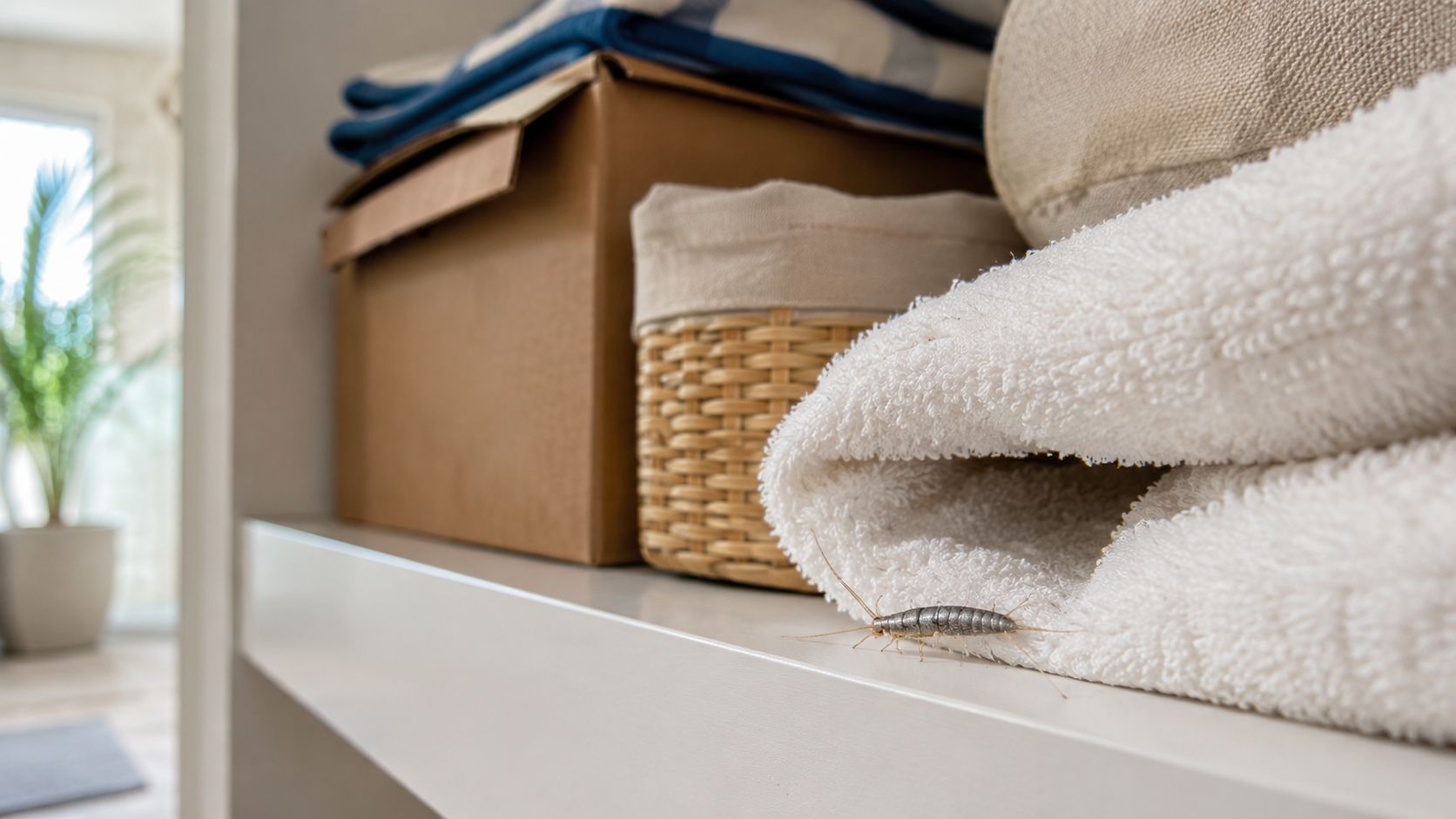
Finding a silverfish once may seem random. Finding them repeatedly in your bathroom, closet, or laundry room usually isn't. These areas often combine the exact conditions silverfish prefer: moisture, darkness, limited disturbance, and easy access to paper products, cardboard, fabrics, and other materials they can feed on or hide around.
For South Florida homeowners, high humidity can make these rooms especially attractive year-round. In this guide, we'll look specifically at why silverfish keep returning to closets, bathrooms, and laundry rooms, what may be hiding behind those repeated sightings, and how addressing moisture and hidden harborage can help reduce the problem without simply treating the insects you happen to see.
Why Silverfish Keep Showing Up in the Same Rooms
Silverfish are not usually wandering randomly through the home. Repeated sightings in bathrooms, closets, and laundry rooms often point to a combination of moisture, darkness, stored materials, and quiet hiding places that allow them to remain active without being disturbed.
These rooms are especially attractive because they often provide both the humidity silverfish prefer and the materials they use for food or shelter.
What Makes These Areas So Attractive to Silverfish?
- High Humidity and Moisture
Bathrooms and laundry rooms naturally hold more moisture than many other parts of the home. Steam, damp towels, condensation, and small plumbing leaks can create the humid conditions silverfish prefer. - Dark, Undisturbed Spaces
Silverfish are nocturnal and tend to avoid bright, busy areas. Closets, cabinet interiors, spaces beneath shelving, and areas behind appliances give them quiet places to hide during the day. - Paper and Cardboard Products
Books, cardboard boxes, paper bags, stored documents, and packaging materials can provide both food and shelter. Closets and laundry rooms often contain more of these materials than homeowners realize. - Fabrics and Stored Clothing
Silverfish may be attracted to certain natural fibers, starches, adhesives, and residues found on stored fabrics. Clothing that remains undisturbed for long periods can also create protected hiding areas. - Small Structural Gaps
Cracks around baseboards, cabinets, plumbing penetrations, and wall voids can give silverfish hidden pathways between rooms while keeping them out of sight. - Limited Airflow
Poor ventilation can allow humidity to remain trapped in closets, bathrooms, and laundry rooms, creating conditions that support recurring silverfish activity.
If silverfish continue appearing in the same rooms, the real issue may be the conditions behind the sightings rather than the individual insects themselves. Addressing moisture, storage practices, and hidden harborage is an important part of long-term Residential Pest Control.
For a broader look at why these pests are so common throughout the region, you can also read Why Silverfish Are Common in South Florida Homes.
Why Bathrooms Are a Common Silverfish Hotspot
Bathrooms are one of the most common places homeowners notice silverfish because they naturally combine moisture, warmth, darkness, and plenty of small hiding spaces. Even when the room looks clean, humidity can remain trapped behind cabinets, around plumbing, beneath vanities, and along baseboards.
Common Bathroom Conditions That Attract Silverfish
- Steam and High Humidity
Showers and baths can leave moisture lingering in the air, especially in bathrooms with limited ventilation. - Leaking Plumbing
Slow leaks beneath sinks, around toilets, or behind walls can create damp areas that stay hidden for long periods. - Damp Towels and Bath Mats
Fabrics that remain wet or humid can increase moisture levels and create protected areas near the floor. - Cabinets and Vanity Gaps
Silverfish can hide beneath vanities, behind cabinets, and inside small gaps around plumbing penetrations. - Paper Products
Toilet paper, tissue boxes, cardboard packaging, and stored paper goods can provide food sources and shelter. - Poor Ventilation
Bathrooms without strong airflow may stay humid longer, making them more favorable for recurring silverfish activity.
If you keep finding silverfish in the bathroom, improving ventilation and addressing hidden moisture sources can help make the area less attractive. Persistent activity may also indicate that silverfish are hiding inside wall voids, cabinets, or nearby rooms rather than only in the bathroom itself.
For broader prevention and treatment support, professional Residential Pest Control can help identify the conditions allowing silverfish and other household pests to remain active.
Why Silverfish Show Up in Closets
Closets can be especially attractive to silverfish because they are dark, quiet, and often packed with materials that remain undisturbed for long periods. In South Florida, humidity can also build up inside enclosed storage spaces, creating favorable conditions even when the rest of the home feels dry.
Common Closet Conditions That Attract Silverfish
- Stored Clothing and Fabrics
Silverfish may feed on starches, adhesives, and natural fibers associated with certain fabrics and stored clothing, especially when items remain untouched for long periods. - Cardboard Storage Boxes
Boxes can provide both shelter and a food source, making closets with heavy cardboard storage more attractive to silverfish. - Books, Paper, and Documents
Paper products contain starches and adhesives that silverfish can feed on, particularly in humid environments. - Limited Airflow
Closets often have poor ventilation, which can trap humidity and make the space more comfortable for moisture-loving pests. - Baseboard and Wall Gaps
Small cracks around baseboards, shelving, and wall edges can give silverfish hidden places to rest and travel. - Long-Term Storage Areas
Items that are rarely moved can create secluded harborages where silverfish remain unnoticed until they begin appearing in more visible areas.
If you're finding silverfish in closets, the issue may be a combination of humidity, storage materials, and hidden access points rather than a single source. Reducing clutter, improving airflow, and limiting cardboard and paper storage can help make the area less favorable.
Persistent silverfish activity may also point to conditions elsewhere in the home, so professional Residential Pest Control can help identify whether the problem extends beyond the closet itself.
Why Laundry Rooms Can Attract Silverfish
Laundry rooms can create ideal conditions for silverfish because they often combine moisture, warmth, fabrics, cardboard, and limited airflow in one compact space. Even when the room appears clean, humidity from washing machines, damp clothing, and plumbing can linger around walls, cabinets, and appliances.
Common Laundry Room Conditions That Attract Silverfish
- Moisture Around Washing Machines
Small leaks, condensation, or damp flooring around washing machines can create humid conditions that silverfish prefer. - Damp Clothing and Towels
Laundry left sitting in baskets or hampers can hold moisture and create protected areas where silverfish may hide. - Cardboard and Detergent Packaging
Boxes, paper packaging, and stored household supplies can provide both shelter and materials silverfish may feed on. - Fabric Storage
Linens, towels, cleaning cloths, and other textiles stored for long periods can create quiet hiding areas. - Gaps Behind Appliances
Spaces behind washers, dryers, cabinets, and utility connections are rarely disturbed and can serve as hidden harborages. - Poor Ventilation
Laundry rooms with limited airflow can stay humid longer, especially after repeated wash cycles. - Plumbing and Utility Openings
Small gaps around pipes and utility lines can allow silverfish to move between wall voids, cabinets, and nearby rooms.
If silverfish keep appearing in the laundry room, it may be a sign that moisture and hidden harborage are allowing them to remain active nearby. Addressing humidity, storage, and overlooked gaps can help reduce the conditions that support recurring activity.
Professional Residential Pest Control can also help identify whether silverfish are limited to the laundry area or moving through other hidden spaces in the home.
Why Silverfish Keep Coming Back
Seeing one or two silverfish does not always mean the problem is isolated. These pests spend much of their time hidden in cracks, wall voids, cabinets, storage areas, and other protected spaces, so eliminating the insects you happen to see may not address the conditions allowing them to remain in the home.
Recurring silverfish activity usually points to a combination of moisture, available food sources, and hidden harborage that has not been corrected.
Common Reasons Silverfish Activity Continues
- Hidden Moisture Sources
Slow plumbing leaks, condensation, poor ventilation, and elevated indoor humidity can create favorable conditions even when there is no obvious standing water. - Wall Voids and Structural Gaps
Silverfish can remain hidden behind baseboards, inside wall voids, beneath cabinets, and around plumbing penetrations where they are rarely disturbed. - Paper and Cardboard Storage
Books, documents, cardboard boxes, and paper packaging can provide both food and shelter, allowing silverfish to remain established in closets and storage spaces. - Stored Fabrics and Linens
Clothing, towels, bedding, and other fabrics that remain undisturbed can create protected hiding areas, particularly in humid rooms. - Cluttered Storage Areas
Closets, cabinets, and laundry rooms filled with boxes or rarely moved belongings make it harder to identify where silverfish are hiding. - Activity Extending Into Multiple Rooms
Silverfish may travel through wall voids and small structural openings, so repeated sightings in bathrooms, closets, and laundry rooms may actually be connected to the same underlying conditions. - Treating Only Visible Silverfish
Removing individual insects does not address hidden harborage, moisture, or other conditions that may be supporting ongoing activity.
Long-term silverfish control requires looking beyond the insects you can see and identifying the environmental conditions that are allowing them to thrive. If silverfish continue appearing throughout your home, professional Residential Pest Control can help evaluate the affected areas and determine whether additional pest activity is hidden nearby.
How to Help Prevent Silverfish in Your Home
Silverfish prevention is most effective when homeowners focus on the conditions that attract them rather than only the insects they can see. Reducing moisture, limiting paper and cardboard storage, and improving airflow can make bathrooms, closets, and laundry rooms less inviting.
Ways to Reduce Silverfish Activity
- Lower Indoor Humidity
Use exhaust fans in bathrooms and laundry rooms, improve ventilation, and address areas where moisture tends to linger. - Repair Plumbing Leaks
Small leaks beneath sinks, behind appliances, or around utility connections can create the damp conditions silverfish prefer. - Reduce Cardboard Storage
Replace cardboard boxes with sealed plastic storage containers when possible, especially in closets and laundry areas. - Store Paper Products Carefully
Keep books, documents, and paper goods in dry areas away from damp walls, floors, or plumbing. - Improve Closet Airflow
Avoid overpacking closets and allow space for air to circulate around stored clothing and linens. - Keep Fabrics Dry
Avoid leaving damp towels, laundry, or clothing sitting for long periods in hampers or storage areas. - Seal Small Gaps and Cracks
Openings around baseboards, cabinets, plumbing penetrations, and wall edges can provide hidden harborage and travel routes. - Inspect Quiet Storage Areas Regularly
Move stored items occasionally and check behind boxes, shelving, and appliances for signs of activity.
These steps can help make your home less attractive to silverfish, but recurring activity may indicate hidden moisture or harborage that is difficult to identify without a closer inspection. Professional Residential Pest Control can help evaluate the affected areas and recommend a broader pest management approach if silverfish continue appearing.
When to Consider Professional Silverfish Control
Occasional silverfish sightings may be easy to overlook, but repeated activity in bathrooms, closets, laundry rooms, or multiple areas of the home can indicate that favorable conditions are allowing them to remain established. Because silverfish hide in cracks, wall voids, cabinets, and storage areas, the visible insects may represent only part of the problem.
Signs It May Be Time to Call a Professional
- Silverfish Keep Appearing in the Same Rooms
Repeated sightings in bathrooms, closets, or laundry areas may indicate hidden harborage or moisture that has not been addressed. - You’re Finding Silverfish in Multiple Areas
Activity spreading beyond one room can suggest silverfish are traveling through wall voids, baseboards, or other concealed spaces. - Moisture Problems Are Difficult to Locate
Hidden plumbing leaks, condensation, or trapped humidity may be contributing to activity even when the source is not immediately visible. - Paper, Cardboard, or Fabrics Show Damage
Silverfish may feed on starches, adhesives, paper products, and certain fabrics, so damage to stored items can be a sign of an established problem. - Home Prevention Efforts Haven’t Reduced Activity
If ventilation improvements, storage changes, and moisture control have not made a noticeable difference, a broader inspection may be needed. - You’re Unsure Whether Silverfish Are the Only Pest Present
Some household pests hide in similar areas, making professional identification helpful when activity continues.
Professional Residential Pest Control can help evaluate the areas where silverfish are appearing, identify contributing conditions, and determine whether treatment is needed to reduce ongoing activity throughout the home.
Frequently Asked Questions About Silverfish
Silverfish can be difficult to understand because they often appear in damp, hidden areas of the home. These common questions explain why silverfish show up, what conditions attract them, and when professional pest control may be helpful.
Why do silverfish keep appearing in my bathroom?
Bathrooms provide silverfish with humidity, warmth, and dark hiding places. Steam from showers, damp towels, plumbing leaks, and poor ventilation can create the moist conditions they prefer.
Why am I finding silverfish in my closet?
Closets are dark, quiet, and often contain cardboard boxes, paper products, books, and stored fabrics. In South Florida, trapped humidity can make these spaces even more attractive to silverfish.
Do silverfish damage clothing?
Silverfish may feed on starches, adhesives, and certain natural fibers, especially when fabrics remain stored and undisturbed. They may also damage paper, books, wallpaper, and cardboard.
Are silverfish a sign of moisture problems?
Repeated silverfish activity can sometimes point to elevated humidity, condensation, poor ventilation, or hidden plumbing leaks. Their presence does not automatically mean there is a major moisture issue, but recurring sightings are worth investigating.
Can silverfish live inside walls?
Yes. Silverfish can hide inside wall voids, behind baseboards, beneath cabinets, and around plumbing penetrations. These concealed spaces allow them to remain hidden during the day and move between rooms.
Why do silverfish keep coming back after I remove them?
Removing visible silverfish does not address the moisture, food sources, and hidden harborage that may be supporting the activity. If those conditions remain, sightings can continue.
How can I help prevent silverfish in my home?
Reducing humidity, repairing leaks, improving airflow, limiting cardboard storage, keeping fabrics dry, and sealing small gaps can all help make the home less attractive to silverfish.
When should I call pest control for silverfish?
If silverfish continue appearing in multiple rooms, damage stored materials, or remain active despite moisture and storage improvements, professional Residential Pest Control can help evaluate the affected areas and determine the next steps.
Key Takeaways
Silverfish are often found in bathrooms, closets, and laundry rooms because these spaces combine moisture, darkness, stored materials, and hidden harborage. Repeated sightings usually point to favorable conditions in the home rather than random activity.
Here's what to remember:
- Bathrooms attract silverfish because of humidity and moisture, especially around showers, plumbing, cabinets, and poorly ventilated areas.
- Closets provide dark, quiet hiding spaces along with cardboard, paper products, books, and stored fabrics.
- Laundry rooms can hold moisture and warmth around washing machines, damp clothing, plumbing, and utility connections.
- Silverfish may feed on starches, adhesives, paper products, and certain fabrics, which makes stored household items especially attractive.
- Hidden gaps and wall voids allow silverfish to move between rooms without being seen.
- Recurring activity often means moisture or harborage conditions are still present, even if visible silverfish are removed.
- Reducing humidity, improving airflow, repairing leaks, and limiting cardboard storage can help make the home less attractive to silverfish.
- Professional Residential Pest Control can help identify contributing conditions and determine whether additional treatment is needed when silverfish continue appearing.
Conclusion
Silverfish may be small, but repeated sightings in bathrooms, closets, and laundry rooms usually mean the conditions inside your home are giving them exactly what they need. Moisture, cardboard, paper products, stored fabrics, and quiet hiding places can all contribute to ongoing activity.
Addressing those conditions can make your home less attractive to silverfish, but persistent sightings may point to hidden harborage or moisture that is difficult to locate without a closer inspection.
Tired of Seeing Silverfish Around Your Home?
Professional Pestguard provides dependable Residential Pest Control throughout Weston, Fort Lauderdale, Pembroke Pines, Davie, Plantation, Sunrise, Miami, Aventura, and surrounding South Florida communities.
Our experienced technicians can inspect the areas where silverfish are appearing, identify contributing conditions, and recommend a treatment plan designed to help reduce recurring pest activity.
Contact Professional Pestguard today to schedule a residential pest inspection and learn how our pest control services can help keep your home more comfortable and protected.
About Professional Pestguard
Professional Pestguard provides professional pest control in Weston, FL and nearby communities including Davie, Sunrise, Pembroke Pines, and Plantation. With over 40 years of experience, our licensed technicians protect homes and businesses across Broward County and Miami-Dade County from ants, cockroaches, rodents, spiders, and other common South Florida pests using safe and effective treatments.