Are You Accidentally Attracting Pests Into Your Home?
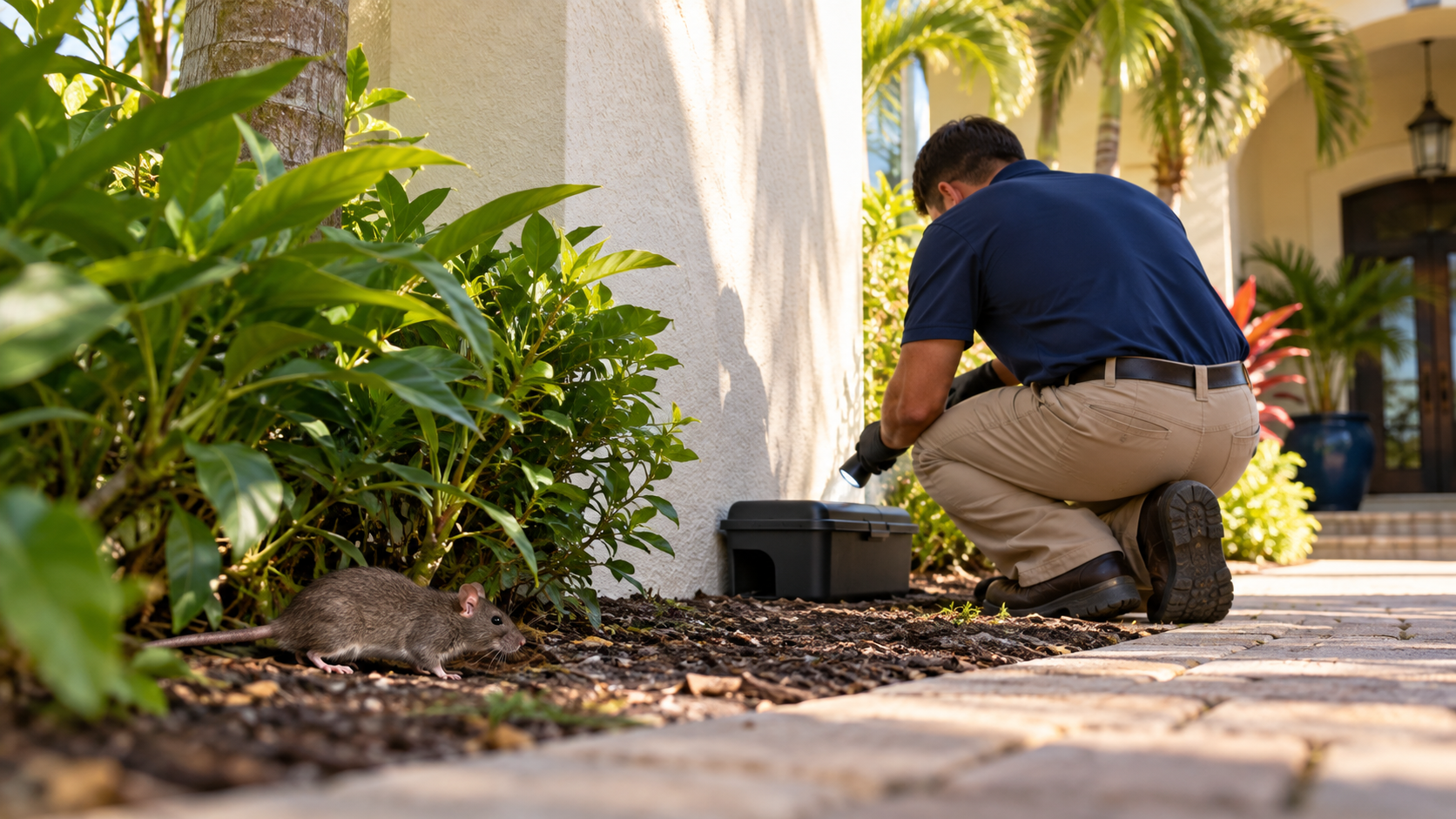
Many homeowners assume pest infestations happen because a home is dirty or poorly maintained. In reality, pests are often attracted to conditions that most homeowners never think about. Small amounts of moisture, hidden food sources, landscaping choices, and everyday habits can all make a property more appealing to ants, cockroaches, rodents, spiders, and other common household pests.
Throughout Weston, Davie, Pembroke Pines, Sunrise, and other South Florida communities, warm temperatures and year-round humidity create ideal conditions for pest activity. Unlike colder parts of the country where pest activity slows during winter, many pests remain active throughout every season in South Florida. Even well-maintained homes can unknowingly provide the food, water, and shelter pests need to survive.
Many homeowners searching for residential pest control are surprised to learn that recurring pest problems often begin with conditions around the home rather than the pests themselves. Understanding what attracts pests is one of the most effective pest prevention tips homeowners can follow. In many cases, infestations can be avoided by correcting the conditions that attract pests before they become larger, more expensive, and more difficult to eliminate.
Food Sources That Attract Pests Indoors
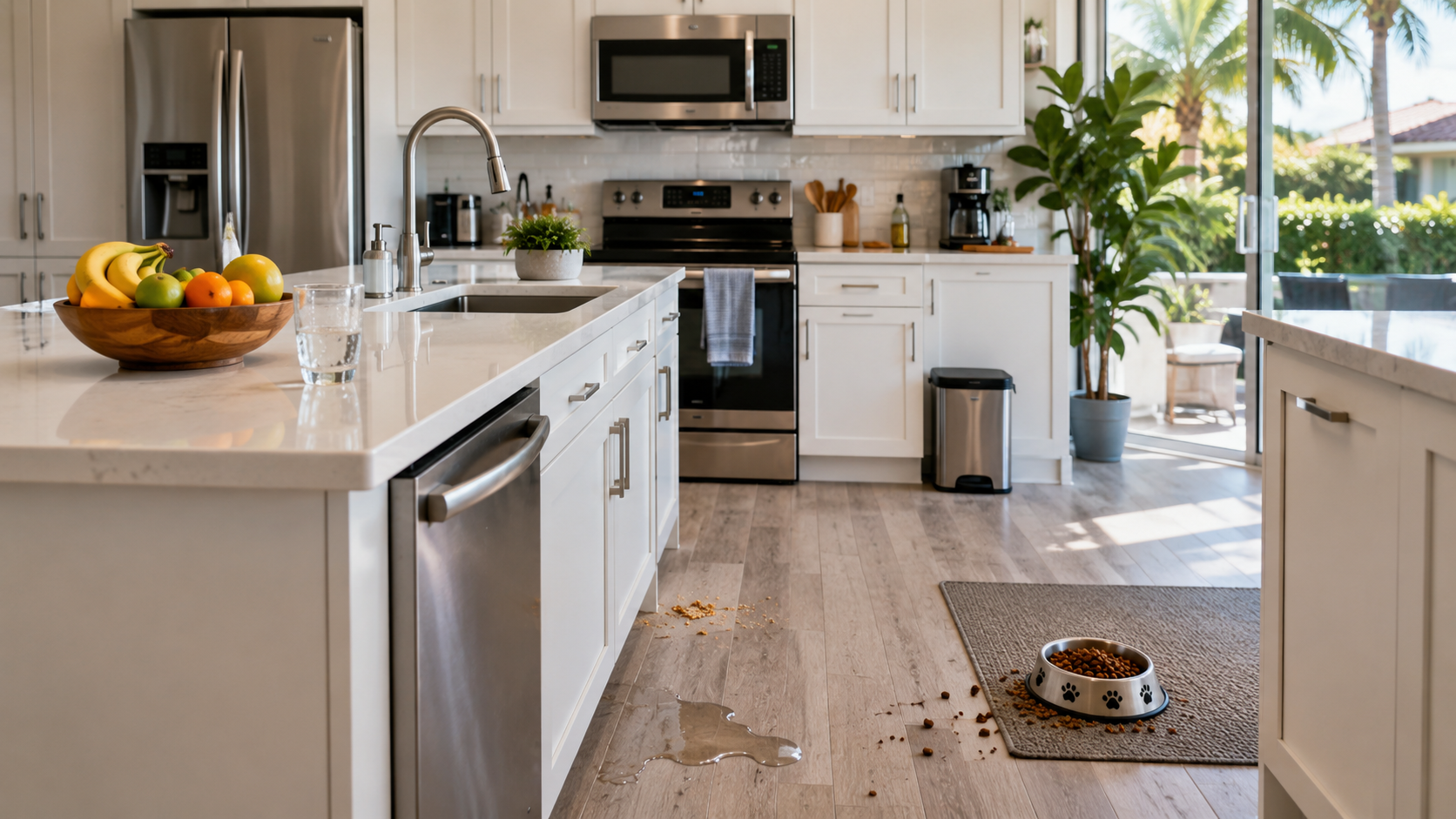
Food is one of the primary reasons pests move indoors. While most homeowners clean regularly, pests often find food sources hidden in places that are easily overlooked.
Even a few crumbs or food residues can support ongoing pest activity.
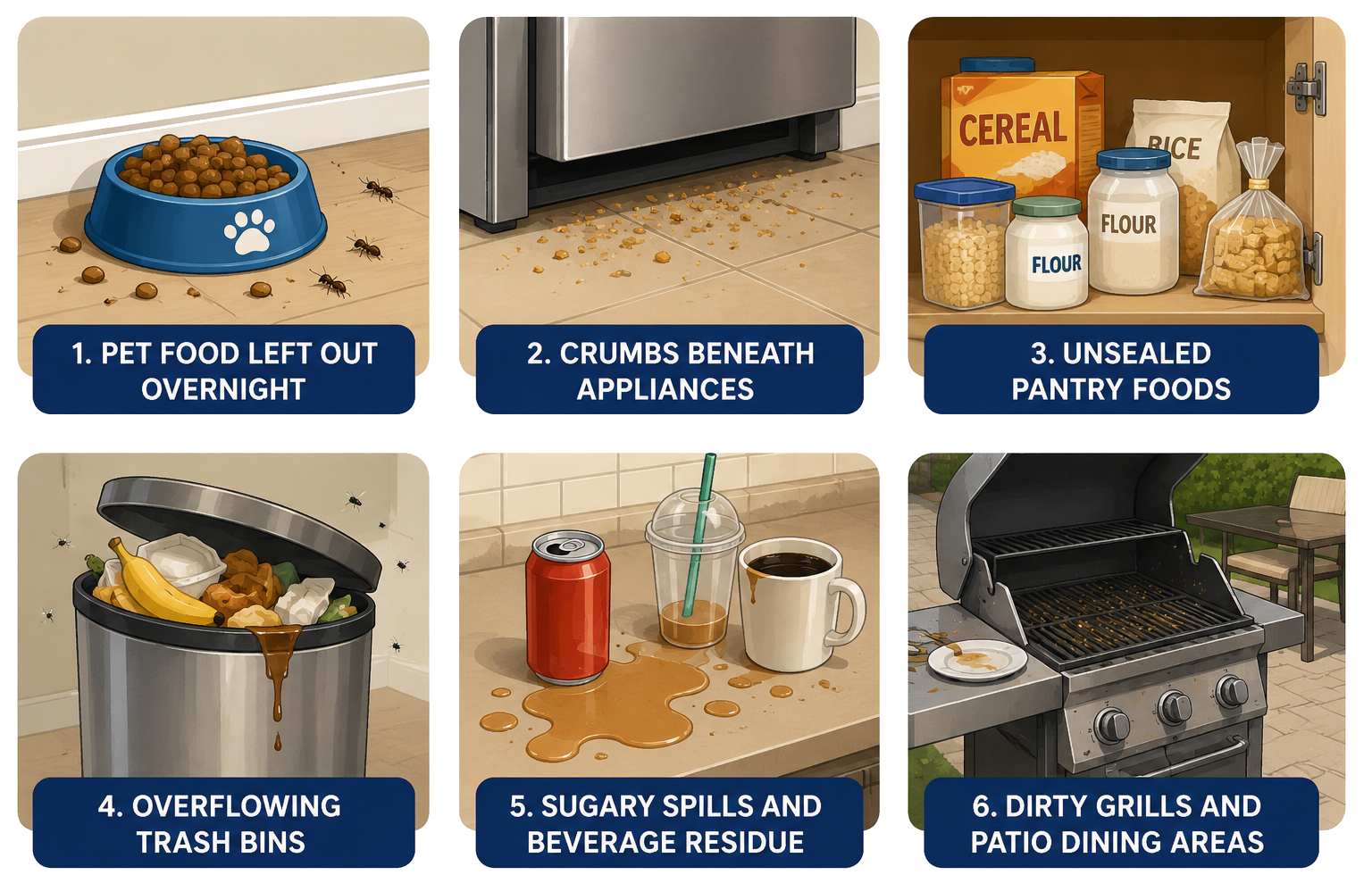
Common Food Sources That Attract Pests
- Pet Food Left Out Overnight
Ants, cockroaches, and rodents are frequently attracted to pet food bowls left out for extended periods. Dry kibble contains proteins and fats that many pests readily consume. Even if the rest of the home is clean, pet feeding stations can become one of the most reliable food sources available to pests. - Crumbs Beneath Appliances
Areas beneath stoves, refrigerators, dishwashers, and kitchen islands often collect food debris that homeowners rarely see. These hidden crumbs can support pest activity for weeks or months before visible signs appear. Ants and cockroaches are particularly skilled at locating food in these hard-to-reach areas. - Unsealed Pantry Foods
Foods such as cereal, rice, flour, sugar, crackers, and pet treats can attract pests when stored in loosely sealed packaging. Small openings in bags and boxes allow pests to access food while remaining hidden. Proper storage containers can significantly reduce the risk of pantry-related pest activity. - Overflowing Trash Bins
Garbage containers containing food scraps, beverage residue, and packaging odors can attract pests both indoors and outdoors. During South Florida's warmer months, food waste breaks down more quickly, producing odors that attract insects and rodents from surrounding areas. - Sugary Spills And Beverage Residue
Small amounts of soda, juice, coffee creamer, syrup, or sports drinks can attract ants within a short period of time. Because these spills often occur near baseboards, cabinets, and appliances, homeowners may not notice them until pest activity develops. - Dirty Outdoor Grills And Patio Dining Areas
Outdoor kitchens, grills, and patio dining spaces are common throughout Weston, Davie, Pembroke Pines, and Sunrise. Grease buildup, food residue, and dropped food around these areas can attract pests close to the home. Once pests establish activity outdoors, moving indoors often becomes much easier.
Food sources often allow pests to establish themselves before homeowners realize there is a problem. Reducing access to food can significantly decrease pest activity throughout the home.
Moisture Problems That Draw Pests Inside
While food often gets the most attention, water is just as important to many pests. Throughout South Florida, moisture-related issues frequently contribute to ant, cockroach, and rodent activity around homes.
Many pest infestations begin near hidden water sources that homeowners rarely notice. Small leaks, excess humidity, and standing water can provide the moisture pests need to survive and remain active year-round.
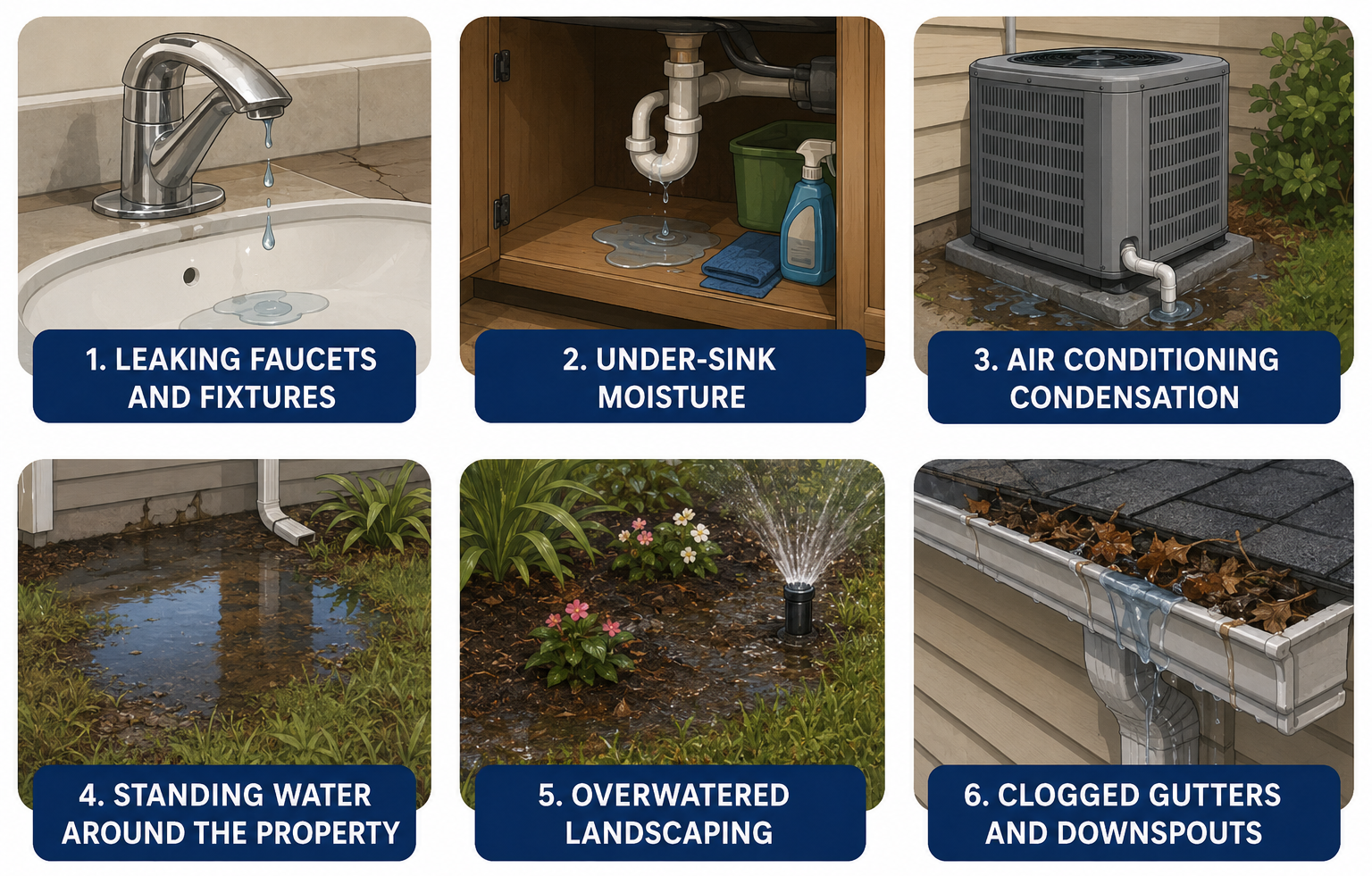
Common Moisture Sources That Attract Pests
- Leaking Faucets And Fixtures
Even a slow drip from a kitchen faucet, bathroom sink, or outdoor spigot can provide a reliable water source for pests. Ants, cockroaches, and rodents need water to survive, and many infestations begin when pests discover consistent moisture around the home. - Under-Sink Moisture
Small plumbing leaks beneath kitchen and bathroom sinks often go unnoticed for weeks or months. These dark, humid spaces create ideal conditions for pests looking for shelter and moisture. Many homeowners who require cockroach control services discover that under-sink leaks are contributing to recurring activity. - Air Conditioning Condensation
South Florida's heat and humidity force air conditioning systems to work hard throughout the year. Condensation around drain lines, air handlers, and AC equipment can create moisture buildup that attracts pests, particularly during the hottest months of the year. - Standing Water Around The Property
Areas where water collects after heavy rain can increase pest pressure around the home. This is especially common in Weston, Davie, and Pembroke Pines during South Florida's rainy season. Standing water creates favorable conditions for many insects and can encourage pests to move closer to the structure. - Overwatered Landscaping
Excessively wet mulch beds, flower beds, and landscaping areas can create ideal nesting conditions for ants and other pests. Many homeowners seeking ant control services are surprised to learn that irrigation systems and overwatered landscaping may be contributing to recurring ant activity around the property. - Clogged Gutters And Downspouts
Gutters clogged with leaves, debris, and standing water can create moisture problems around the roofline and foundation. Over time, this excess moisture can attract a variety of pests and may contribute to conditions that lead homeowners to seek rodent control and other pest control services.
Because South Florida experiences high humidity throughout the year, moisture management plays an important role in long-term pest prevention. Many recurring pest problems can be traced back to hidden moisture sources that homeowners never realized were attracting pests in the first place.
Common Entry Points Around Your Home
Many homeowners are surprised by how easily pests gain access to a structure. Small gaps and openings around the exterior of a home can provide direct access to food, water, and shelter indoors.
Once pests discover an entry point, they often continue using it repeatedly. In many cases, homeowners don't realize pests are entering through these areas until they begin seeing ants, cockroaches, or signs of rodent activity inside the home.
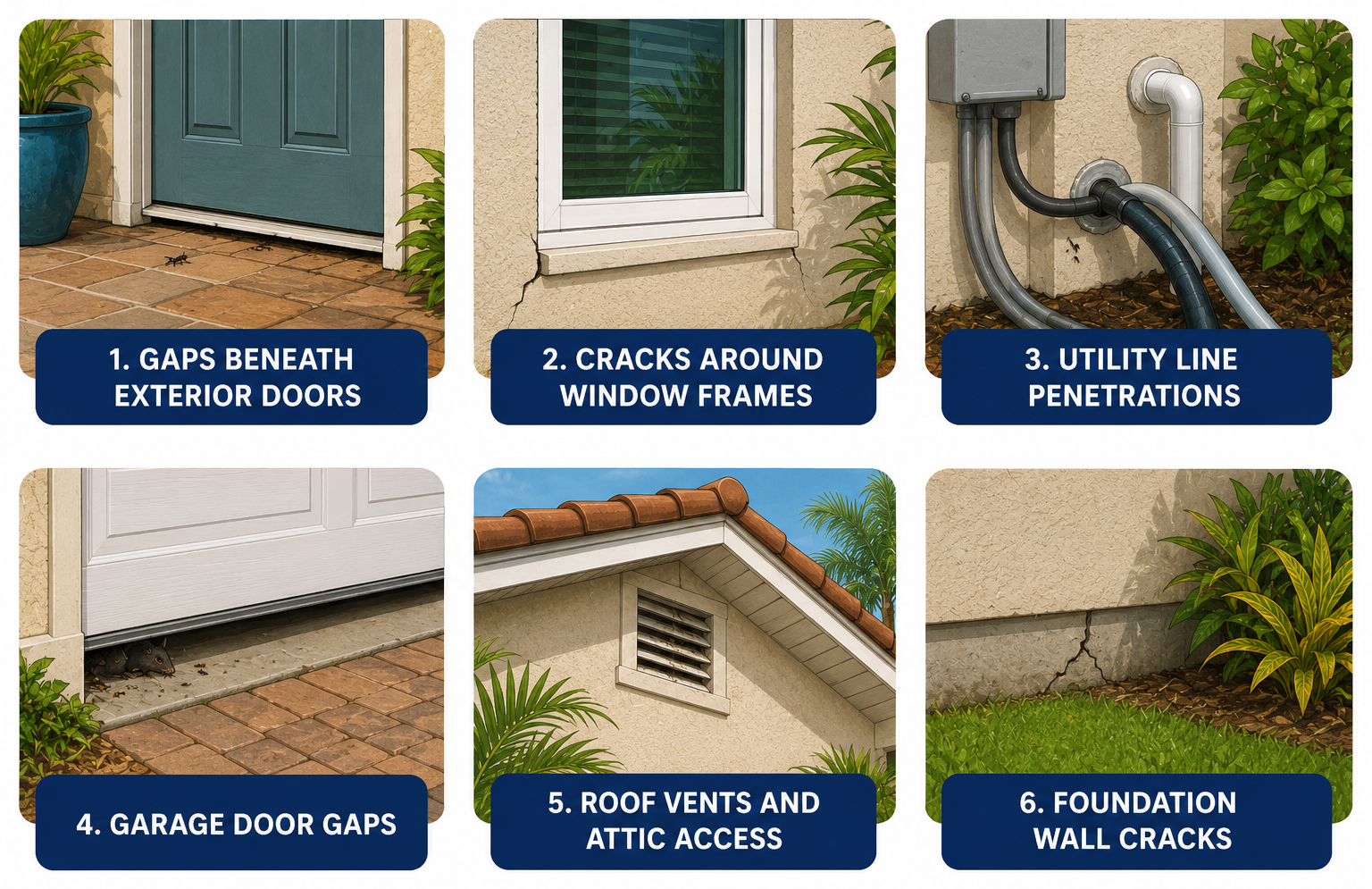
Common Pest Entry Points
- Gaps Beneath Exterior Doors
Even a small gap beneath an exterior door can provide easy access for ants, cockroaches, and rodents. Over time, worn weather stripping can create openings that pests use to enter while searching for food and water. Many homeowners seeking cockroach control services are surprised to learn that pests are entering through gaps that are barely visible from inside the home. - Cracks Around Window Frames
Tiny gaps around windows can develop as homes settle and building materials expand and contract. While these openings may seem insignificant, they can provide easy access for ants and other insects looking for shelter indoors. Regular inspections around windows can help identify potential entry points before pest activity develops. - Utility Line Penetrations
Plumbing pipes, electrical conduits, cable lines, and internet connections often pass through exterior walls. If these openings are not properly sealed, pests can use them as direct pathways into the structure. These hidden entry points are commonly overlooked during routine home maintenance. - Garage Door Gaps
Garage doors frequently develop small openings along the sides and bottom as weather stripping wears out over time. Because garages often contain storage items, pet food, and clutter, they can become attractive staging areas for pests before activity spreads into the main living areas. - Roof Vents And Attic Access Areas
Roof vents, soffits, attic openings, and roofline gaps can provide access to rodents and other pests. Once inside attic spaces, pests often remain hidden for extended periods before homeowners notice signs of activity. Many calls for rodent control begin after pests gain access through vulnerable roof areas. - Cracks In Foundations And Exterior Walls
Small cracks in foundations, stucco, masonry, and exterior walls can provide entry points for ants and other insects. Throughout South Florida, heavy rain, heat, and natural settling can gradually create openings that pests exploit. Homeowners seeking ant control services often discover that these structural gaps are contributing to recurring infestations.
Identifying and addressing entry points can significantly reduce the likelihood of pests repeatedly entering the home. When combined with proper sanitation and moisture management, sealing common entry points can play an important role in long-term pest prevention.
Landscaping Mistakes That Increase Pest Activity
Many pest problems actually begin outside long before homeowners notice activity indoors. Landscaping choices can unintentionally create ideal conditions for ants, cockroaches, rodents, and other pests to live close to the structure.
This is especially common throughout Weston, Davie, Sunrise, Pembroke Pines, and other South Florida communities where tropical landscaping, irrigation systems, and dense vegetation are common around homes.
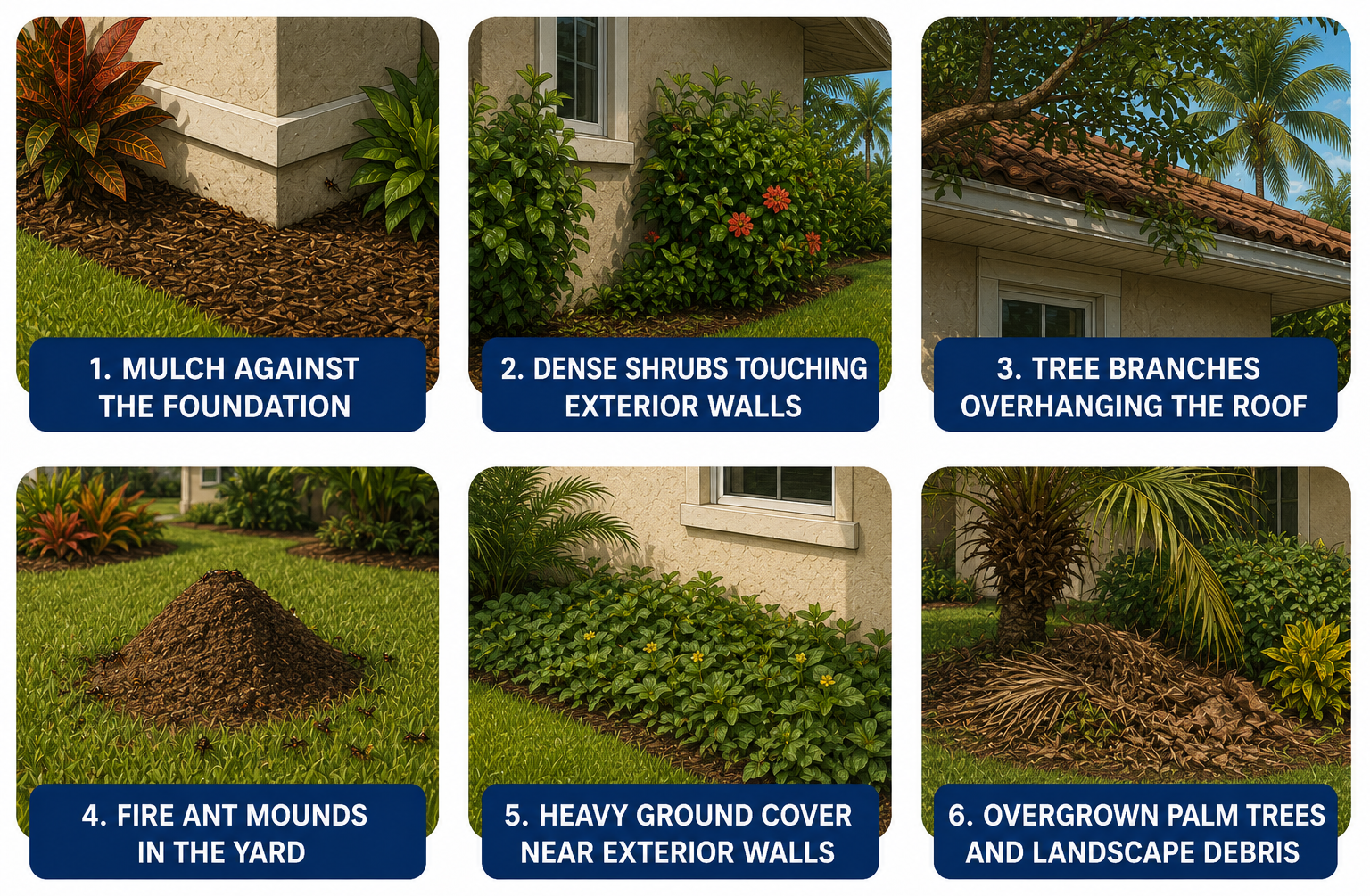
Landscaping Conditions That Attract Pests
- Mulch Against The Foundation
Mulch retains moisture and provides shelter for ants, cockroaches, and other insects close to the home. Many homeowners seeking ant control services discover that landscaping beds against the foundation are contributing to recurring activity. - Dense Shrubs Touching Exterior Walls
Shrubs that contact the home create protected pathways that pests can use to reach the structure. Thick vegetation can also trap moisture and reduce airflow around exterior walls. - Tree Branches Overhanging The Roof
Overhanging branches can act as bridges that allow rodents to reach roofs and attic areas. Many homeowners requiring rodent control services are surprised to learn that nearby trees are helping pests access the home. - Fire Ant Mounds In The Yard
Active fire ant colonies near the home increase the likelihood of ants spreading throughout the property. Early treatment can help prevent colonies from becoming larger problems. - Heavy Ground Cover Near Exterior Walls
Ground cover creates shade, moisture, and shelter that many pests prefer. When planted too close to the structure, these areas often become hiding places for insects during the day. - Overgrown Palm Trees And Landscape Debris
Palm fronds, leaf piles, and yard debris can provide shelter for a variety of pests. Regular landscape maintenance can help reduce pest pressure around the property and may reduce the need for future pest control services.
Proper landscaping maintenance can help reduce pest pressure around the home and make it less inviting to unwanted visitors. When combined with moisture management and sealing common entry points, thoughtful landscaping can play an important role in long-term pest prevention.
Why Pests Keep Returning Even After Prevention Efforts
Preventative measures are one of the best ways to reduce the risk of pest problems, but they do not always eliminate existing infestations. Many homeowners are frustrated when they improve sanitation, reduce moisture, and seal entry points only to continue seeing ants, cockroaches, or rodents around the home.
In many cases, the conditions attracting pests have already allowed a colony or nesting area to become established. Once pests are actively living on or inside the property, additional steps are often needed to fully address the problem.
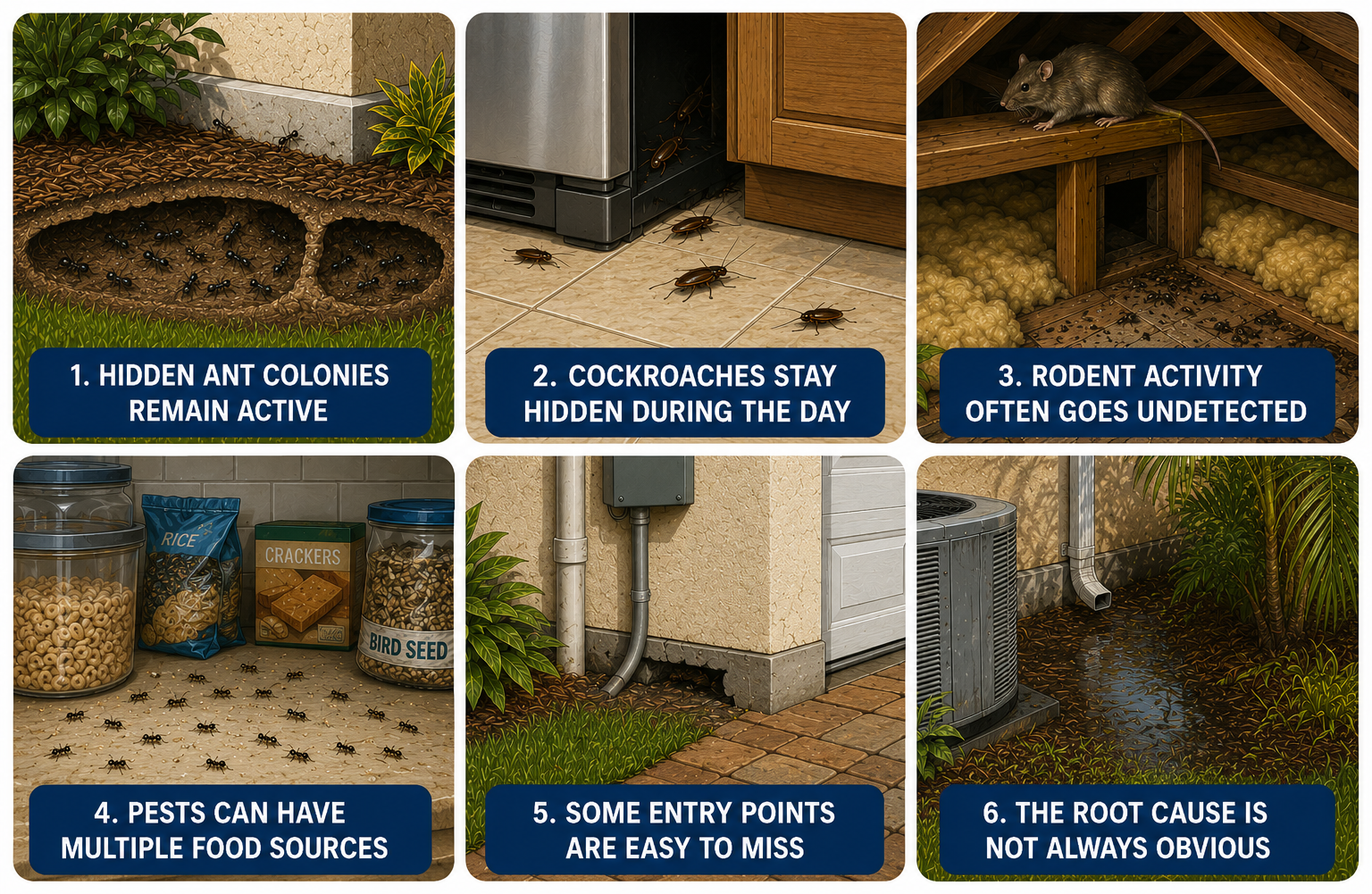
Why Pest Problems Can Continue
- Hidden Ant Colonies Remain Active
Eliminating visible ants does not always eliminate the colony. Nests may be hidden beneath landscaping, inside wall voids, or under concrete surfaces where they remain protected. - Cockroaches Stay Hidden During The Day
Cockroaches spend much of their time inside cabinets, wall voids, appliance compartments, and other secluded areas. Homeowners often continue seeing roaches because the source of the infestation remains untouched. - Rodent Activity Often Goes Undetected
Rodents commonly remain hidden inside attics, garages, soffits, and wall voids before visible signs appear. By the time droppings, noises, or damage are noticed, the infestation may have already been active for weeks or months. - Pests Can Have Multiple Food Sources
Even when homeowners eliminate one attractant, pests may continue feeding elsewhere on the property. Hidden food sources indoors and outdoors can contribute to recurring activity. - Some Entry Points Are Easy To Miss
Small gaps around rooflines, utility penetrations, garage doors, and foundations can be difficult to identify. Pests may continue entering through openings homeowners never realized existed. - The Root Cause Is Not Always Obvious
Many recurring infestations are connected to hidden moisture issues, landscaping conditions, or nesting areas that are difficult to detect. The visible pests are often only a symptom of a larger underlying problem.
Most homeowners don't realize they're dealing with an established infestation until pest activity continues despite their prevention efforts. When ants, cockroaches, or rodents repeatedly return, the issue is often connected to a hidden source that has not yet been identified.
Signs Your Home May Already Have A Pest Problem
Many pest infestations develop gradually, and the earliest warning signs are often easy to overlook. What starts as occasional pest activity can quickly become a larger problem if the source is not identified early.
Homeowners often notice subtle changes before they discover an active infestation. Recognizing these warning signs can help prevent a small pest issue from becoming more widespread throughout the home.
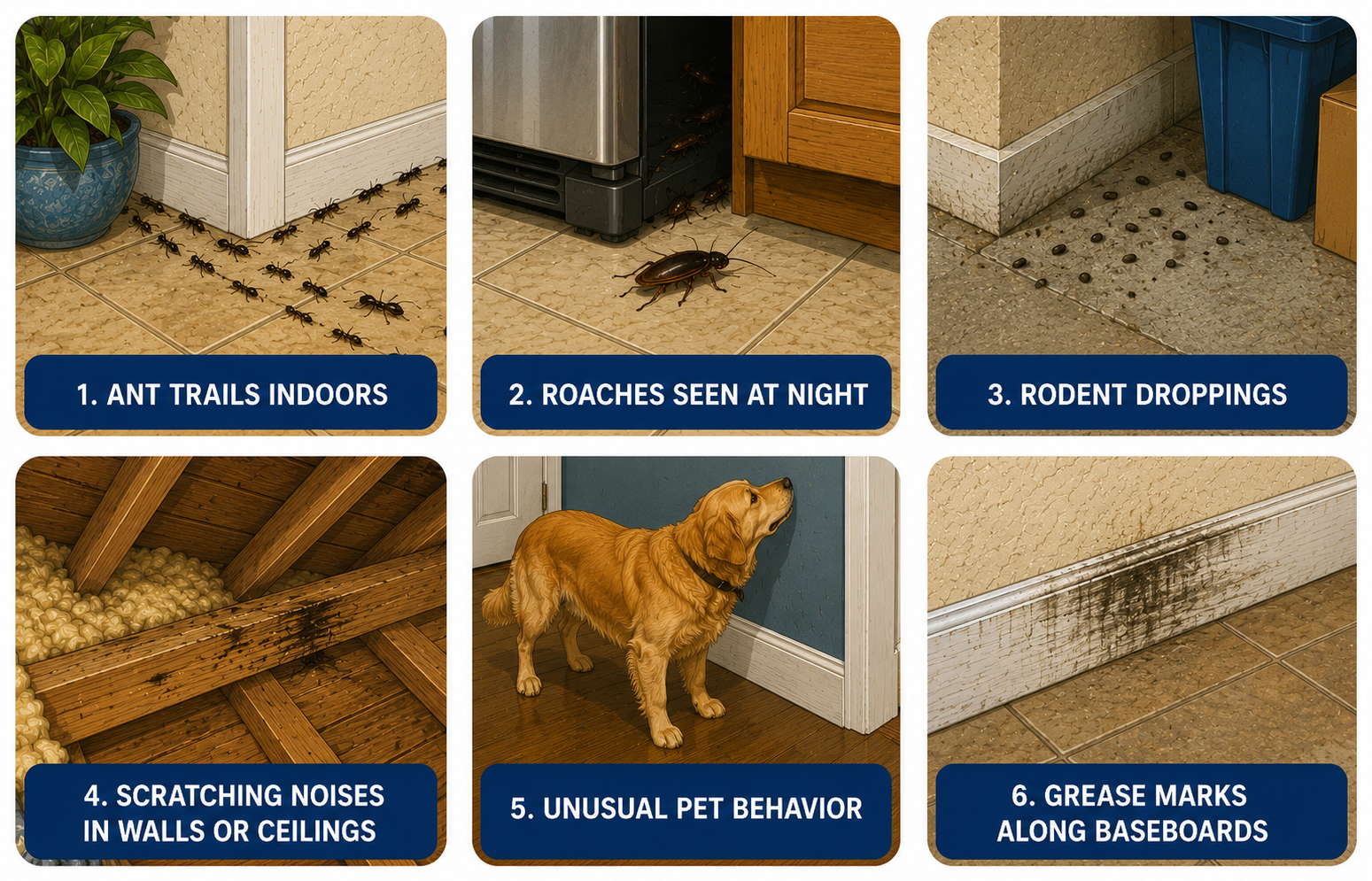
Common Warning Signs
- Ant Trails Indoors
Consistent ant activity often indicates a nearby colony. If the same trail appears repeatedly, the source of the problem may be close by. - Roaches Seen At Night
Cockroach activity is often more noticeable after dark when pests leave their hiding places to search for food and water. Frequent sightings may indicate a larger hidden population. - Rodent Droppings
Small droppings found near food storage areas, garages, or attics can be an early sign of rodent activity. The sooner they are identified, the easier the problem is usually to address. - Scratching Noises In Walls Or Ceilings
Rodents are often heard before they are seen. Noises that occur at night may indicate activity inside walls, attics, or other hidden areas. - Unusual Pet Behavior
Dogs and cats can sometimes detect pest activity before homeowners notice obvious signs. Increased attention toward walls, cabinets, or attic spaces may be worth investigating. - Grease Marks Along Baseboards
Rodents frequently travel the same routes and can leave dark grease marks along walls and baseboards. These marks often appear near entry points and active travel paths.
The sooner pest activity is identified, the easier it is to address before populations have an opportunity to grow. Homeowners experiencing multiple warning signs may benefit from a professional inspection or ongoing residential pest control service to help identify the source of the problem.
Professional Pest Prevention For South Florida Homes
South Florida's warm climate, year-round humidity, and extended pest seasons create conditions that allow many pests to remain active throughout the year. Even homeowners who follow good prevention practices can experience recurring pest activity when hidden colonies, entry points, or conducive conditions remain untreated.
Because every property is different, effective pest prevention often requires more than simply reacting to visible pest activity. Professional inspections help identify the underlying conditions that attract pests before infestations become larger and more difficult to control.

Benefits Of Professional Pest Prevention
- Early Identification Of Pest Activity
Professional inspections can often identify signs of pest activity before homeowners notice visible infestations. Addressing problems early is typically easier and less disruptive than dealing with established populations. - Identification Of Hidden Pest Conditions
Moisture issues, entry points, landscaping concerns, and food sources are not always obvious. A thorough inspection helps uncover conditions that may be contributing to recurring pest activity. - Targeted Treatment Strategies
Different pests require different treatment approaches. Professional pest management programs are designed to address the specific pests and conditions present at each property. - Ongoing Monitoring Throughout The Year
South Florida's climate allows pests to remain active during every season. Routine service helps monitor changing conditions and reduce pest pressure before larger problems develop. - Reduced Risk Of Recurring Infestations
Consistent prevention focuses on the source of pest activity rather than simply treating visible pests. This proactive approach helps reduce the likelihood of recurring infestations. - Peace Of Mind For Homeowners
Knowing your home is being routinely monitored can provide reassurance that potential pest problems are being addressed before they become more serious.
Many homeowners in Weston, Davie, Pembroke Pines, Sunrise, and throughout South Florida choose ongoing residential pest control services because prevention is often easier than dealing with an active infestation. Whether you're seeing occasional ants, roaches, rodents, or simply want to reduce the risk of future problems, a proactive pest prevention plan can help protect your home throughout the year.
Frequently Asked Questions About Pest Prevention In South Florida
Many homeowners are surprised to learn how everyday conditions can contribute to pest activity around the home. Below are answers to some of the most common pest prevention questions we hear from homeowners throughout Weston and South Florida.
Can a clean house still get pests?
Yes. While good sanitation helps reduce pest activity, even clean homes can experience infestations if pests have access to food, water, shelter, or entry points. Many pest problems begin because of hidden moisture issues, landscaping conditions, or small openings around the home rather than poor housekeeping.
What attracts pests into a home?
Pests are typically attracted by three things: food, water, and shelter. Common attractants include pet food left out overnight, food crumbs, plumbing leaks, standing water, dense landscaping, and gaps around doors and windows.
Why do pests keep coming back after I clean?
Cleaning can remove food sources, but it may not address the underlying cause of the problem. Hidden colonies, moisture issues, entry points, and nesting areas can continue supporting pest activity even after visible attractants have been removed.
Can moisture problems attract pests?
Absolutely. Ants, cockroaches, rodents, and many other pests rely on moisture to survive. Plumbing leaks, under-sink moisture, air conditioning condensation, clogged gutters, and standing water around the property can all contribute to recurring pest problems.
What are the most common pest entry points around a home?
Common entry points include gaps beneath doors, cracks around windows, utility penetrations, garage door gaps, roof vents, and foundation cracks. Many pests enter through openings that homeowners rarely notice during everyday inspections.
Does landscaping affect pest activity?
Yes. Dense shrubs, mulch against the foundation, overgrown vegetation, tree branches touching the roof, and accumulated landscape debris can create ideal conditions for pests. Proper landscaping maintenance is an important part of long-term pest prevention.
What are the first signs of a pest infestation?
Early warning signs often include ant trails, roaches seen at night, rodent droppings, scratching sounds in walls or ceilings, unusual pet behavior, and grease marks along baseboards. Recognizing these signs early can help prevent a larger infestation from developing.
Why do I still see pests after treatment?
It is common to see some pest activity after treatment, depending on the pest and the severity of the infestation. However, ongoing activity may indicate hidden nesting areas, untreated conditions, or new pests entering from outside the home.
Are DIY pest prevention methods effective?
DIY prevention methods can help reduce pest attractants and lower the risk of infestations. However, they are often less effective when dealing with established colonies, hidden nesting sites, recurring infestations, or pests that require specialized treatment strategies.
When should I call a professional pest control company?
You should consider contacting a professional if pest activity continues despite your prevention efforts, if you're seeing recurring ants, roaches, or rodents, or if you're noticing multiple warning signs around the home. Early intervention is often easier and more cost-effective than waiting for an infestation to grow.
Pest Control Services In Weston & Throughout South Florida
Preventing pests starts with understanding what attracts them in the first place. From hidden food sources and moisture issues to landscaping conditions and entry points, many pest problems develop long before homeowners notice visible signs of activity. By addressing these conditions early and staying alert to warning signs, homeowners can significantly reduce the risk of recurring infestations and create a less attractive environment for pests year-round.
If you're seeing ants in the kitchen, roaches at night, signs of rodent activity, or simply want peace of mind that your home is protected, Professional Pestguard is here to help. Our experienced team provides thorough inspections and customized pest control solutions for homeowners throughout Weston, Davie, Sunrise, Pembroke Pines, and surrounding South Florida communities. Contact Professional Pestguard today to schedule an inspection and take the first step toward a pest-free home.
About Professional Pestguard
Professional Pestguard provides professional pest control in Weston, FL and nearby communities including Davie, Sunrise, Pembroke Pines, and Plantation. With over 40 years of experience, our licensed technicians protect homes and businesses across Broward County and Miami-Dade County from ants, cockroaches, rodents, spiders, and other common South Florida pests using safe and effective treatments.