Why Fleas Can Become a Year-Round Problem in South Florida
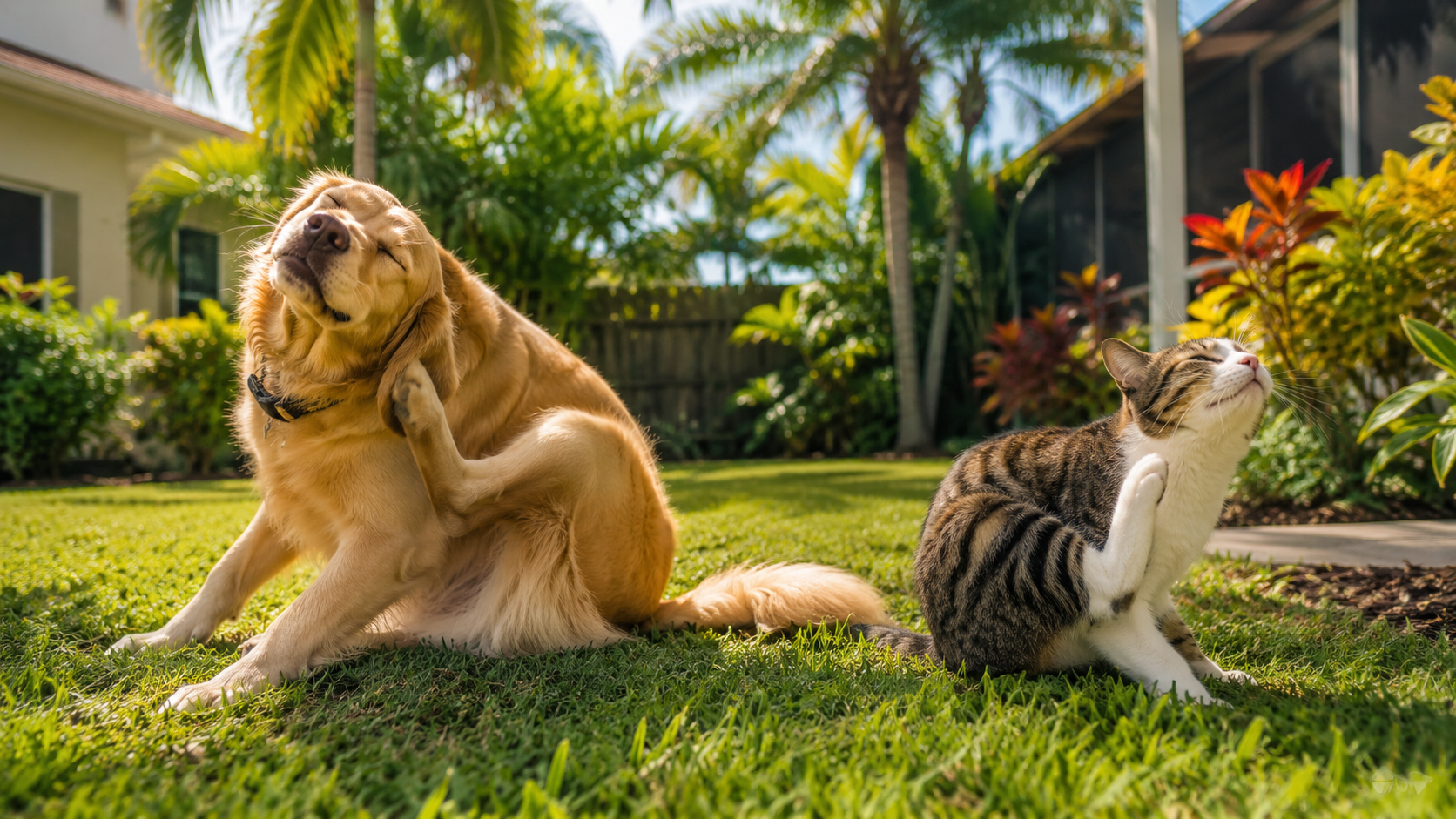
Have you noticed your pets scratching more than usual or found tiny bites on your ankles after spending time outside? Fleas are often thought of as a seasonal pest, but in South Florida, they can remain active throughout the entire year. Our warm temperatures, high humidity, and mild winters create ideal conditions for fleas to survive, reproduce, and spread around residential properties long after they've disappeared in other parts of the country.
Fleas don't just live on pets. They can thrive in lawns, shaded landscaping, under decks, and in areas frequented by wildlife such as raccoons, opossums, stray cats, squirrels, and rodents. Once flea populations become established outdoors, they can easily hitch a ride inside on pets, people, or other animals, quickly turning a small problem into a much larger infestation.
Understanding why fleas become a year-round problem in South Florida can help homeowners identify conducive conditions before flea populations get out of control. Whether you live in Weston, Davie, Pembroke Pines, Plantation, Cooper City, Sunrise, Miramar, Southwest Ranches, or anywhere else in South Florida, learning how to reduce fleas in your yard is one of the best ways to protect your family, your pets, and your home.
Why Fleas Thrive Year-Round In South Florida
Unlike many parts of the United States where freezing temperatures help reduce flea populations during the winter, South Florida provides favorable conditions for fleas nearly every month of the year. Warm temperatures, high humidity, and a steady supply of animal hosts allow fleas to remain active outdoors, making it possible for infestations to develop at almost any time.
Because fleas reproduce quickly, even a small outdoor population can grow rapidly when conditions are right. Female fleas lay dozens of eggs throughout their lives, and those eggs often fall into lawns, mulch beds, shaded landscaping, and other protected areas where they continue developing. Without a prolonged cold season to interrupt their life cycle, fleas can continue breeding throughout much of the year.
Why Fleas Are Active Throughout The Year
- Warm Temperatures
South Florida's subtropical climate allows fleas to remain active during every season. Unlike colder regions, there's no extended winter freeze to naturally reduce flea populations. - High Humidity
Fleas thrive in humid environments because moisture improves the survival of flea eggs and larvae. South Florida's consistently humid conditions create an ideal environment for fleas to complete their life cycle. - Wildlife Frequently Visits Residential Properties
Raccoons, opossums, stray cats, squirrels, rodents, and other wildlife commonly travel through neighborhoods carrying fleas with them. As these animals move through your yard, they can introduce fleas into your landscape. - Pets Can Bring Fleas Indoors
Dogs and cats often pick up fleas while spending time outside. Once inside the home, fleas can quickly spread throughout carpets, furniture, pet bedding, and other areas where they continue reproducing. - Favorable Outdoor Harborage
Shaded lawns, mulch beds, leaf litter, dense vegetation, and areas beneath shrubs provide cool, protected environments where flea eggs and larvae can develop before emerging as adults.
Understanding why fleas remain active year-round is the first step toward preventing infestations. Combining proper yard maintenance with routine Lawn Insect Control and Flea & Tick Control can help reduce flea populations around your property before they become a larger problem.
Where Fleas Commonly Hide Around Your Property
Many homeowners assume fleas only live on pets, but a large portion of the flea life cycle actually takes place outdoors. Adult fleas lay eggs on animals, but those eggs often fall into the surrounding environment where they hatch and continue developing. South Florida's warm, humid climate allows fleas to thrive in shaded areas around residential properties, making your yard an ideal place for populations to grow before eventually finding their way onto pets or inside your home.
Knowing where fleas commonly hide can help you identify problem areas and reduce the conditions that support recurring infestations.
Common Outdoor Flea Hiding Places
- Lawns And Grass
Fleas commonly hide in grassy areas, especially where pets spend time playing or resting. Shaded portions of the lawn provide cooler temperatures and higher humidity, helping fleas survive longer. - Mulch Beds And Landscaping
Mulch, leaf litter, and dense landscaping retain moisture and provide excellent shelter for flea eggs, larvae, and adult fleas. These protected areas often become hotspots for flea activity around the home. - Under Shrubs And Bushes
Thick vegetation blocks direct sunlight and creates cool, humid conditions where fleas can complete their life cycle while remaining protected from harsh weather. - Pet Resting Areas
Places where dogs and cats frequently lie down—whether outdoors or in covered patios—can quickly become infested as flea eggs fall from their fur into the surrounding environment. - Areas Visited By Wildlife
Raccoons, opossums, stray cats, squirrels, and rodents can introduce fleas into your yard. Even homeowners without pets may experience flea problems if wildlife regularly travels through the property. - Under Decks, Sheds, And Outdoor Structures
Dark, protected spaces beneath decks, sheds, and similar structures often remain cool and damp, making them ideal environments for fleas to develop.
Because so much of the flea life cycle occurs outdoors, treating pets alone often isn't enough to eliminate an infestation. Combining routine yard maintenance with professional Lawn Insect Control and Flea & Tick Control can help reduce flea populations before they spread throughout your property and into your home.
Signs You May Have Fleas In Your Yard
Fleas are small and incredibly difficult to spot, especially during the early stages of an infestation. Many homeowners don't realize fleas are living in their yard until their pets begin scratching excessively or family members start noticing itchy bites after spending time outdoors. Recognizing the warning signs early can help prevent fleas from spreading throughout your property and eventually making their way inside your home.
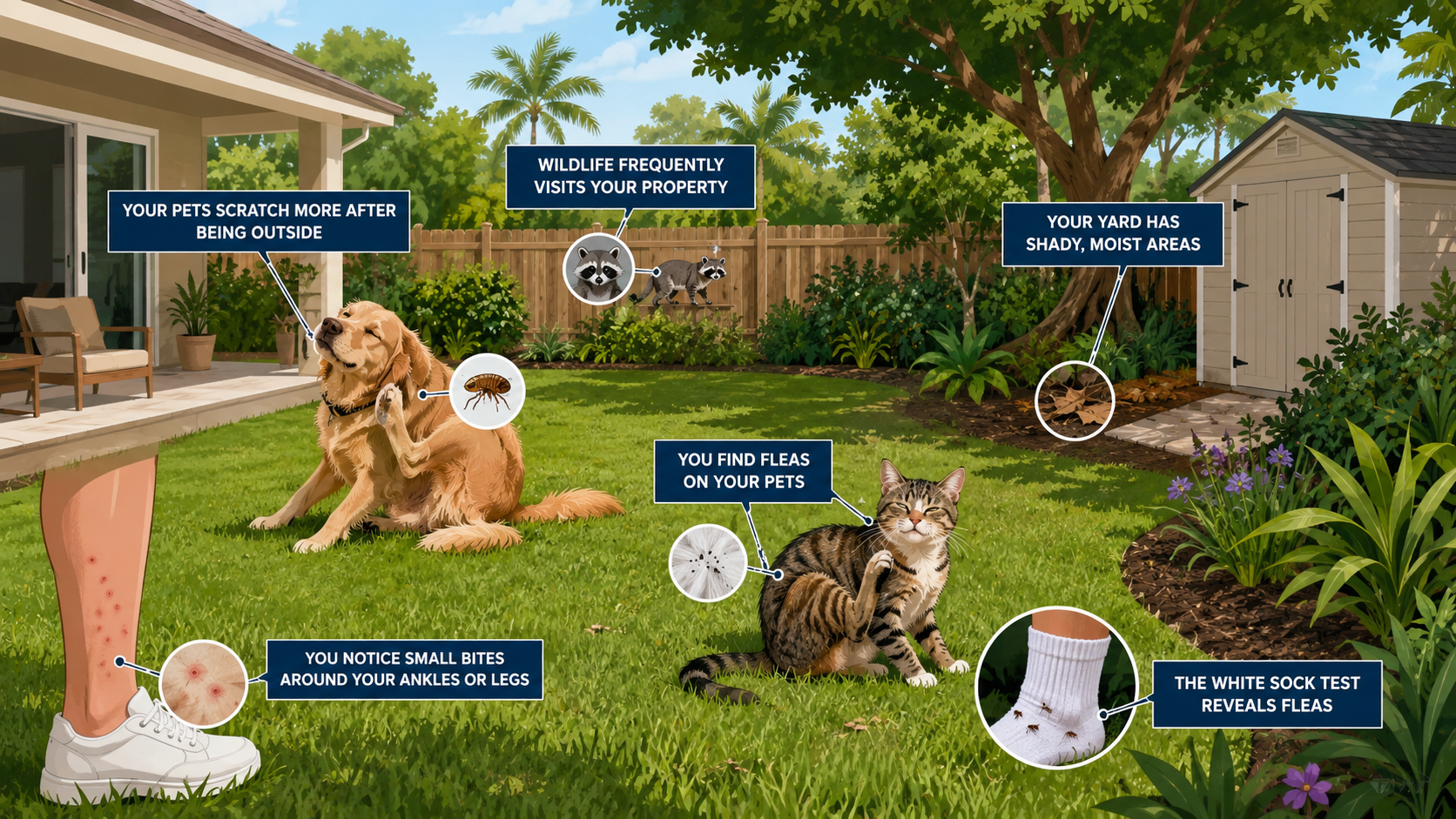
Common Warning Signs Of Outdoor Fleas
- Your Pets Scratch More After Being Outside
If your dog or cat seems comfortable indoors but begins scratching excessively after spending time in the yard, fleas may be present in your lawn or landscaped areas. - You Notice Small Bites Around Your Ankles Or Legs
Fleas often jump onto people as they walk through infested grass or landscaping. Their bites commonly appear around the ankles, lower legs, and feet because these areas are closest to the ground. - Wildlife Frequently Visits Your Property
Raccoons, opossums, stray cats, squirrels, and rodents can all carry fleas. If wildlife regularly travels through your yard, there's a greater chance fleas are being introduced to your property. - Your Yard Has Shady, Moist Areas
Fleas thrive in cool, humid environments. Dense landscaping, mulch beds, leaf litter, and shaded portions of the lawn provide ideal conditions for flea eggs and larvae to develop. - You Find Fleas On Your Pets
Seeing even a single flea or flea dirt (small black specks) on your pet often indicates that fleas are already present somewhere in the environment, not just on the animal itself. - The White Sock Test Reveals Fleas
One simple way to check for fleas is to wear a pair of tall white socks and slowly walk through shaded areas of your yard. Adult fleas are attracted to movement and body heat and may jump onto the fabric, making them much easier to spot against the white background.
If you're noticing one or more of these warning signs, addressing the problem early is the best way to prevent a small outdoor flea population from becoming a larger infestation. Professional Flea & Tick Control combined with Lawn Insect Control can help reduce flea activity around your property and protect both your family and your pets.
How To Reduce Flea Activity Around Your Home
Completely eliminating fleas from an outdoor environment can be difficult, especially in South Florida's warm, humid climate. However, homeowners can take several steps to make their property less attractive to fleas and interrupt their life cycle. Combining good landscape maintenance with professional flea control is often the most effective way to reduce recurring infestations.
Tips To Help Reduce Fleas Around Your Property
- Keep Your Lawn Properly Maintained
Regular mowing helps reduce shaded, humid areas where fleas prefer to hide. Keeping your grass at an appropriate height also improves airflow and allows more sunlight to reach the soil. - Trim Landscaping And Remove Yard Debris
Dense shrubs, overgrown vegetation, leaf litter, and accumulated organic debris create cool, protected environments where fleas can thrive. Routine landscaping maintenance helps eliminate many of these hiding places. - Discourage Wildlife From Visiting Your Yard
Wild animals such as raccoons, opossums, stray cats, and rodents often carry fleas. Securing garbage cans, removing outdoor food sources, and limiting places where wildlife can nest may help reduce flea introductions. - Treat Pets Year-Round
Even indoor pets can pick up fleas after spending time outside. Speak with your veterinarian about year-round flea prevention products that are appropriate for your pet. - Wash Pet Bedding Regularly
Pet bedding, blankets, and outdoor pet resting areas can harbor flea eggs and larvae. Washing these items frequently in hot water helps reduce developing flea populations. - Address Fleas In The Yard
Because much of the flea life cycle occurs outdoors, treating pets alone often isn't enough. Professional Lawn Insect Control can help reduce flea activity in lawns and landscaped areas where fleas commonly develop. - Schedule Professional Flea & Tick Control
If fleas continue to return despite preventative measures, professional treatment can target flea populations around your property and help break the infestation cycle before it spreads further indoors.
Reducing flea populations requires treating both the source and the conditions that allow them to thrive. A proactive approach to lawn care, pet protection, and professional pest management can help keep fleas under control throughout the year.
Frequently Asked Questions About Fleas In South Florida
Fleas are one of the most persistent pests in South Florida thanks to our warm, humid climate. Below are answers to some of the most common questions homeowners ask about fleas, outdoor infestations, and flea prevention.
Can fleas survive year-round in South Florida?
Yes. Unlike colder parts of the country where freezing temperatures help reduce flea populations, South Florida's mild winters allow fleas to remain active throughout the year. Warm temperatures and high humidity create favorable conditions for fleas to continue breeding outdoors.
Can I have fleas in my yard even if I don't own pets?
Absolutely. Wildlife such as raccoons, opossums, stray cats, squirrels, and rodents can all carry fleas onto your property. Once introduced, fleas can establish themselves in shaded lawns, mulch beds, and landscaped areas.
Where do fleas usually hide outdoors?
Fleas commonly hide in shaded grass, mulch beds, leaf litter, under shrubs, beneath decks, around pet resting areas, and anywhere that stays cool and humid throughout the day.
How do I know if my yard has fleas?
Some of the most common signs include pets scratching after spending time outside, flea bites around your ankles or lower legs, finding fleas on your pets, or seeing fleas jump onto white socks while walking through shaded areas of your lawn.
Does mowing my lawn help reduce fleas?
Regular mowing helps reduce shade and improves airflow, making your yard less favorable for fleas. While mowing alone won't eliminate an infestation, it's an important part of reducing flea activity.
Can fleas live in mulch beds?
Yes. Mulch beds retain moisture and provide protected areas where flea eggs and larvae can develop. Fleas are especially common in mulch located beneath shrubs and other heavily shaded landscaping.
Will treating my pet eliminate fleas in my yard?
No. Flea prevention for pets is extremely important, but it only protects the animal. Flea eggs, larvae, and pupae may still be present throughout your yard, allowing new fleas to emerge and continue the infestation cycle.
When should I contact a flea control professional?
If fleas continue returning despite treating your pets and maintaining your yard, professional Flea & Tick Control can help identify where fleas are developing and provide treatments designed to reduce outdoor flea populations around your home.
Flea & Tick Control In Weston And South Florida
Fleas are more than just a nuisance—they can become a year-round problem for homeowners throughout South Florida. With our warm temperatures, high humidity, and abundance of wildlife, fleas can remain active in lawns, landscaped areas, and around homes during every season. Taking steps to reduce favorable conditions, maintain your yard, and protect your pets can help minimize flea activity before it develops into a larger infestation.
At Professional Pestguard, we proudly provide Flea & Tick Control in Weston and surrounding South Florida communities, including Davie, Plantation, Pembroke Pines, Cooper City, Sunrise, Miramar, and Southwest Ranches. Our experienced team provides targeted treatments designed to reduce flea populations around your property while helping protect your family and pets from recurring infestations.
If you've noticed fleas in your yard, excessive scratching from your pets, or recurring flea problems around your home, don't wait for the infestation to spread. Contact Professional Pestguard today to request a free estimate and learn how our professional flea and tick control services can help keep your South Florida property protected year-round.
About Professional Pestguard
Professional Pestguard provides professional pest control in Weston, FL and nearby communities including Davie, Sunrise, Pembroke Pines, and Plantation. With over 40 years of experience, our licensed technicians protect homes and businesses across Broward County and Miami-Dade County from ants, cockroaches, rodents, spiders, and other common South Florida pests using safe and effective treatments.